Industry
Spices for bakery
Bakery is the one spice-buying industry where naming the species wrong is a regulatory problem rather than a flavour one, because cassia and true cinnamon are different spices with different coumarin loads.
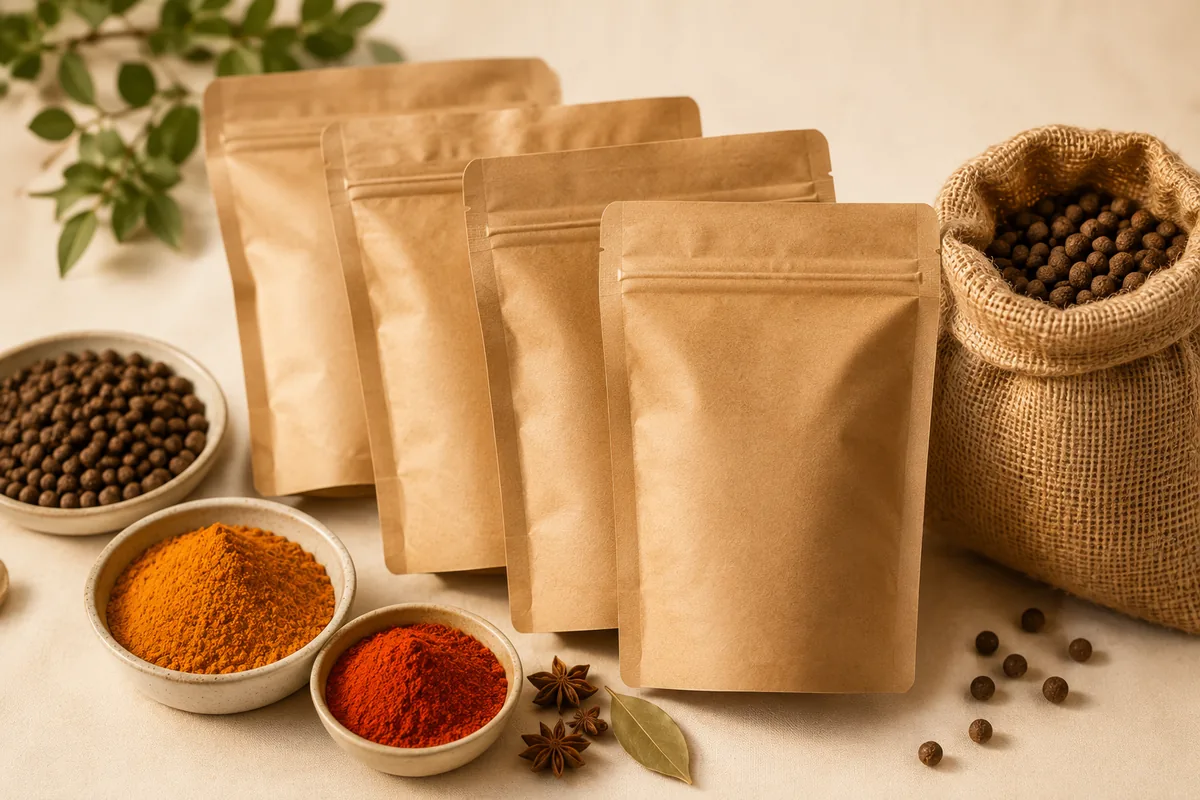
What spices does the bakery industry buy from India?
Bakery is the one spice-buying industry where naming the species wrong is a regulatory problem rather than a flavour one, because cassia and true cinnamon are different spices with different coumarin loads.
What the bakery industry buys
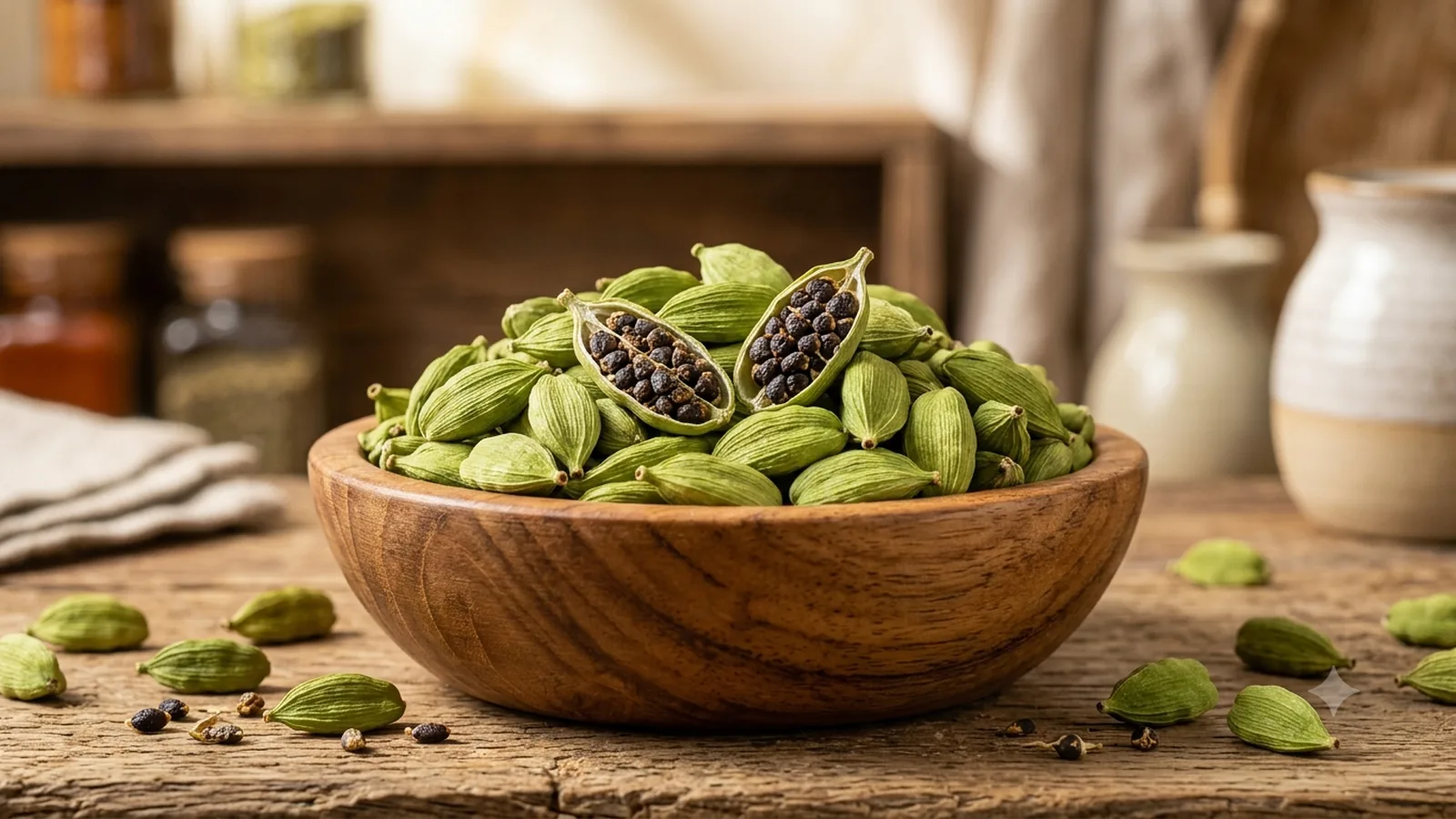
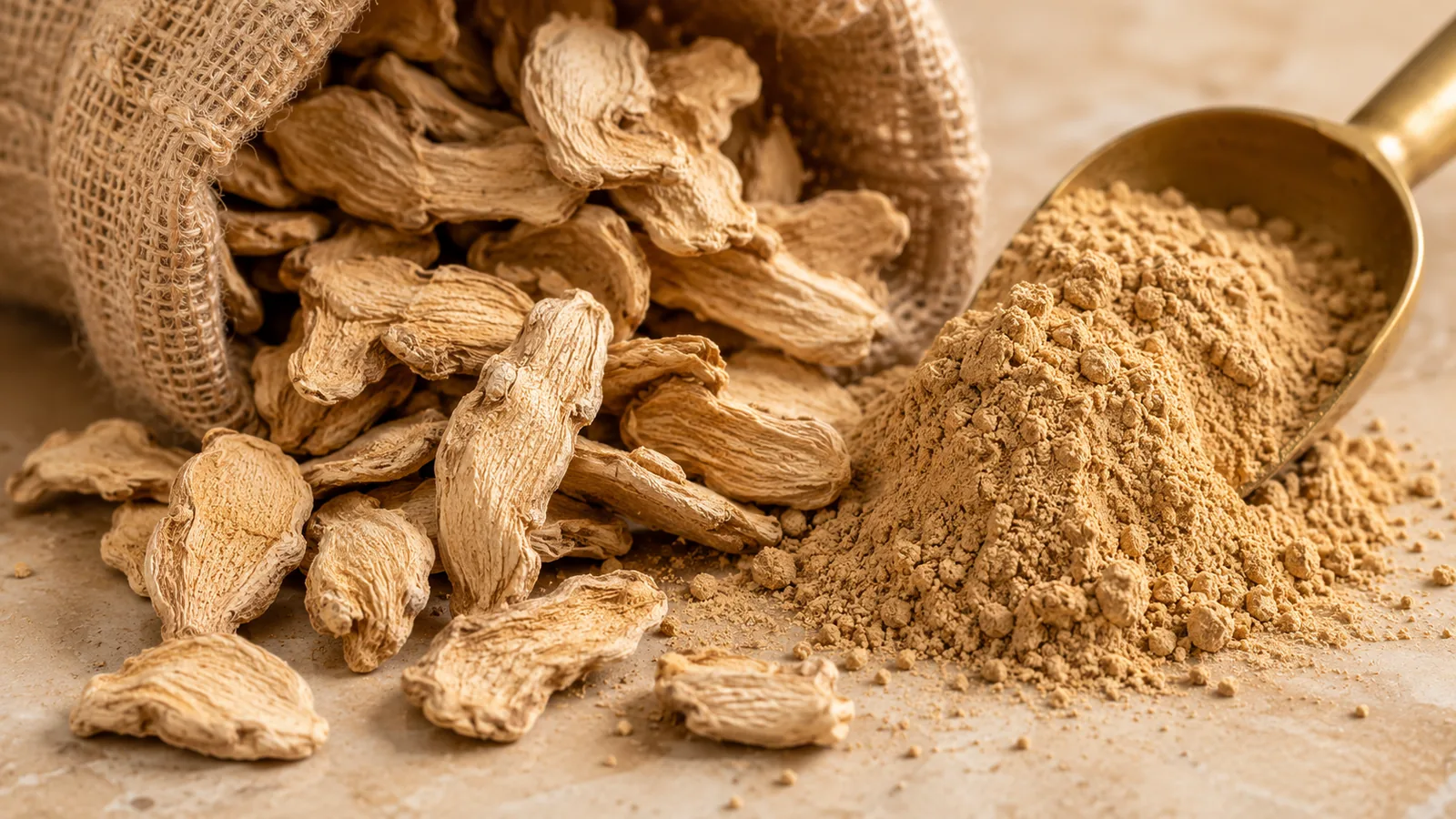
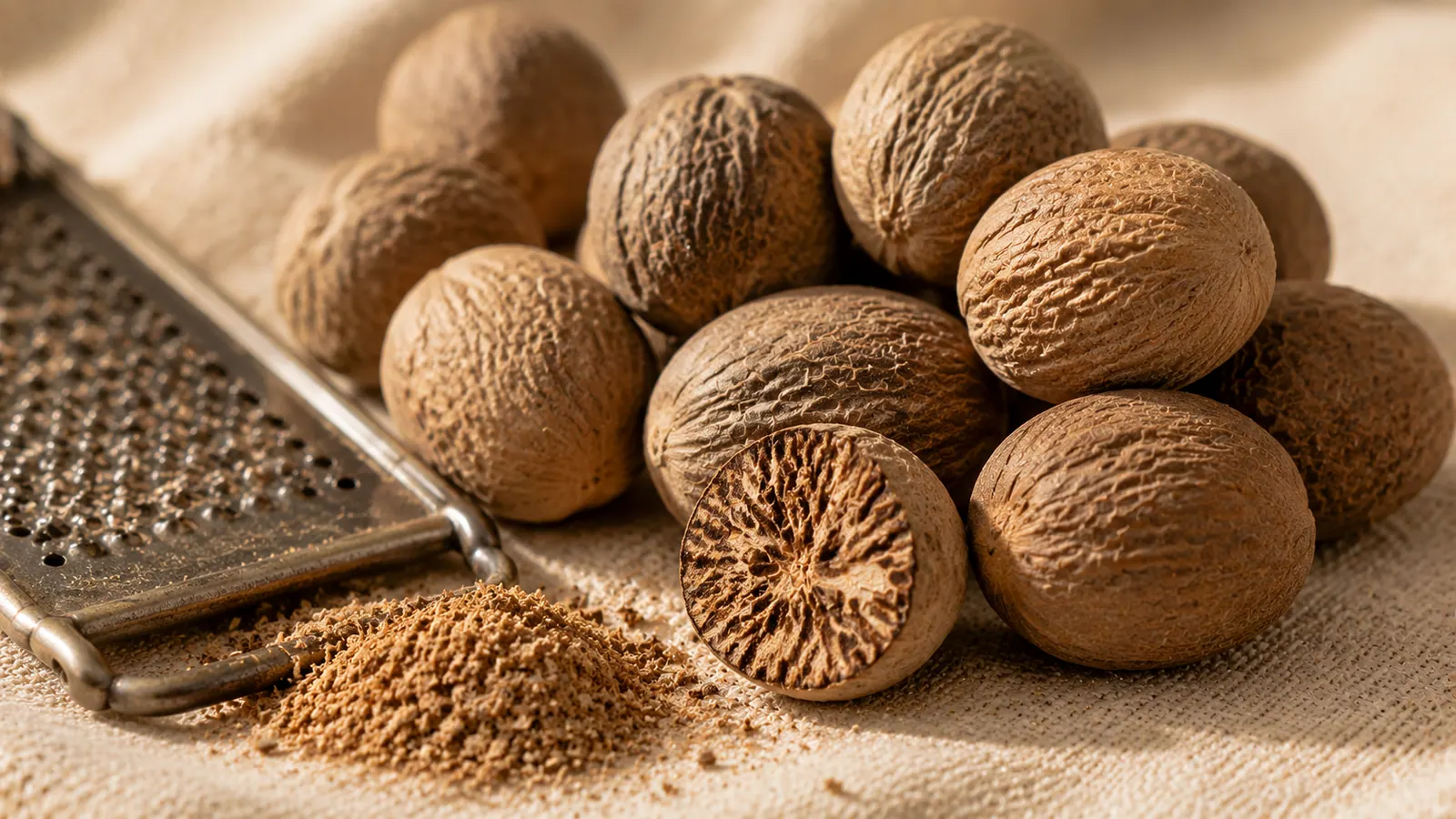
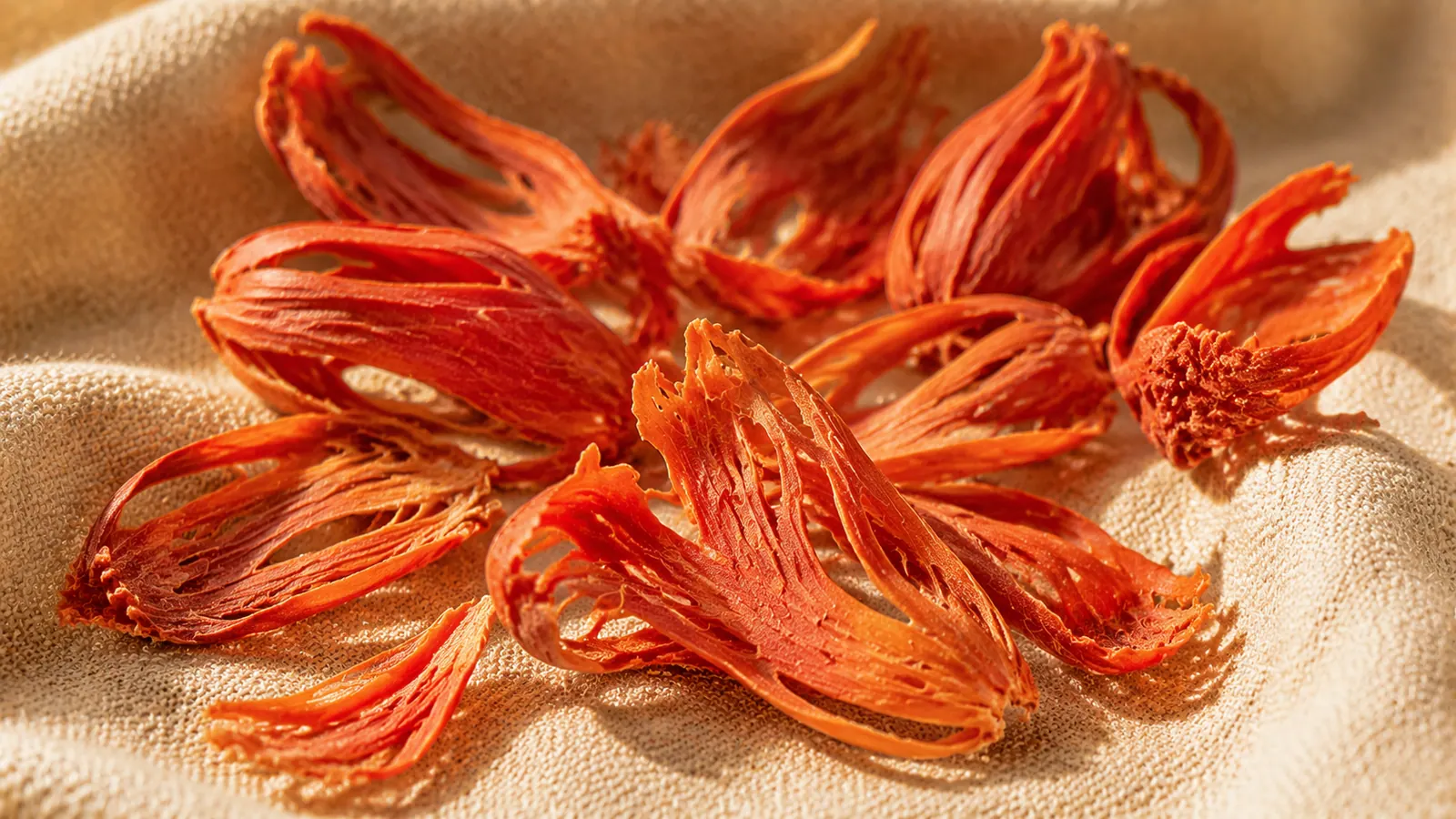
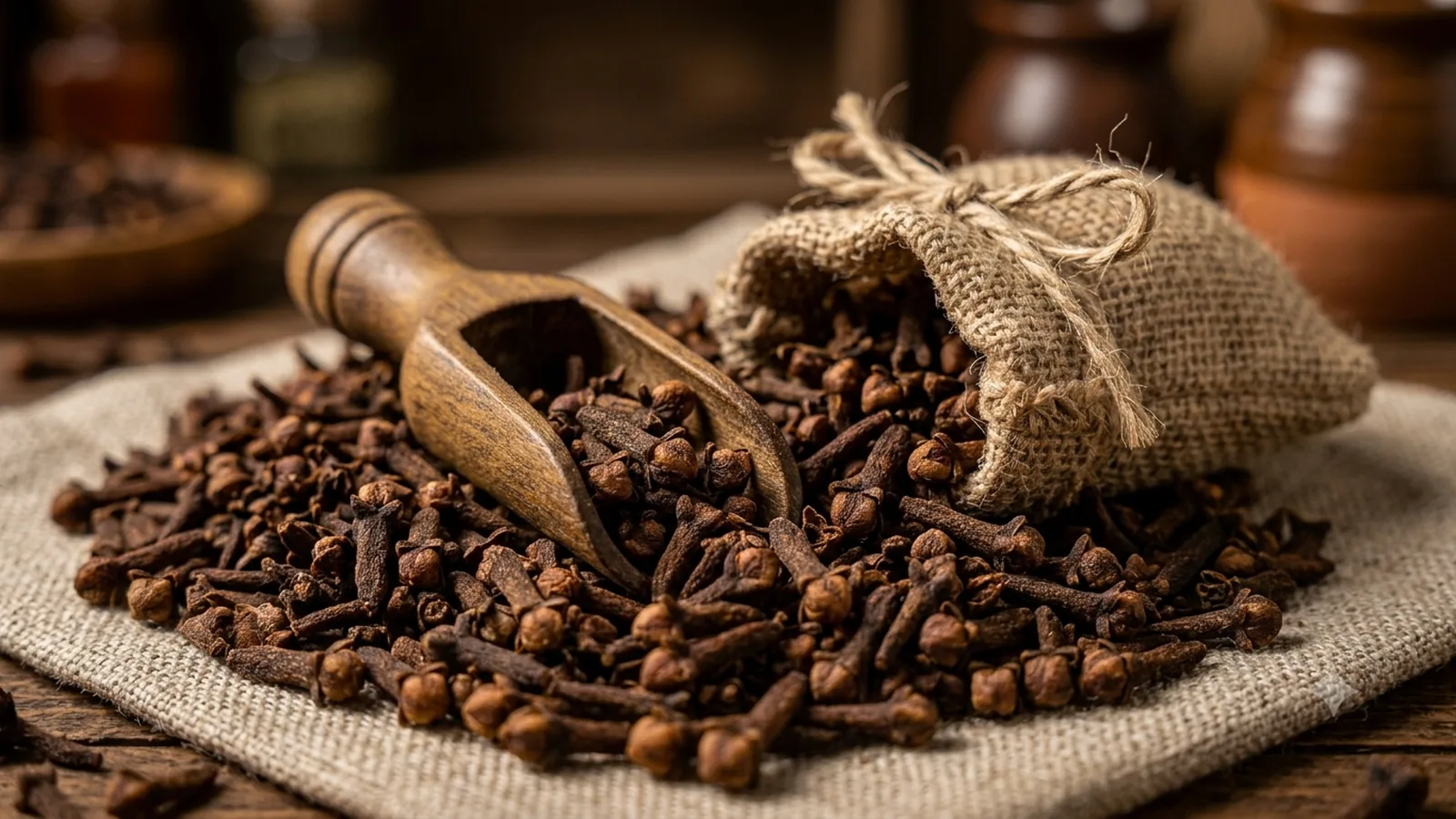
Bakery buys a narrow basket very deeply. Cinnamon, cardamom, ginger, nutmeg, mace and clove carry most of the volume, dosed into doughs and fillings that are then baked, which gives the industry a real kill step and takes some microbial pressure off compared with meat or ready meals. What it does not take off is the species question, and this is the industry's defining compliance exposure.
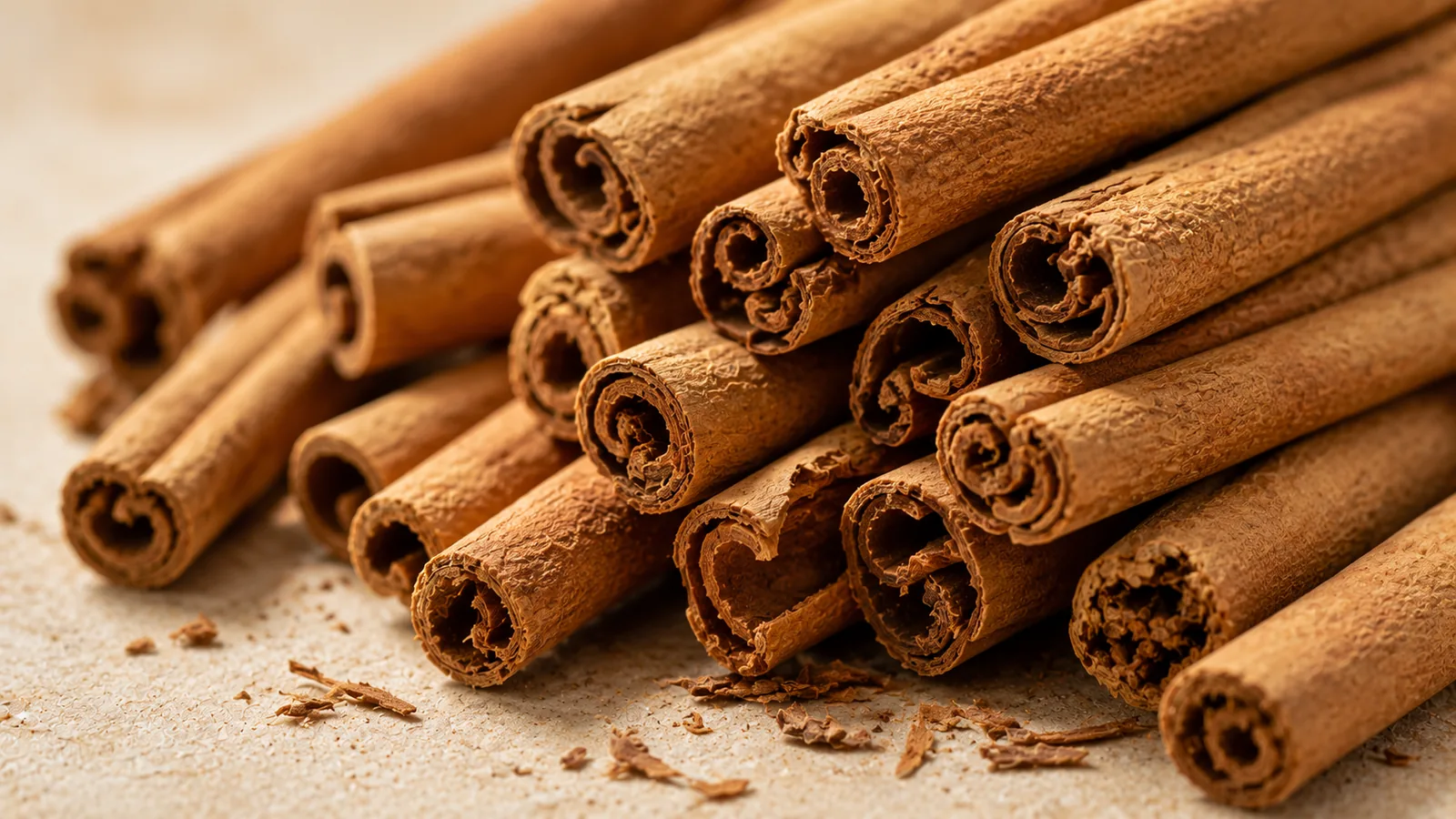
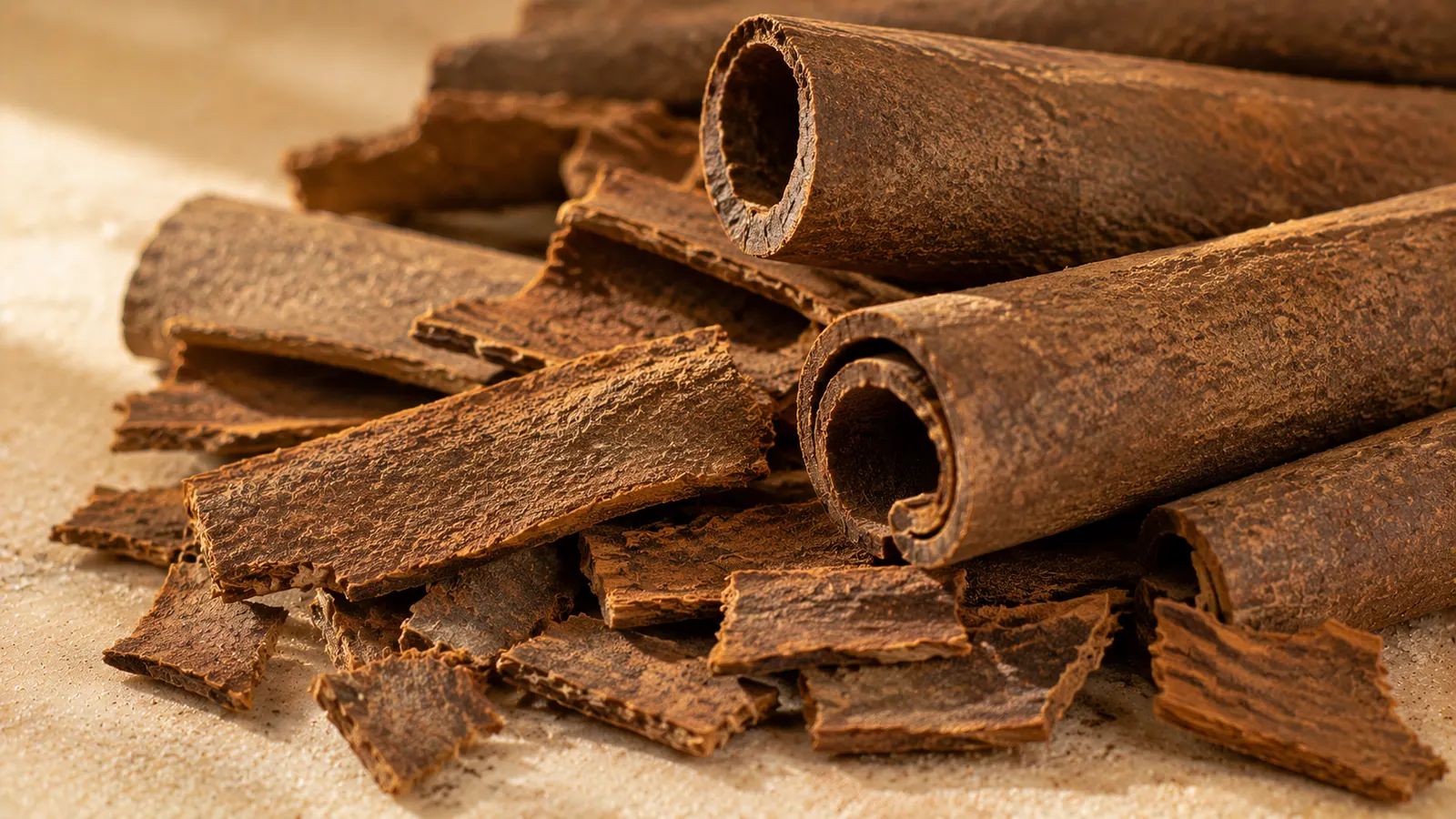
Cassia (Cinnamomum cassia) is high in coumarin. True or Ceylon cinnamon (C. zeylanicum) is very low. India schedules them as separate spices, and selling cassia into the EU as "cinnamon" is a labelling and compliance problem before it is a taste one, because bakery is precisely the category where per-portion coumarin intake gets scrutinised. A buyer who specifies "cinnamon, ground" without naming the species has not written a specification, they have written a hope. This single clause is the highest-leverage line in a bakery contract.
The rest of the specification is about dispersion and colour. Spice has to distribute evenly through a dough that will be sheeted or deposited, so mesh and bulk density govern whether you get an even crumb or a speck pattern; and baked colour is a Maillard interaction, meaning the spice contributes to it rather than controlling it. YouPals coordinates grinding and sterilisation with vetted third-party processors under your spec and holds no processing assets or certification of its own.
What this industry specifies
Put these on the contract and the lot is repeatable. Leave them off and you are buying on hope.
- Species named botanically, not commercially: C. zeylanicum or C. cassia. India schedules them separately and their coumarin loads differ materially.
- Coumarin position stated on the contract for any cinnamon or cassia line going into the EU, since bakery is where per-portion intake is scrutinised.
- Mesh band and bulk density for even dispersion through dough and filling, and to avoid a speck pattern in a pale crumb.
- Volatile oil where aroma survives the bake, particularly for cardamom, clove and nutmeg.
- Moisture ceiling, since a wet spice changes your dough hydration before it changes your flavour.
- Aflatoxin: EU limits are B1 at 5 µg/kg and total aflatoxins at 10 µg/kg for nutmeg, ginger and turmeric among others (eurlex915).
- Steam sterilisation declared, ETO excluded given the EU ban and the 0.1 mg/kg default limit (eurlex915).
- Allergen and cross-contact declaration, matched to the label on a product that is often sold unpackaged at counter.
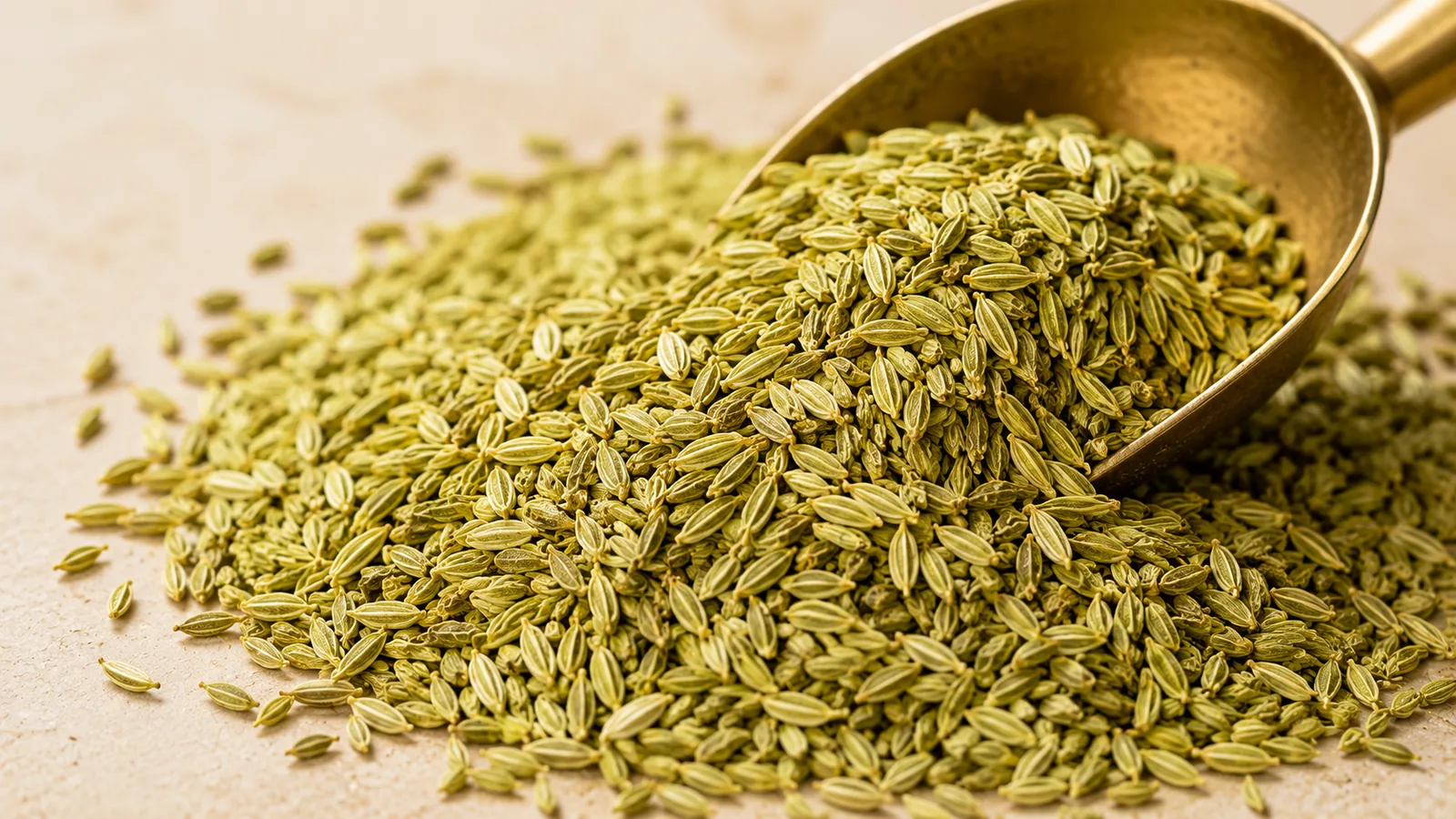
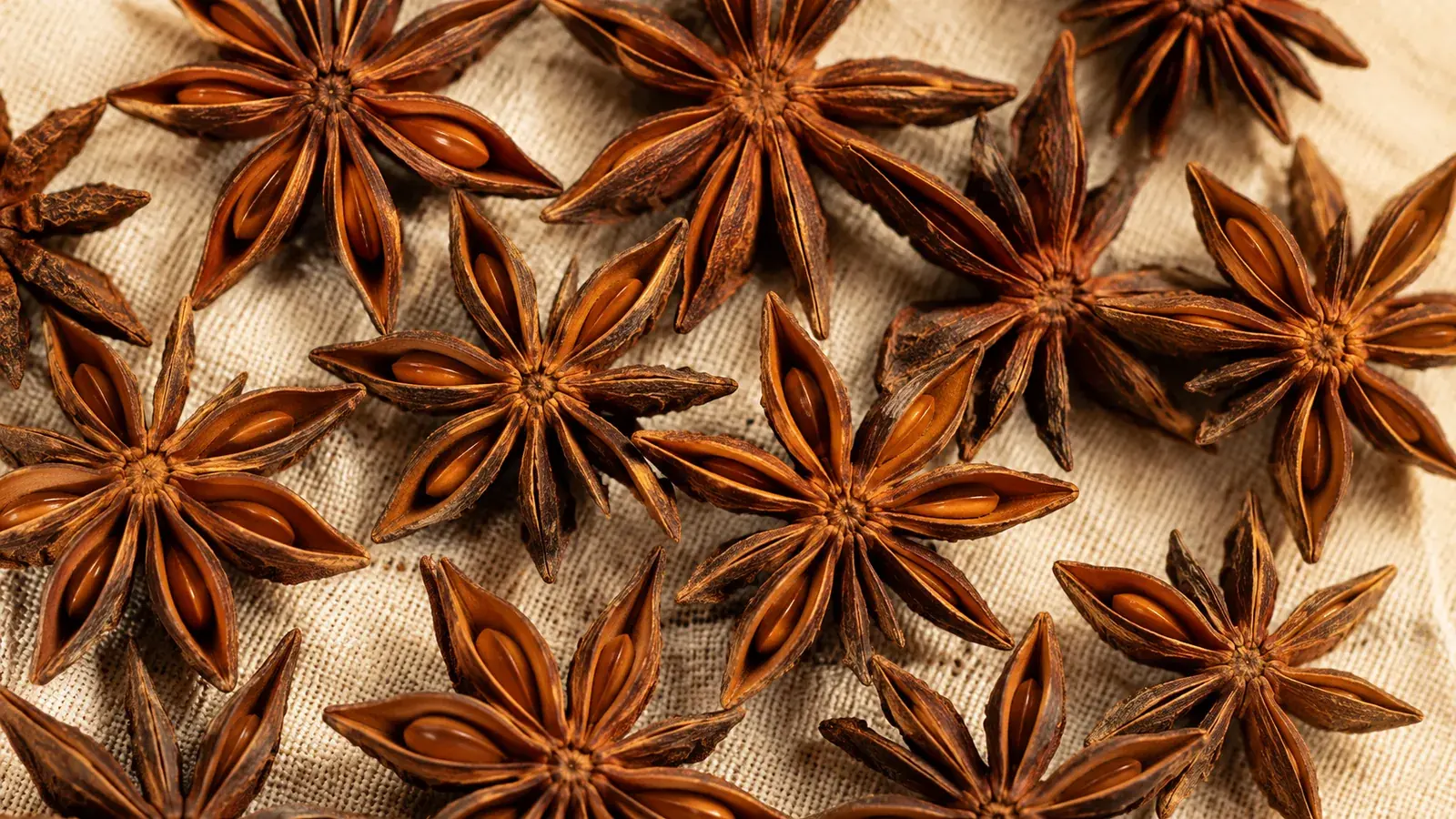
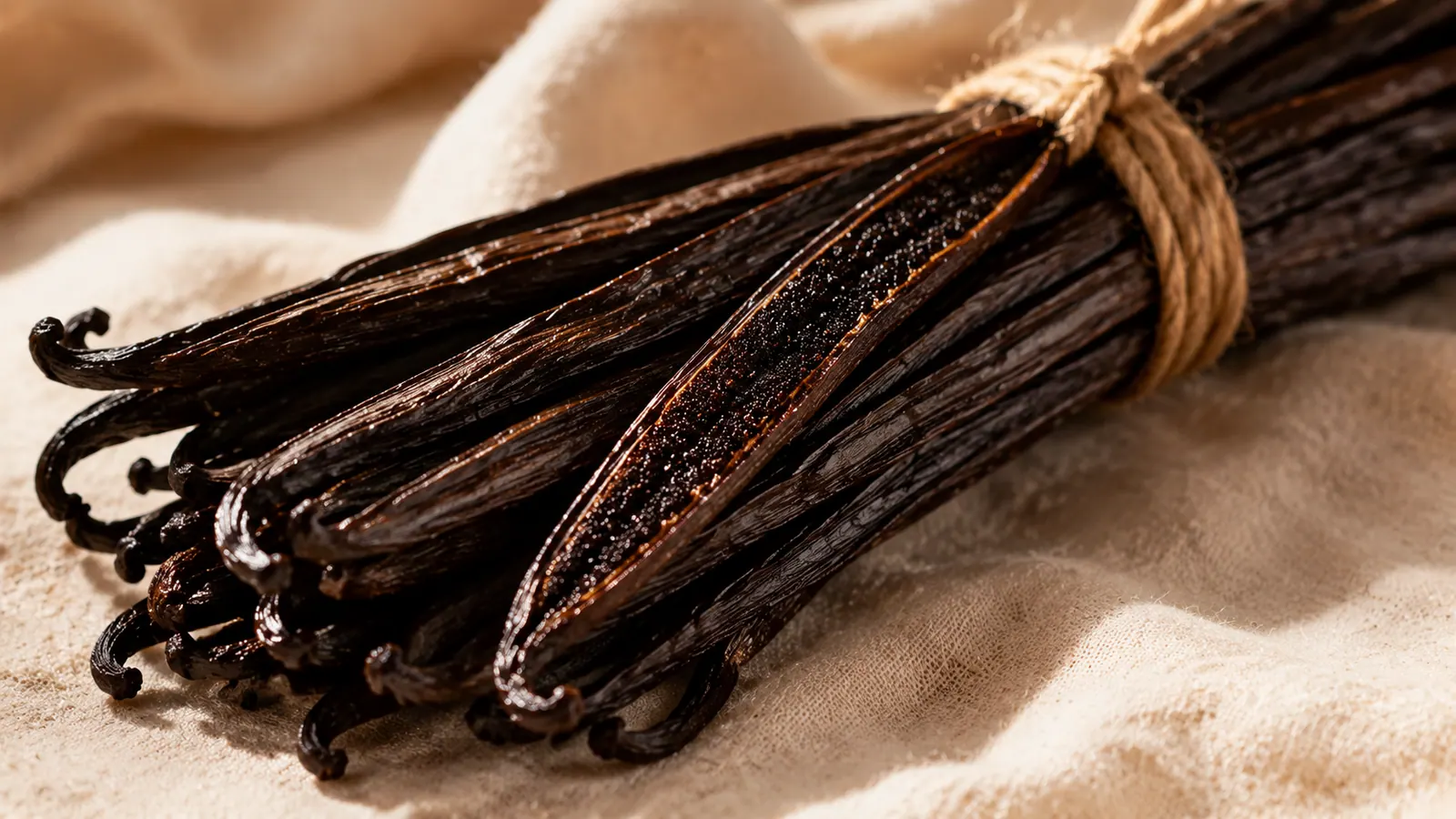
Spices we ship this industry
Compliance that bites this industry
Frequently asked
Does it matter whether we buy cassia or Ceylon cinnamon?
In the EU, yes. Cassia is high-coumarin, Ceylon cinnamon is very low, and India schedules them as separate spices. Do not sell or buy cassia as "cinnamon" into the EU. Name the botanical species on the spec.
What is the aflatoxin limit we should write in?
The EU sets aflatoxin B1 at 5 µg/kg and total aflatoxins at 10 µg/kg for spices including nutmeg, ginger and turmeric (eurlex915). Write the limit and the test frequency, and require the certificate against the shipped lot.
Do you hold a bakery-relevant food safety certification?
No. YouPals is a sourcing desk and holds no certification. Any BRCGS or FSSC scope belongs to the third-party processor handling a given lot, and we pass through that facility's live certificate for you to verify.
Buying for the bakery industry? Send us your spec sheet — or tell us the application and we will spec it with you, then quote it.
Request a quoteWhat this page does not tell you
- Coumarin content of specific cassia lots
- Cassia is high-coumarin and Ceylon cinnamon very low, but we hold no sourced per-lot coumarin figure and will not state one. Specify testing on the offered lot.
- Aroma retention through bake
- How much volatile survives depends on your time, temperature and dough. We have no dated study for it and will not publish a retention percentage.
Sources
- Reg. (EU) 2023/915 — maximum levels for certain contaminants· Tier 1, retrieved 2026-07-16
- Spices Board Act, 1986 — Schedule of spices· Tier 1, retrieved 2026-07-16