Industry
Spices for meat & poultry processing
A meat processor adds spice to a raw, high-moisture, protein-rich matrix that will not be cooked before it reaches the consumer in every case, which makes the microbial specification the whole negotiation.
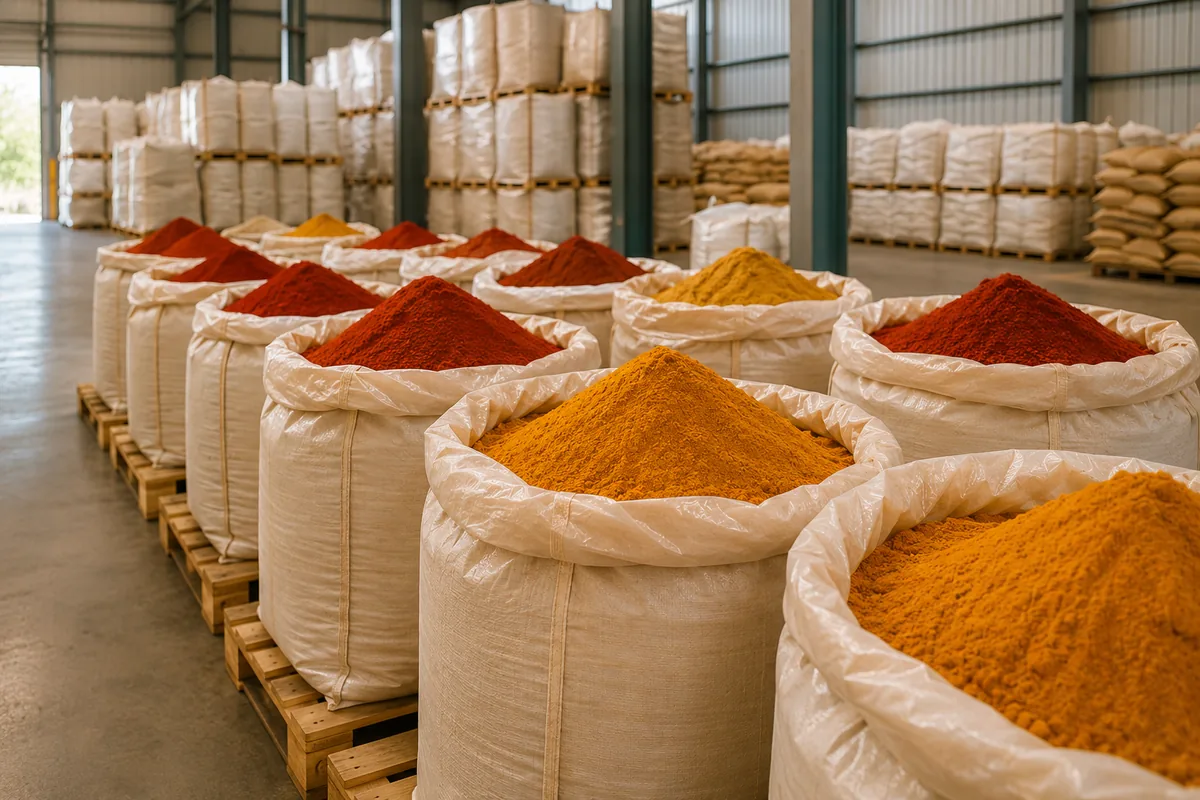
What spices does meat and poultry processors buy from India?
A meat processor adds spice to a raw, high-moisture, protein-rich matrix that will not be cooked before it reaches the consumer in every case, which makes the microbial specification the whole negotiation.
What meat and poultry processors buys
Meat and poultry processing is the segment where the microbiology comes first and everything else is secondary. Spice goes into ground raw product, marinades, brines and cures, sits in a matrix with high water activity and abundant protein, and in the case of fresh sausage or a marinated portion it may reach the consumer without a kill step in between. Any pathogen load arriving on the spice arrives in the product, so the incoming specification is written around the microbial numbers, not the flavour.
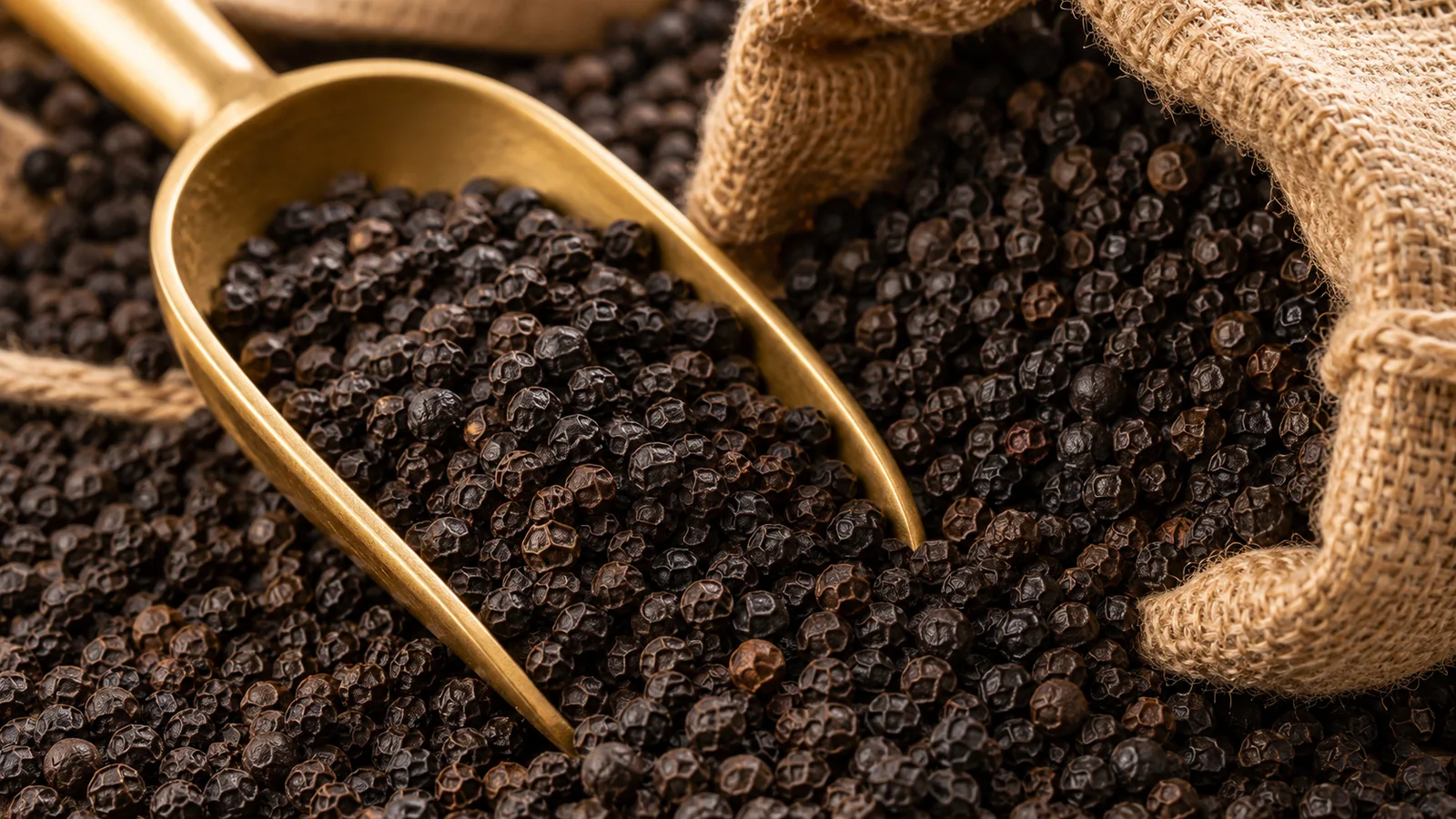
That is not theoretical. Under EU rules Salmonella must be absent in 25 g (eurlex915), and Reg. (EU) 2019/1793 places Indian black pepper under increased official controls at a 50% check rate specifically for Salmonella (eurlex1793). Black pepper is the single most-used spice in this industry. A processor who buys Indian pepper without pinning the sterilisation route and the microbial dossier on the contract face is buying a coin flip at the border and then at the plant.
The other axis is nitrogen and function. Spices here are doing work beyond flavour: they interact with cure systems, water binding and fat, and the specification usually carries function-relevant clauses like grind for even dispersion through mince and freedom from extraneous matter that will show up as a black speck in a pale emulsion. Steam sterilisation is the only route worth discussing, since ETO is banned in the EU and holds a 0.1 mg/kg default limit (eurlex915). YouPals coordinates that step with vetted third-party processors and owns no facility.
What this industry specifies
Put these on the contract and the lot is repeatable. Leave them off and you are buying on hope.
- Salmonella absent in 25 g with the method and lab named, and the certificate issued against the shipped lot number rather than a generic annual test (eurlex915).
- Total plate count, Enterobacteriaceae and E. coli ceilings, agreed as numbers on the contract before the first sample ships.
- Steam sterilisation validated and declared, ETO excluded in writing. Indian black pepper sits at a 50% EU border check rate for Salmonella (eurlex1793), so the dossier travels with the container.
- Bulk density and mesh consistent enough that the spice disperses evenly through mince rather than streaking.
- Extraneous matter and foreign body limits, with metal detection and sieve declarations from the third-party processor.
- Moisture and water activity ceilings, since your matrix is already wet and the spice must not add free water to the cure.
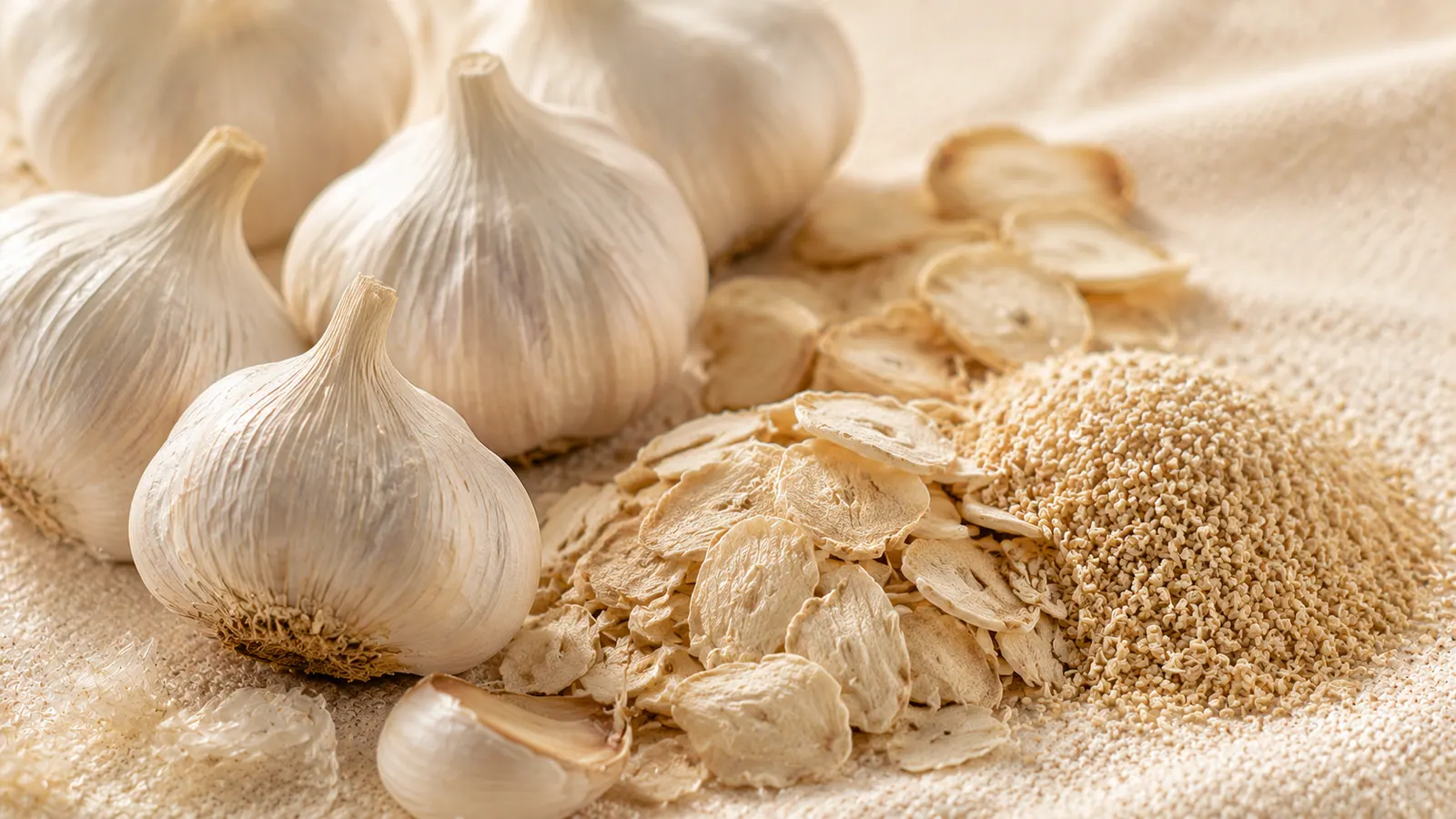
- Allergen and cross-contact status, particularly mustard, garlic and celery-adjacent inputs that appear on EU labels.
- Traceability to the origin lot, with retention samples held for the shelf life of the finished pack.
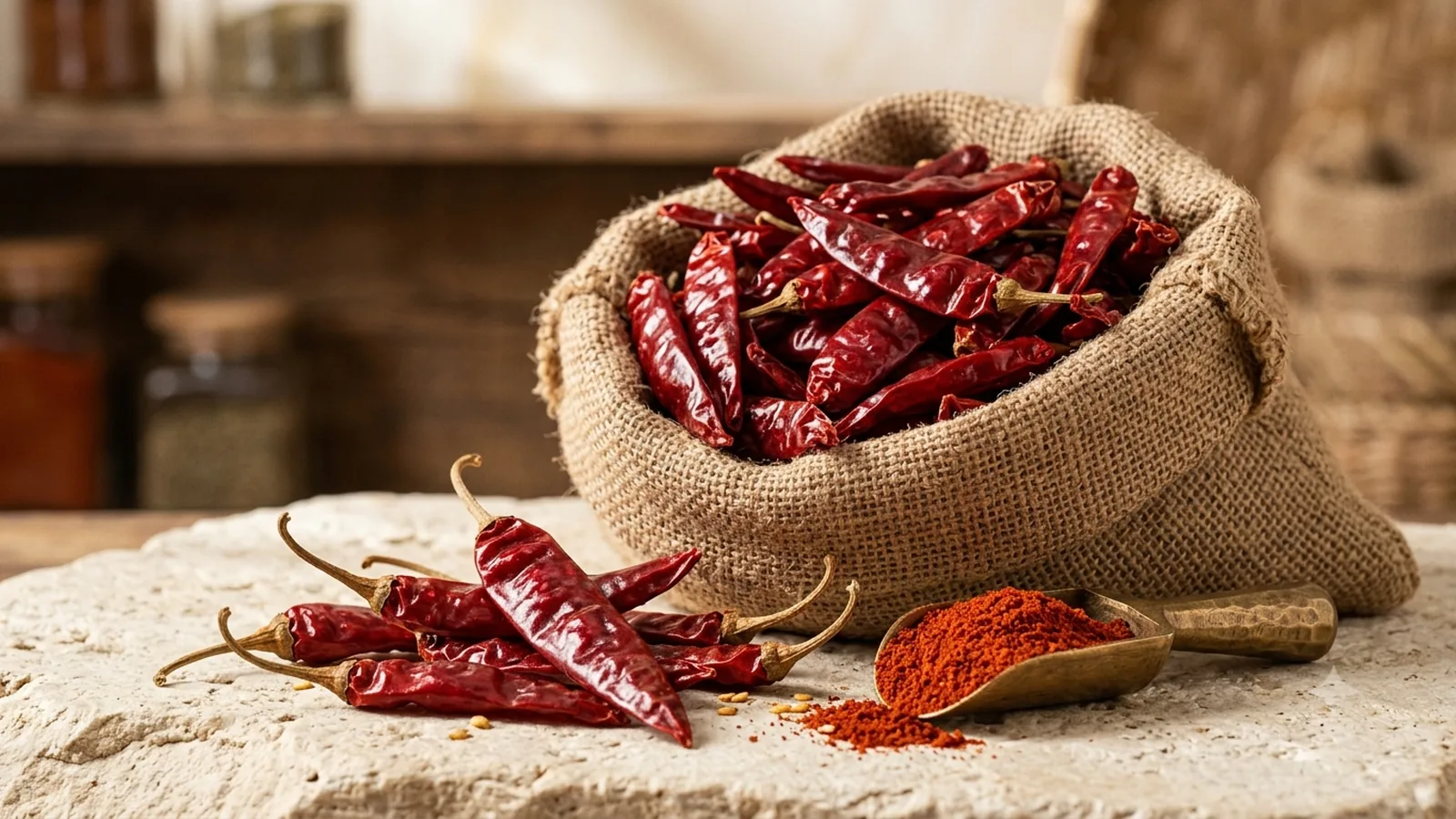
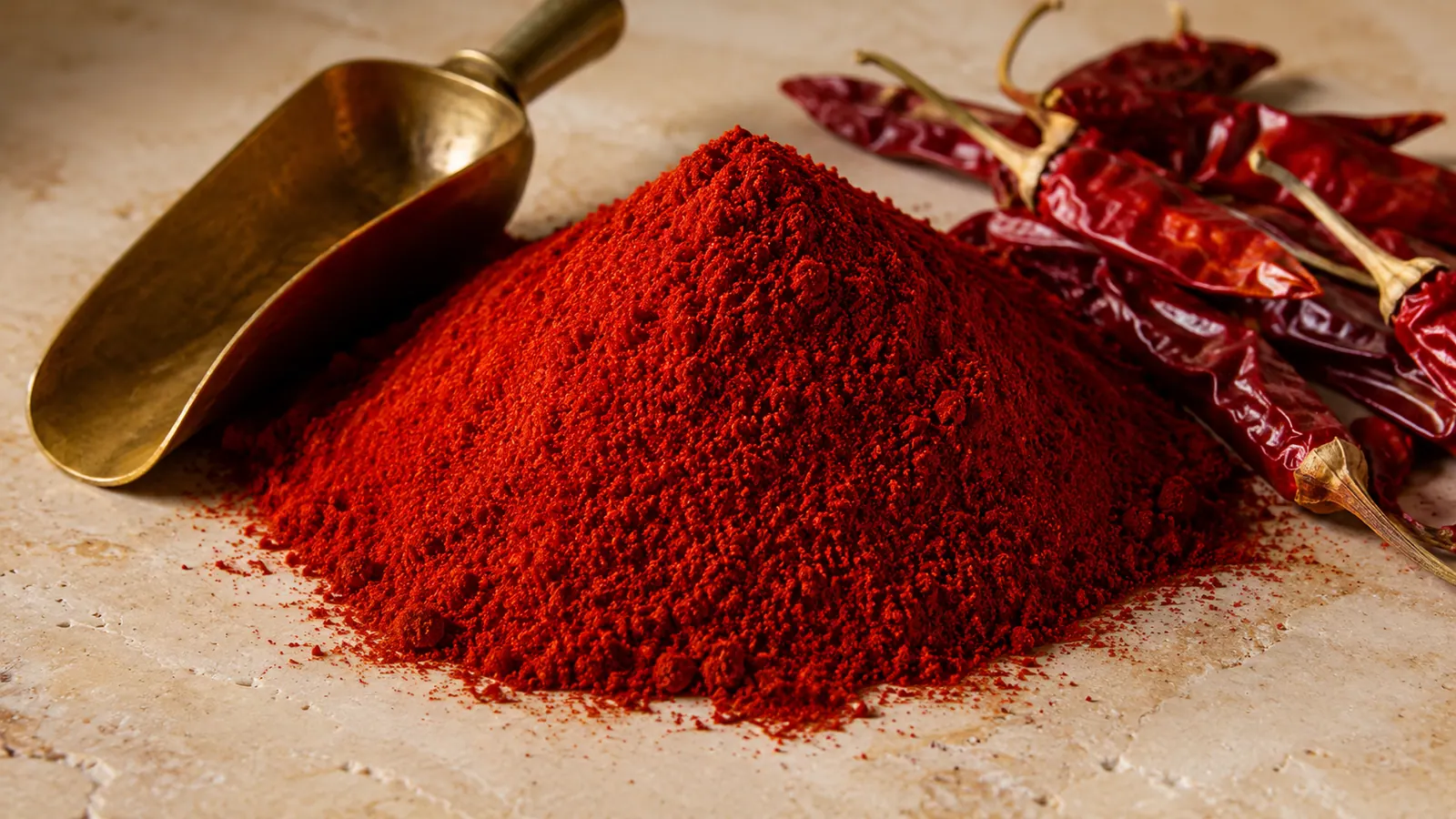
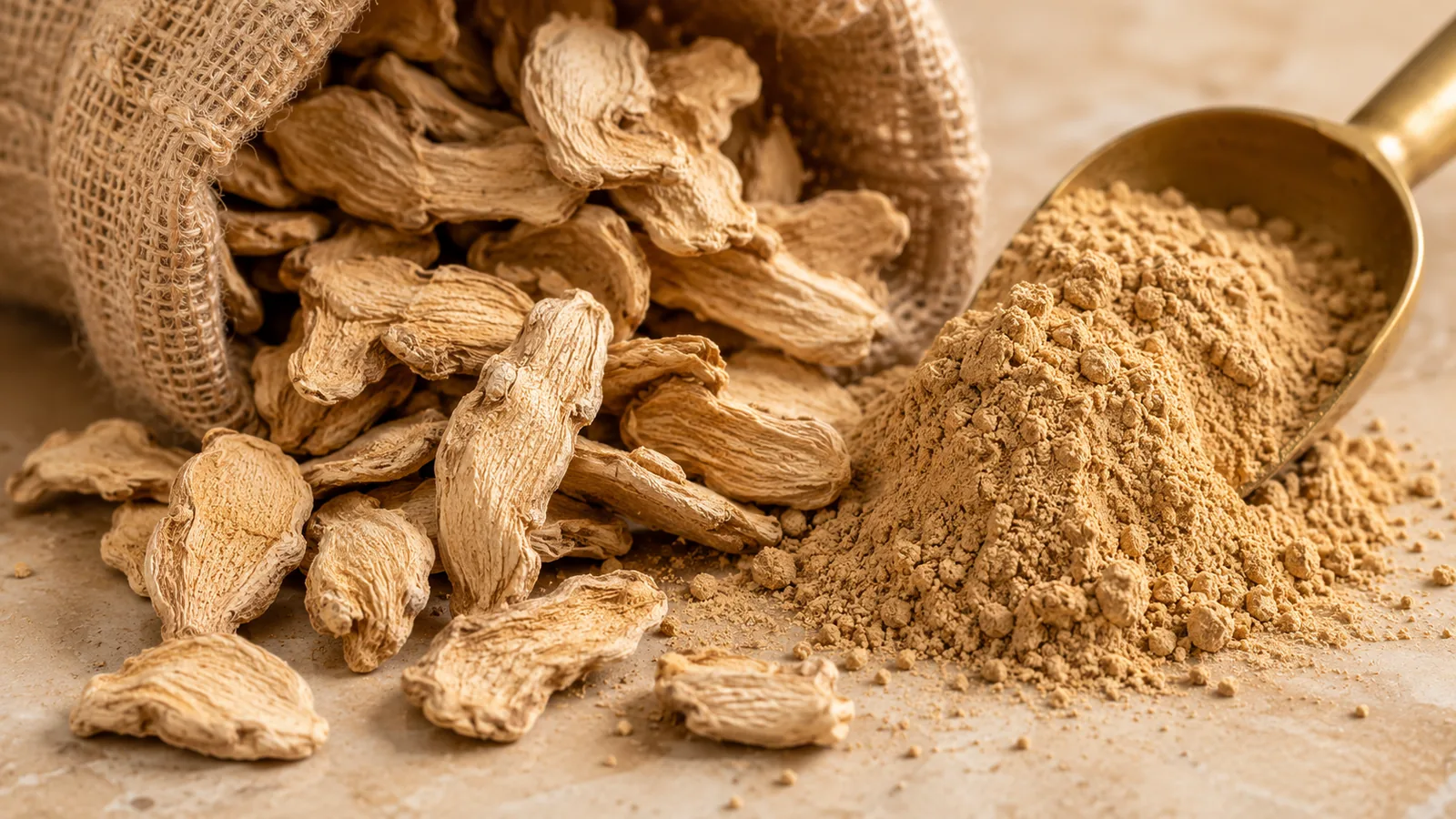
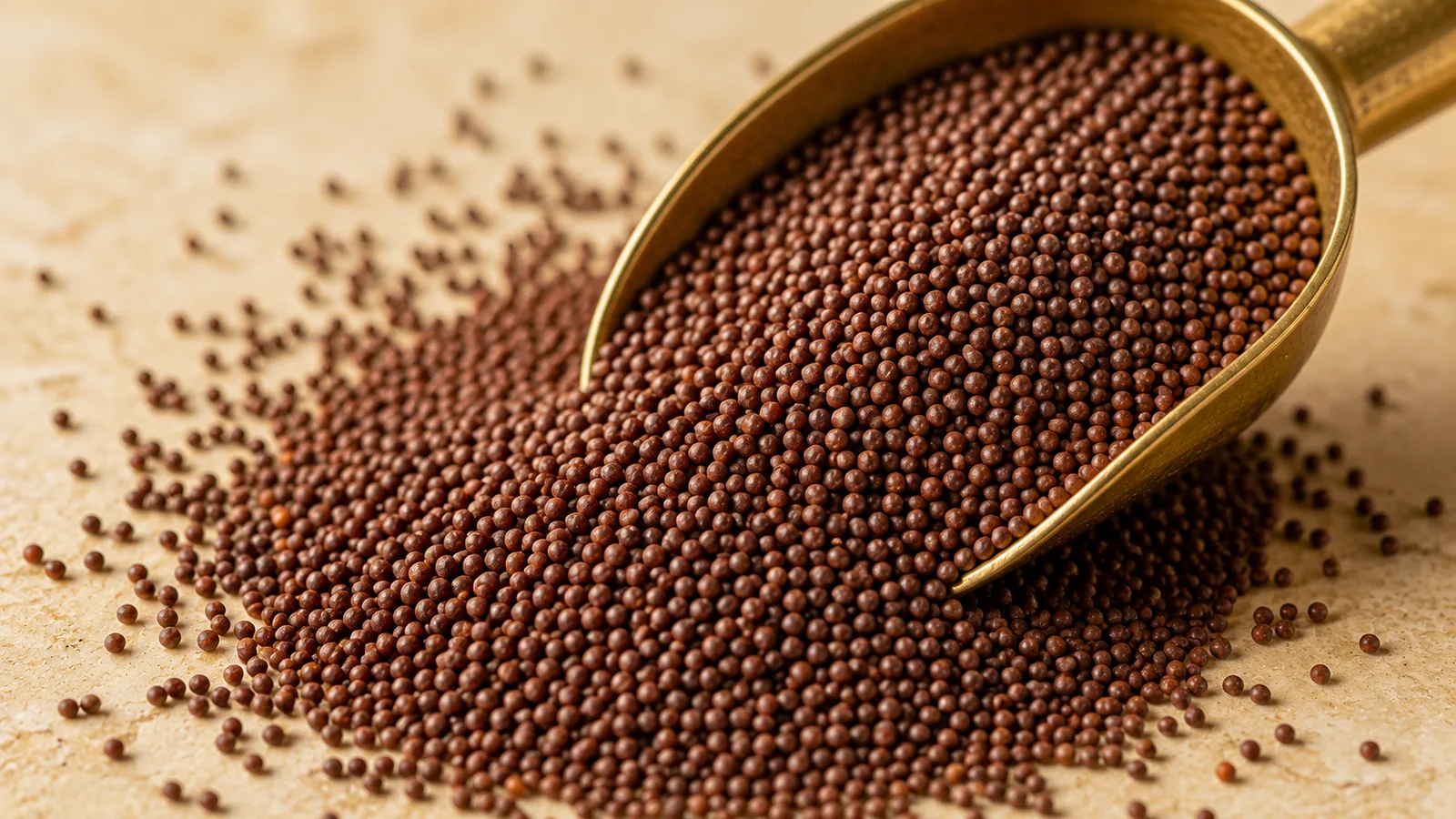
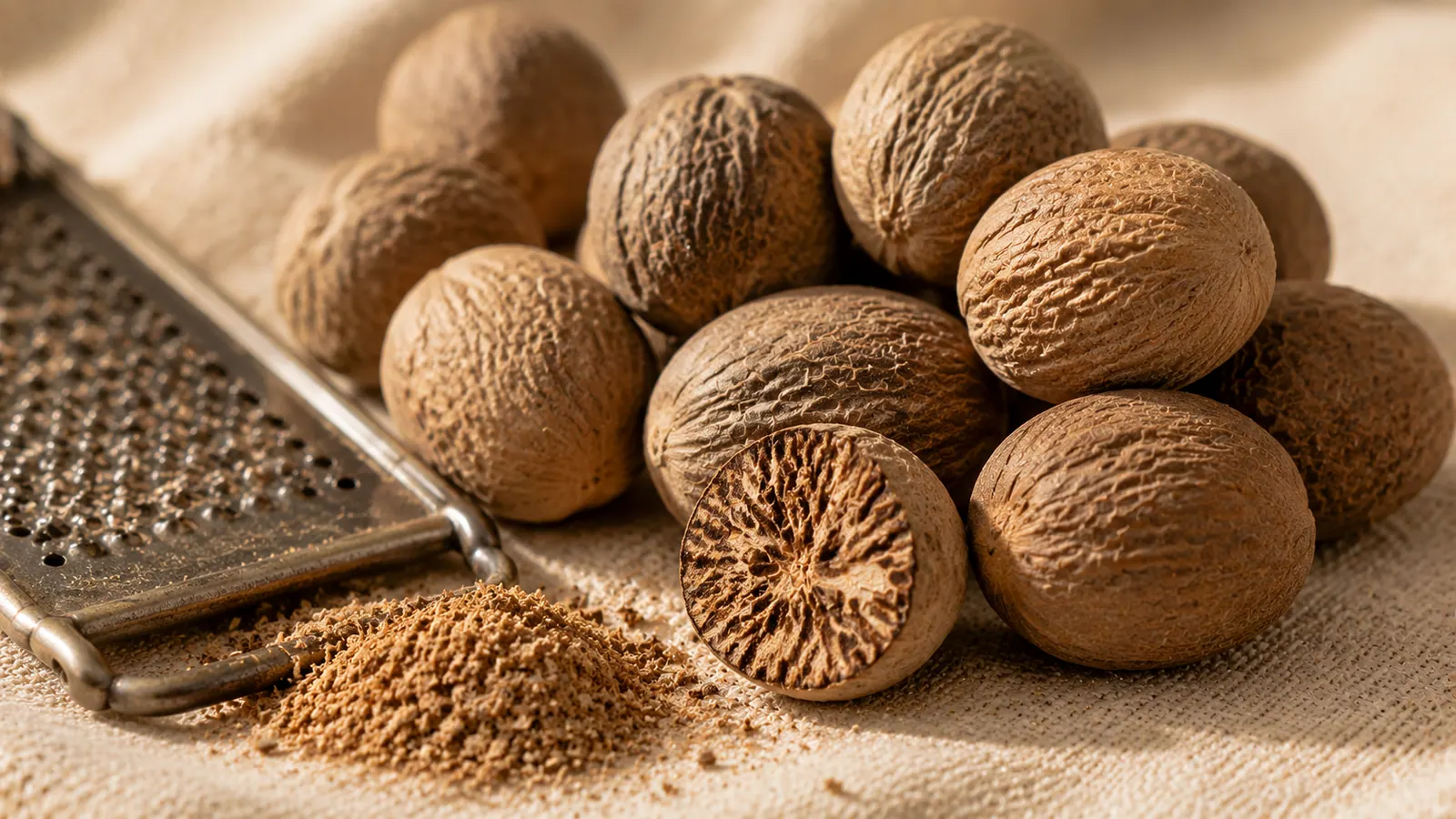
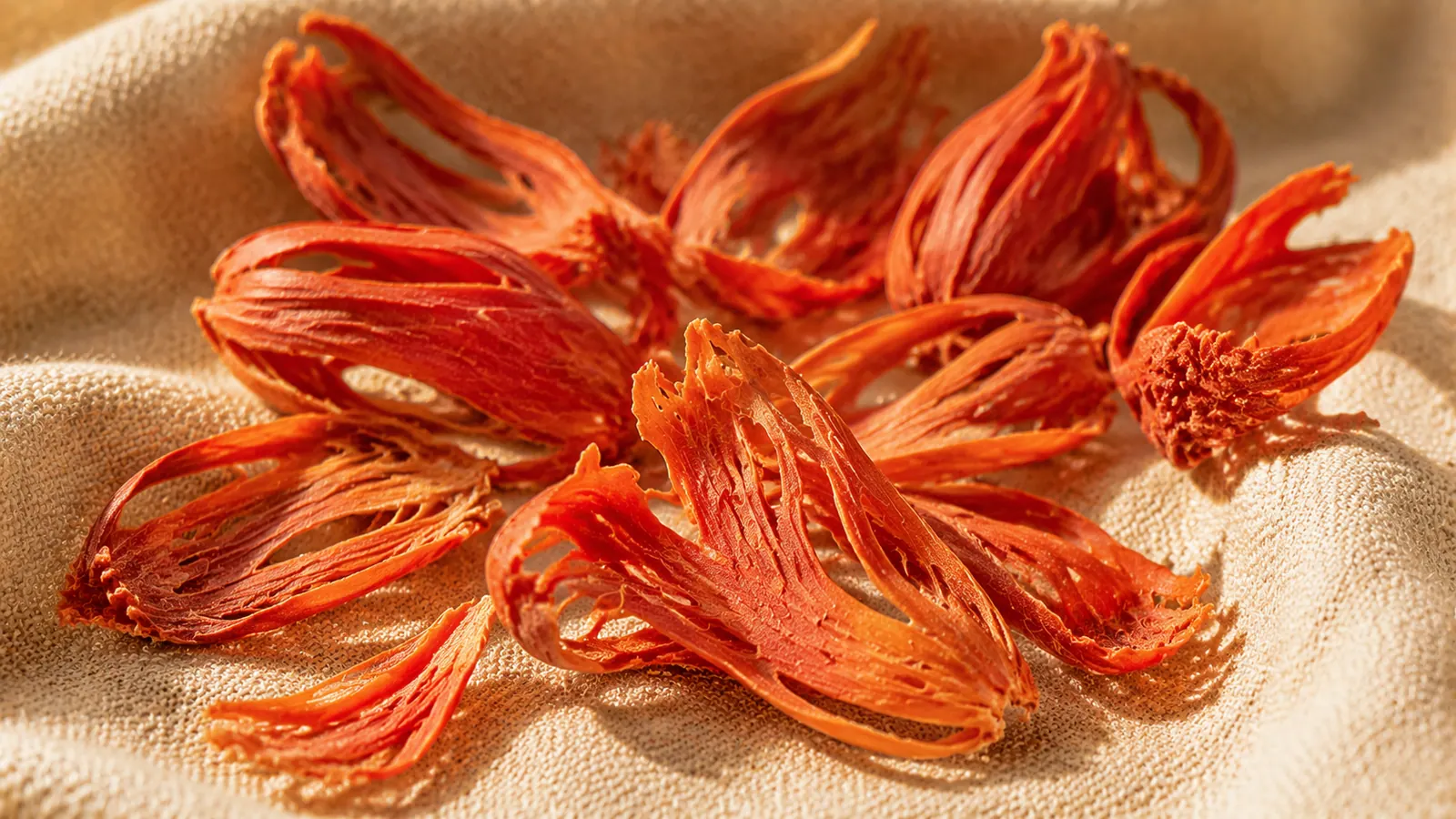
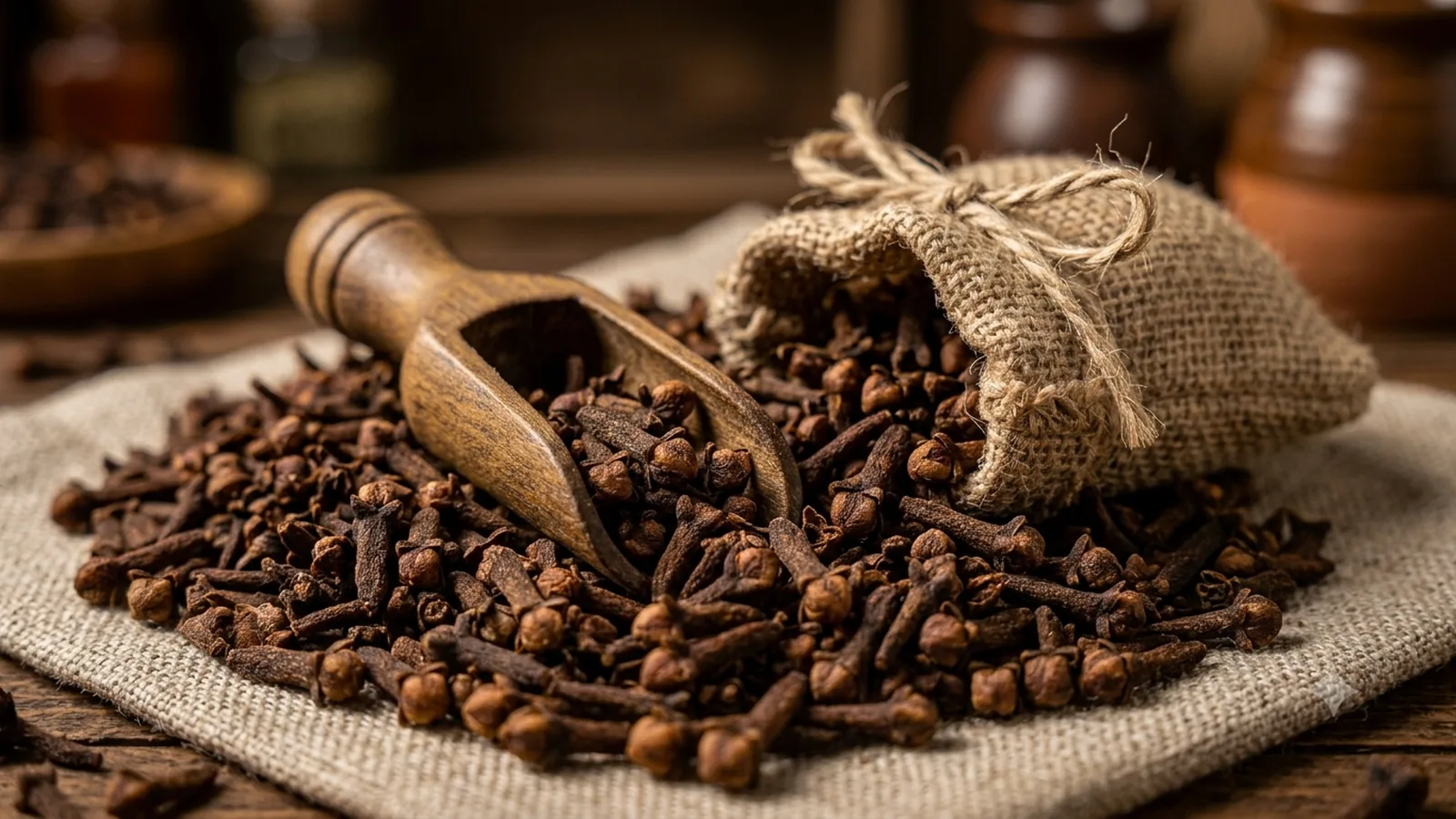
Spices we ship this industry
Compliance that bites this industry
Frequently asked
Is Indian black pepper worth the border risk?
It is if the microbial dossier is real. Reg. (EU) 2019/1793 puts Indian black pepper at a 50% check rate for Salmonella (eurlex1793) and the EU limit is absent in 25 g (eurlex915). Validated steam sterilisation plus lot-level testing is the answer.
What pepper grade should a sausage spec name?
Name bulk density, not just origin. MG1 (Malabar Garbled) runs about 500–550 g/l and TGEB (Tellicherry Garbled Extra Bold) 550+ g/l (spicesBoard). Density drives your dosing and your visible speck size.
Can you certify the sterilisation?
No. YouPals holds no certification and owns no steriliser. Sterilisation is coordinated with vetted third-party processors, and we pass through that facility's validation records and the lot-level test results with the shipment.
Buying for meat and poultry processors? Send us your spec sheet — or tell us the application and we will spec it with you, then quote it.
Request a quoteWhat this page does not tell you
- Antimicrobial or shelf-life effect of spices in meat
- Some spices are studied for antimicrobial activity, but we hold no dated source that supports a claim in your specific matrix and will not let a functional claim into a purchase document.
- US microbial refusal rates by spice
- Salmonella-driven FDA refusals rose across 2024-25 (fdaFsvp), but we have no per-spice breakdown from a primary source and will not construct one.
Sources
- Reg. (EU) 2023/915 — maximum levels for certain contaminants· Tier 1, retrieved 2026-07-16
- Reg. (EU) 2019/1793 — temporary increase of official controls· Tier 1, retrieved 2026-07-16
- Spices Board of India — Export statistics· Tier 1, retrieved 2026-07-16
- FDA — Foreign Supplier Verification Programs· Tier 1, retrieved 2026-07-16