Industry
Spices for beverage
Beverage is the only spice industry where the buyer usually does not want the spice, only its extract, because a particle in a clear bottle is a defect no matter how good it tastes.
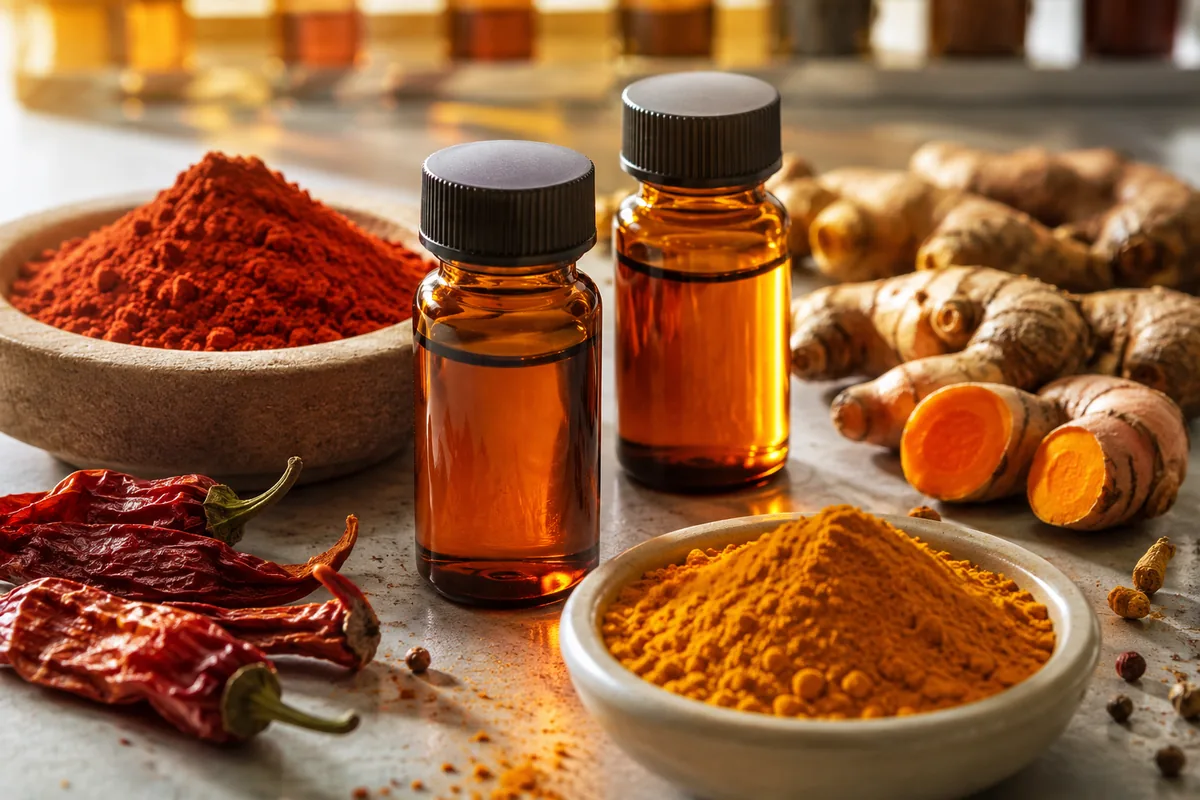
What spices does the beverage industry buy from India?
Beverage is the only spice industry where the buyer usually does not want the spice, only its extract, because a particle in a clear bottle is a defect no matter how good it tastes.
What the beverage industry buys
The beverage industry buys spice to take it apart. Chai concentrates, masala sodas, spiced spirits, botanical waters and RTD teas all want the aromatic and the pungency without the solids, so the material is extracted, infused or bought as an oleoresin, and the particulate is filtered out. This inverts the usual specification. Mesh becomes an extraction-efficiency variable rather than a mouthfeel one, and volatile oil content becomes the thing you are actually paying for rather than a nice-to-have on the COA.
That matters commercially, because spice oils and oleoresins are a large and distinct part of India's export basket. In FY2025-26 spice oils and oleoresins accounted for 12% of India's spice export value, level with cumin and behind only chilli at 27% (spicesBoard). Beverage buyers sit largely in that 12%, and they are buying against a different supply chain than the one that ships 25 kg bags of ground chilli.
The compliance profile shifts too. Water-extraction concentrates whatever is soluble, which means pesticide residues and mycotoxins deserve more attention than a dose-rate-adjusted calculation suggests. Cumin is a live example: Reg. (EU) 2019/1793 raised Indian cumin to a 30% border check rate for pesticides in January 2025 (eurlex1793), and the pyrrolizidine alkaloid limit of 400 µg/kg applies to cumin and dried herbs (eurlex915). YouPals sources against those limits and coordinates any processing with vetted third parties; it operates no extraction plant.
What this industry specifies
Put these on the contract and the lot is repeatable. Leave them off and you are buying on hope.
- Volatile oil percentage, which is the active you are actually buying, with the method and lab named.
- Mesh band set for extraction yield and filterability rather than for mouthfeel.
- Pesticide residue panel against the destination MRL. Indian cumin sits at a 30% EU check rate for pesticides as of January 2025 (eurlex1793).
- Pyrrolizidine alkaloids where cumin or dried herbs are in the recipe: the EU limit is 400 µg/kg (eurlex915).
- Mycotoxin panel, because water extraction concentrates the soluble fraction rather than diluting it.
- Colour and clarity of the extract or infusion, plus a sediment or haze limit if the pack is glass or PET.
- Microbial specification appropriate to your process: hot-fill and cold-fill carry different exposures, and cold-fill carries the harder one.
- Origin and varietal locked, since aroma profile shifts by origin and a beverage panel will hear it before the lab reports it.
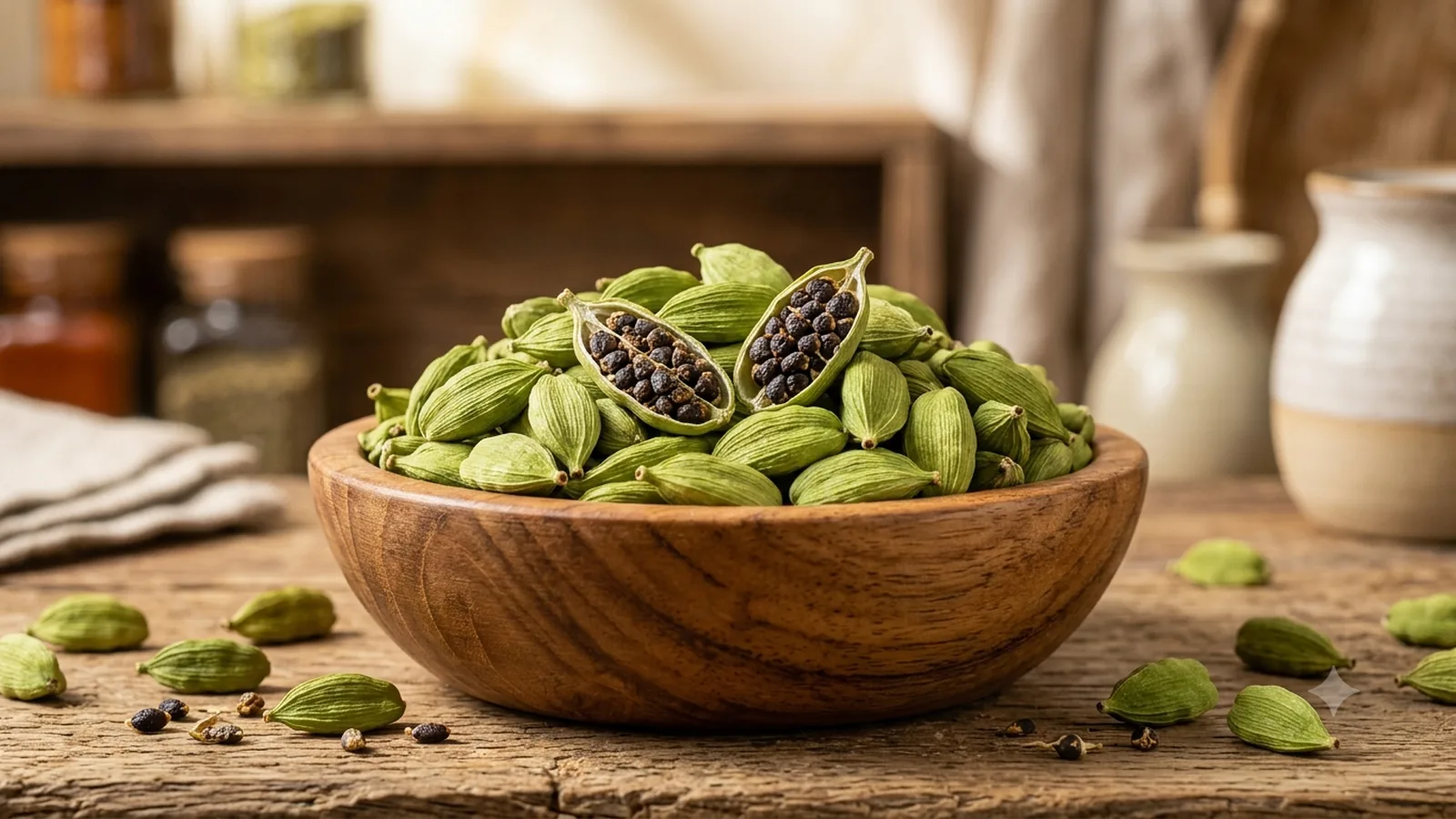
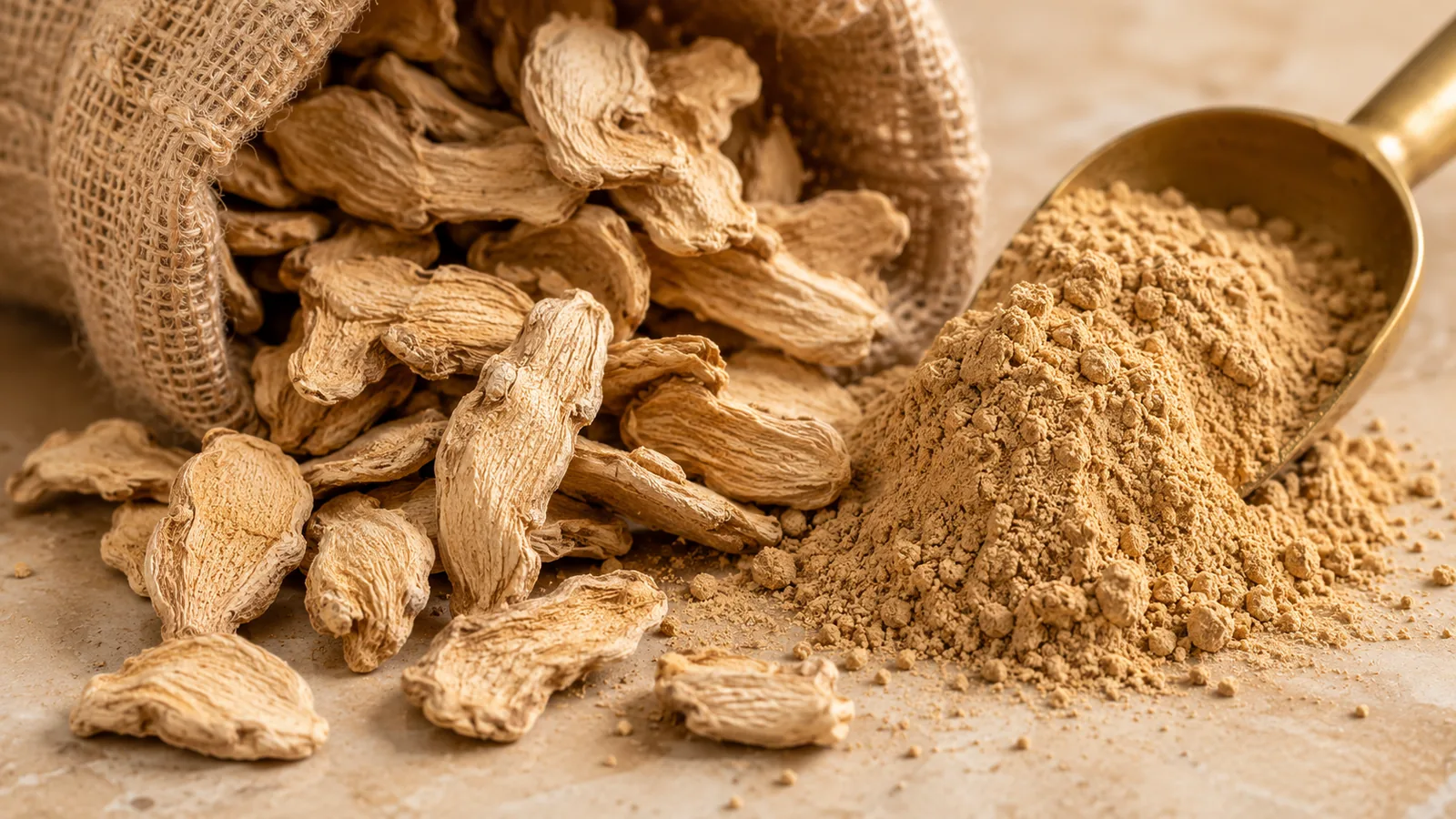
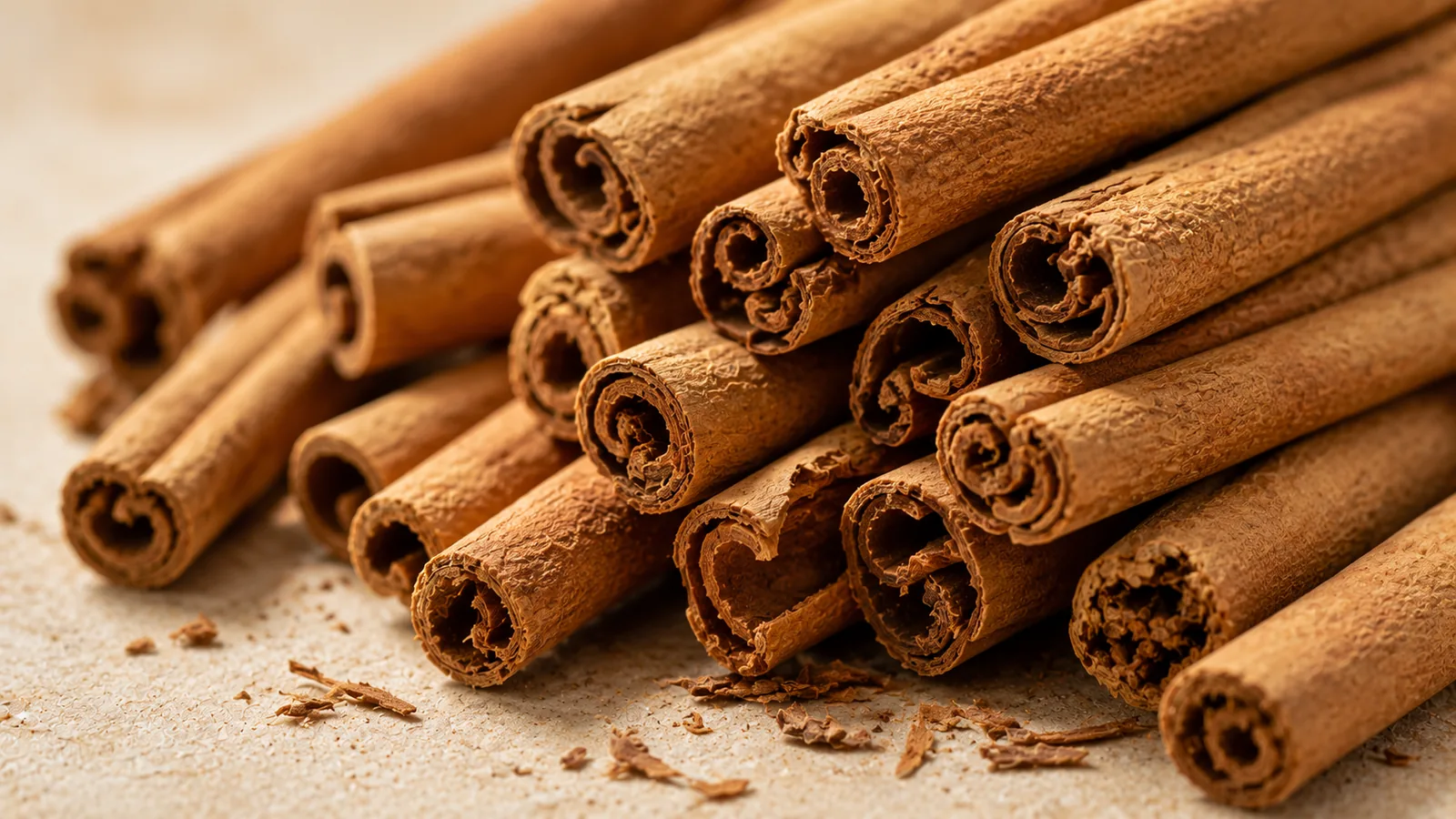
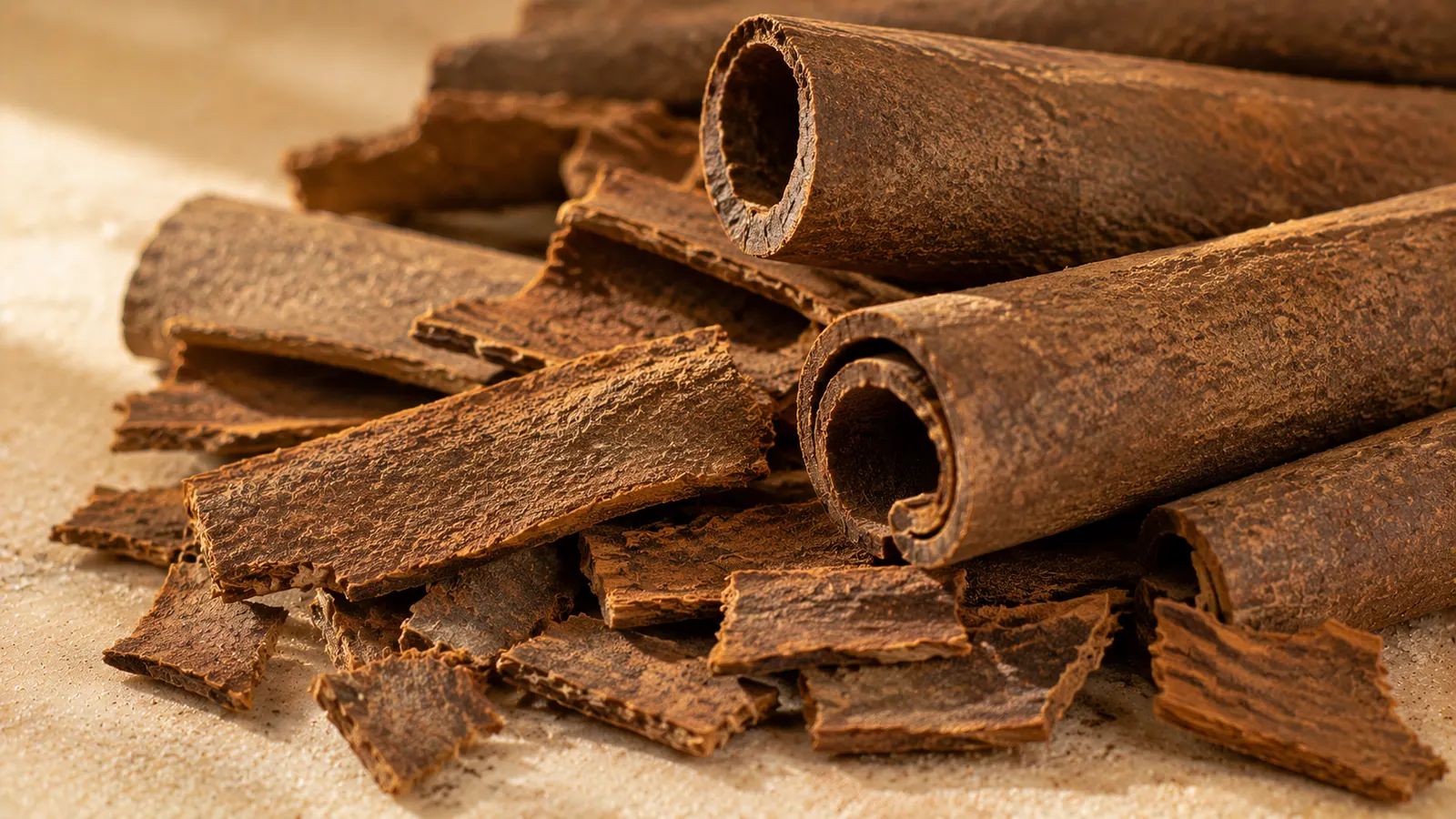
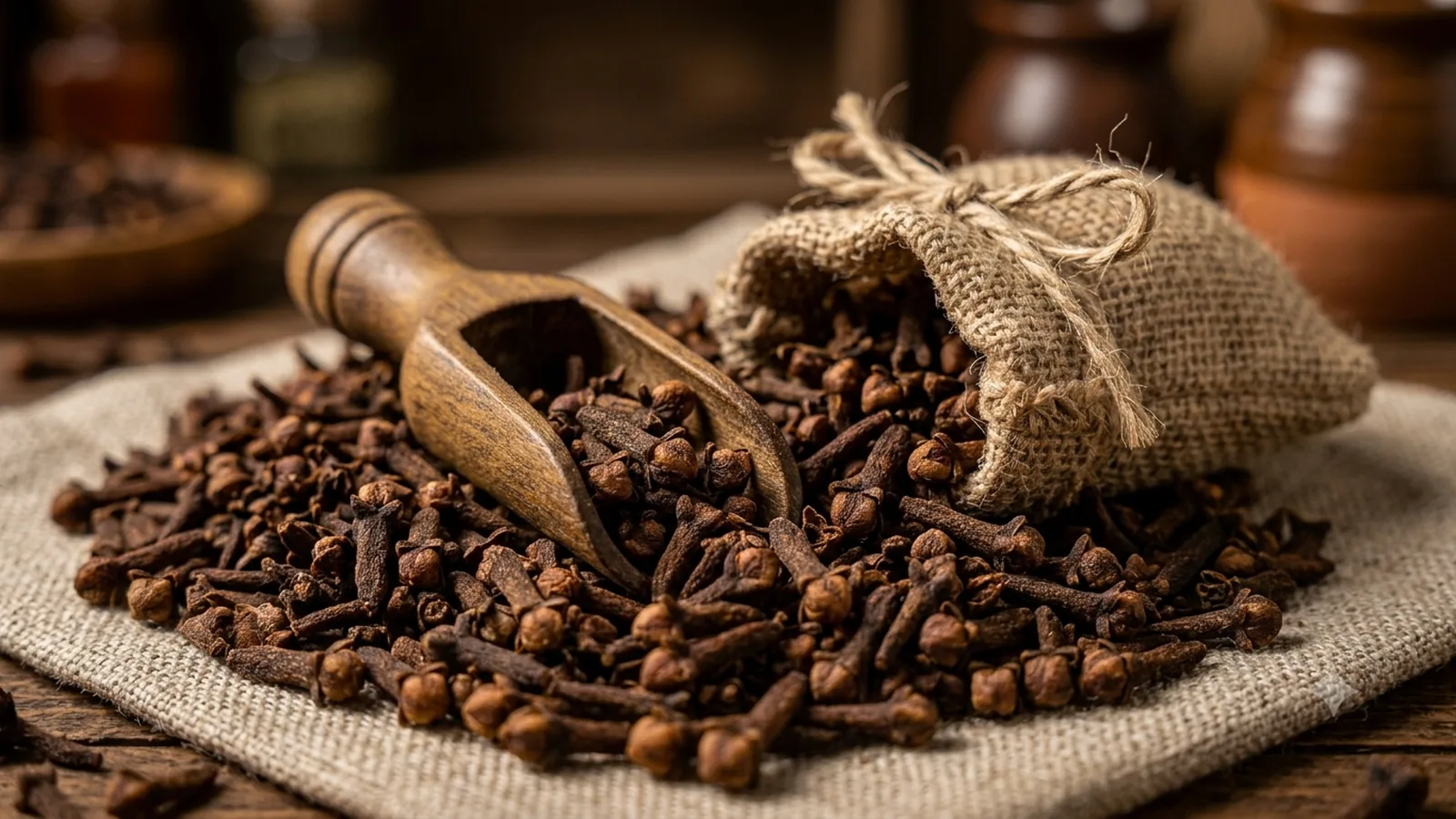
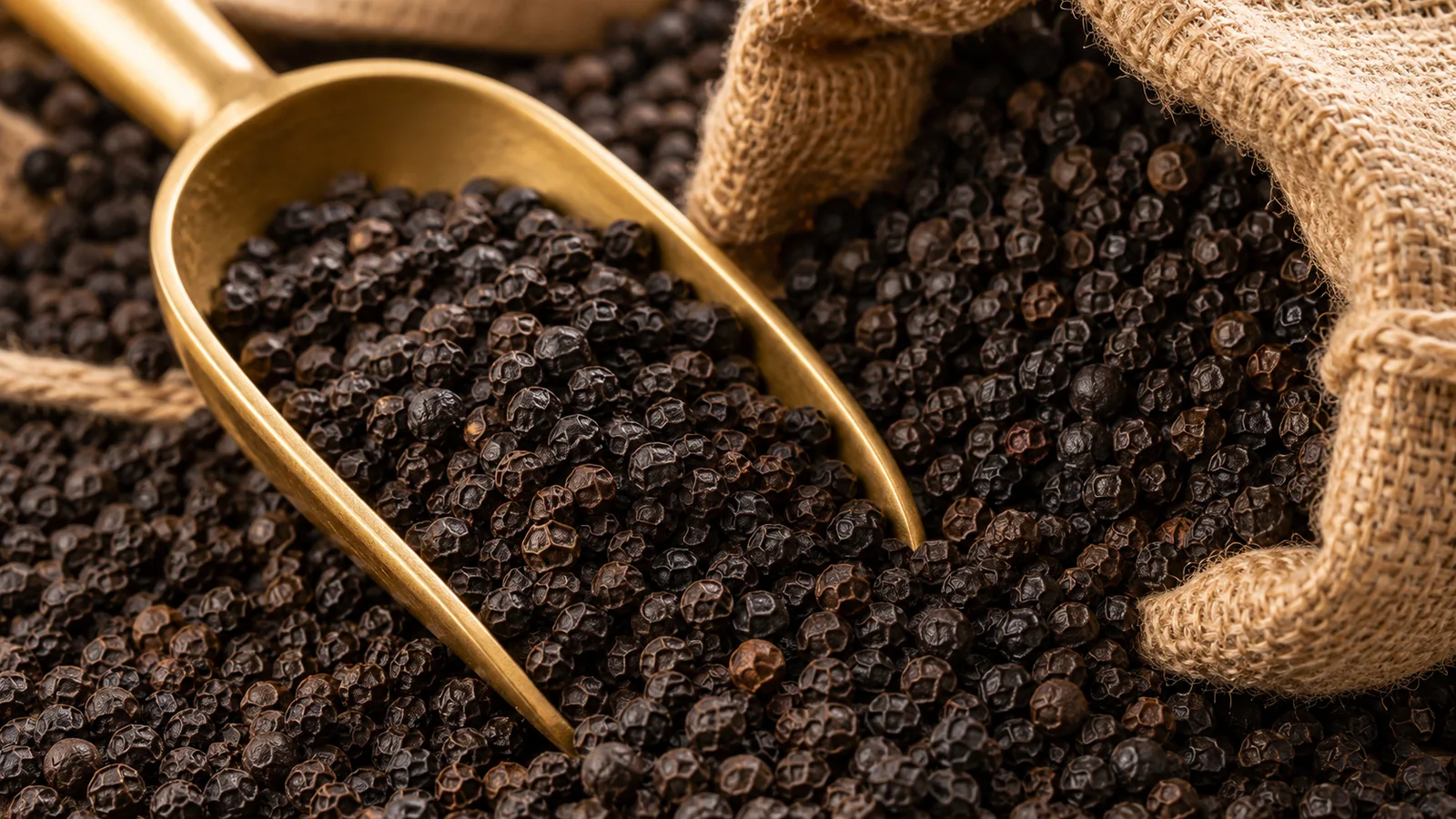
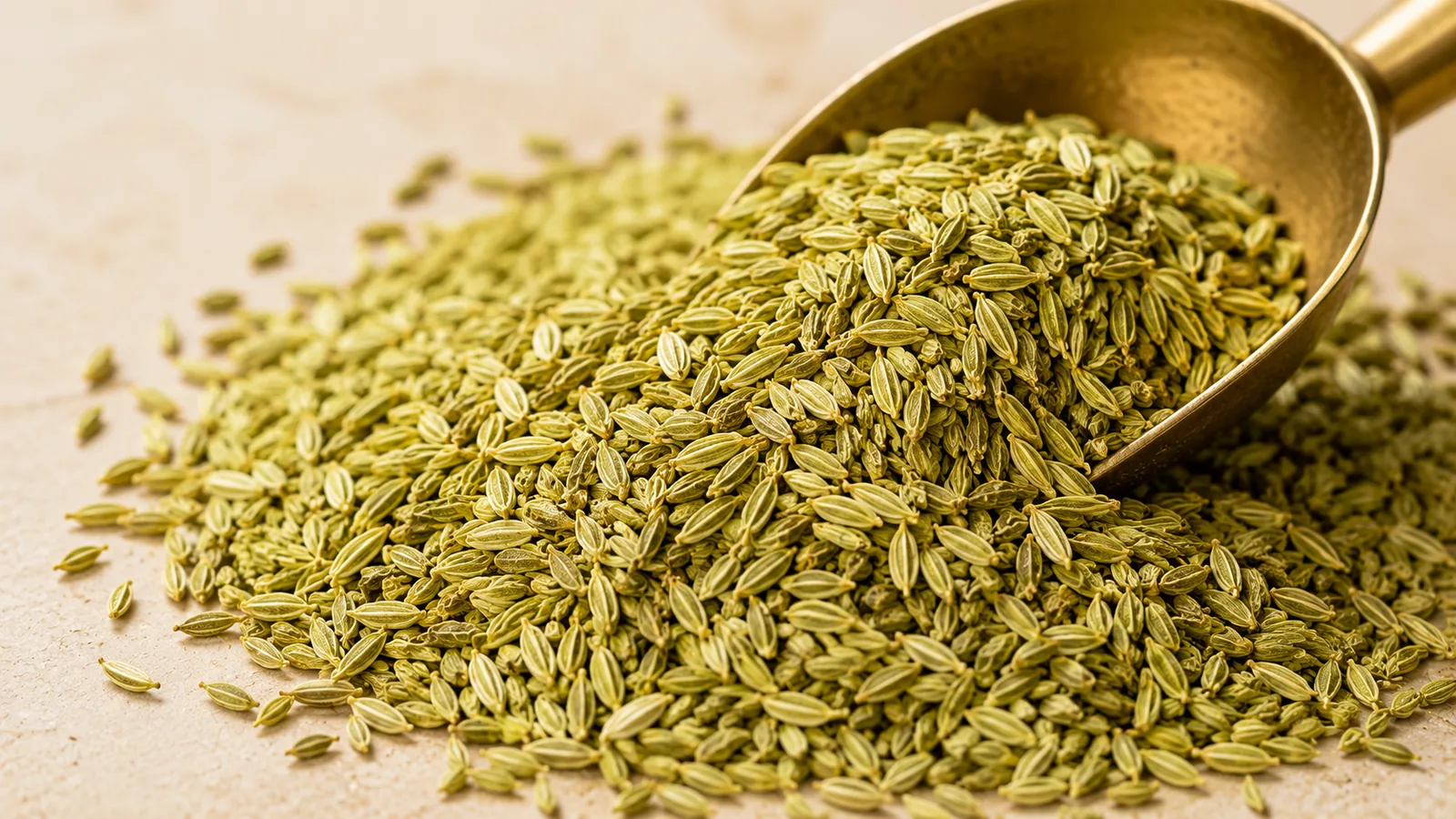
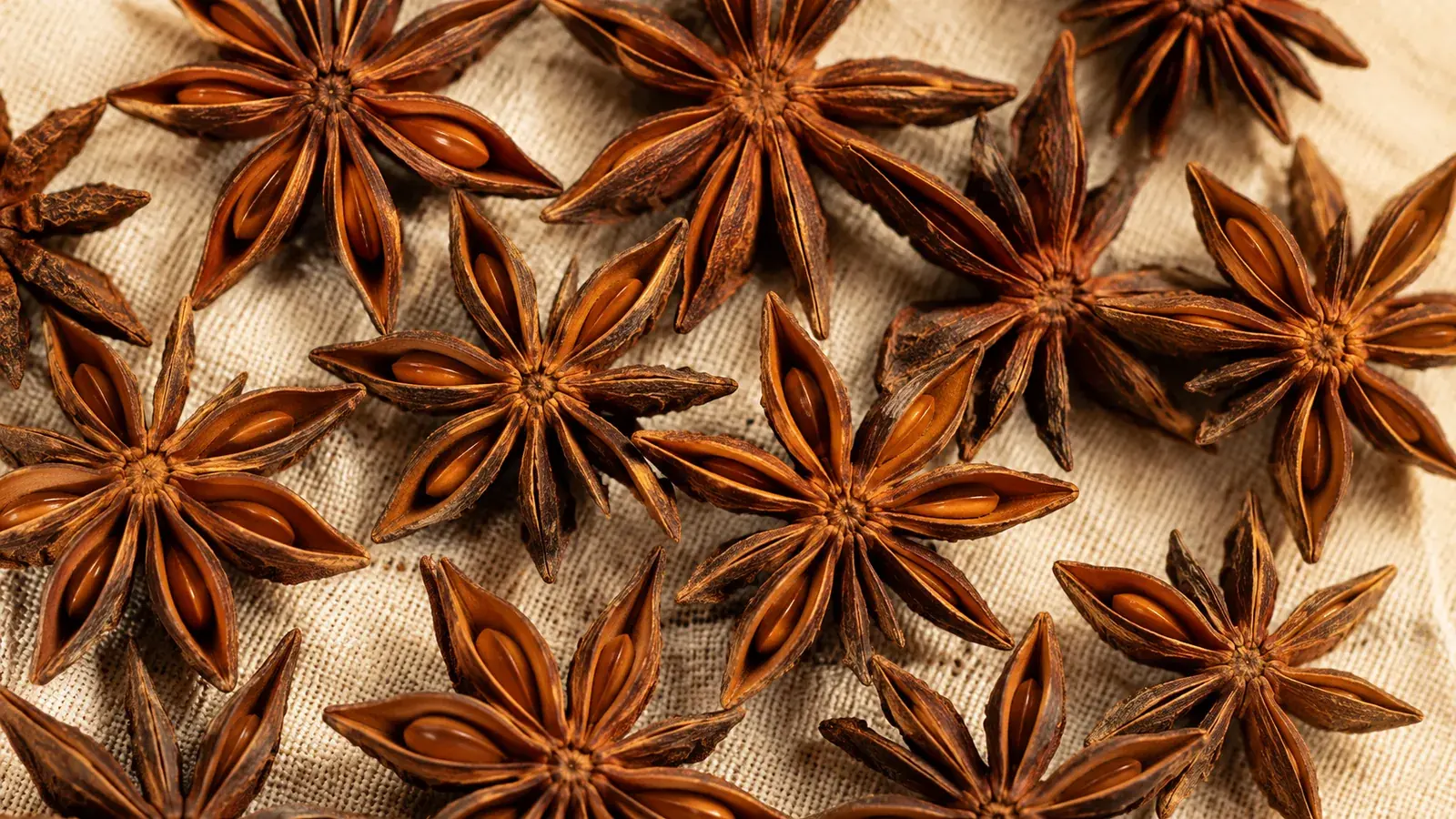
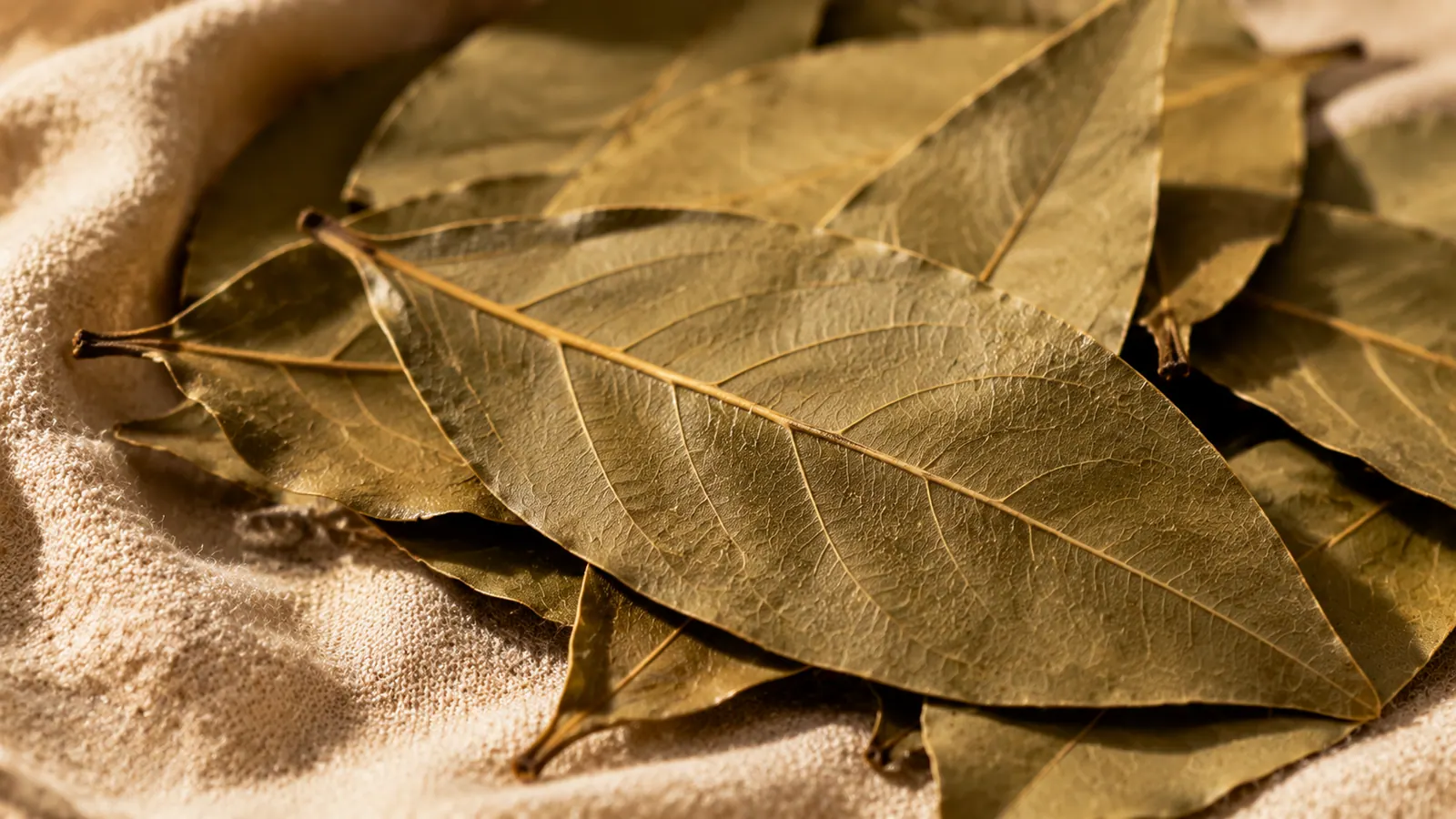
Spices we ship this industry
Compliance that bites this industry
Frequently asked
Why is pesticide residue a bigger deal for beverage than for dry blends?
Because extraction concentrates the soluble fraction instead of diluting it. Indian cumin was raised to a 30% EU border check rate for pesticides in January 2025 (eurlex1793), so specify the panel against your destination MRL, not against dose rate.
How is cardamom priced for a chai concentrate?
Cardamom is auction-priced, so there is no fixed price to quote. Grades run 6mm, 7mm, 8mm and AGEB bold (spicesBoard). For extraction, size matters less than volatile oil, so specify the oil not the sieve.
Do you produce oleoresins?
No. YouPals owns no extraction plant. Oleoresins and spice oils are sourced from vetted third-party processors against your specification, with their COA and facility details passed through to you.
Buying for the beverage industry? Send us your spec sheet — or tell us the application and we will spec it with you, then quote it.
Request a quoteWhat this page does not tell you
- Extraction yields and oleoresin conversion ratios
- Yield is a property of your solvent, temperature and equipment. We hold no dated source for it and will not publish a ratio a plant might size a batch against.
- Spice oil and oleoresin pricing
- These trade on a different basis than dry spice and we hold no sourced price series. We can quote against a live offer but publish no benchmark.
Sources
- Spices Board of India — Export statistics· Tier 1, retrieved 2026-07-16
- Reg. (EU) 2019/1793 — temporary increase of official controls· Tier 1, retrieved 2026-07-16
- Reg. (EU) 2023/915 — maximum levels for certain contaminants· Tier 1, retrieved 2026-07-16