Industry
Spices for instant noodles & convenience
An instant noodle sachet has to dissolve completely in boiling water in three minutes with no stirring, which makes solubility and particle size a functional requirement rather than a preference.
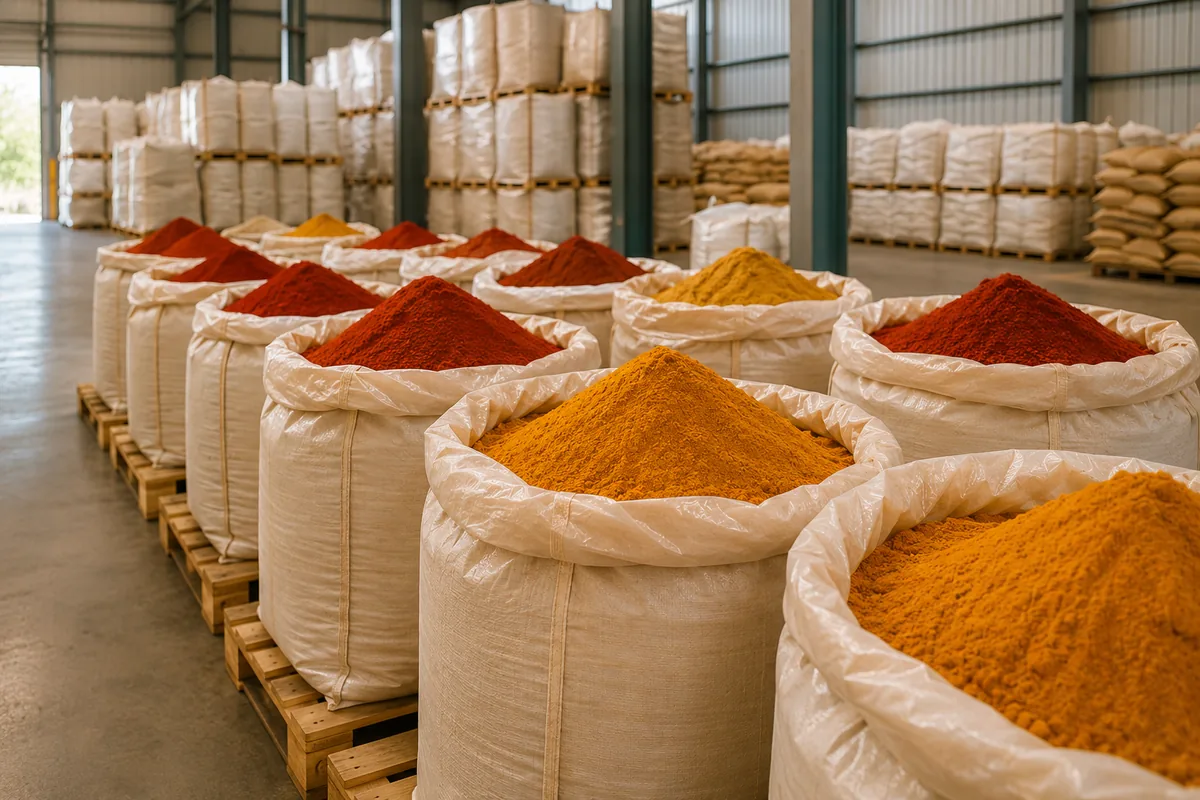
What spices does instant-noodle and convenience-food makers buy from India?
An instant noodle sachet has to dissolve completely in boiling water in three minutes with no stirring, which makes solubility and particle size a functional requirement rather than a preference.
What instant-noodle and convenience-food makers buys
Instant noodles and convenience foods buy spice into a sachet that has one job: disperse fully in hot water, fast, unaided. A consumer pours boiling water into a cup, waits three minutes and eats. If the powder clumps, floats or leaves grit at the bottom, the product has failed regardless of the flavour work. So the specification here is dominated by particle size, solubility and flowability, and the tolerance on grind is tighter than in almost any dry application except beverage.
The second constraint is the sachet itself. Fill weights are small and dosing is volumetric at very high line speed, so bulk density is a hard spec rather than a footnote. A density shift of a few percent on incoming chilli becomes a fill-weight deviation across a whole shift, which is a giveaway or a regulatory problem depending on which direction it went. This industry also runs long shelf lives at ambient in thin film, which puts real pressure on the moisture ceiling: a spice that arrives at the top of its moisture band will cake in the sachet before the code date.
There is no kill step. The consumer's boiling water is not a validated process, and the sachet may be added after the water in some formats. So the microbial spec is written as though the powder is eaten as-is, with Salmonella absent in 25 g (eurlex915) and steam sterilisation declared, since ETO is EU-banned with a 0.1 mg/kg default limit (eurlex915). YouPals coordinates sterilisation and grinding with vetted third-party processors and performs neither.
What this industry specifies
Put these on the contract and the lot is repeatable. Leave them off and you are buying on hope.
- Mesh band with a tight oversize tolerance, specified for dissolution in boiling water without stirring.
- Bulk density as a hard band, because sachet dosing is volumetric at line speed and a density shift becomes a fill-weight deviation.
- Moisture ceiling set low, since ambient shelf life in thin film turns a high-moisture lot into a caked sachet before the code date.
- Flowability and angle of repose, agreed with your filler, since the powder must not bridge in the hopper.
- Salmonella absent in 25 g (eurlex915) and a yeast and mould ceiling, specified as though the powder is consumed without a kill step, because it effectively is.
- Steam sterilisation declared, ETO excluded on the contract face (eurlex915).
- ASTA colour band on chilli and paprika, with a ceiling as well as a floor, since the broth colour is the product's first impression.
- Allergen and cross-contact declaration per lot for the shared third-party line.
Spices we ship this industry

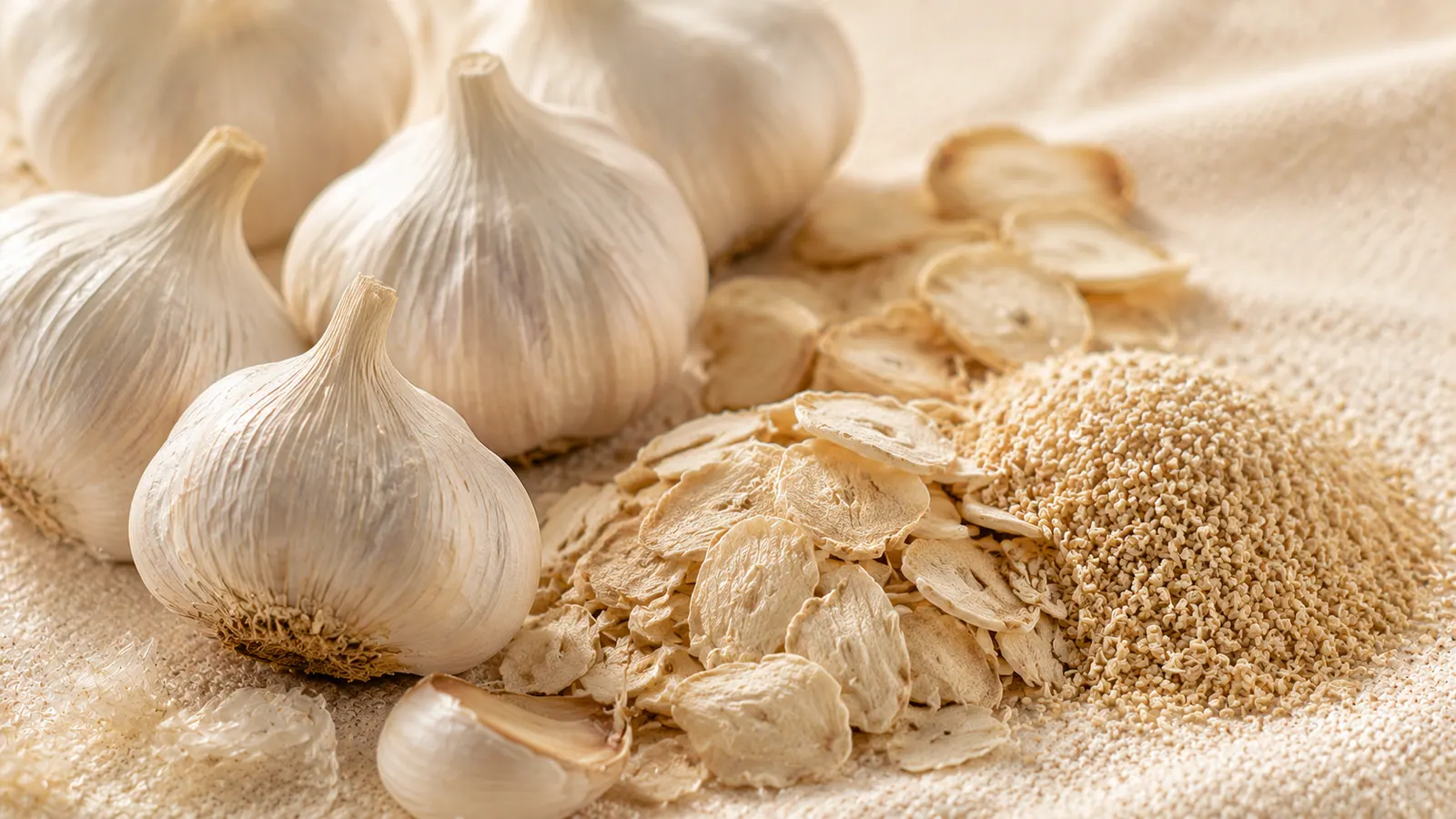

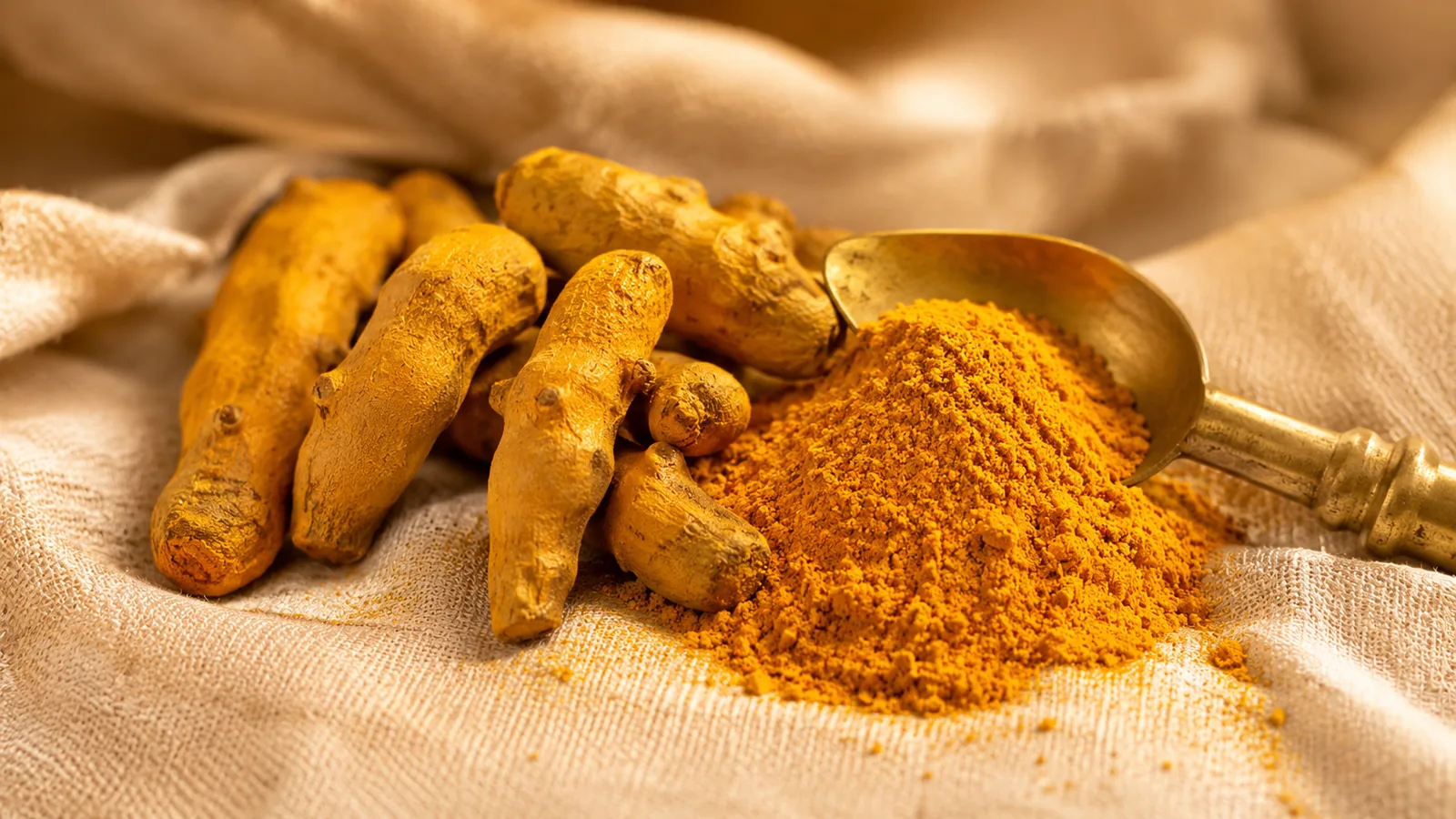
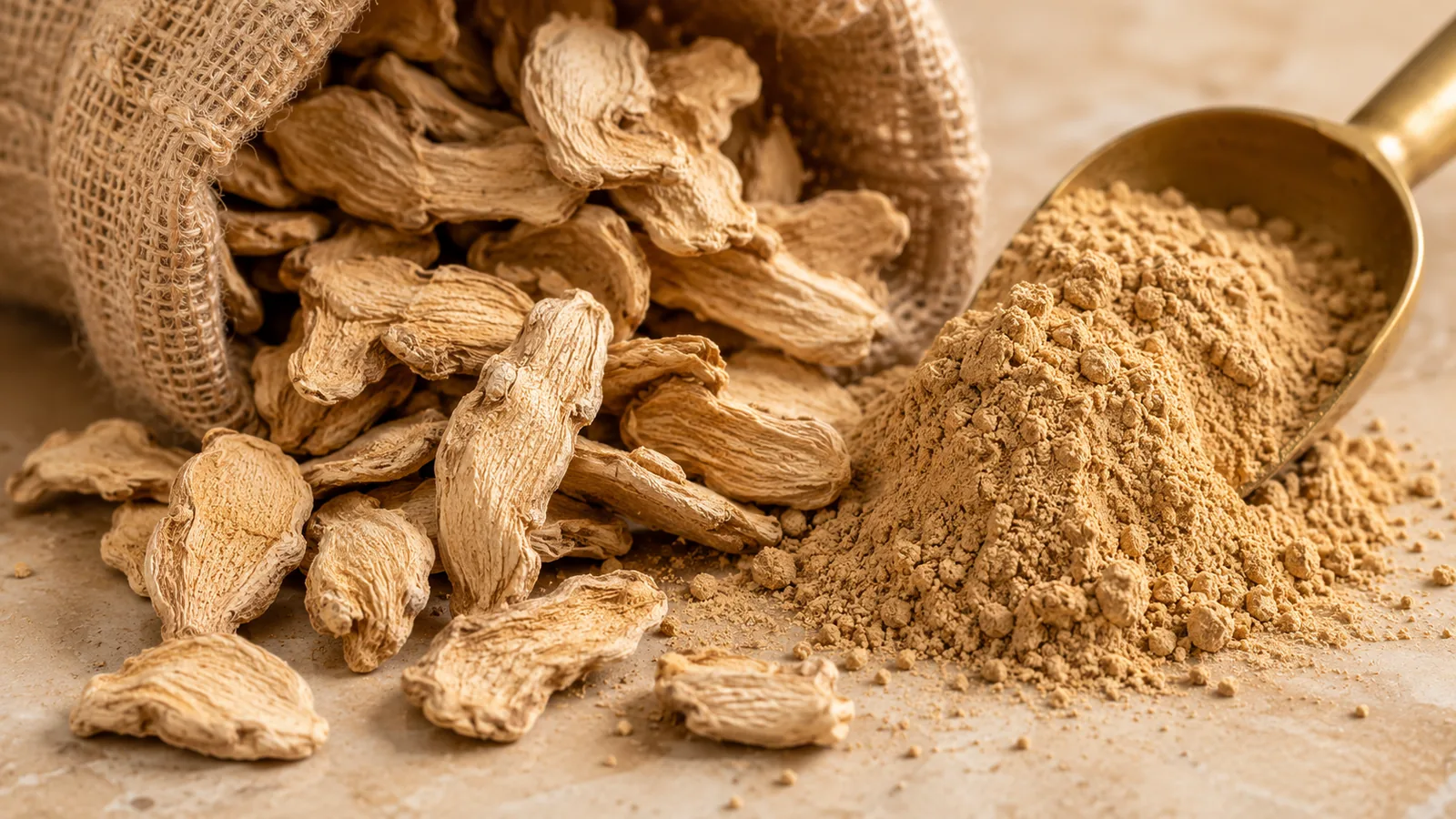
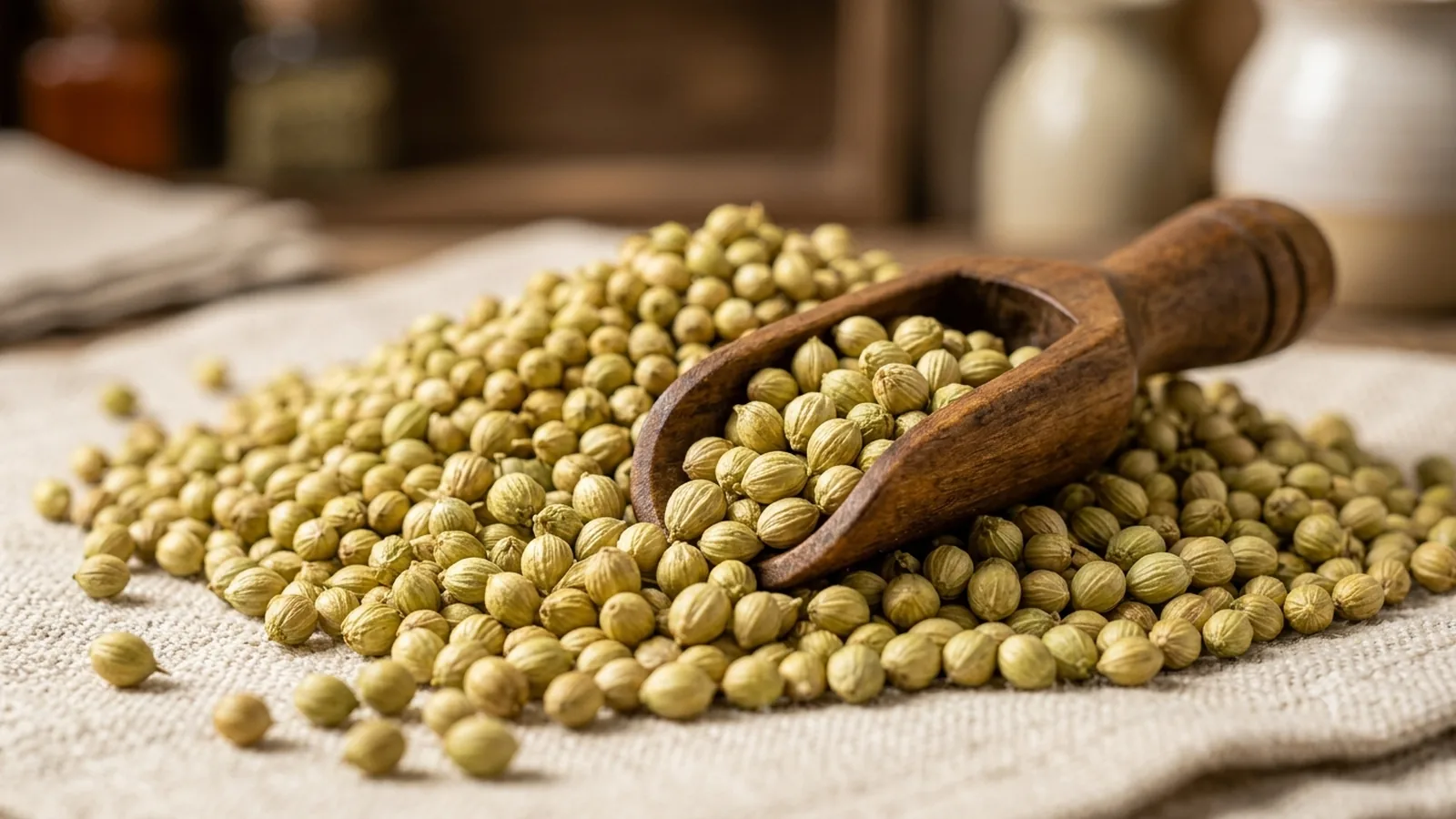
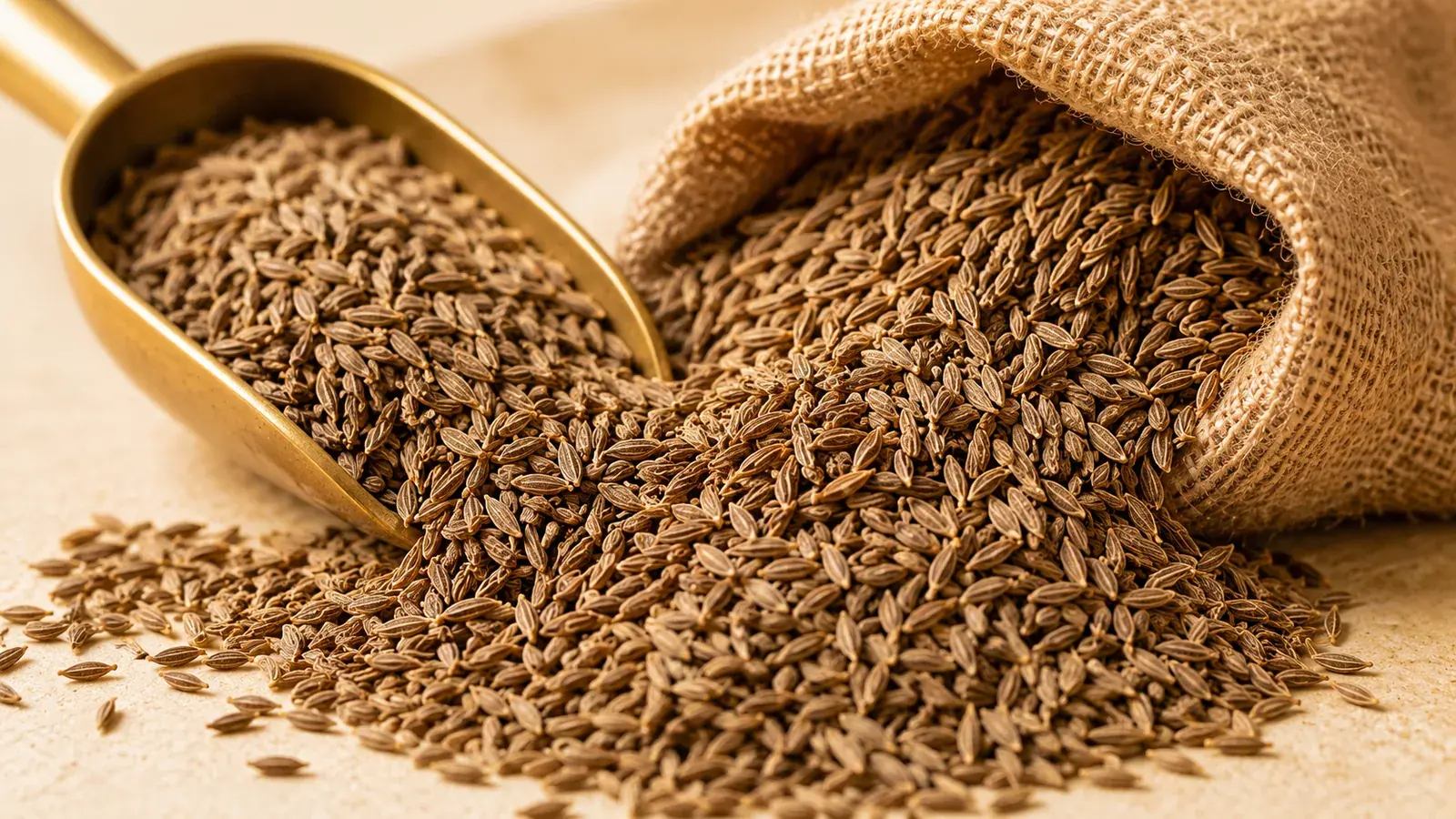
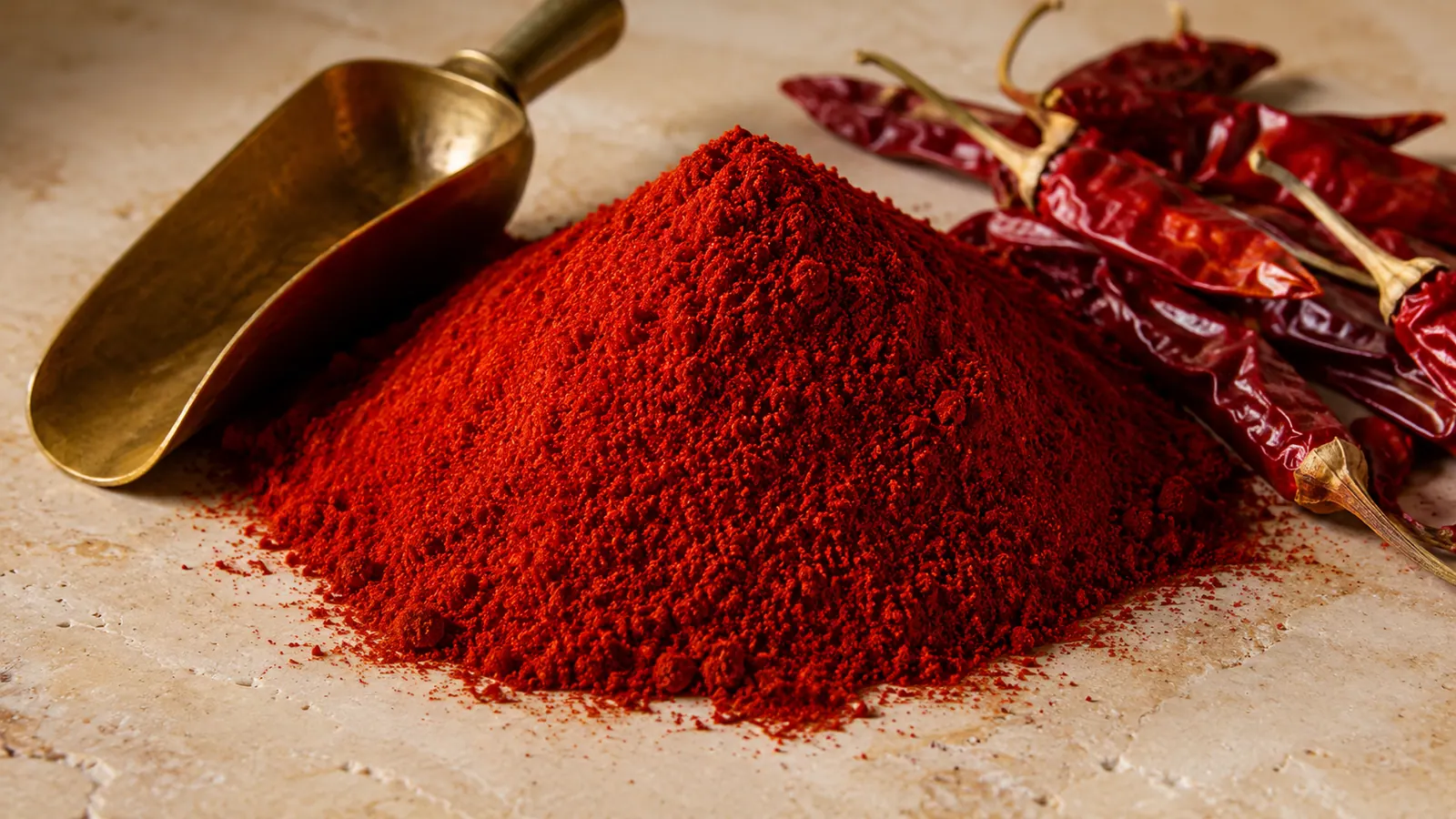
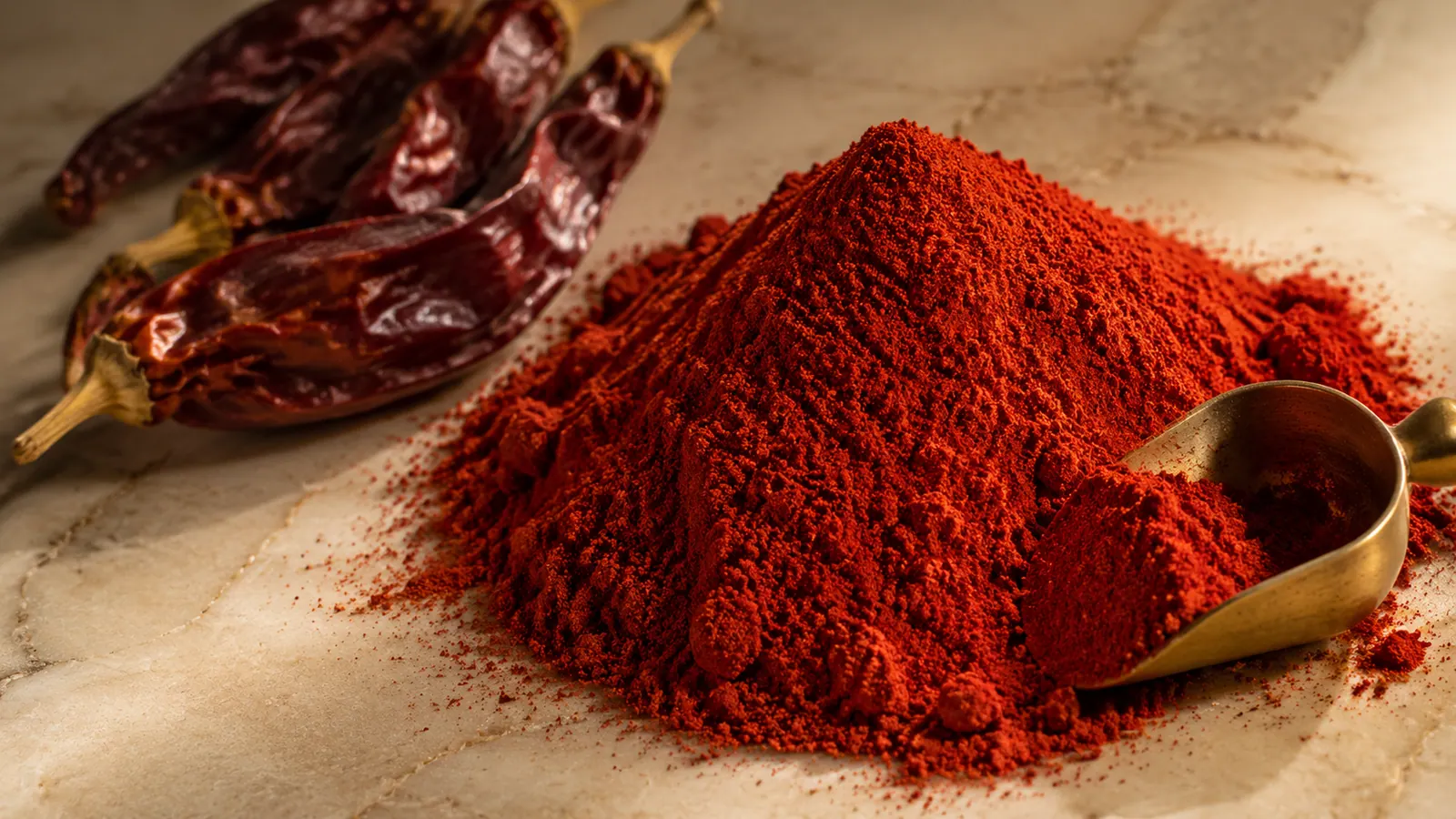
Compliance that bites this industry
Frequently asked
Why does bulk density matter more here than elsewhere?
Because sachet filling is volumetric and fast. A density shift on incoming powder becomes a fill-weight deviation across an entire shift, which costs you either giveaway or a compliance finding. Write density as a band, not a target.
Is boiling water a kill step?
No. It is not a validated process and some formats add the sachet after the water. Specify the microbial limits as though the powder is eaten as-is: Salmonella absent in 25 g under EU rules (eurlex915), plus a yeast and mould ceiling.
What volume do we need to start a trial?
Trade practice runs roughly 50–100 kg for samples and around 300 kg for a blend, with sea LCL viable from about 1–5 MT (cbi). Those are trade norms, not statute, and shift with the line.
Buying for instant-noodle and convenience-food makers? Send us your spec sheet — or tell us the application and we will spec it with you, then quote it.
Request a quoteWhat this page does not tell you
- Dissolution time by mesh band
- Dissolution depends on your water temperature, sachet composition and format. We hold no dated study and will not publish a time a plant might validate against.
- Caking rate at ambient shelf life
- Caking is driven by your film barrier, warehouse humidity and code length. No primary source covers it for our lots, so we specify a moisture ceiling instead.
Sources
- Reg. (EU) 2023/915 — maximum levels for certain contaminants· Tier 1, retrieved 2026-07-16
- CBI — Entering the European market for spices and herbs· Tier 2, retrieved 2026-07-16