Industry
Spices for the snack industry
Snack seasoning is applied dry to a hot, oiled surface in a tumble drum, so the spice is judged on how it clings and how it looks under a shelf light rather than on how it tastes in water.
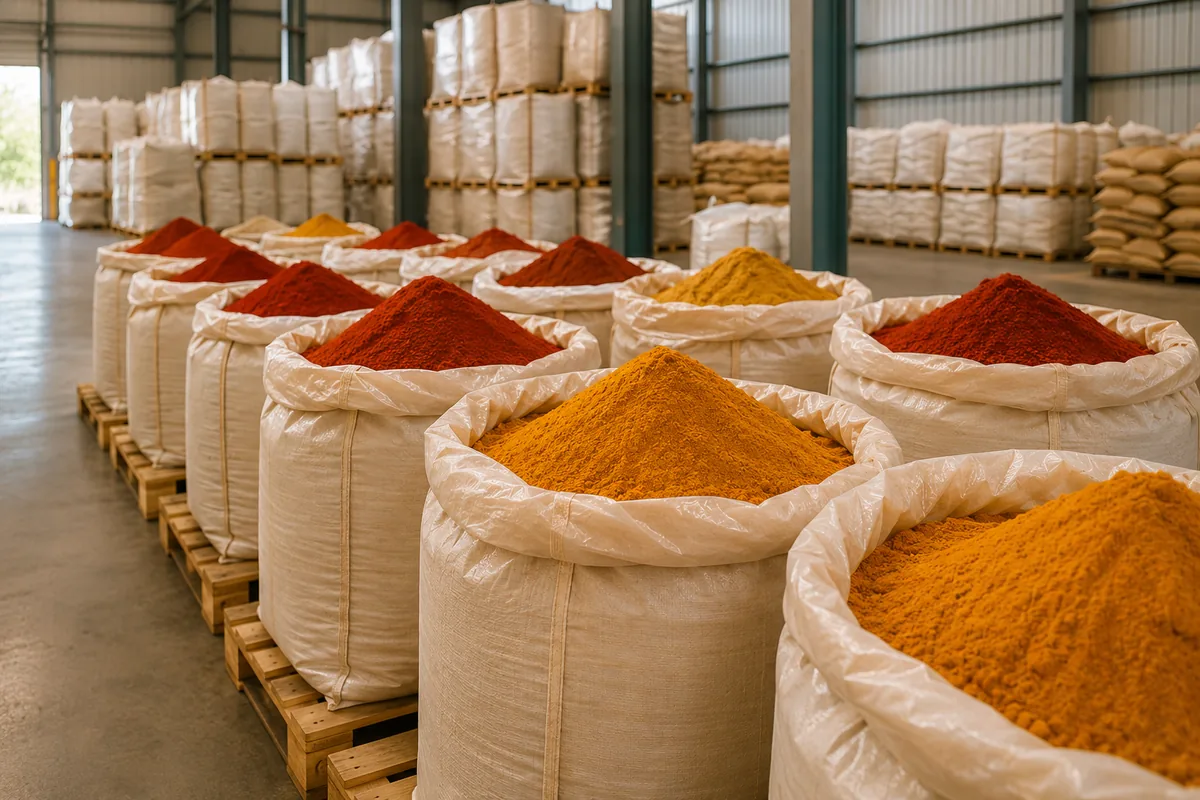
What spices does the snack industry buy from India?
Snack seasoning is applied dry to a hot, oiled surface in a tumble drum, so the spice is judged on how it clings and how it looks under a shelf light rather than on how it tastes in water.
What the snack industry buys
The snack industry buys spice as a topical, and that single fact rewrites the specification. Powder is dosed onto fried or baked base at high line speed and has to adhere to an oiled surface, distribute evenly across a drum, survive the fall into a bag and still present as an even coat when a consumer opens it. Particle size therefore matters more here than in almost any other segment: too coarse and the seasoning falls to the bottom of the bag, too fine and it dusts off in the drum and shows up as yield loss on the plant's weekly report.
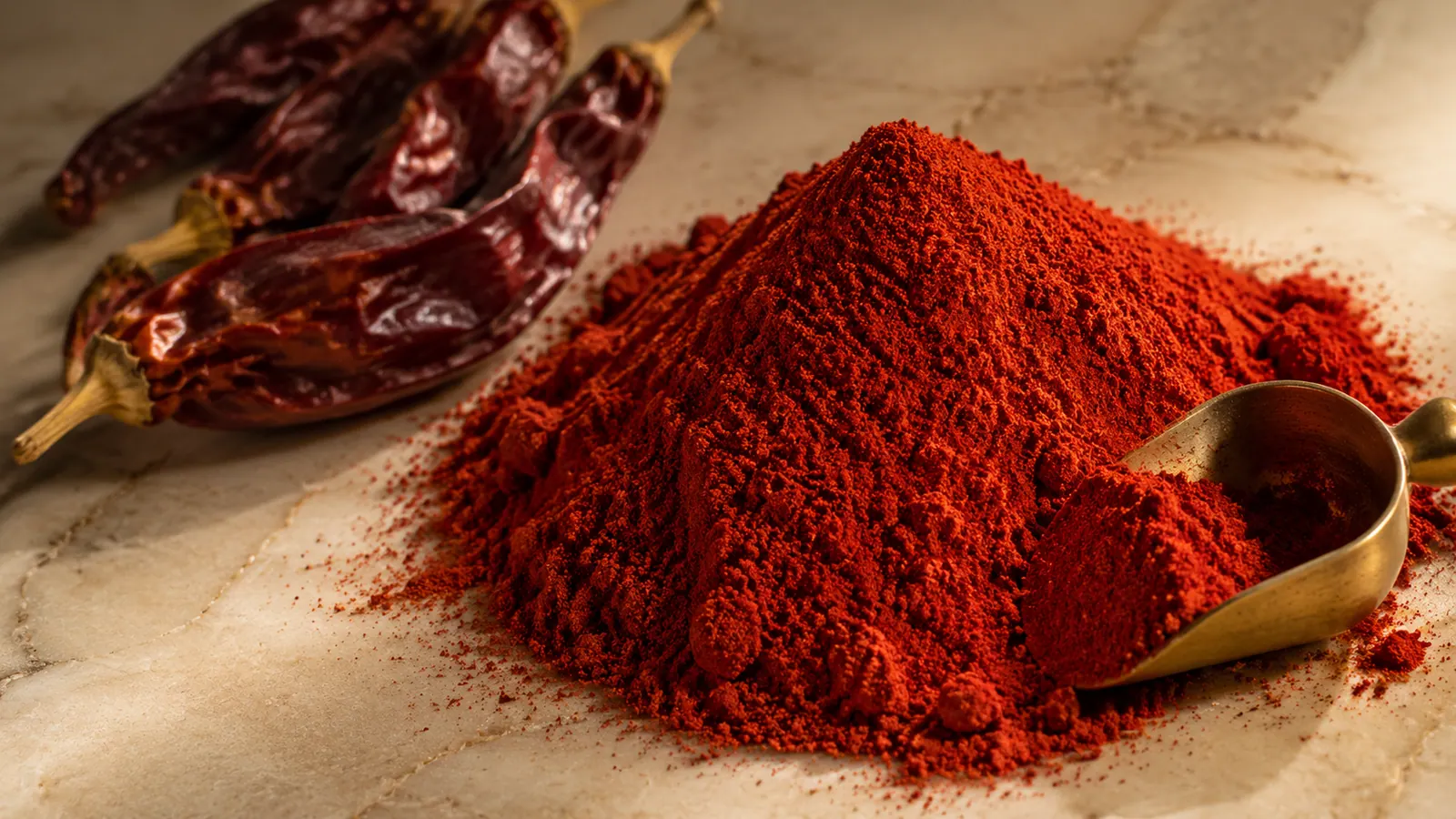
Colour is the other axis, because snack purchase is a shelf decision made in about a second. This is where the industry's hard compliance risk sits. Sudan dyes are illegal red colourants historically used to brighten chilli and carry zero tolerance, and lead chromate is an illegal yellow brightener in turmeric that requires heavy-metal testing to catch. A snack maker chasing a redder chip on price alone is exactly the buyer these adulterants are aimed at. Byadgi bought for colour at ASTA 130–150 (spicesBoard) is the legitimate answer to the same problem.
Volumes are high and campaigns are seasonal, so snack buyers care about landed cost and arrival timing as much as spec. Whole dried chilli cubes out, filling a container by volume before it reaches weight, so it ships light; a 20ft FCL takes roughly 18–22 MT of dense seed spice but far less chilli (cbi). Shipping ground rather than whole changes that arithmetic, which is a conversation worth having before the order rather than after.
What this industry specifies
Put these on the contract and the lot is repeatable. Leave them off and you are buying on hope.
- Mesh band with a stated oversize and undersize tolerance, since adhesion and drum distribution both live here.
- ASTA colour band for chilli and paprika, with an upper limit as well as a lower one.
- Bulk density and flowability, because your doser meters by volume and a density shift becomes a dose error.
- Sudan dye screening on every red chilli lot. The tolerance is zero and the test is cheap relative to a recall.
- Heavy-metal testing on turmeric, specifically for lead chromate used as an illegal brightener.
- Moisture ceiling low enough that the powder does not cake in the hopper mid-shift.
- Sterilisation route: steam only, no ETO, given the EU ban and 0.1 mg/kg default limit (eurlex915).
- Allergen status of the third-party processing line, declared per lot.
Spices we ship this industry
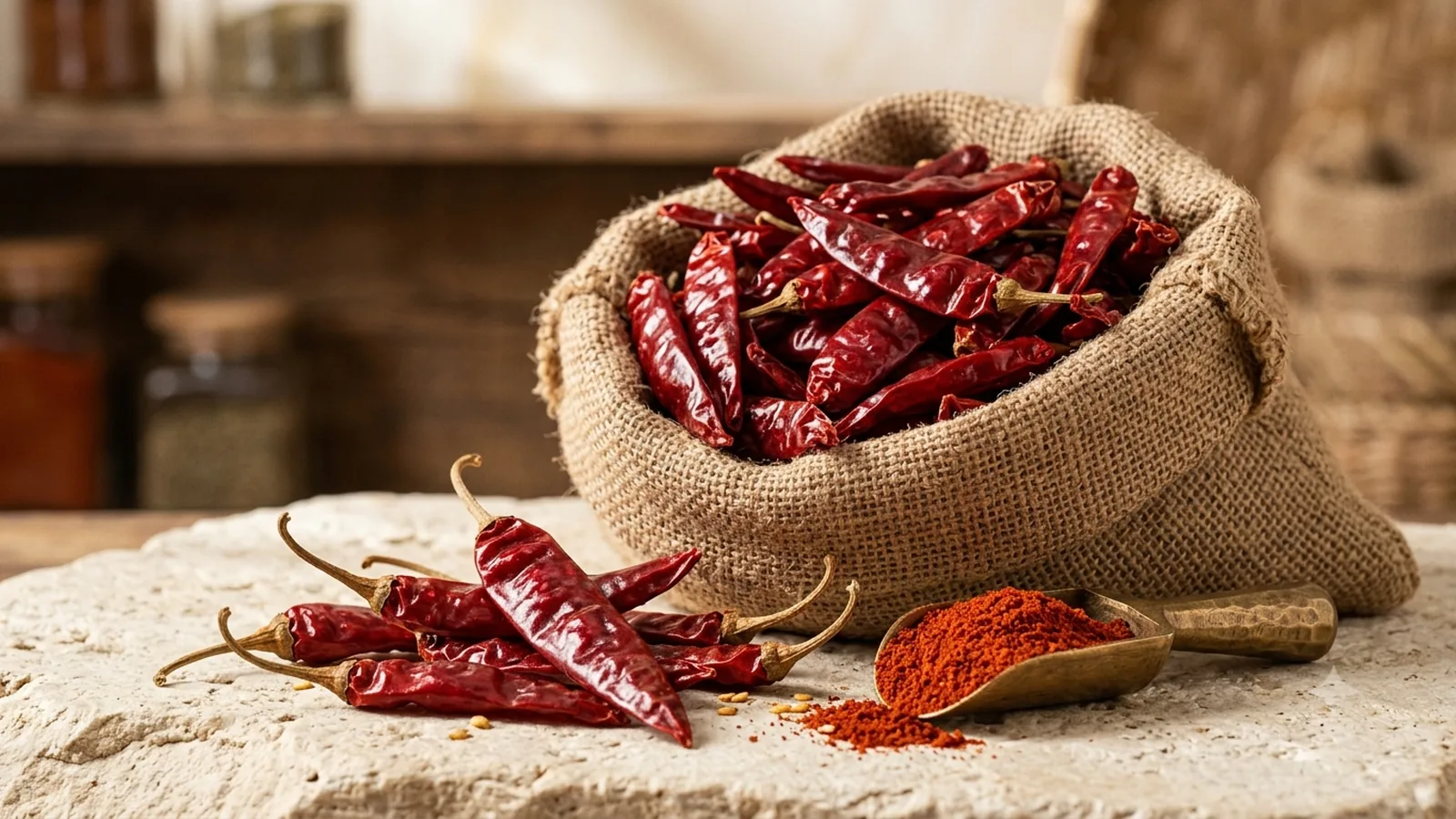
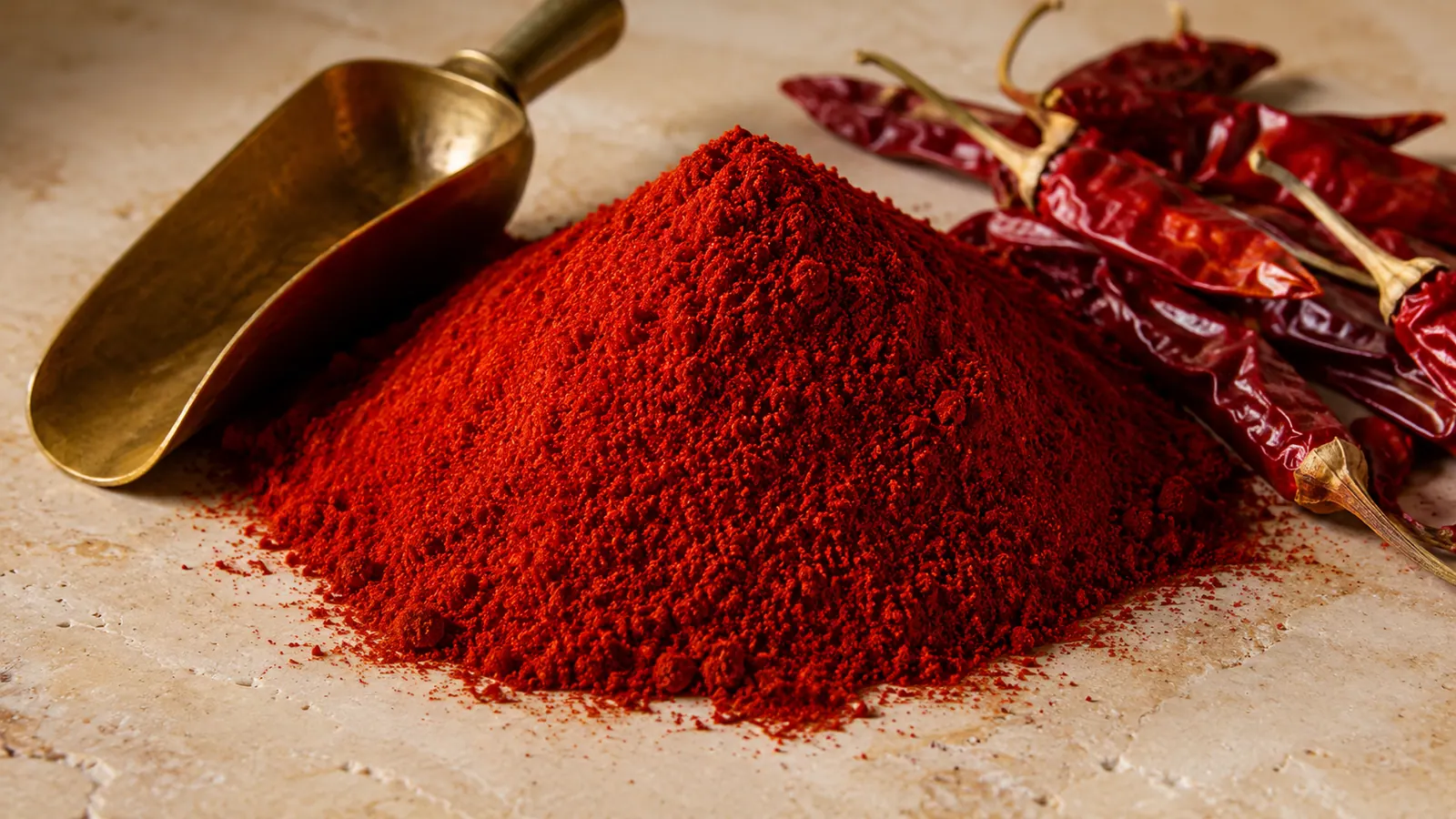
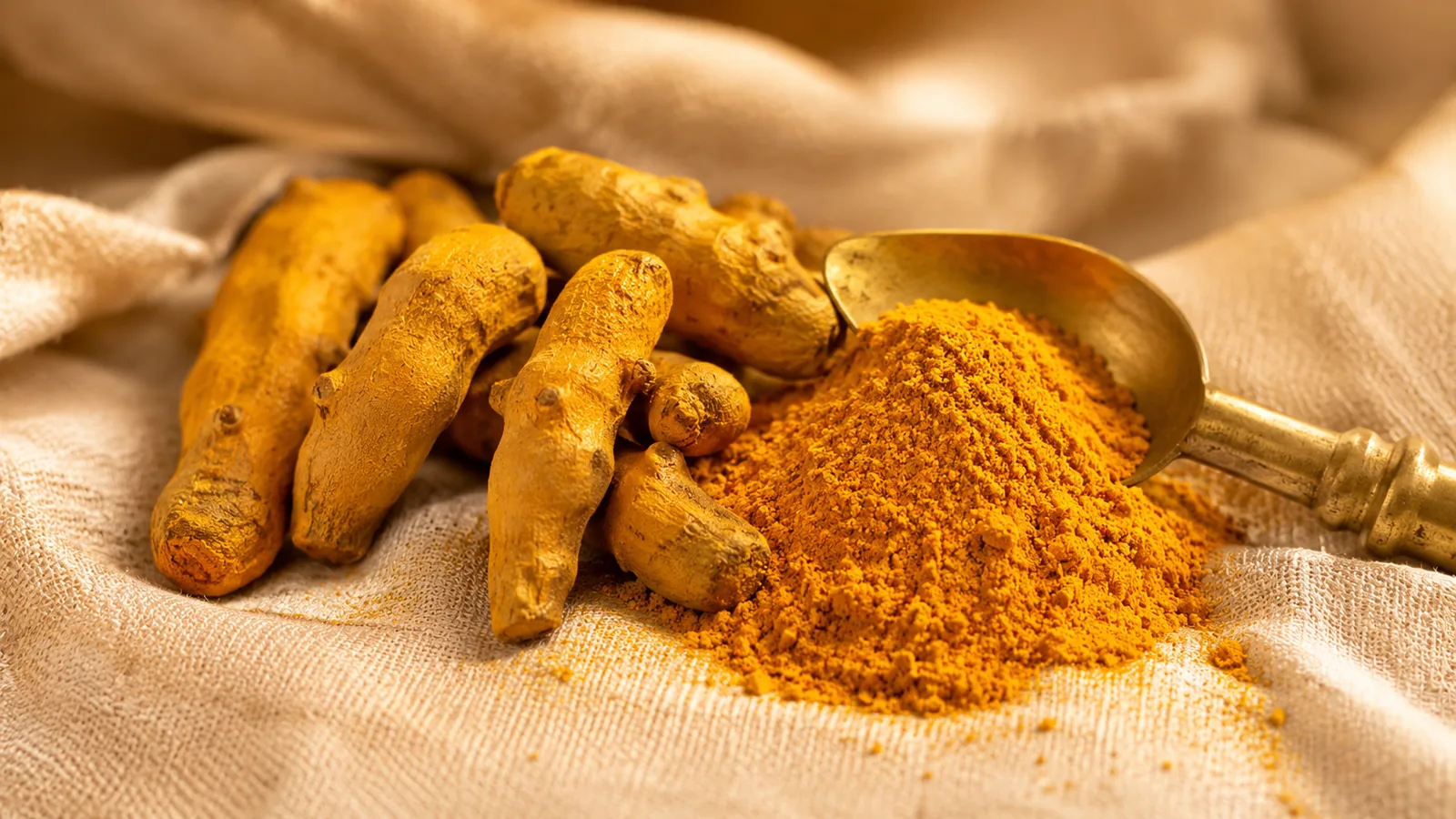
Compliance that bites this industry
Frequently asked
How do we get a redder coating without an illegal dye?
Buy the varietal that carries colour. Byadgi runs ASTA 130–150 and is bought for colour rather than heat (spicesBoard). Any offer promising colour beyond varietal range at commodity price should be screened for Sudan dyes before it is tasted.
Ship ground or whole for a snack line?
Whole chilli cubes out and ships light, so a container fills on volume before weight (cbi). Grinding at origin usually improves landed cost per kilo of active, but it shortens the clock on colour and volatiles.
Do you do the grinding?
No. YouPals is a sourcing desk with no processing assets. Grinding, steam sterilisation and packing are coordinated with vetted third-party processors against your spec, and the facility handling a lot is disclosed.
Buying for the snack industry? Send us your spec sheet — or tell us the application and we will spec it with you, then quote it.
Request a quoteWhat this page does not tell you
- Adhesion and cling rates
- Cling depends on your oil pickup, base temperature, drum geometry and line speed. Any number we published would be a guess about your plant, so we publish none.
- Colour retention under shelf light
- Fade depends on your film, lighting and turn. We hold no dated study covering snack packaging and will not imply one.
Sources
- Spices Board of India — Export statistics· Tier 1, retrieved 2026-07-16
- Reg. (EU) 2023/915 — maximum levels for certain contaminants· Tier 1, retrieved 2026-07-16
- CBI — Entering the European market for spices and herbs· Tier 2, retrieved 2026-07-16