Industry
Spices for ready meals & frozen food
A ready meal is cooked twice, once in your plant and once in a consumer's microwave months later, so the spice has to survive a retort or a blast freezer and still taste like the panel approved it.
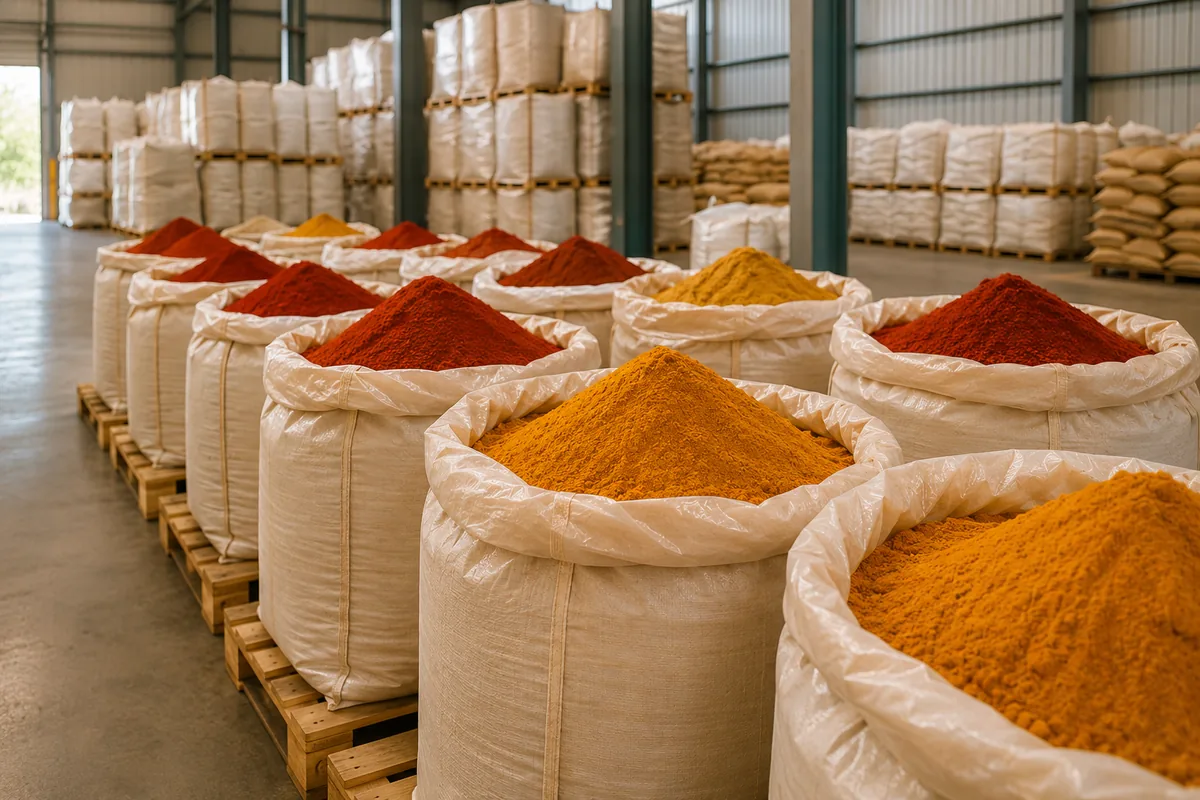
What spices does ready-meal and frozen-food makers buy from India?
A ready meal is cooked twice, once in your plant and once in a consumer's microwave months later, so the spice has to survive a retort or a blast freezer and still taste like the panel approved it.
What ready-meal and frozen-food makers buys
Ready meals and frozen food buy spice for what it will be like after abuse. The product is cooked at the plant, chilled or frozen, held for weeks or months, then reheated by someone who will not be gentle about it. Volatile top notes largely do not survive that. What survives is the non-volatile backbone: the pungency of pepper and ginger, the colour of turmeric and chilli, the body of coriander and cumin. So the specification tends to over-index on measurable actives and under-index on aroma, which is the opposite of how a fresh-food kitchen buys.
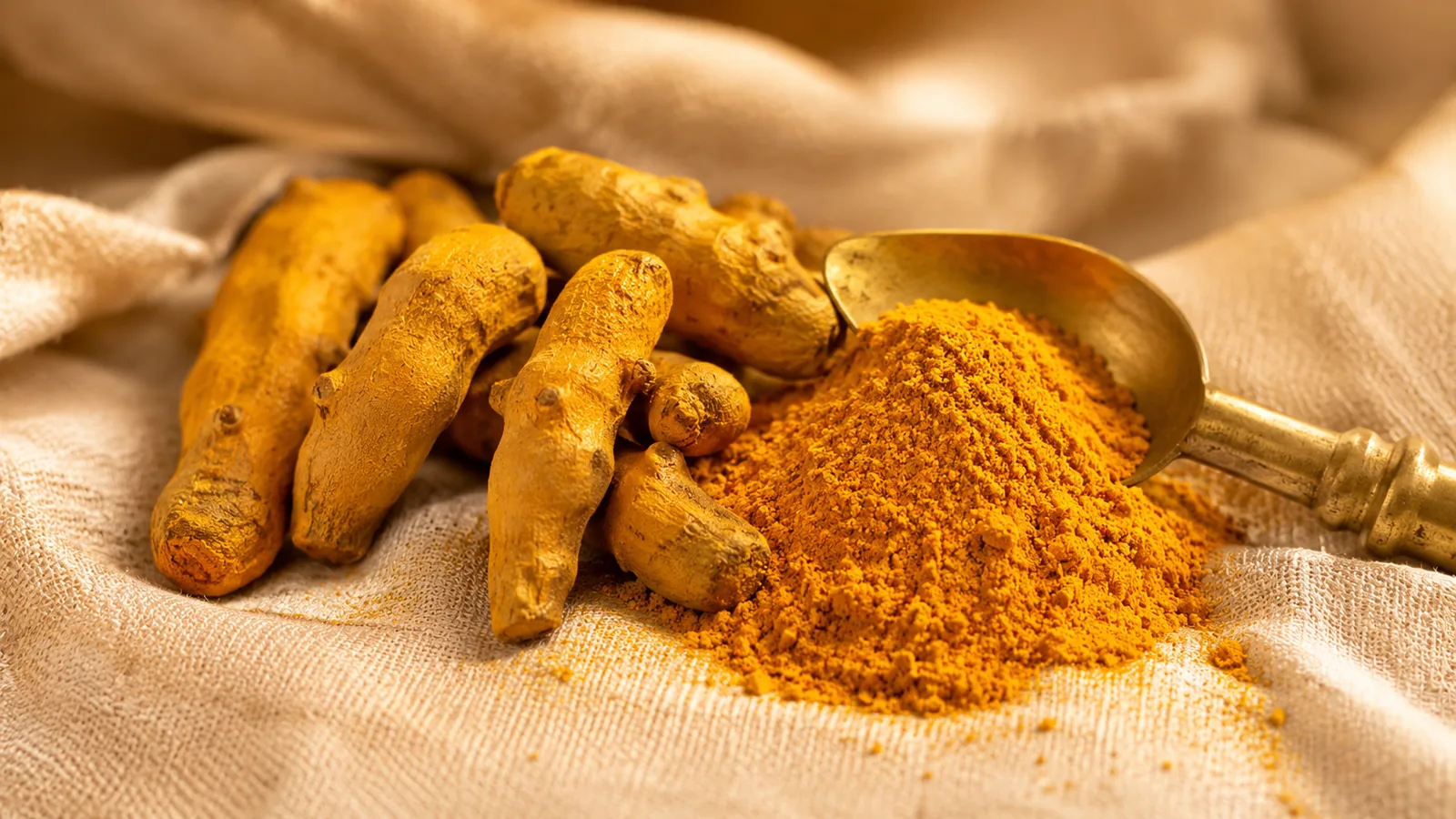
Freeze-thaw and retort also do things to colour that a buyer only discovers at month three. Turmeric is the usual casualty, and this is where origin selection earns its money: curcumin runs 4–6% in Alleppey-type finger, 2.5–3% in Erode and 1.5–2.25% in Nizamabad bulb (spicesBoard). A formulator who buys on price gets Nizamabad, doses to hit colour, and ends up paying more per unit of curcumin while adding more solids to the sauce than the recipe wanted.
The microbial and process story is the third leg. Frozen product has no kill step for anything added post-cook, and chilled ready meals run on tight shelf life where a mould count on incoming spice becomes a customer complaint. Salmonella absent in 25 g applies (eurlex915), steam sterilisation is the only acceptable route since ETO is EU-banned at a 0.1 mg/kg default limit (eurlex915), and YouPals coordinates that with vetted third-party processors rather than performing it.
What this industry specifies
Put these on the contract and the lot is repeatable. Leave them off and you are buying on hope.
- Actives you can measure and that survive process: curcumin percentage, ASTA colour, piperine or pungency where the recipe depends on it.
- Origin named for turmeric, since curcumin spans 4–6% to 1.5–2.25% by origin and your dose rate is set by it (spicesBoard).
- Yeast and mould ceiling, which is what bites chilled shelf life first, plus Salmonella absent in 25 g (eurlex915).
- Moisture and water activity, because a frozen matrix will migrate water and a wet spice arrives as ice crystals in the sauce.
- Mesh band tuned to your sauce viscosity so the spice hydrates rather than sitting as grit on the tongue after reheat.
- Steam sterilisation declared, ETO excluded on the contract face (eurlex915).
- Allergen and cross-contact declaration per lot, matched to the finished-pack label you already print.
- Batch traceability and retention samples held to the finished product's full frozen shelf life, not the spice's.
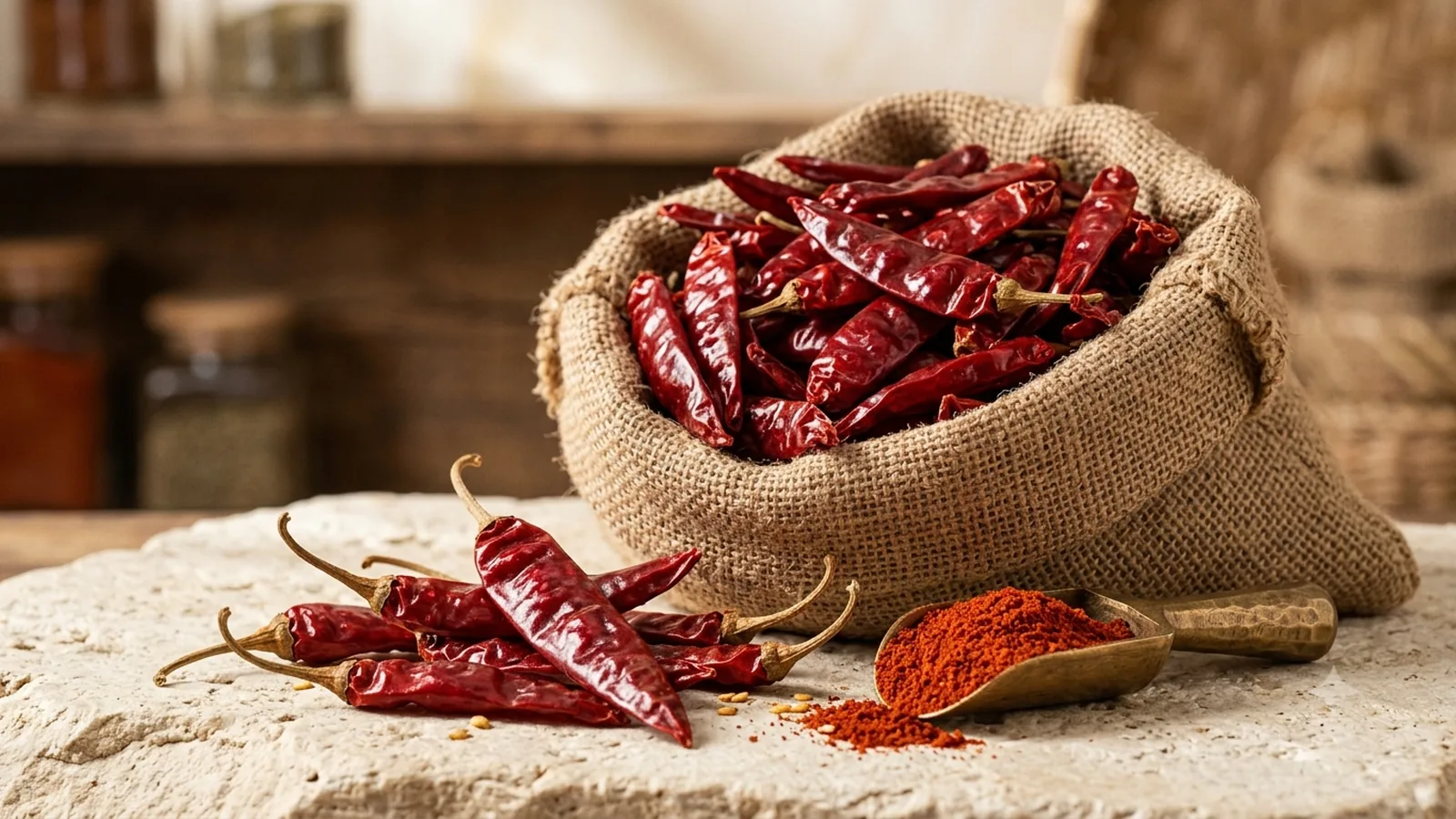
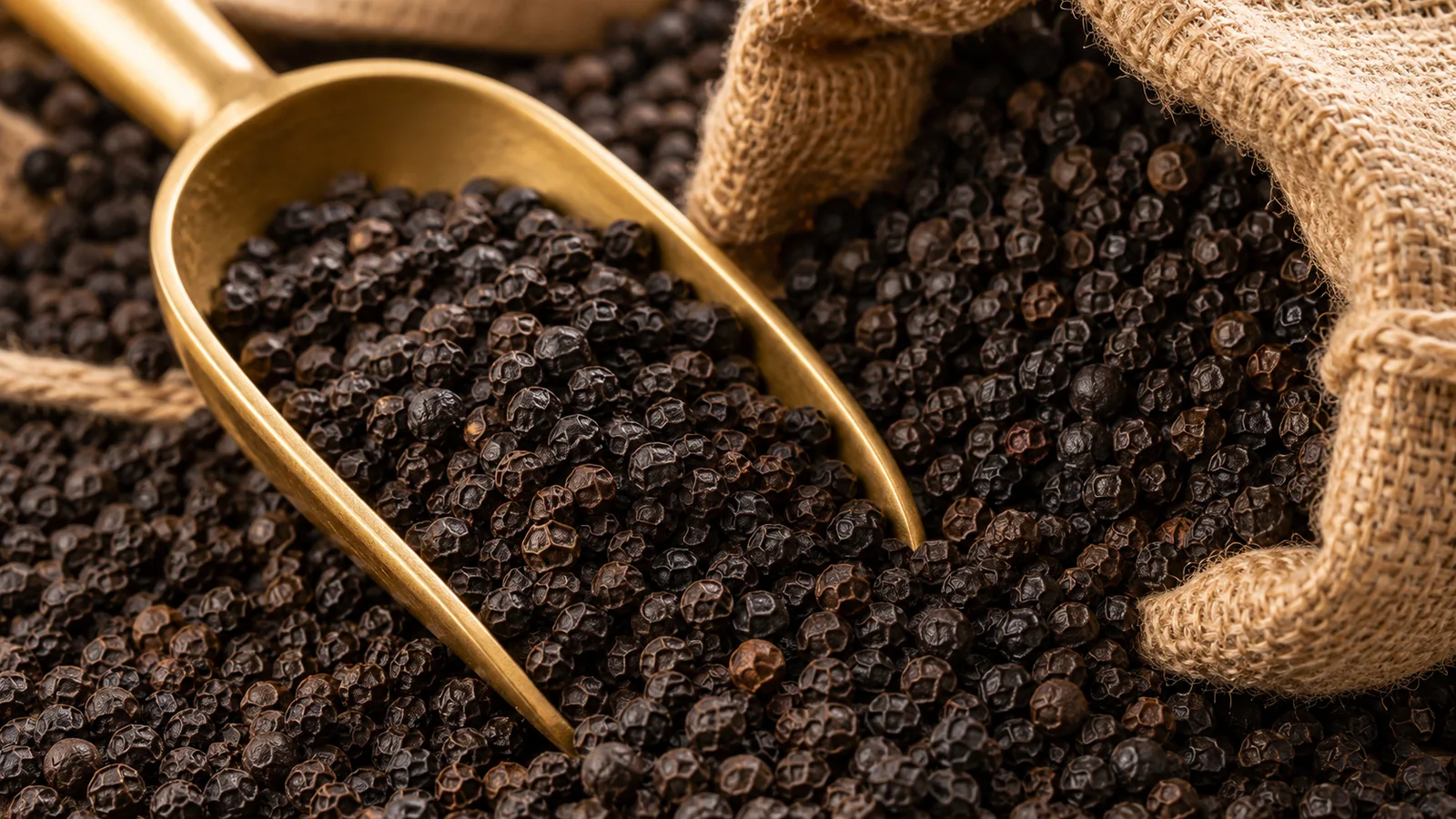
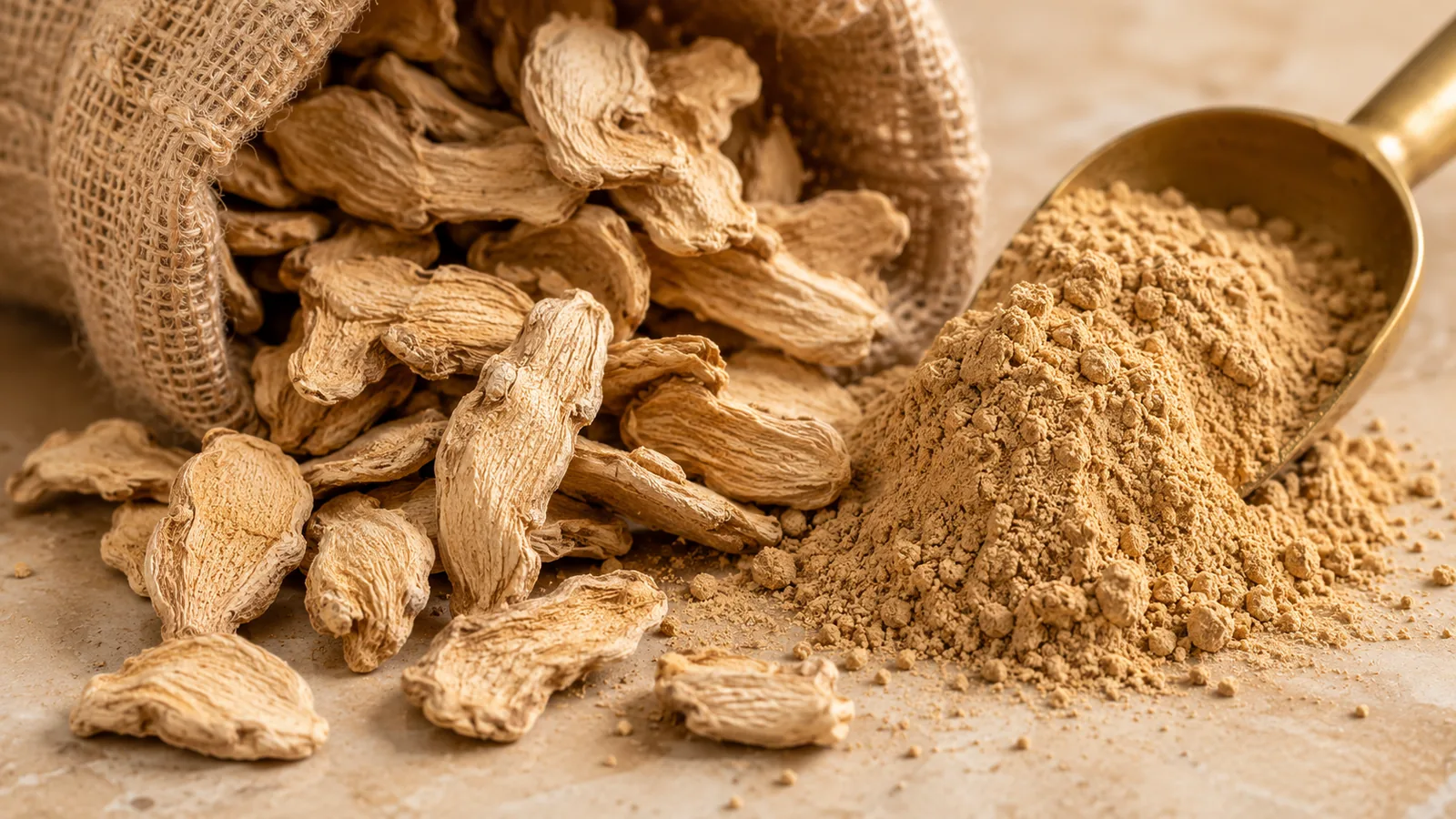
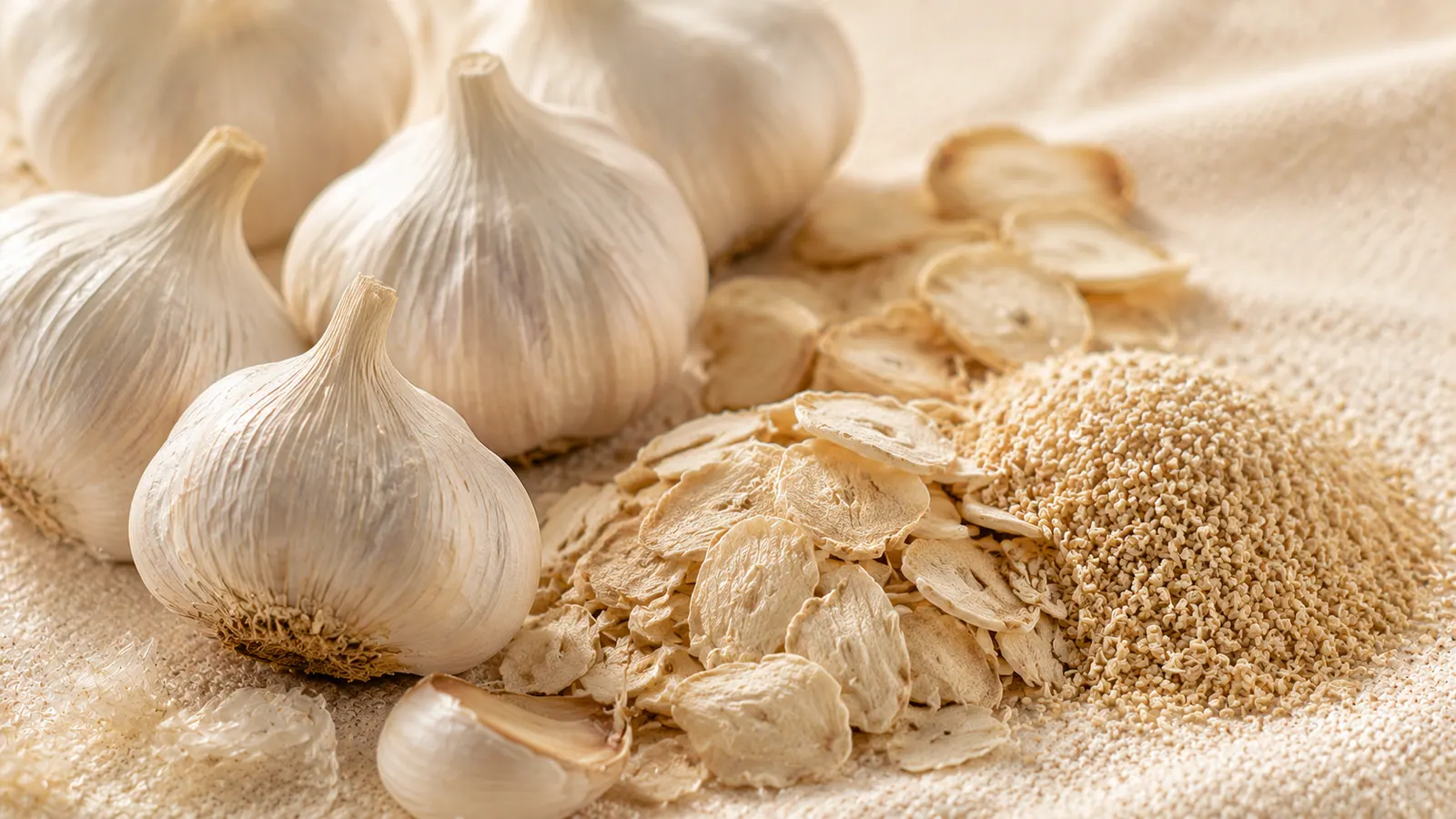
Spices we ship this industry
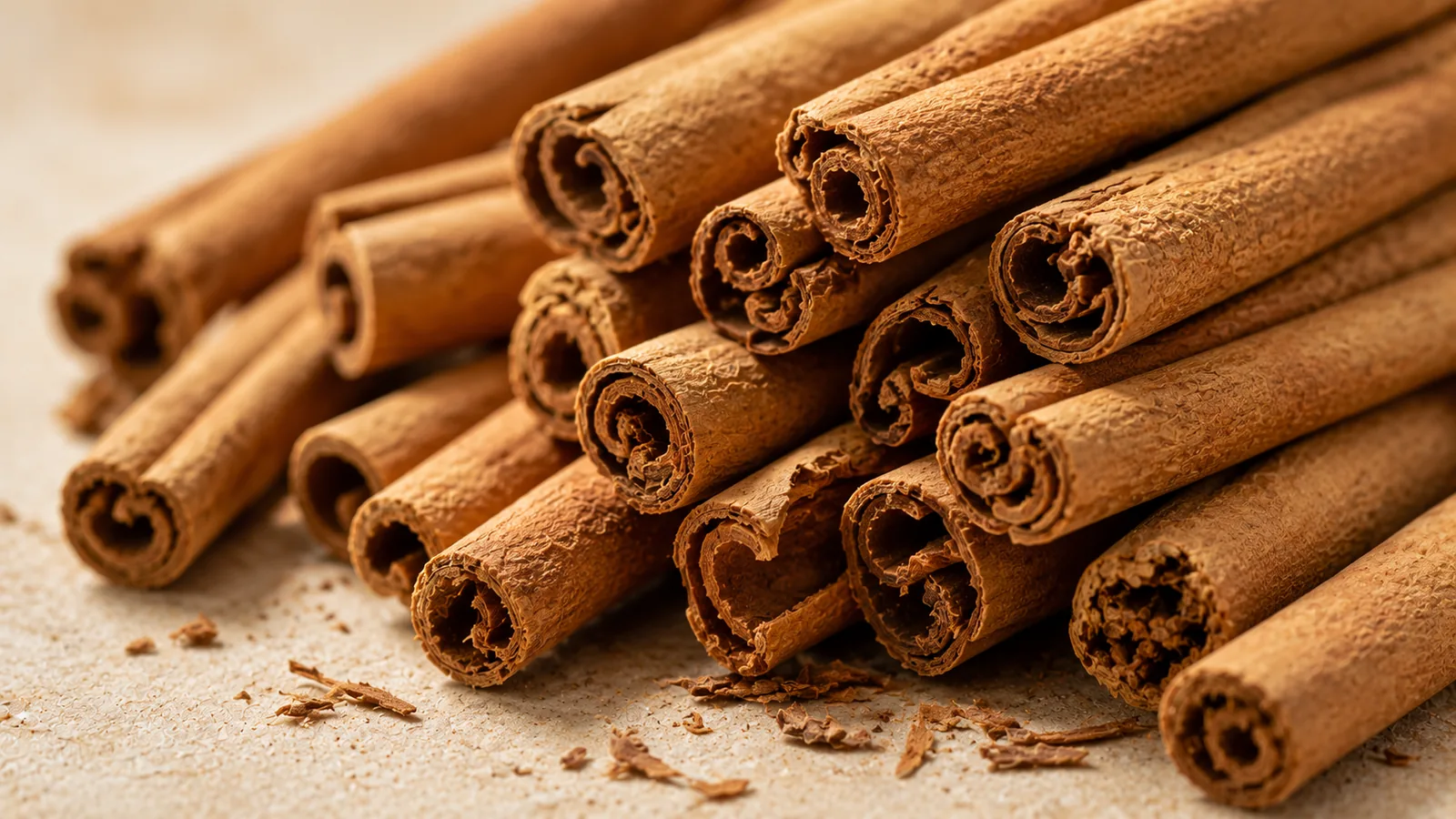
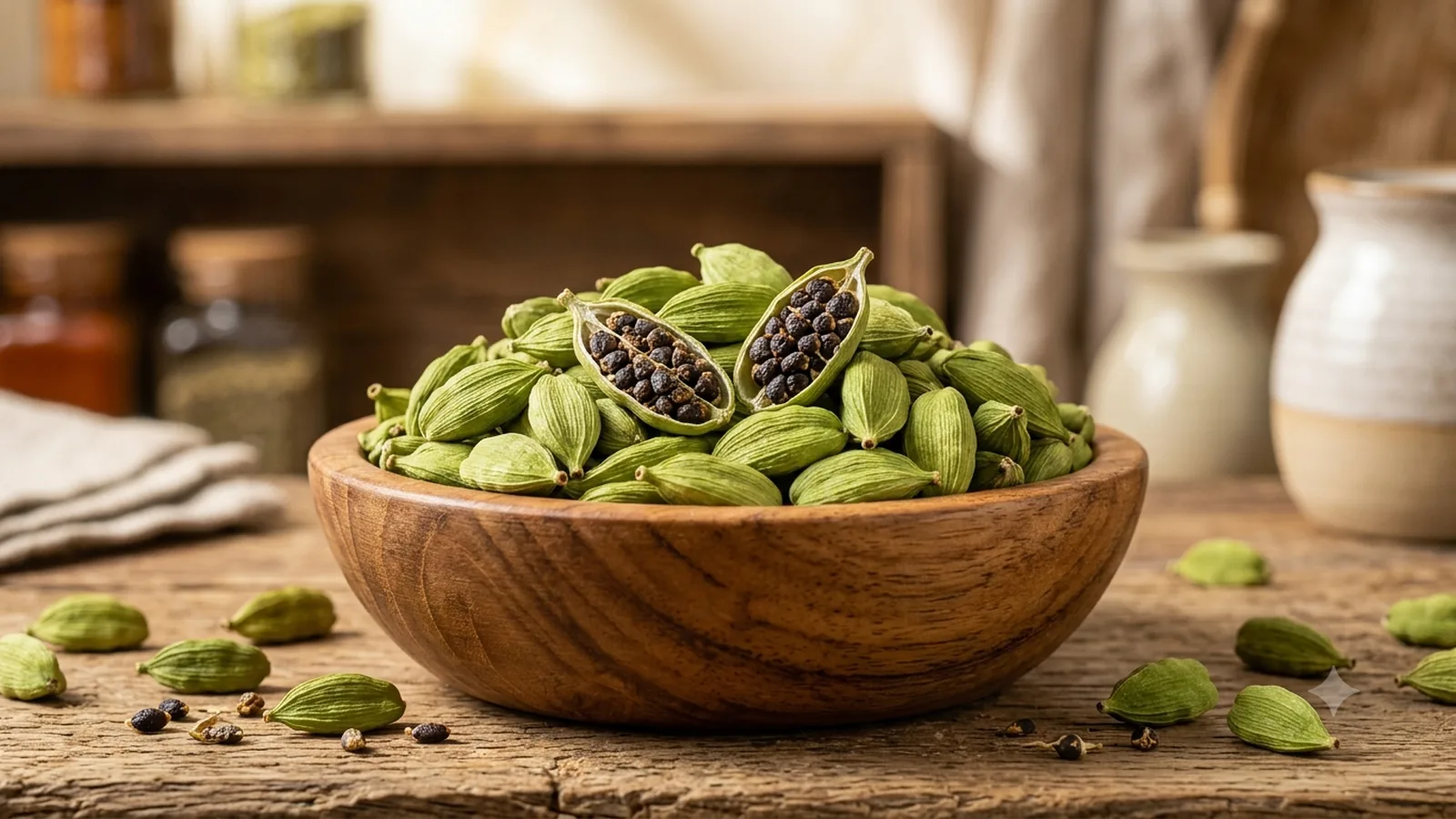
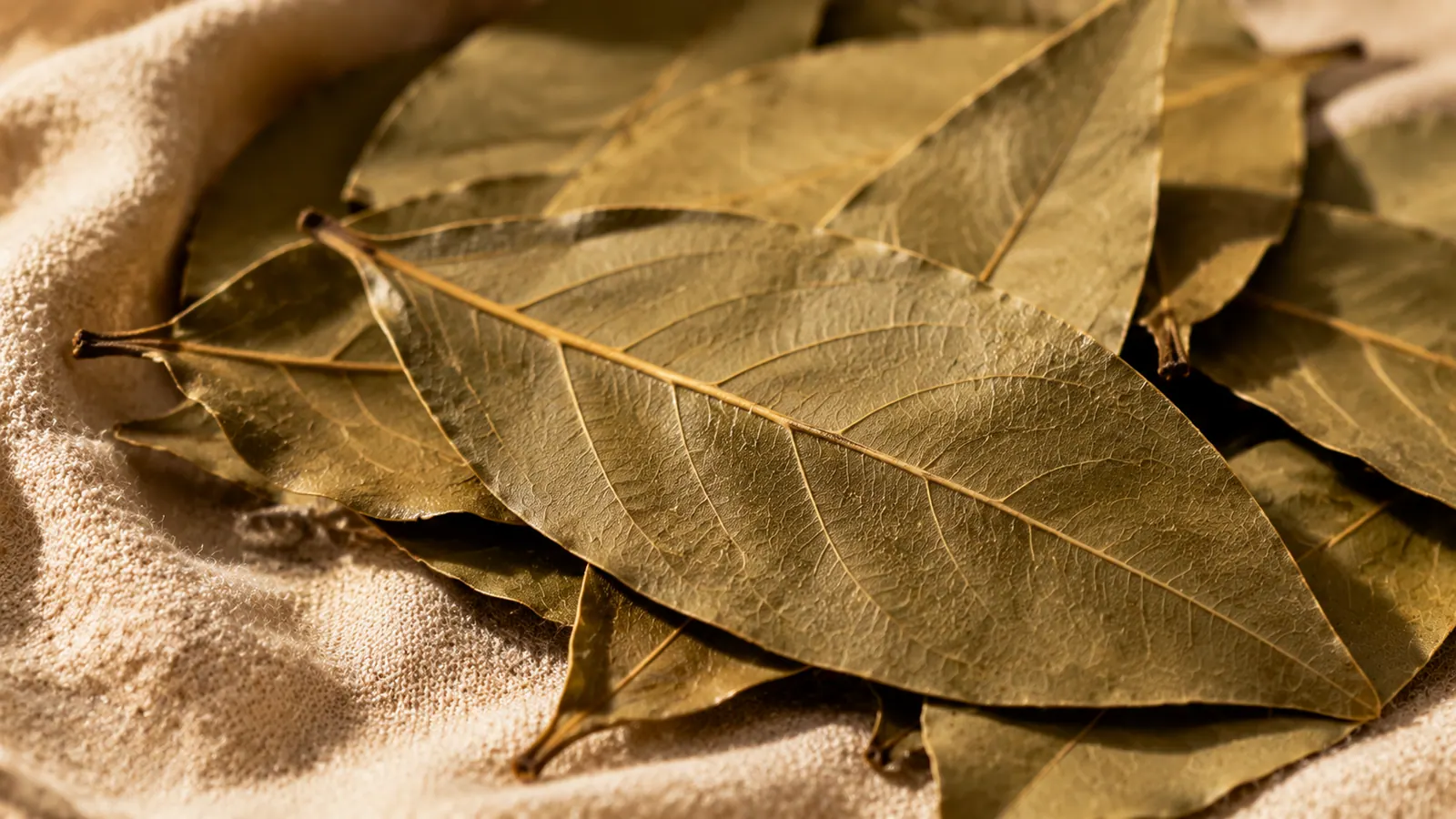
Compliance that bites this industry
Frequently asked
Which turmeric for a retorted curry?
Buy on curcumin, not price. Alleppey-type finger runs 4–6%, Erode 2.5–3%, Nizamabad bulb 1.5–2.25% (spicesBoard). Higher curcumin means a lower dose to hit colour and fewer solids muddying your sauce body.
How much flavour is lost through retort?
Volatile aroma takes the hit and non-volatile actives largely hold. We hold no dated study quantifying loss for your specific process, so we specify on measurable actives instead of promising an aroma outcome.
Can we run one dossier across chilled and frozen lines?
Usually yes, if the tighter of the two specs is written as the buy. Consolidating to one spec and one document set is normally cheaper than managing two, which is a large part of what a sourcing desk is for.
Buying for ready-meal and frozen-food makers? Send us your spec sheet — or tell us the application and we will spec it with you, then quote it.
Request a quoteWhat this page does not tell you
- Flavour loss through retort and freeze-thaw
- We have no dated, sourced study for retort or freeze-thaw retention on Indian spices and will not put a percentage on a document a formulator might plan against.
- Colour drift across frozen shelf life
- Drift depends on your matrix, pH, fat and light exposure. No primary source covers it for our lots, so we decline to state one.
Sources
- Spices Board of India — Export statistics· Tier 1, retrieved 2026-07-16
- Reg. (EU) 2023/915 — maximum levels for certain contaminants· Tier 1, retrieved 2026-07-16
- CBI — Entering the European market for spices and herbs· Tier 2, retrieved 2026-07-16