Industry
Spices for sauces, dressings & condiments
A sauce is a suspension held at low pH for a year in a clear bottle, so the spice is bought for what it does to colour, viscosity and separation as much as for flavour.
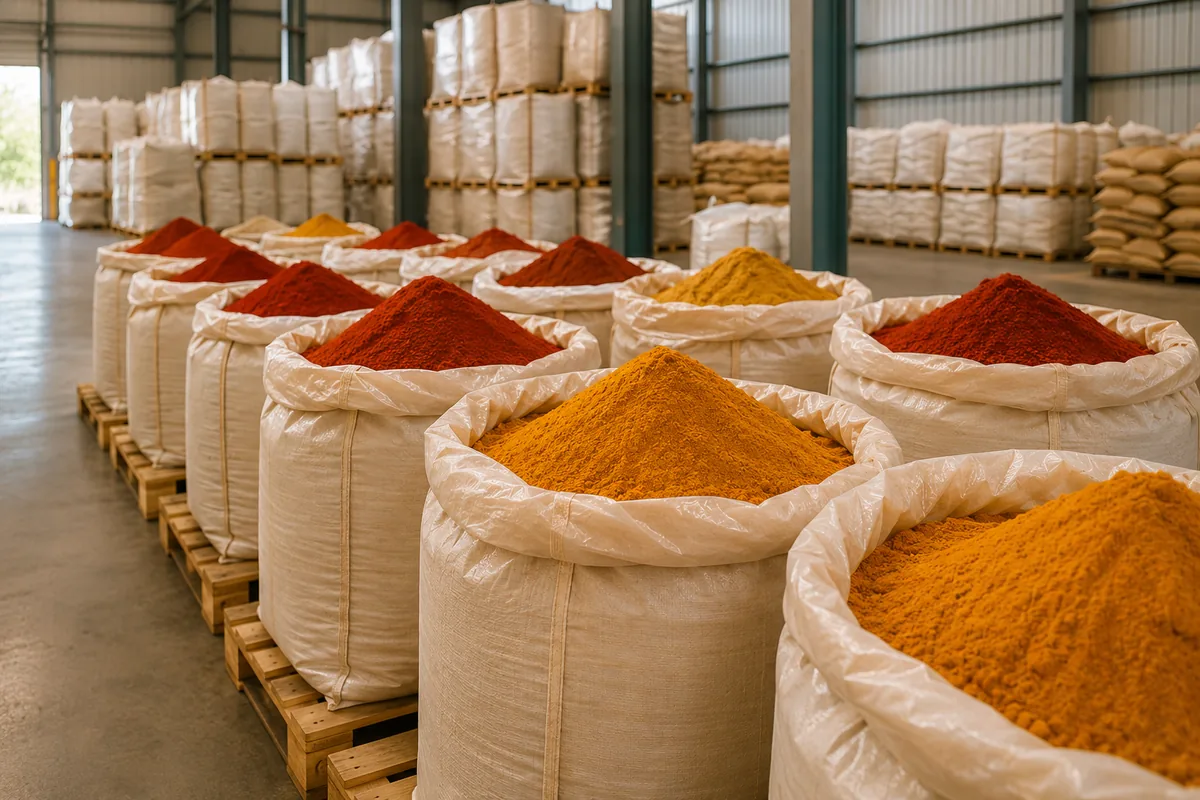
What spices does sauce and condiment makers buy from India?
A sauce is a suspension held at low pH for a year in a clear bottle, so the spice is bought for what it does to colour, viscosity and separation as much as for flavour.
What sauce and condiment makers buys
Sauce and condiment makers buy spice as a functional ingredient inside a physical system. The product is an emulsion or a suspension, often acidified, often in glass where every fault is visible, and it has to look the same on the shelf at month eleven as it did on the filling line. That means the spice specification carries clauses no dry-goods buyer would write: particle size that stays suspended rather than settling into a visible band at the bottom of the bottle, colour that holds at low pH, and a microbial load that a hot fill will not fully address if it arrives high enough.
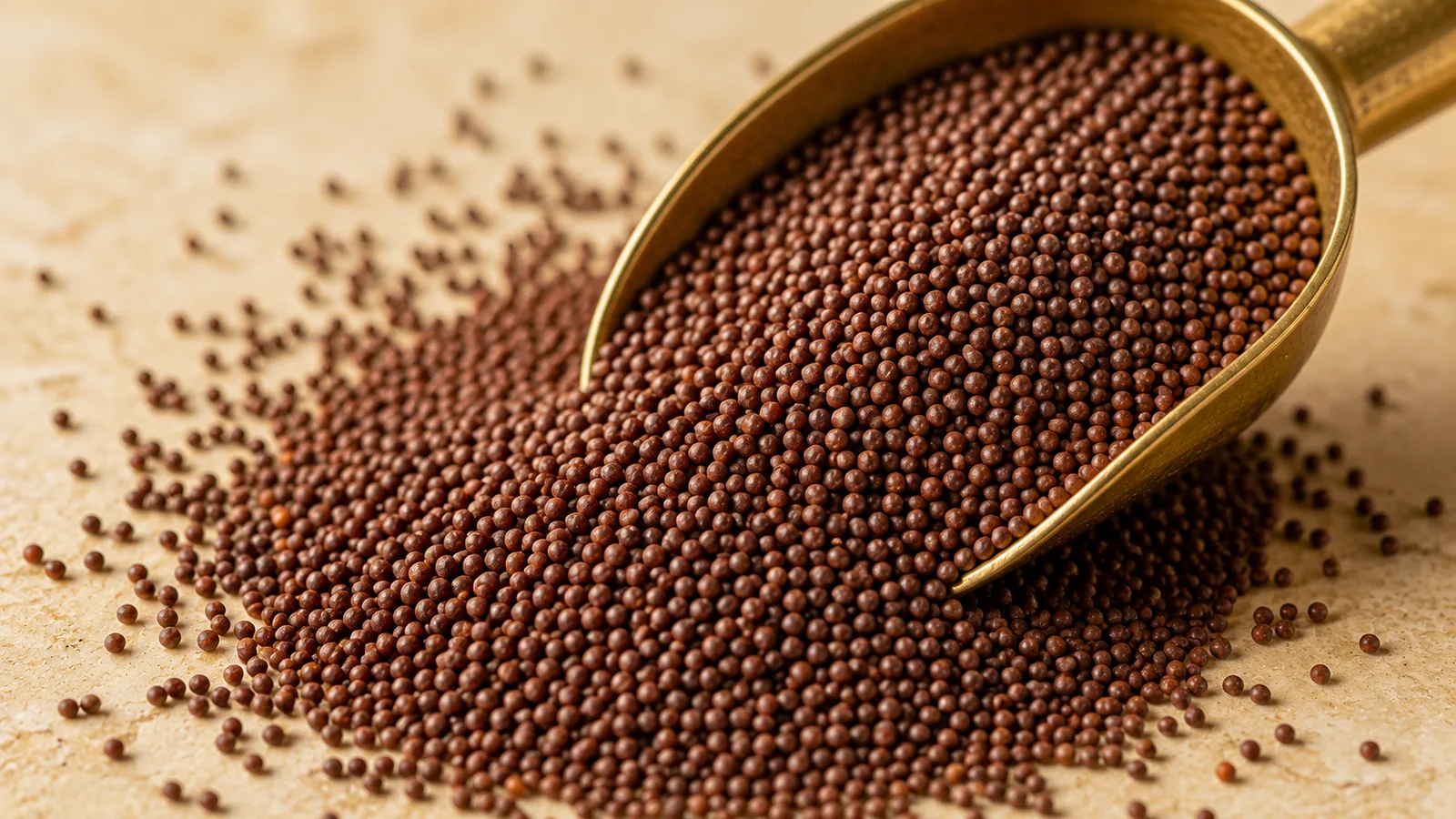
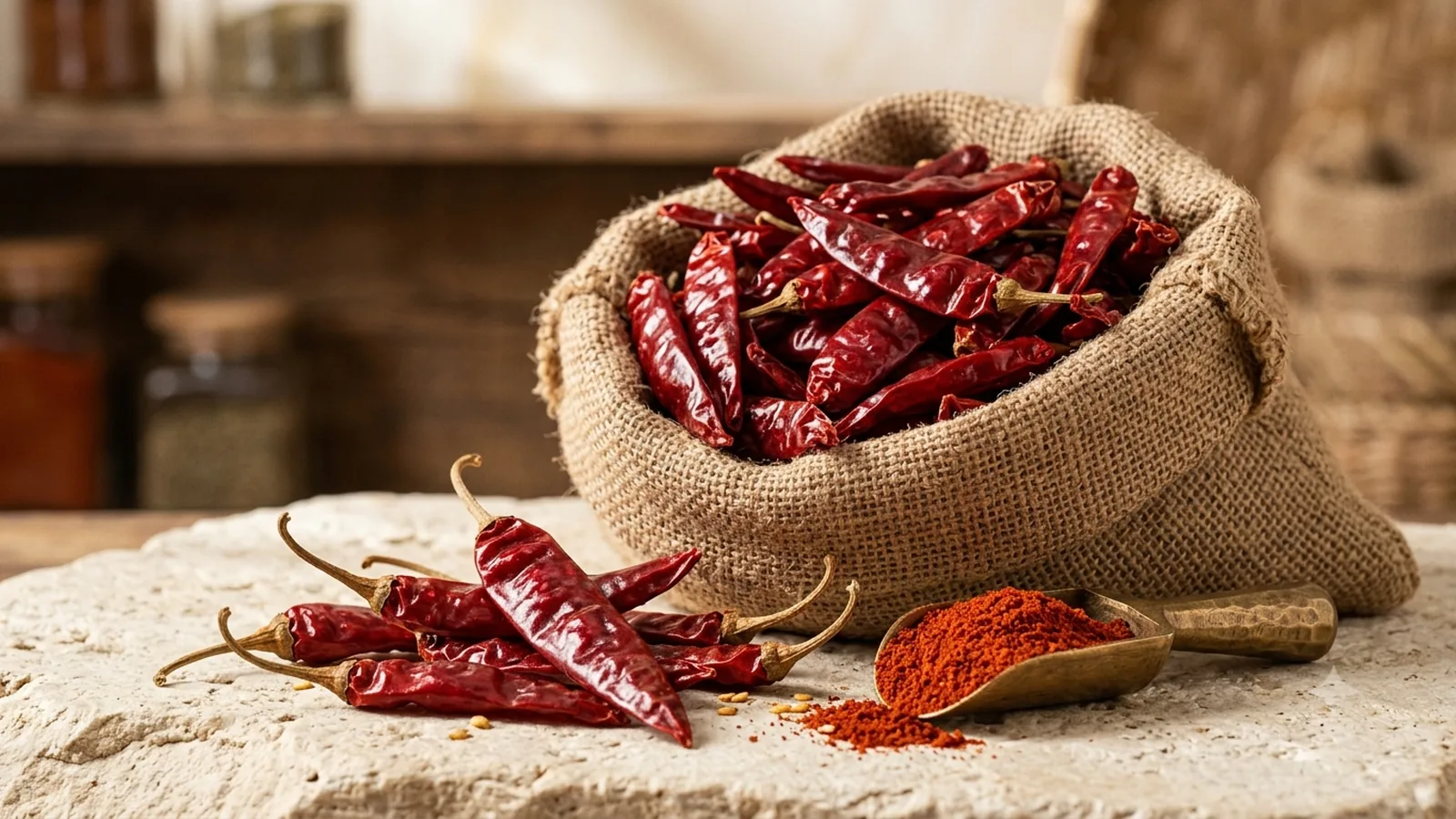
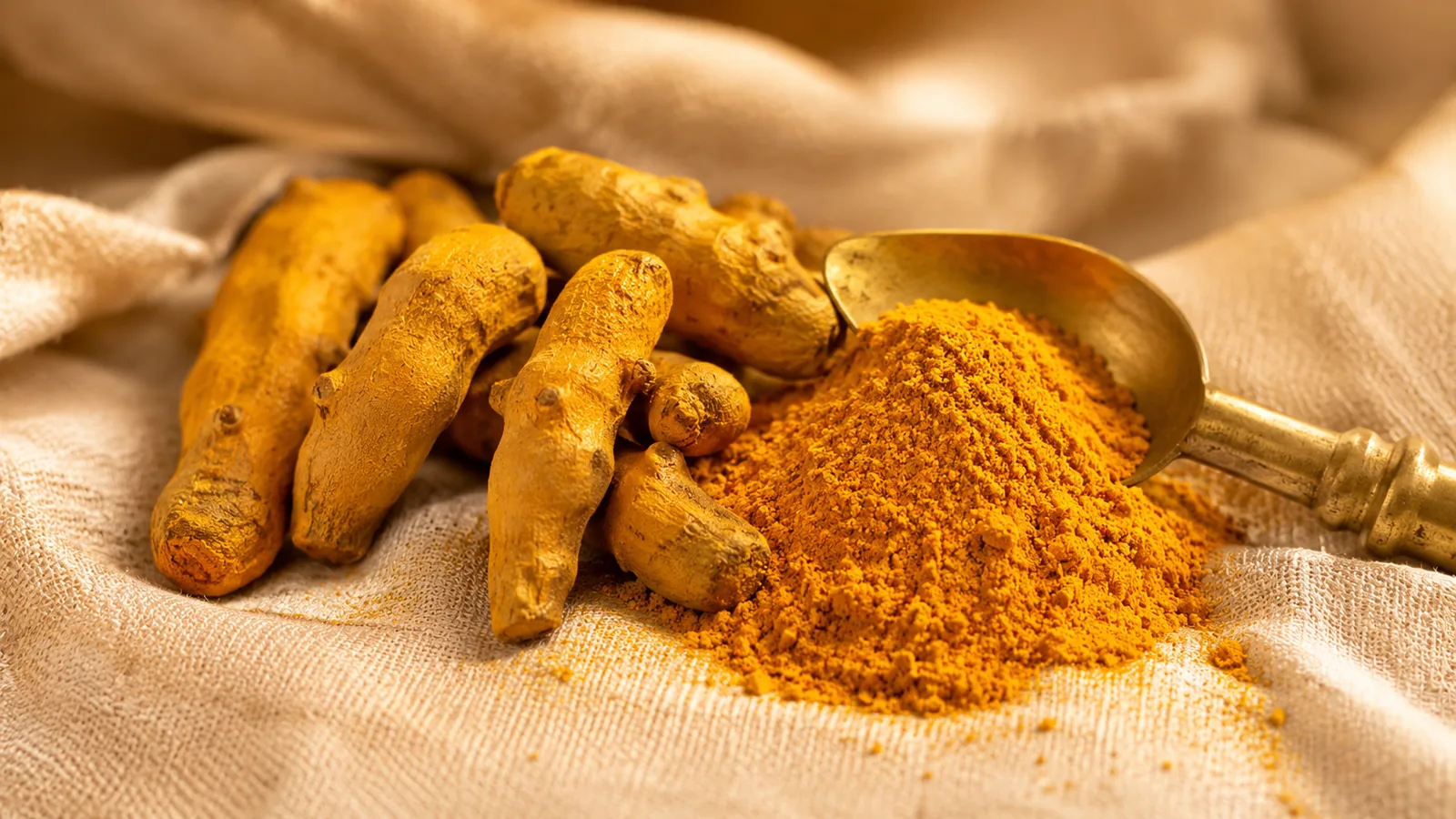
Mustard is the anchor of this industry and it is also its most persistent label problem, because mustard is a declarable allergen in the EU and it travels through shared grinding lines with everything else. Chilli, garlic and turmeric do the colour work, and turmeric in particular is the segment's adulteration exposure: lead chromate is an illegal yellow brightener that only heavy-metal testing catches, and a buyer chasing a brighter yellow at commodity price is the intended target. Sudan dyes play the same role on the red side, with zero tolerance.
Ground spice into a bottled sauce also means the acid does its own work over shelf life. Buyers here tend to test at the bottle rather than at the bag, which makes retention samples and a golden standard at both ends more valuable than in most segments. YouPals coordinates grinding and sterilisation with vetted third-party processors against your spec and owns no facility of its own.
What this industry specifies
Put these on the contract and the lot is repeatable. Leave them off and you are buying on hope.
- Mesh band tuned to your target suspension: fine enough not to settle, coarse enough not to turn the sauce cloudy.
- ASTA colour band on chilli and paprika with both a floor and a ceiling, since a colour overshoot in glass is as much a complaint as a shortfall.
- Heavy-metal panel on turmeric to catch lead chromate, and Sudan dye screening on every red chilli lot at zero tolerance.
- Mustard allergen status and shared-line declaration, per lot, matched to your EU label.
- Yeast and mould plus Salmonella absent in 25 g (eurlex915), specified at the bag even though you hot fill.
- Moisture ceiling, and agreement on how much water the spice contributes to your water-activity calculation.
- Steam sterilisation declared, ETO excluded given the EU ban and 0.1 mg/kg default limit (eurlex915).
- Golden sample retained at both ends with a defined re-issue date, since colour drift in glass is judged by eye.
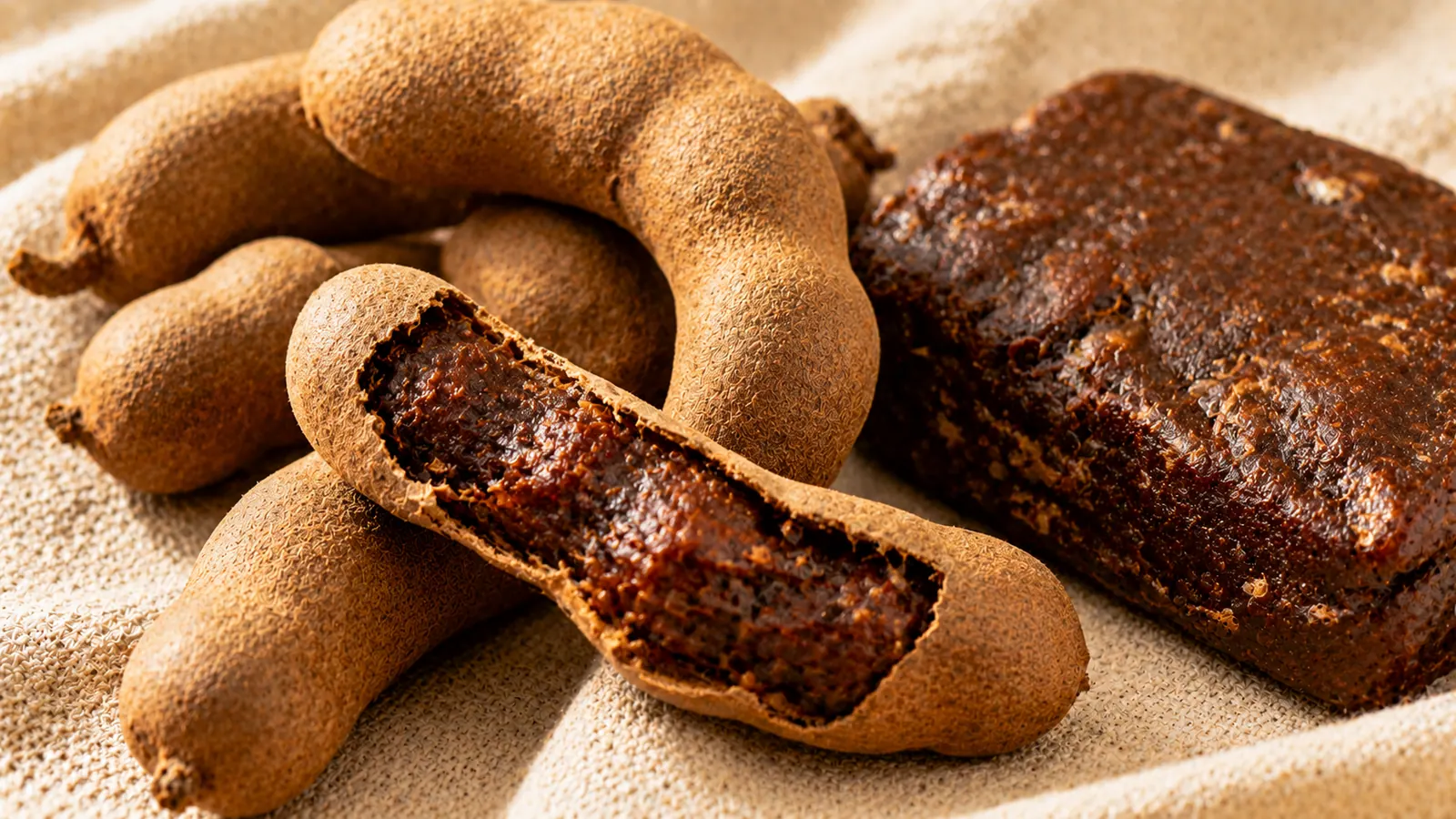
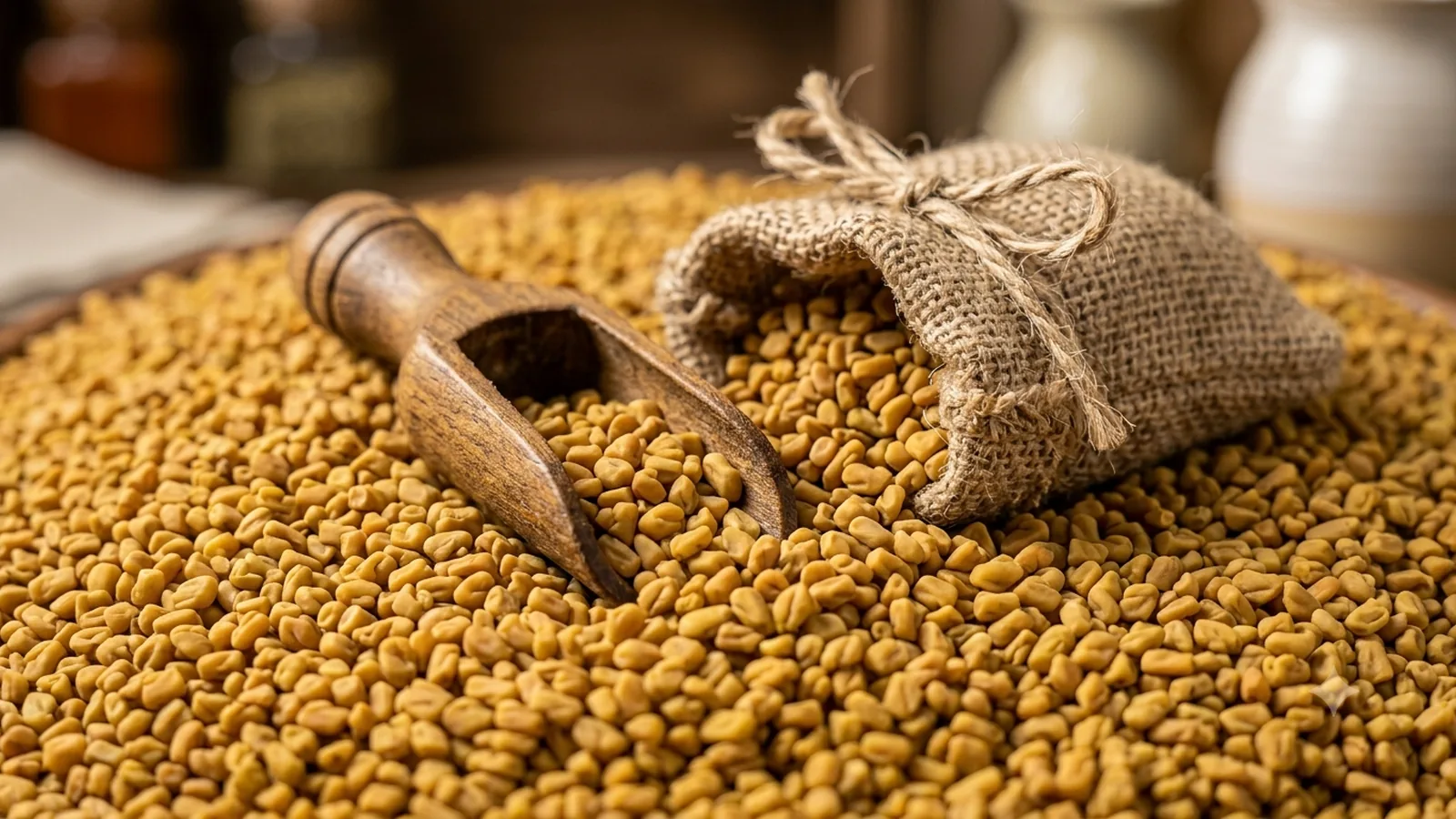
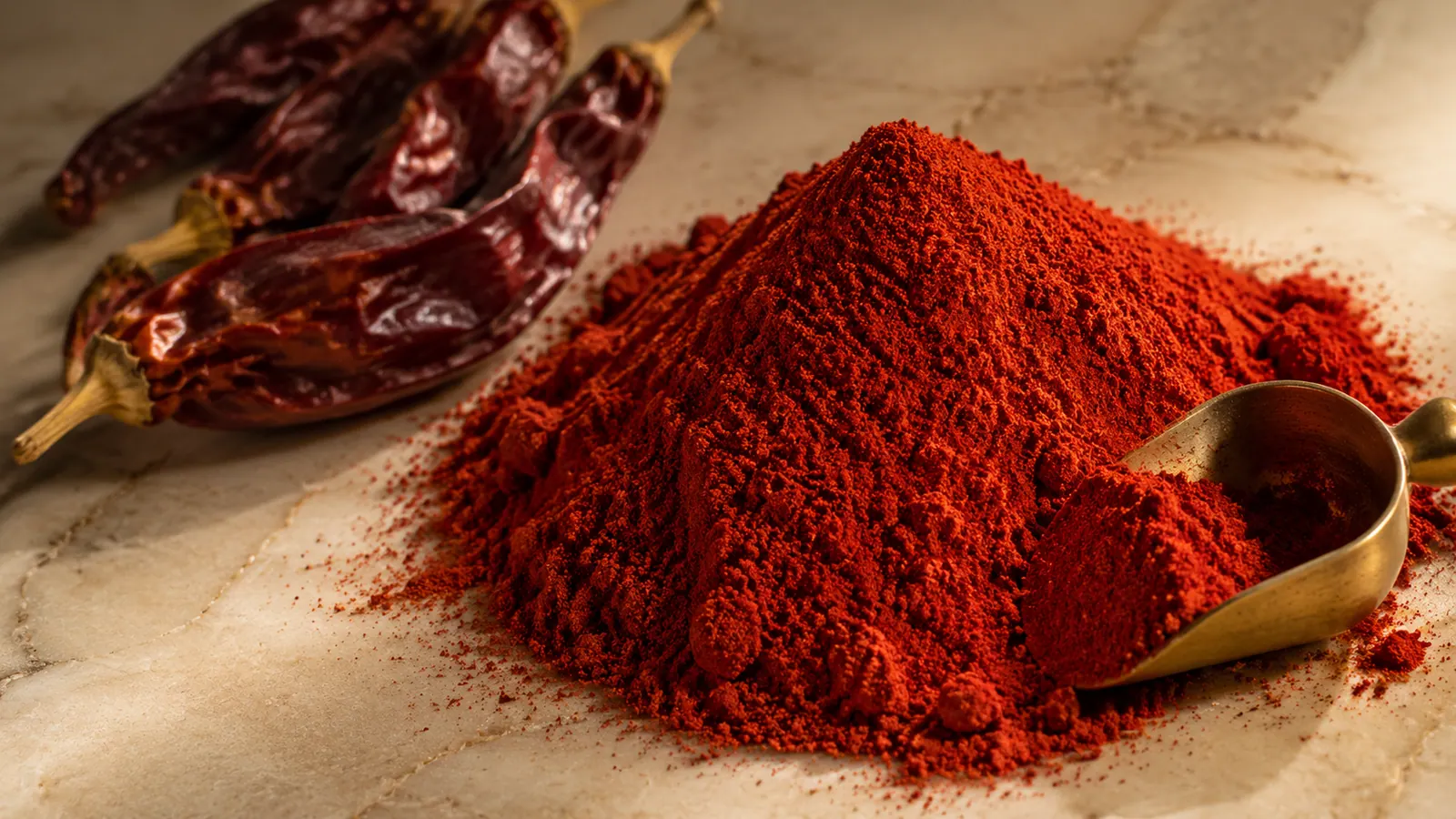
Spices we ship this industry
Compliance that bites this industry
Frequently asked
How do we stop spice settling out of a bottled sauce?
It is a mesh and hydrocolloid question together. We can hold a tight mesh band with a stated oversize tolerance from origin, but the suspension system itself is your formulation call and we will not claim otherwise.
What is the real risk with cheap bright turmeric?
Lead chromate, an illegal yellow brightener that a colour check will not find. It needs a heavy-metal panel. Legitimate colour comes from curcumin, which runs 4–6% in Alleppey-type finger down to 1.5–2.25% in Nizamabad bulb (spicesBoard).
Can you supply mustard from an allergen-segregated line?
We source it. YouPals owns no line, so segregation is a property of the third-party processor. We identify facilities that can evidence it and pass through their declarations per lot rather than asserting it ourselves.
Buying for sauce and condiment makers? Send us your spec sheet — or tell us the application and we will spec it with you, then quote it.
Request a quoteWhat this page does not tell you
- Colour stability at low pH over shelf life
- Behaviour depends on your acid system, fat and bottle. We hold no dated study and will not publish a stability curve a formulator could plan against.
- Settling and suspension performance
- Settling is driven by your viscosity and hydrocolloid system as much as by particle size. We specify the mesh band we can hold and make no claim about the finished suspension.
Sources
- Spices Board of India — Export statistics· Tier 1, retrieved 2026-07-16
- Reg. (EU) 2023/915 — maximum levels for certain contaminants· Tier 1, retrieved 2026-07-16