Industry
Spices for seasoning & blend houses
A blend house sells consistency rather than spice, so its real purchase is a narrow, repeatable colour and heat band it can formulate against for two years without re-tasting the standard.
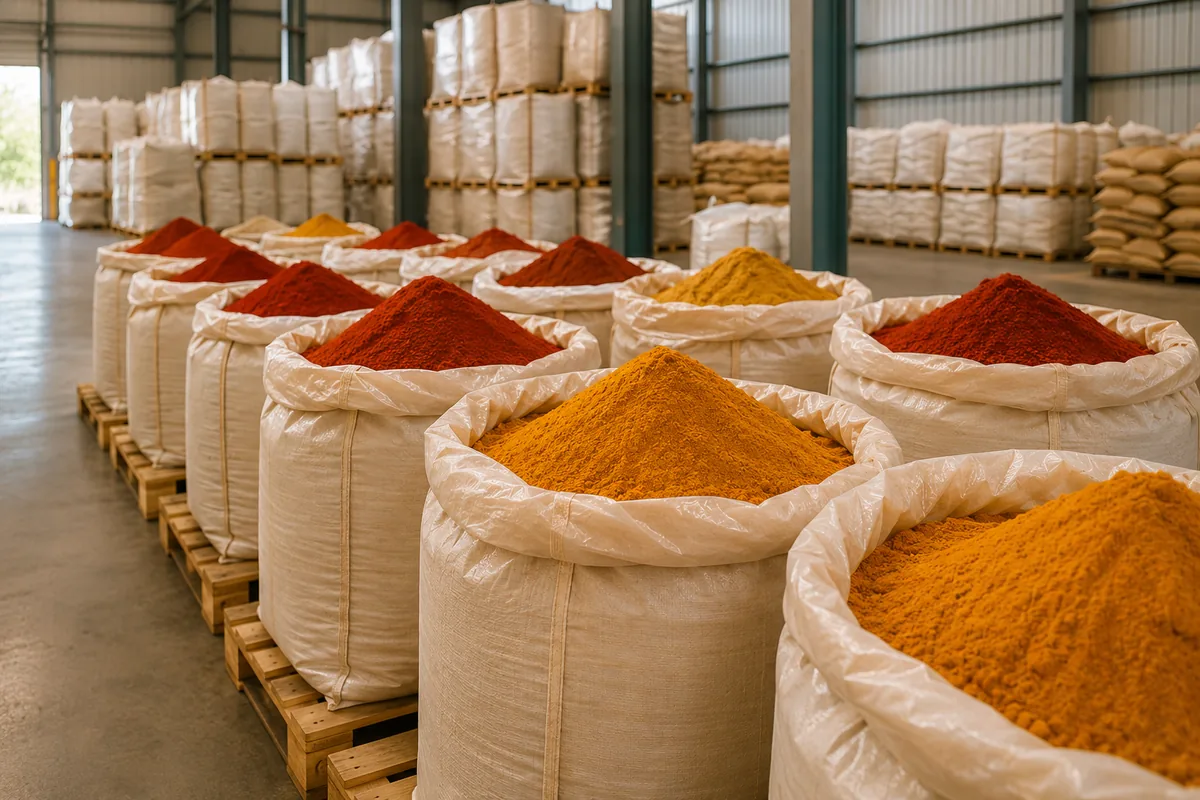
What spices does seasoning and blend houses buy from India?
A blend house sells consistency rather than spice, so its real purchase is a narrow, repeatable colour and heat band it can formulate against for two years without re-tasting the standard.
What seasoning and blend houses buys
Blend houses are the most technically demanding spice buyer in the market because a blend is a formula and a formula assumes its inputs are fixed. When incoming chilli drifts from ASTA 110 to ASTA 95, the blender does not get a slightly paler blend, it gets a reformulation, a re-costing and a conversation with a customer whose own specification did not move. That is why blend houses buy to a band and pay for the band rather than for the headline commodity price.
The result is a buying pattern that looks strange from outside. Blend houses will pay a premium for Byadgi at 8,000–15,000 SHU and ASTA colour 130–150 precisely because it is bought for colour, not heat, and pair it with Guntur Sannam S4 at 35,000–45,000 SHU and ASTA 100–120 to carry the heat, tuning the ratio to land a target the customer specified (spicesBoard). The same logic runs through turmeric, where curcumin varies by origin from Alleppey-type finger at 4–6% down to Nizamabad bulb at 1.5–2.25% (spicesBoard), and a blender picking on price alone will quietly change the colour of a retail line.
Blend houses also carry the allergen and label risk for everyone downstream. A blend crosses more lines and more suppliers than any single spice, so cross-contact declarations, sterilisation route and origin substitution all have to be pinned per input. YouPals coordinates that with vetted third-party processors and discloses the facility behind each lot; it operates no line of its own.
What this industry specifies
Put these on the contract and the lot is repeatable. Leave them off and you are buying on hope.
- A colour band with an accept/reject rule at both ends, not a minimum. A lot above your band changes the blend as surely as a lot below it.
- Heat band in SHU with the analysis method named, and agreement on whose lab breaks a tie.
- Mesh band matched to your other inputs so the blend does not stratify or segregate in the tote on the way to filling.
- Bulk density, which governs whether the blend fills your sachet by volume as the costing assumed.
- Origin and varietal locked by name, since Byadgi and Sannam are not interchangeable at any ratio (spicesBoard).
- Sterilisation route declared per input, with ETO excluded on the contract face given the EU ban and 0.1 mg/kg default limit (eurlex915).
- Allergen and cross-contact statement per input, listing what else ran on the line.
- Retained standards: an agreed golden sample at both ends with a defined re-issue date.
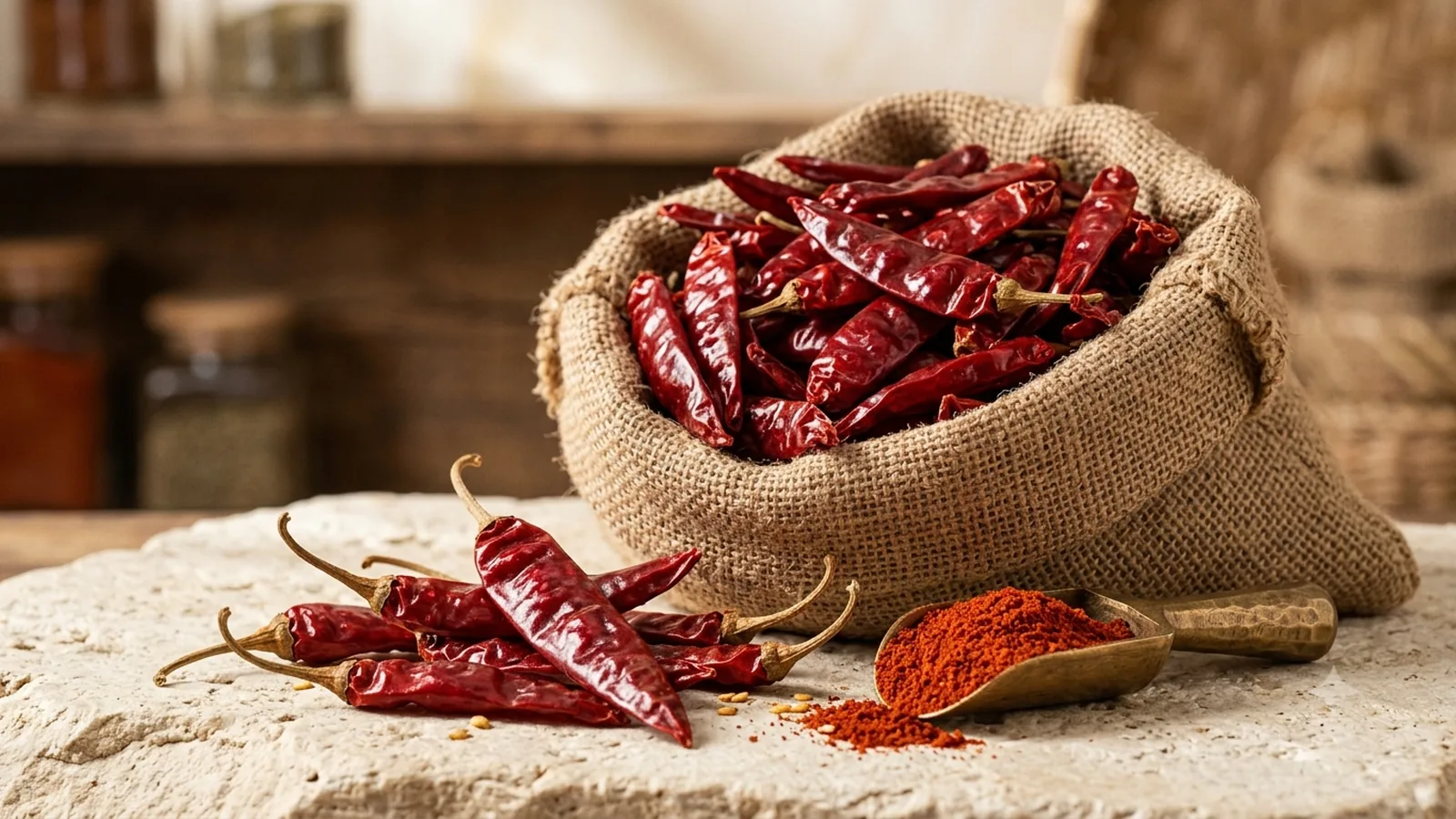
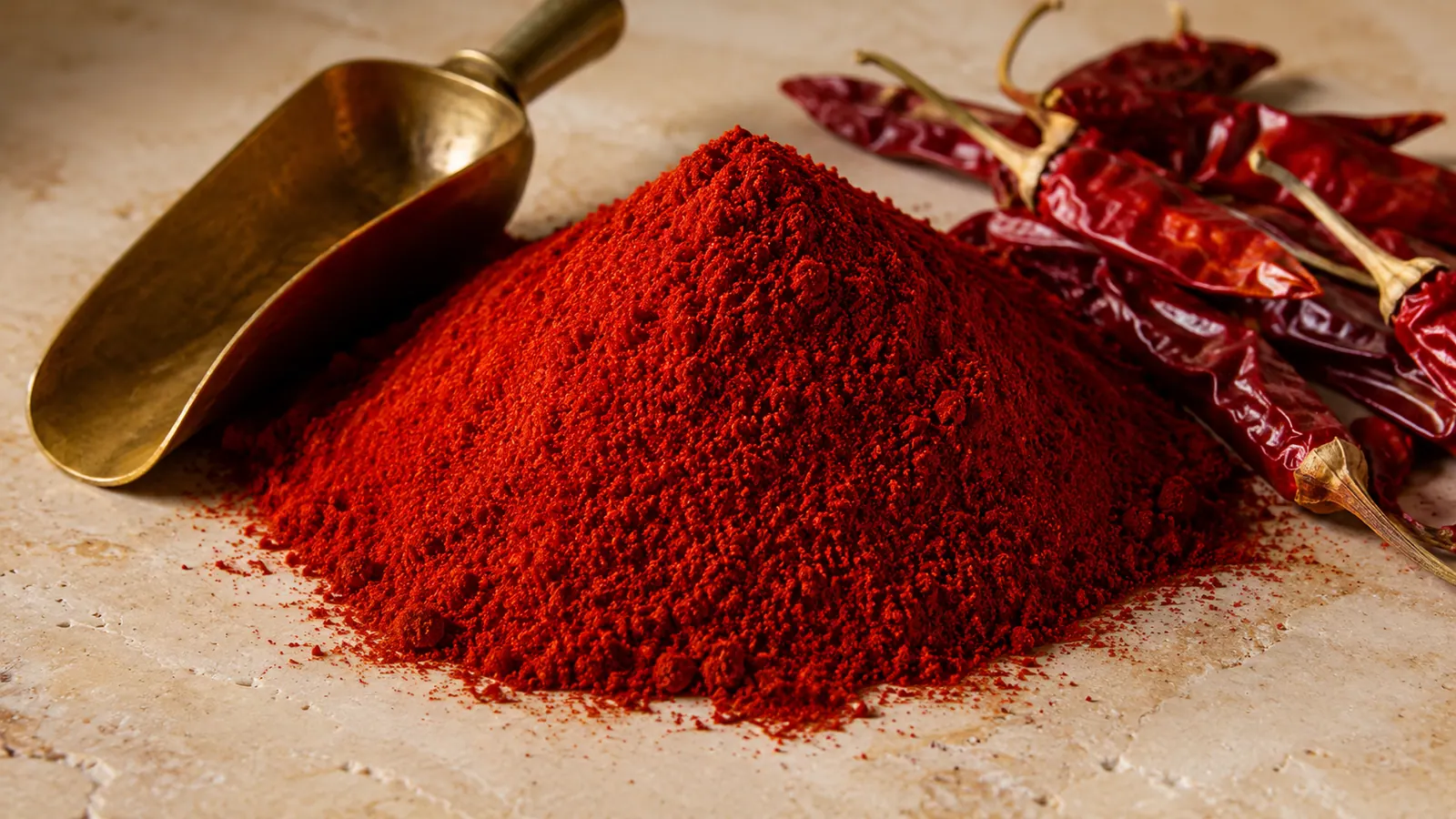
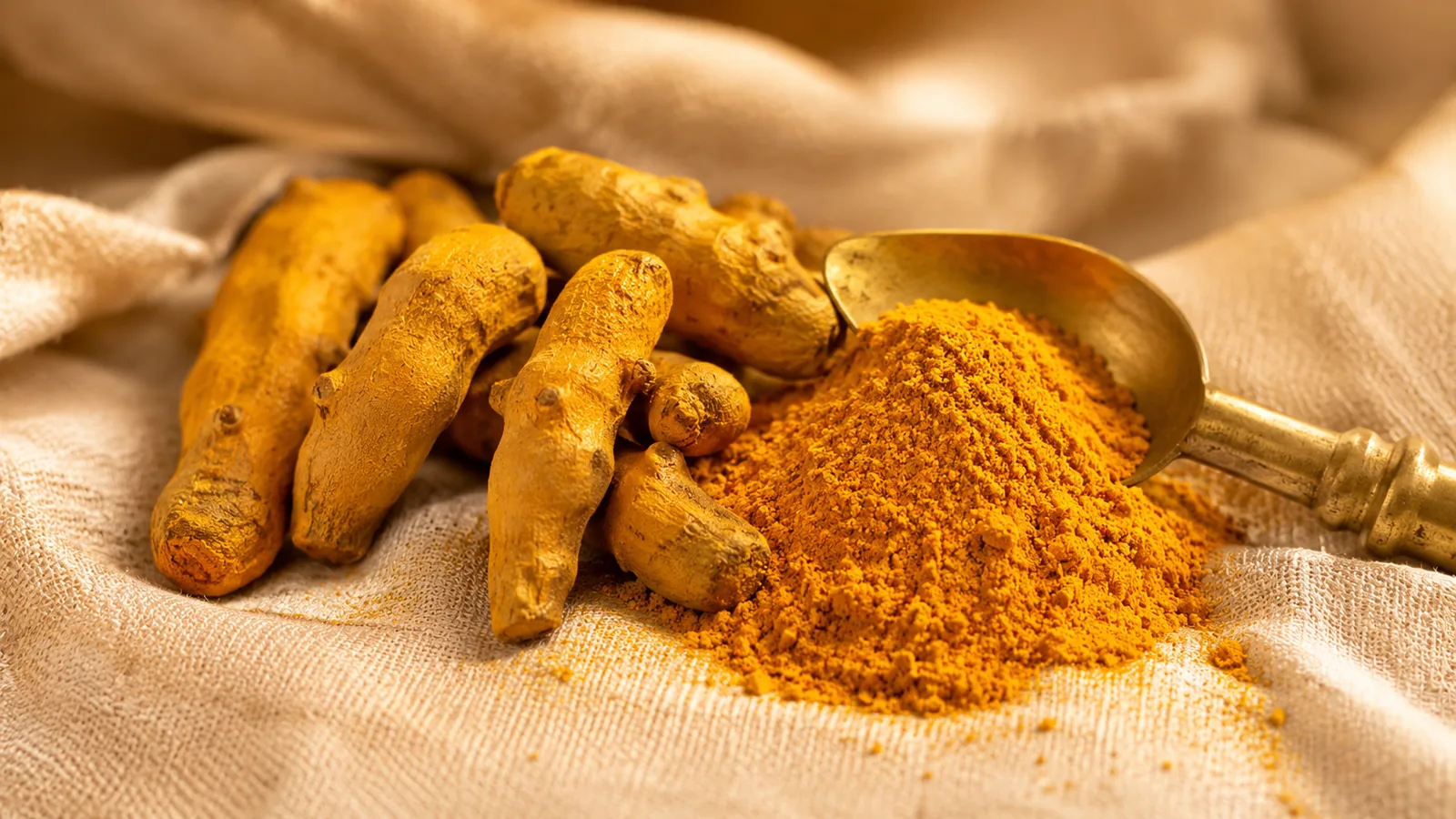
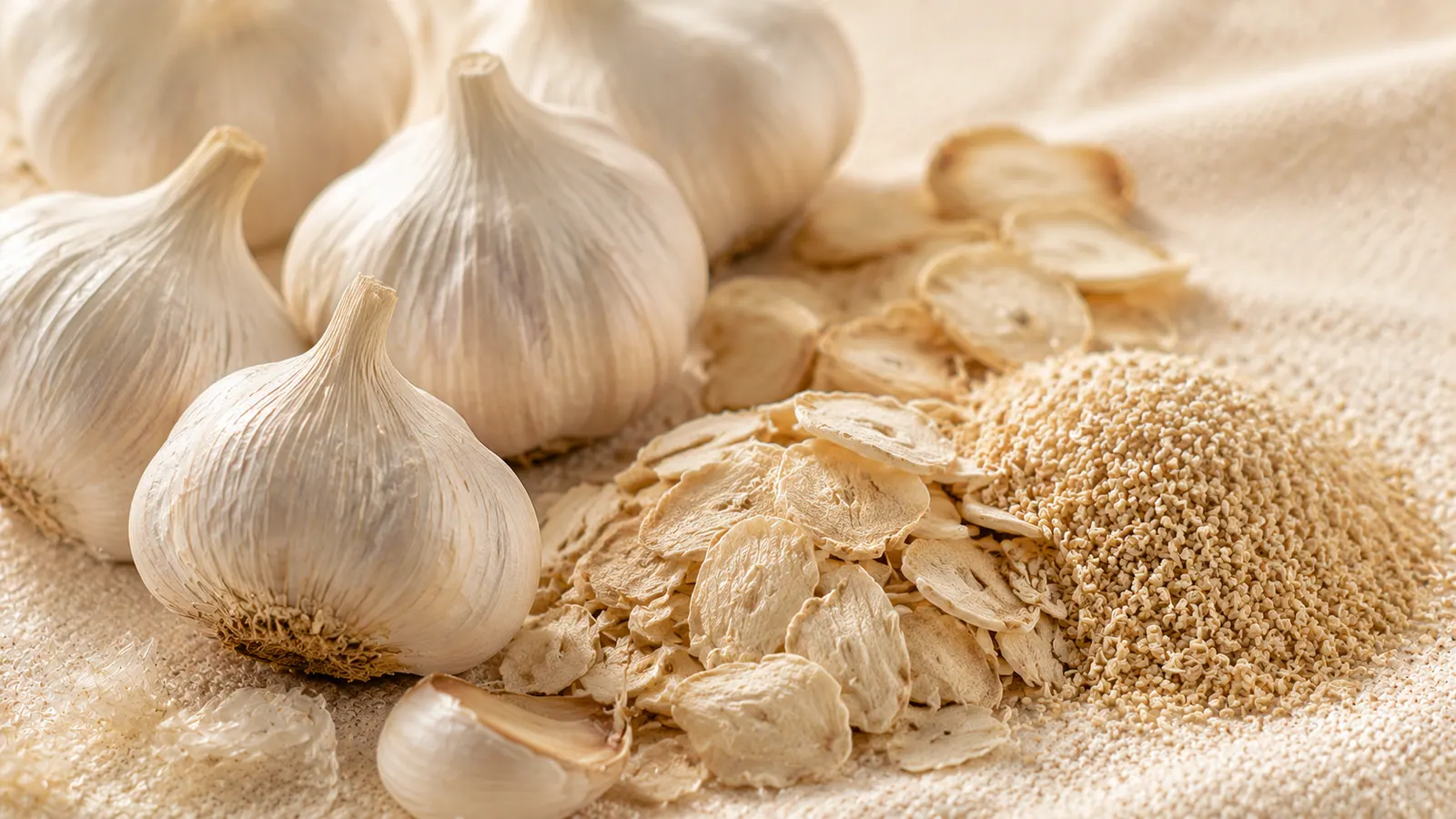
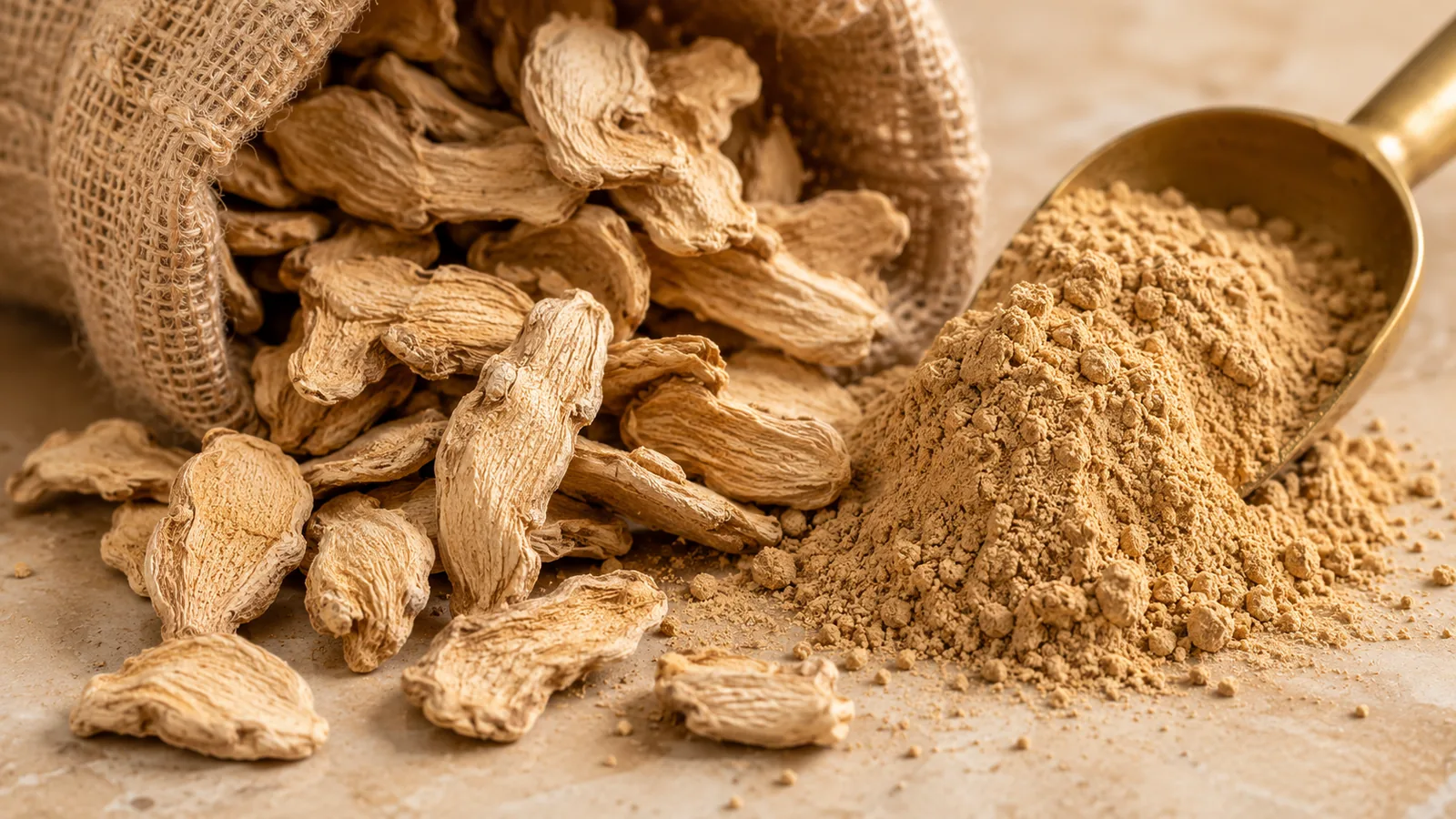
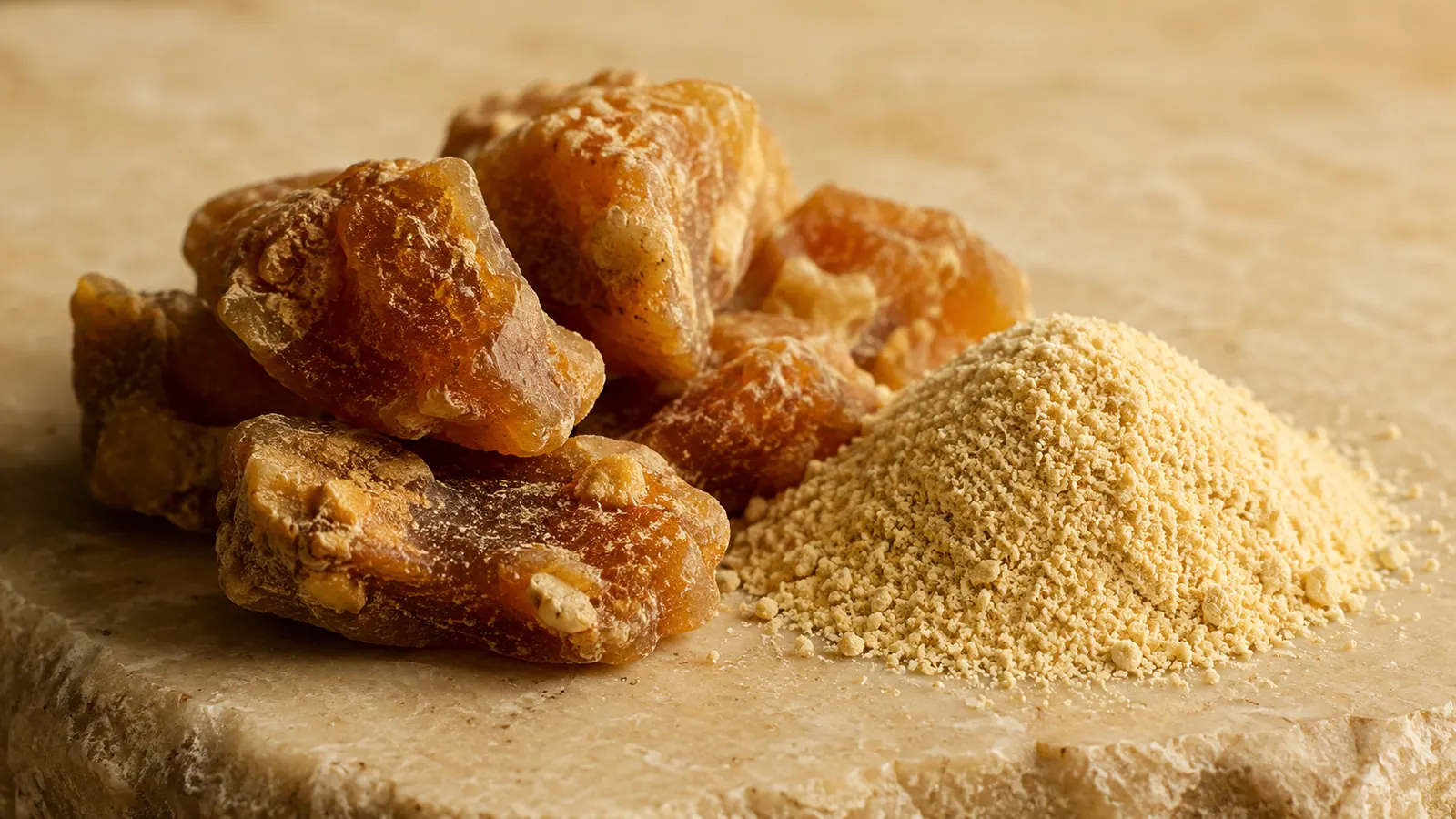
Spices we ship this industry
Compliance that bites this industry
Frequently asked
How do you hold a colour band across a season?
By buying to the band at origin rather than sorting to it afterwards, and by naming the varietal. Byadgi runs ASTA 130–150 and Sannam S4 runs 100–120 (spicesBoard), so the varietal choice sets the band before any lot is picked.
Why do you refuse to quote a Teja S17 heat figure?
Teja S17 ASTA colour is verified at 110–130 (spicesBoard). Its SHU is widely quoted but we have no primary source for it, so we will not put a number on a contract. Specify heat by lab result on the offered lot.
Can you match a competitor's blend?
We can source inputs to a specification you supply. We do not reverse-engineer or replicate a third party's formula, and we will not represent a match we have not measured against your own golden sample.
Buying for seasoning and blend houses? Send us your spec sheet — or tell us the application and we will spec it with you, then quote it.
Request a quoteWhat this page does not tell you
- Teja S17 Scoville rating
- Colour is verified at ASTA 110–130 (spicesBoard). The SHU figures circulating in trade literature are not traceable to a primary source, so we state none.
- Blend stability over time
- How fast a finished blend drifts depends on your formula, pack and warehouse. We hold no dated study on it and decline to imply one.
Sources
- Spices Board of India — Export statistics· Tier 1, retrieved 2026-07-16
- Reg. (EU) 2023/915 — maximum levels for certain contaminants· Tier 1, retrieved 2026-07-16
- CBI — Entering the European market for spices and herbs· Tier 2, retrieved 2026-07-16