Industry
Spices for food manufacturing
In food manufacturing the spice is not a product but an ingredient line in a HACCP plan, so the specification is written by QA, approved by procurement, and audited by a customer who will never taste it.
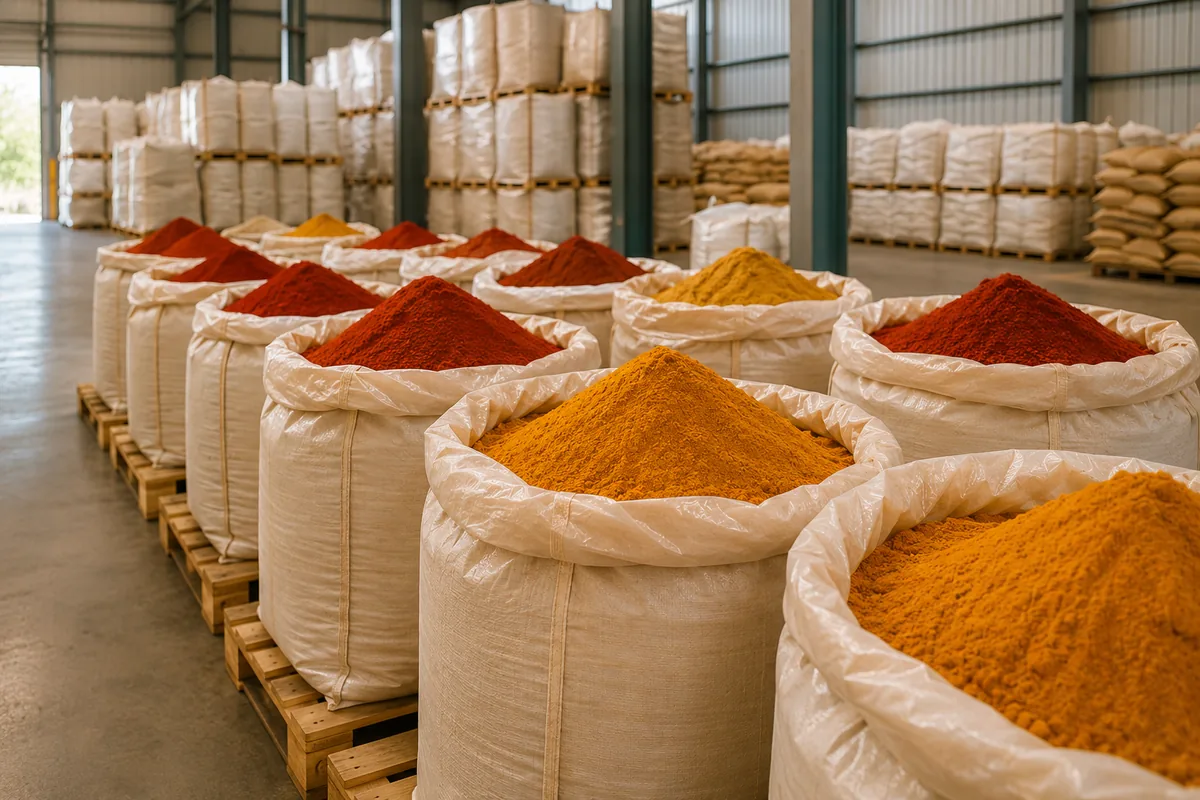
What spices does the food manufacturing industry buy from India?
In food manufacturing the spice is not a product but an ingredient line in a HACCP plan, so the specification is written by QA, approved by procurement, and audited by a customer who will never taste it.
What the food manufacturing industry buys
Food manufacturers are the broadest spice buyer in the market and the most procedural. A manufacturer rarely buys "chilli"; it buys a numbered raw-material specification with a colour band, a particle-size band, a moisture ceiling, a microbial limit and an approved-supplier code attached, and that document is what the third-party audit checks against, not the invoice. The buying decision therefore turns on whether an exporter can hit the same specification on lot 40 that it hit on lot 1, which is a different question from whether it can hit the specification once.
What separates this industry from the segments below it is the width of the basket and the shallowness of any single line. A mid-size manufacturer may carry sixty spice SKUs across four plants, most of them consumed in single-digit tonnes a year, and the cost of managing sixty supplier relationships exceeds the margin on most of them. That pushes manufacturers toward consolidated shipments, one document set, one dossier format and one point of accountability, which is precisely the role a sourcing desk fills.
YouPals is a sourcing desk. It owns no mill, no steriliser and no line. Cleaning, grinding, sterilisation and packing are coordinated with vetted third-party processors against your written specification, and the value we add is origin selection, supplier vetting, pre-shipment sampling and a test dossier that arrives with the container instead of three weeks after it.
What this industry specifies
Put these on the contract and the lot is repeatable. Leave them off and you are buying on hope.
- The raw-material spec number and revision the lot must be released against, plus who at your end may approve a deviation.
- Colour, heat and active bands stated as ranges, not targets: ASTA colour for chilli and paprika, curcumin percentage for turmeric, volatile oil where flavour impact matters.
- Particle size as a mesh band with a permitted oversize/undersize percentage, not a single mesh number, since no grind is monodisperse.
- Moisture ceiling and water activity, because these drive both caking in your silo and mould risk in the container.
- Microbial specification with the method named: total plate count, yeast and mould, E. coli, and Salmonella absent in 25 g under EU rules (eurlex915).
- Sterilisation route stated explicitly as steam or none. Ethylene oxide has been a banned pesticide in the EU since 1991 and carries a 0.1 mg/kg default limit (eurlex915), so an ETO-treated lot is a recall, not a discount.
- Allergen and cross-contact status of the processing line, declared per lot, with the shared-line list named.
- Lot coding and traceability back to the mandi or estate lot, and retention samples held at both ends for the shelf life of your finished product.
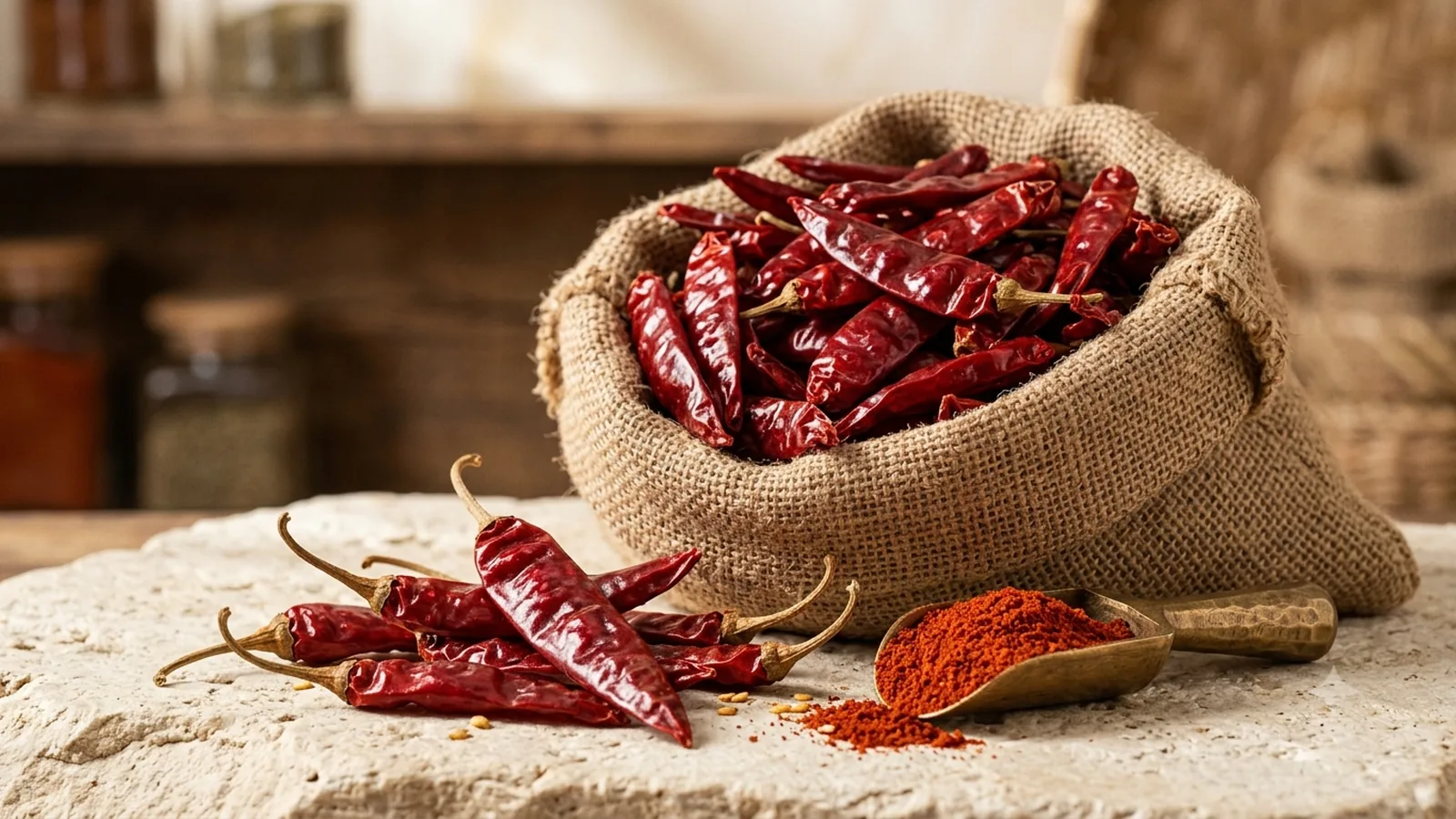
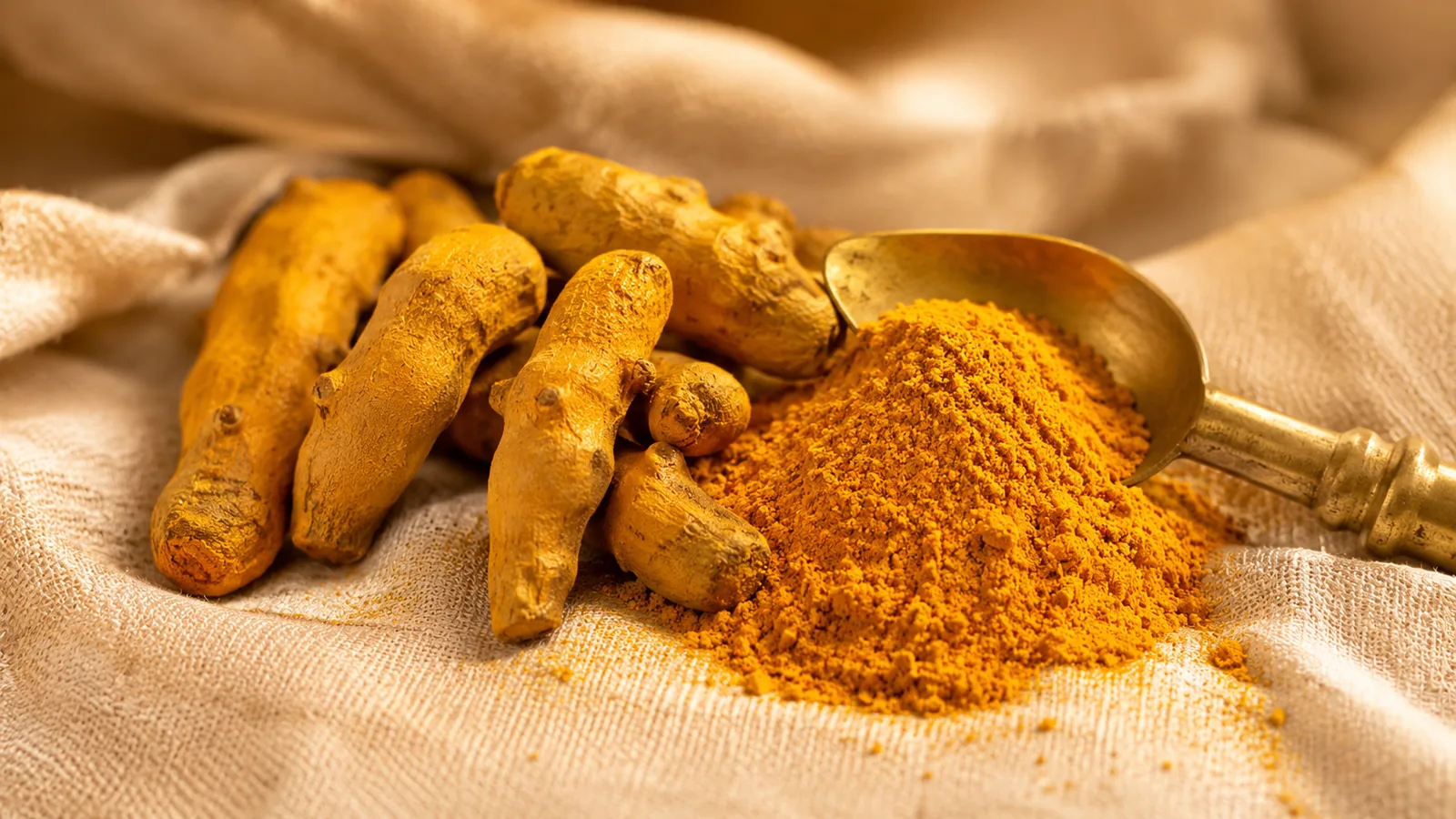
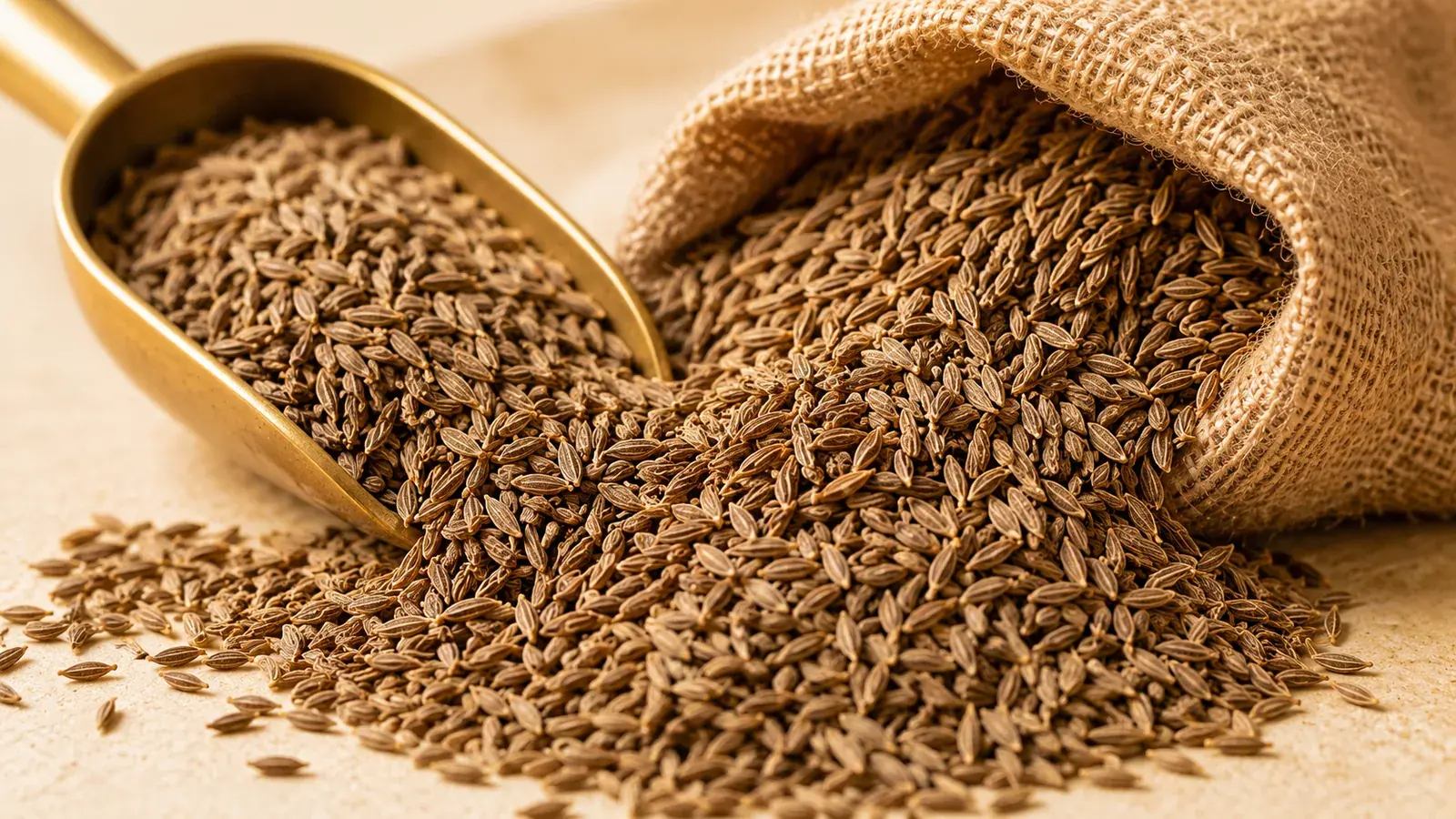
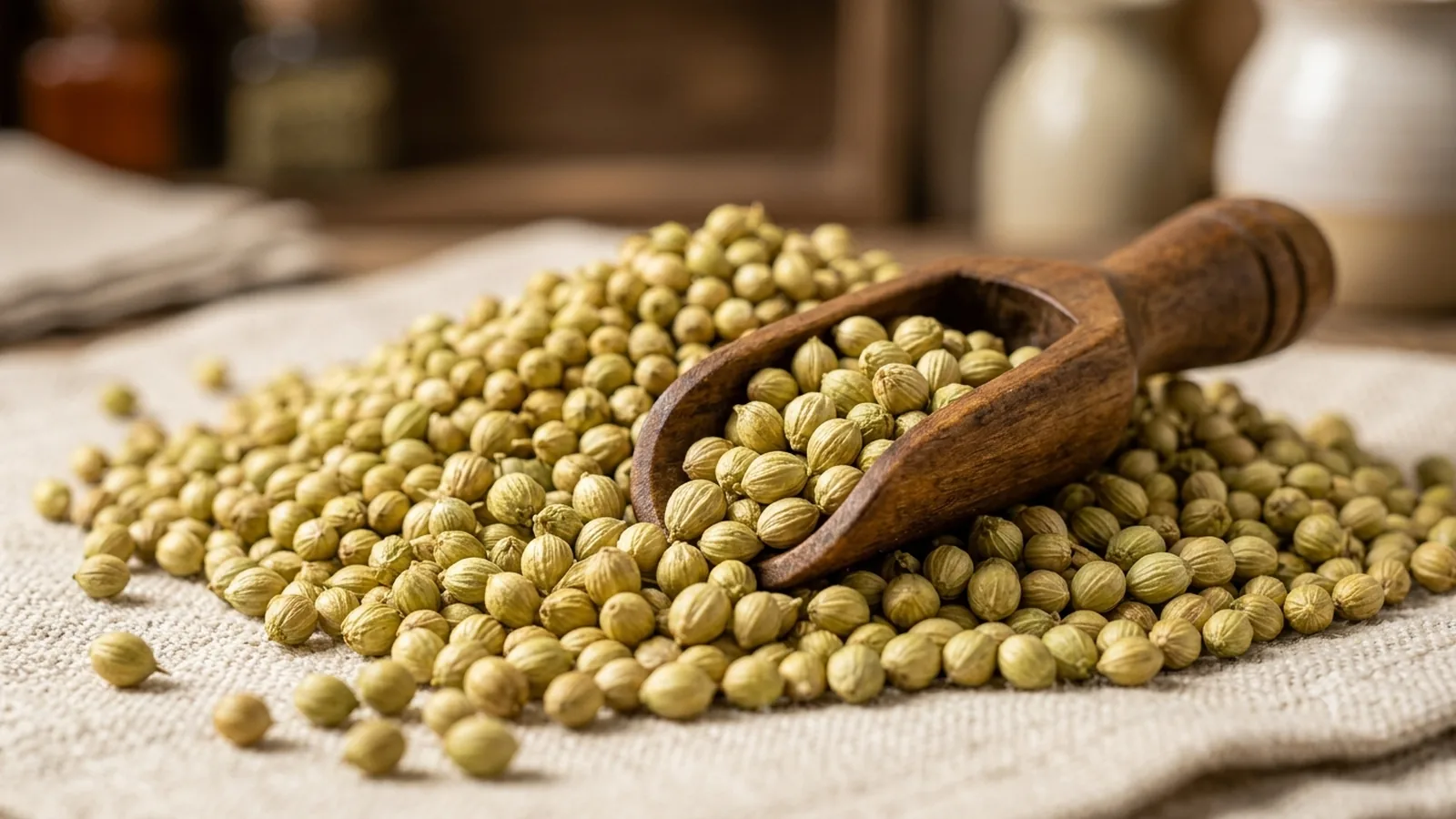
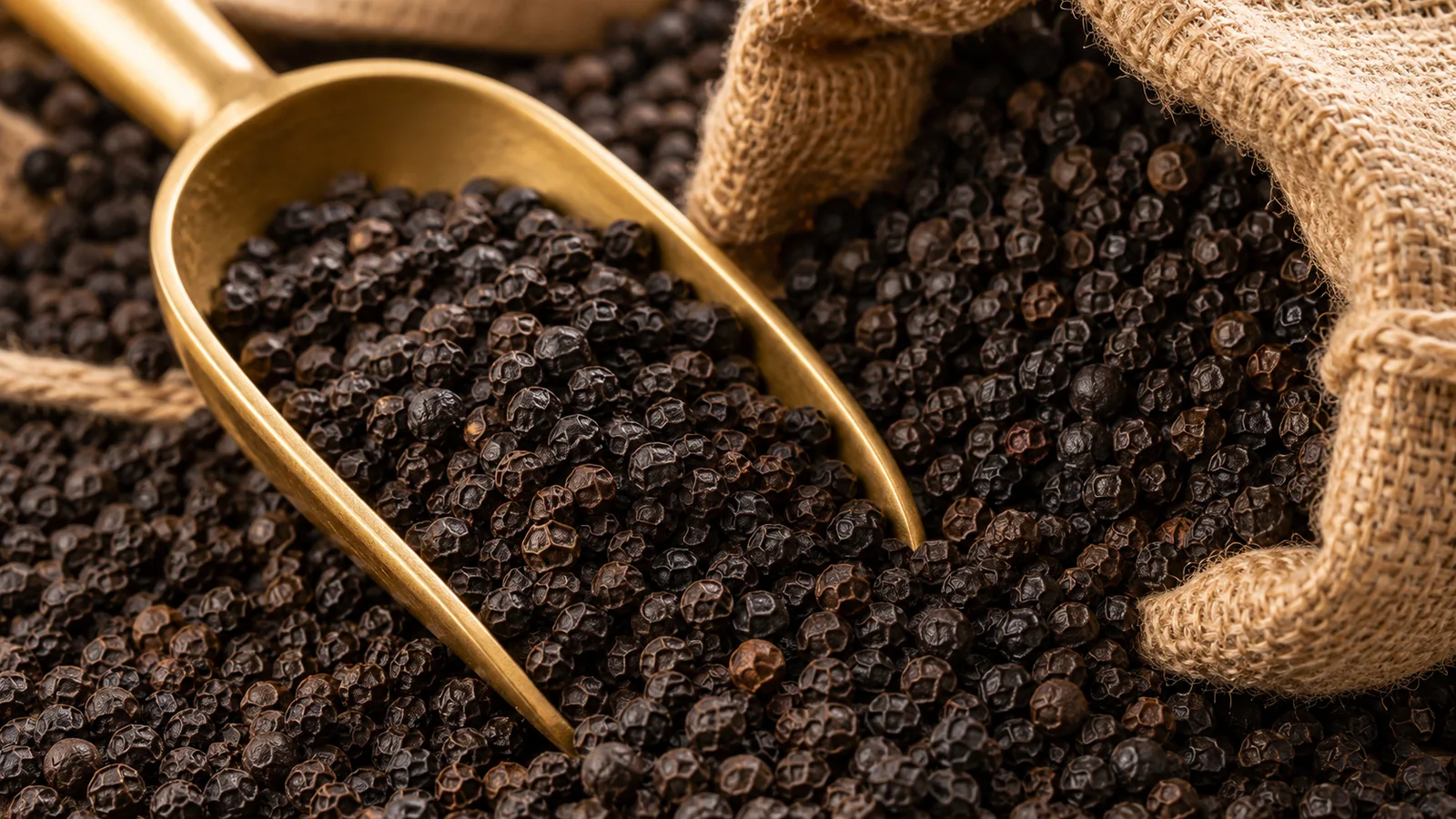
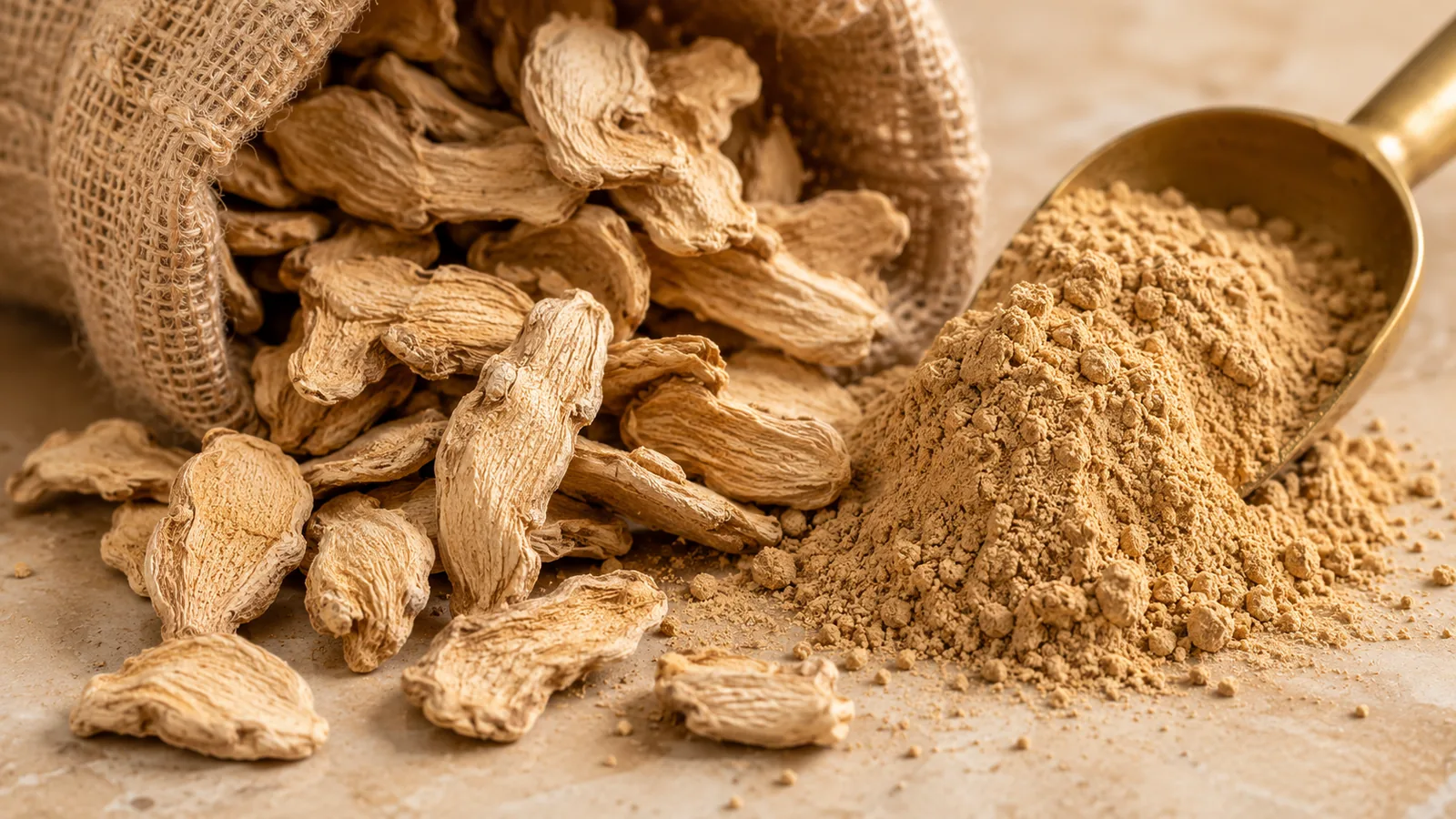
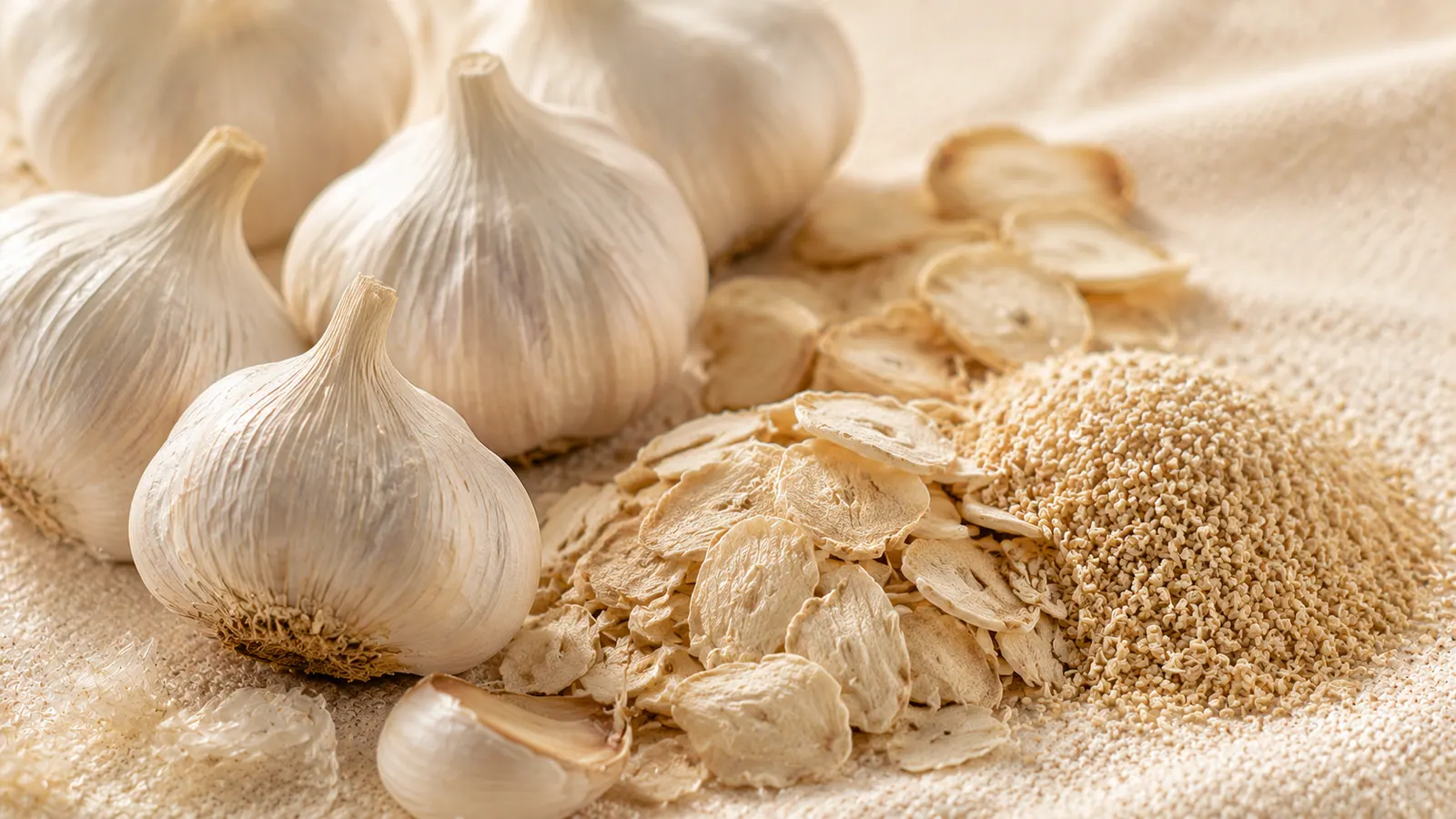
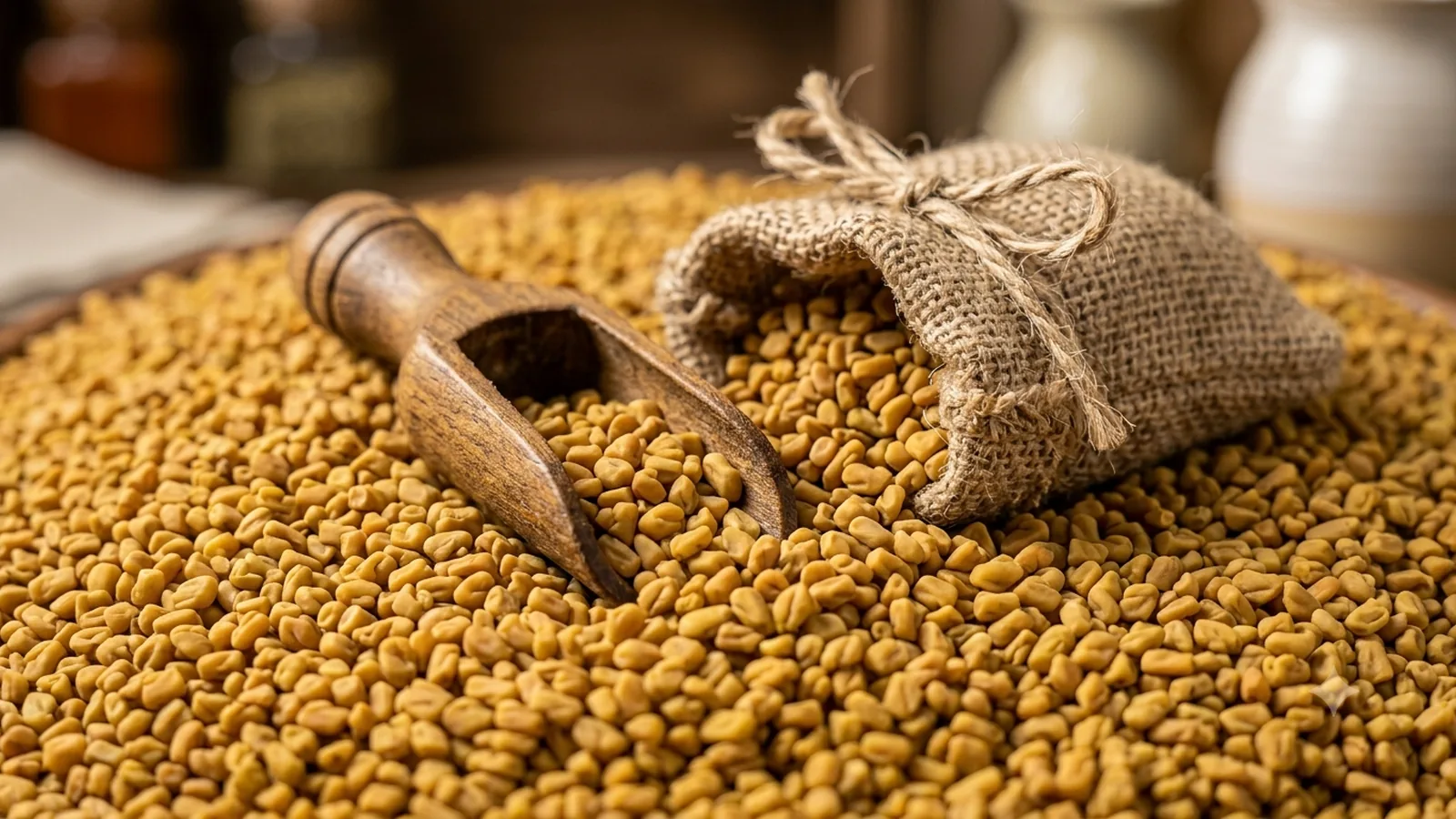
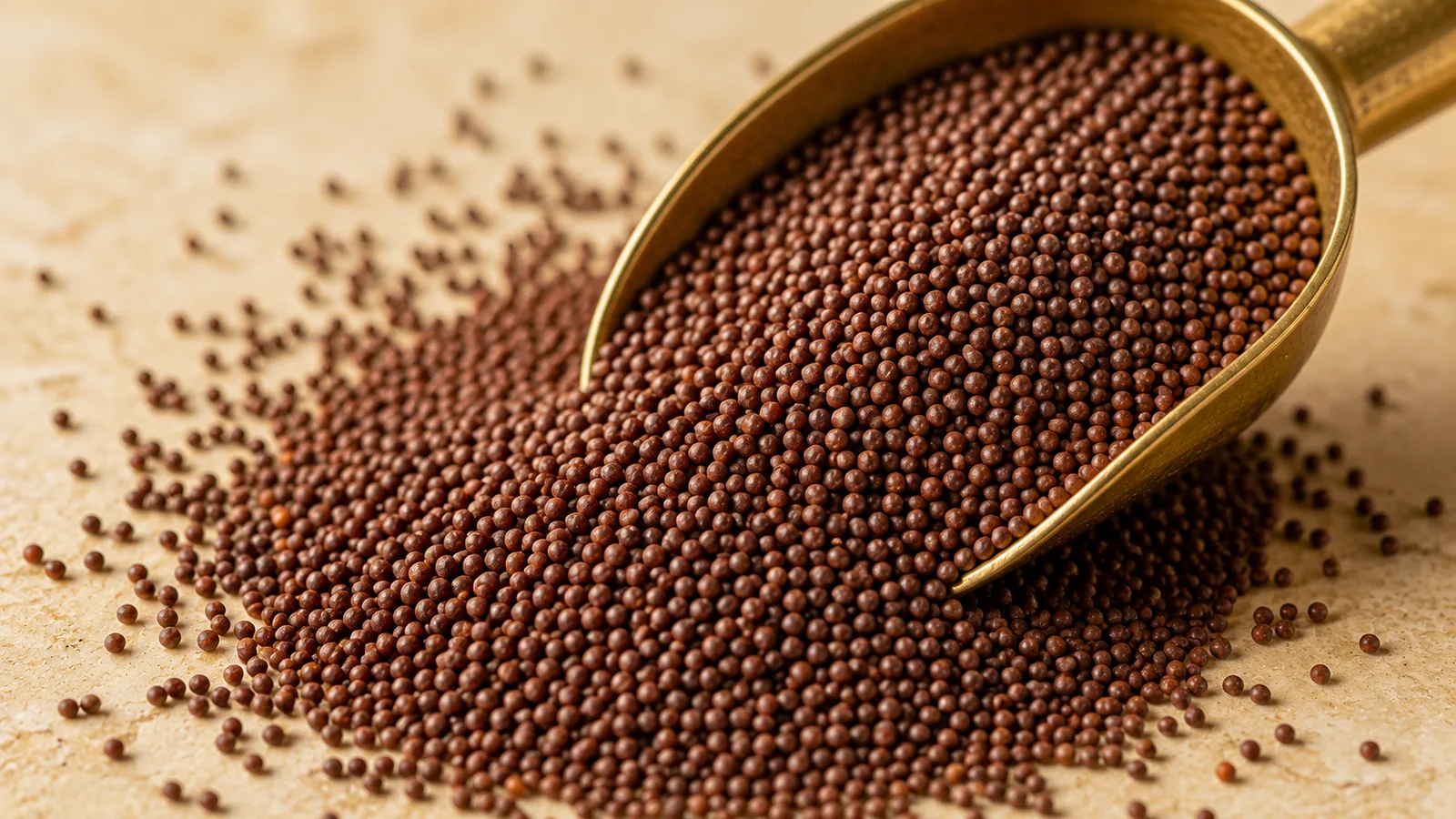
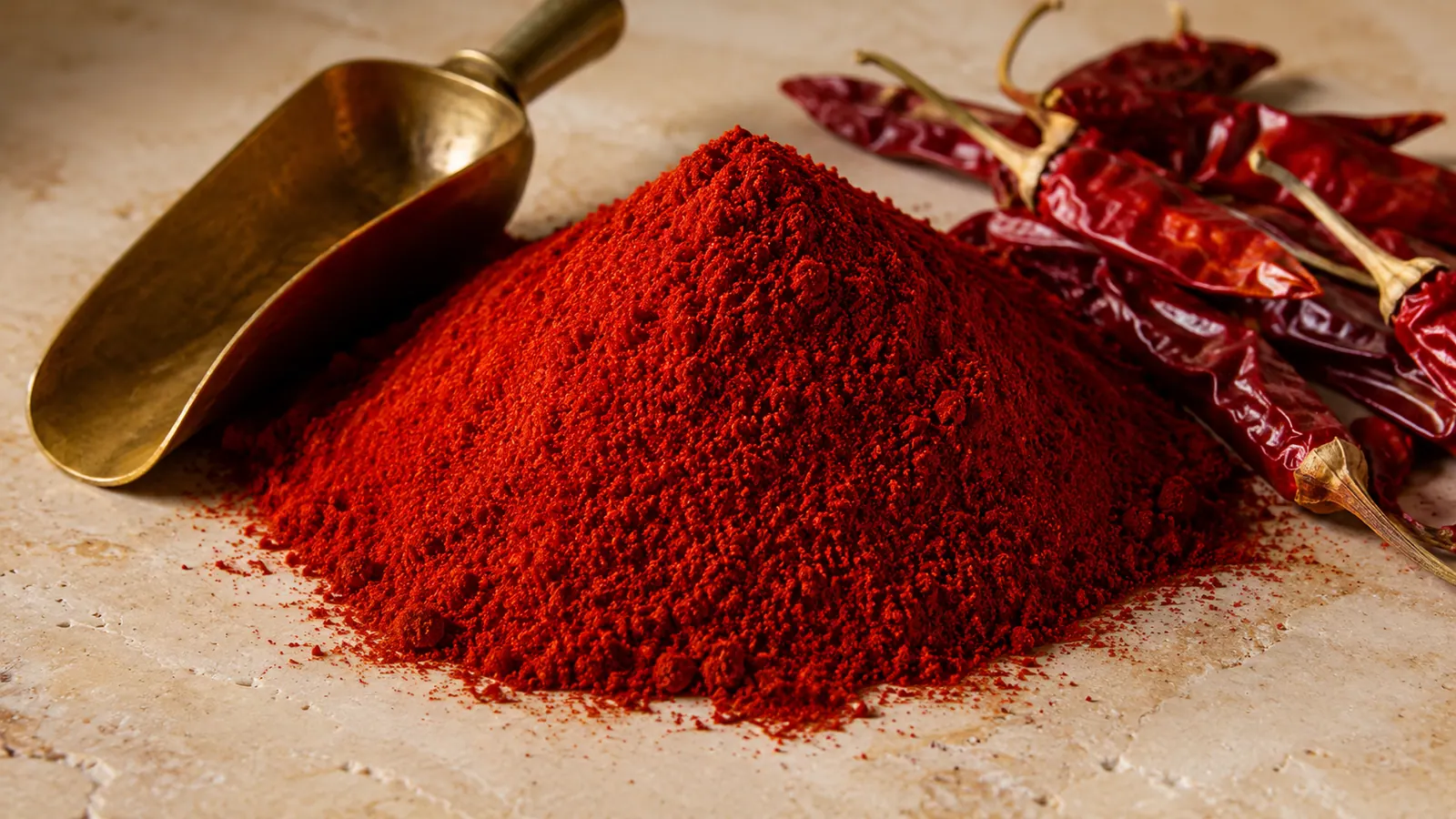
Spices we ship this industry
Compliance that bites this industry
Frequently asked
Can you ship against our existing raw-material specification rather than your grade sheet?
Yes, and that is the preferred route. Send the spec and revision number. We will confirm what is achievable at origin, flag any clause that no Indian lot reliably meets, and quote against the document rather than a generic grade.
Do you operate the grinding and sterilisation yourselves?
No. YouPals is a sourcing desk and owns no processing assets. Cleaning, grinding, sterilisation and packing are coordinated with vetted third-party processors under your specification, and we disclose which facility handled a lot.
What order size makes sense for a first trial?
Trade practice for samples is roughly 50–100 kg, with sea LCL viable from about 1–5 MT and a 20ft FCL taking around 18–22 MT of dense seed spice (cbi). Whole dried chilli cubes out and ships light.
Buying for the food manufacturing industry? Send us your spec sheet — or tell us the application and we will spec it with you, then quote it.
Request a quoteWhat this page does not tell you
- Shelf-life and flavour-retention curves
- Retention depends on your pack, headspace and storage temperature. We hold no dated study covering those variables and will not publish a shelf-life figure we cannot source.
- Facility certification scope
- YouPals holds no processing certification of its own. Any BRCGS, FSSC or organic scope belongs to the third-party processor for a given lot and must be verified against that facility's live certificate.
Sources
- Reg. (EU) 2023/915 — maximum levels for certain contaminants· Tier 1, retrieved 2026-07-16
- CBI — Entering the European market for spices and herbs· Tier 2, retrieved 2026-07-16
- Spices Board — Certificate of Registration as Exporter of Spices (CRES)· Tier 1, retrieved 2026-07-16