Industry
Spices for nutraceutical & supplements
Supplement buyers are the only spice customers whose product carries a numeric claim on the front of the pack, so every kilo they buy has to survive a label-claim audit rather than a taste panel.
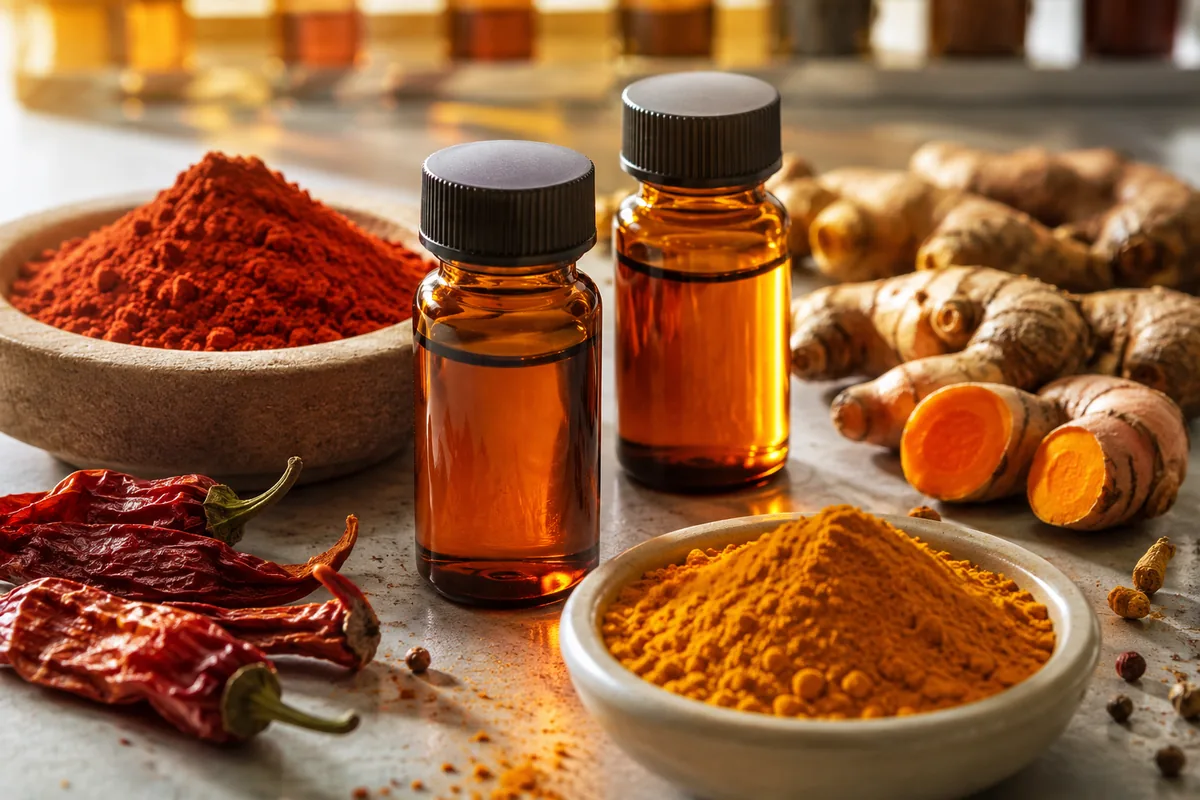
What spices does nutraceutical and supplement makers buy from India?
Supplement buyers are the only spice customers whose product carries a numeric claim on the front of the pack, so every kilo they buy has to survive a label-claim audit rather than a taste panel.
What nutraceutical and supplement makers buys
A nutraceutical buyer purchases a dose, not an ingredient. The label says 500 mg of a standardised extract or a stated botanical quantity, and the entire supply chain exists to make that sentence defensible to a regulator, a retailer's technical team and eventually a plaintiff's lawyer. That reorders the contract: identity, assay, contaminants and documentation, in that order, with organoleptics almost irrelevant.
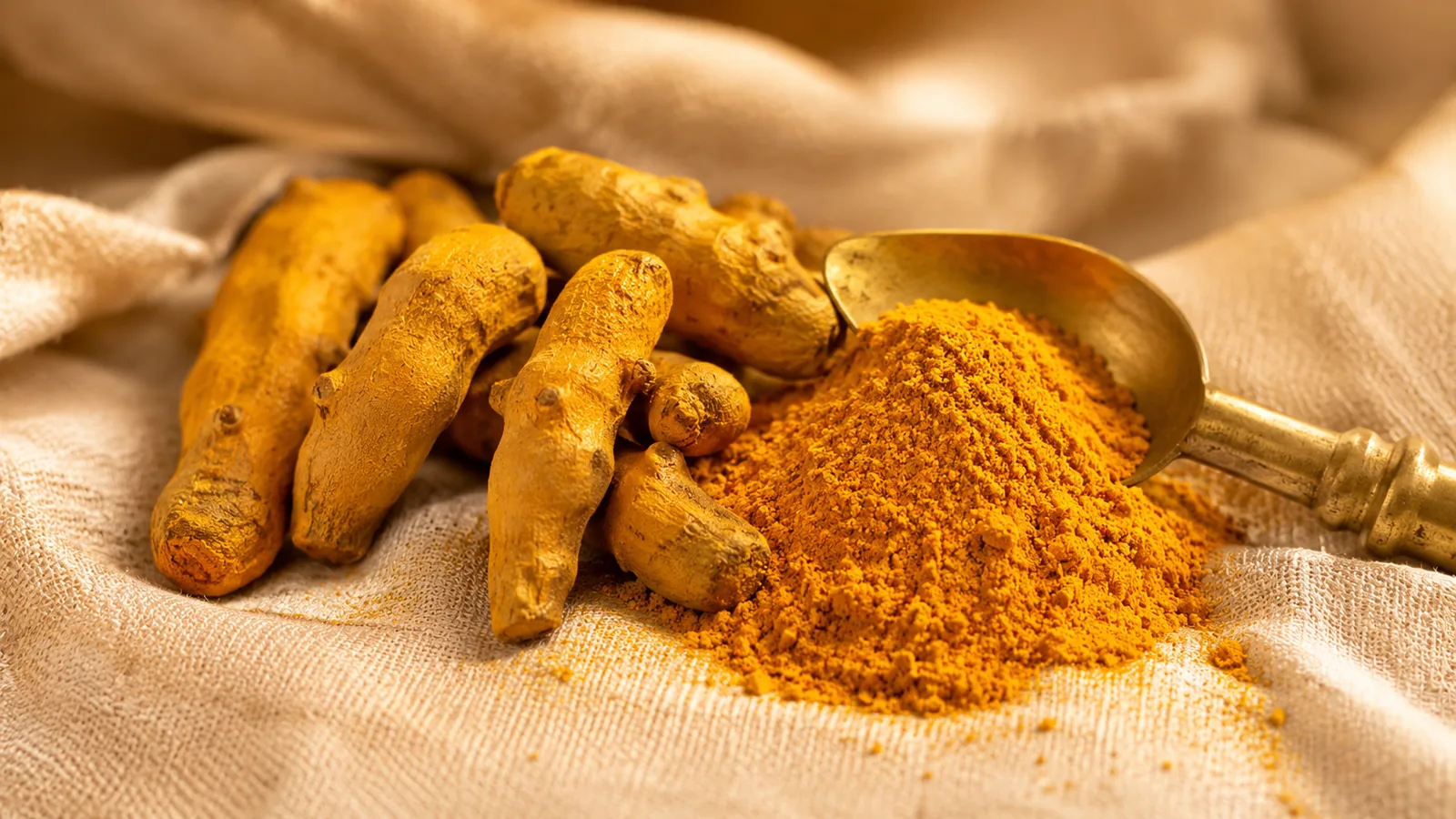
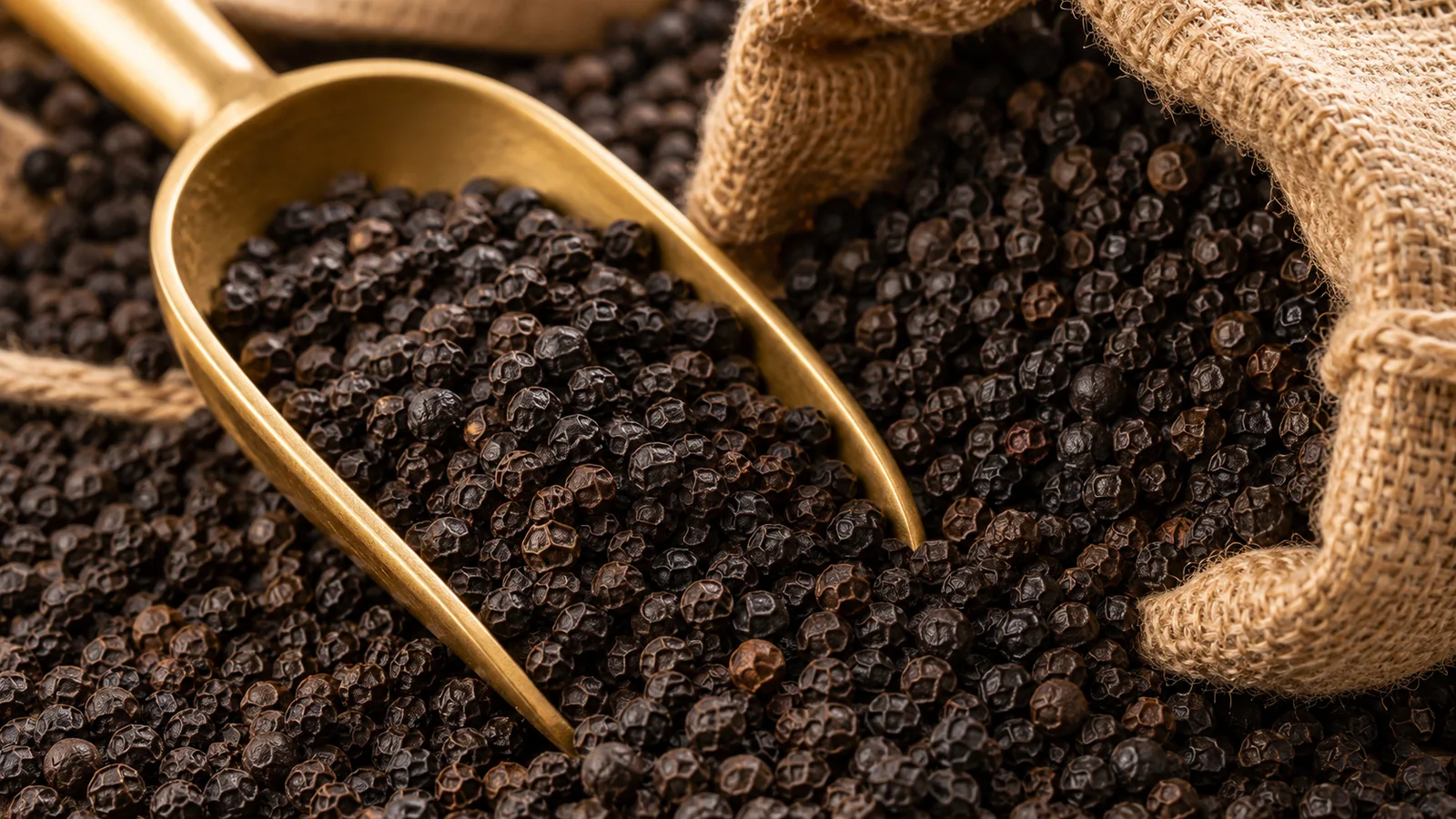
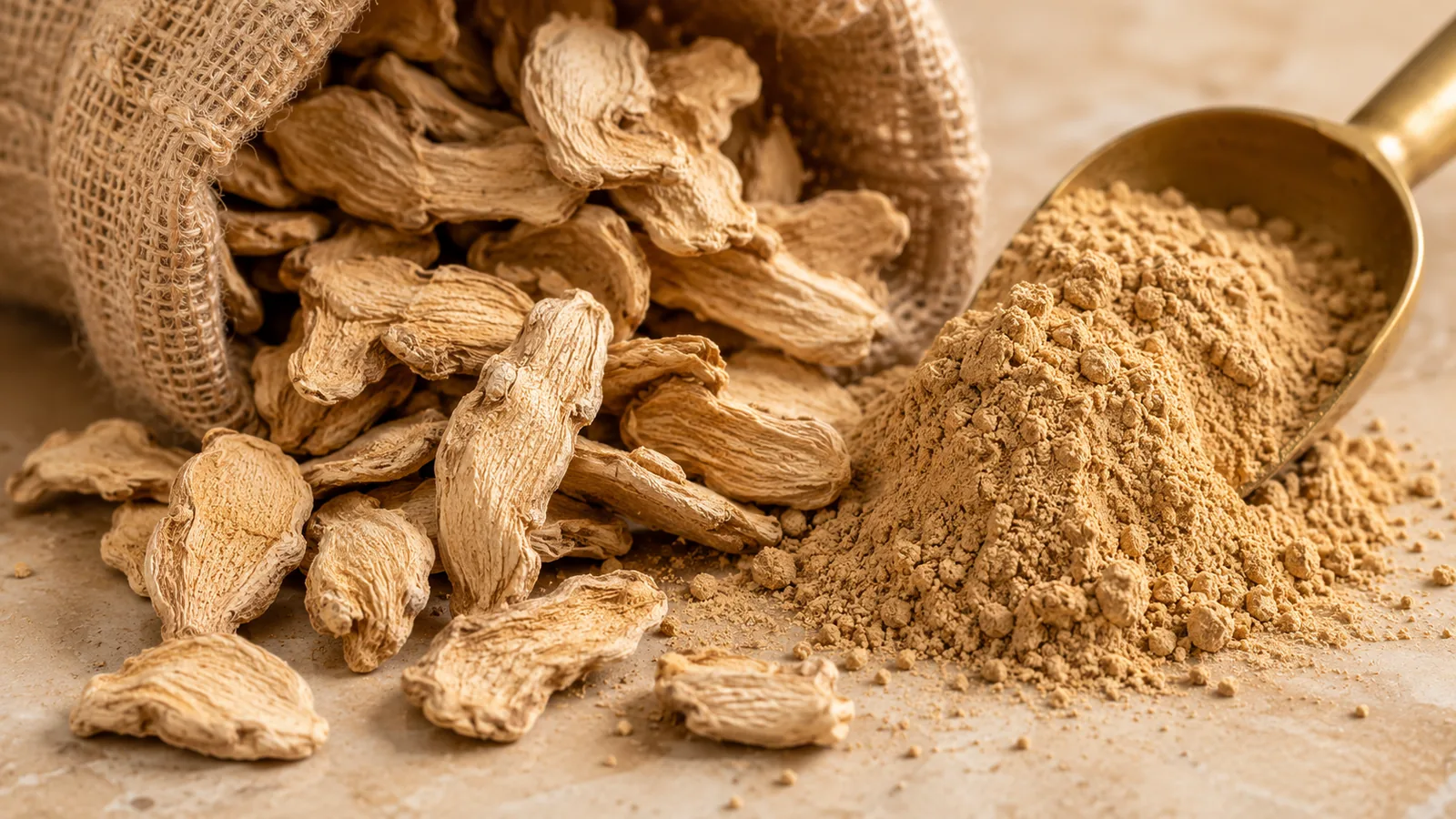
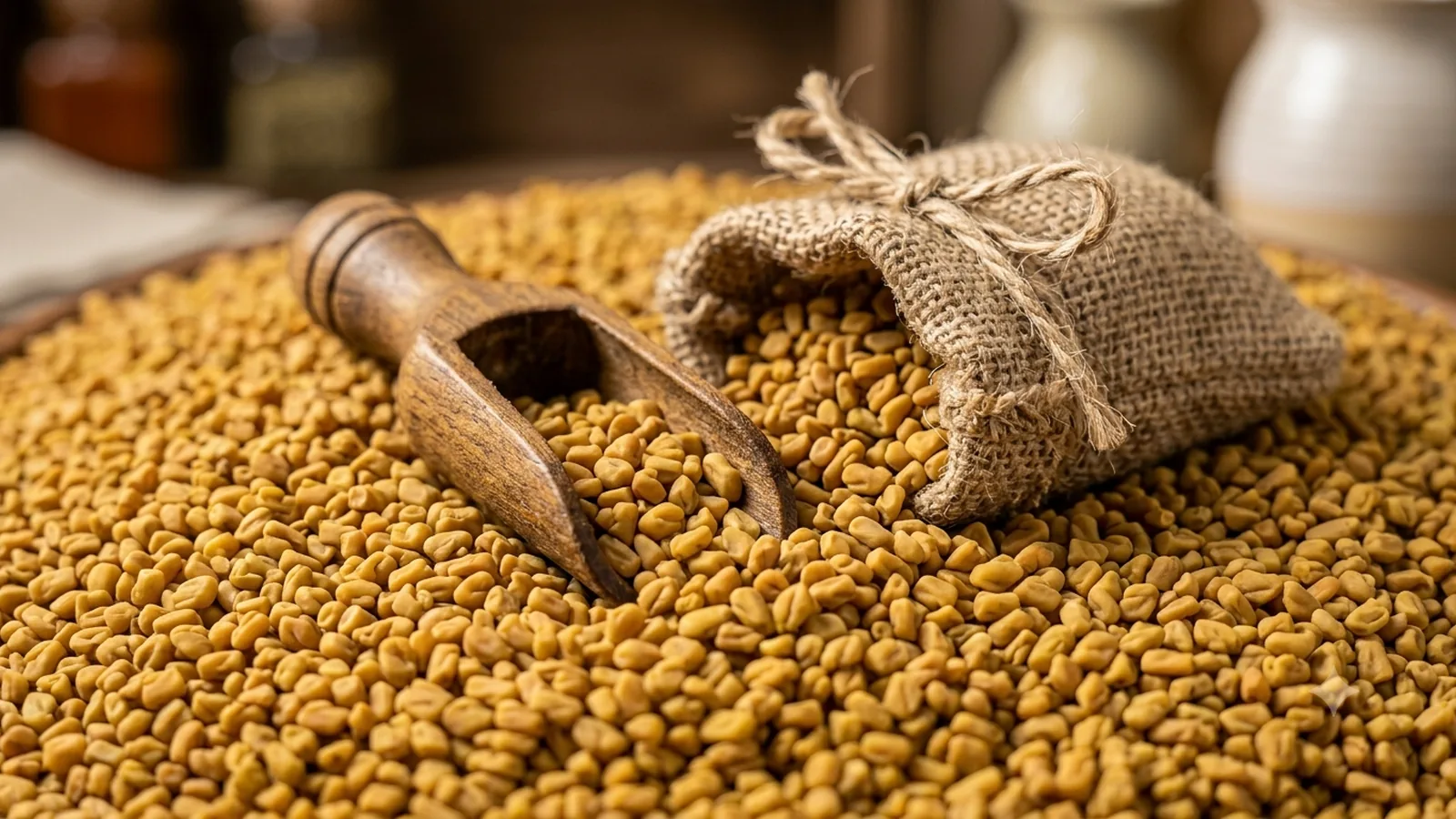
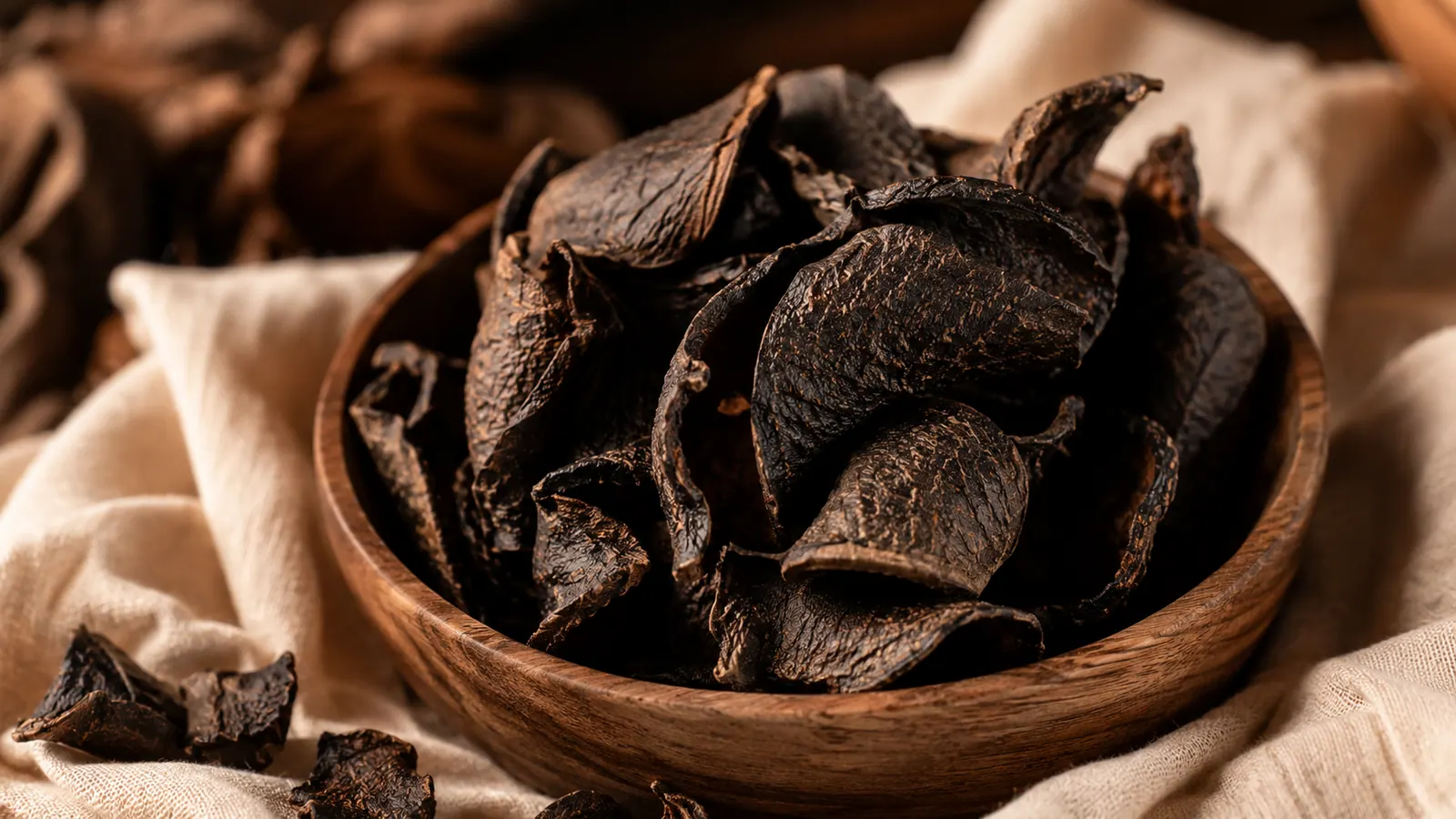
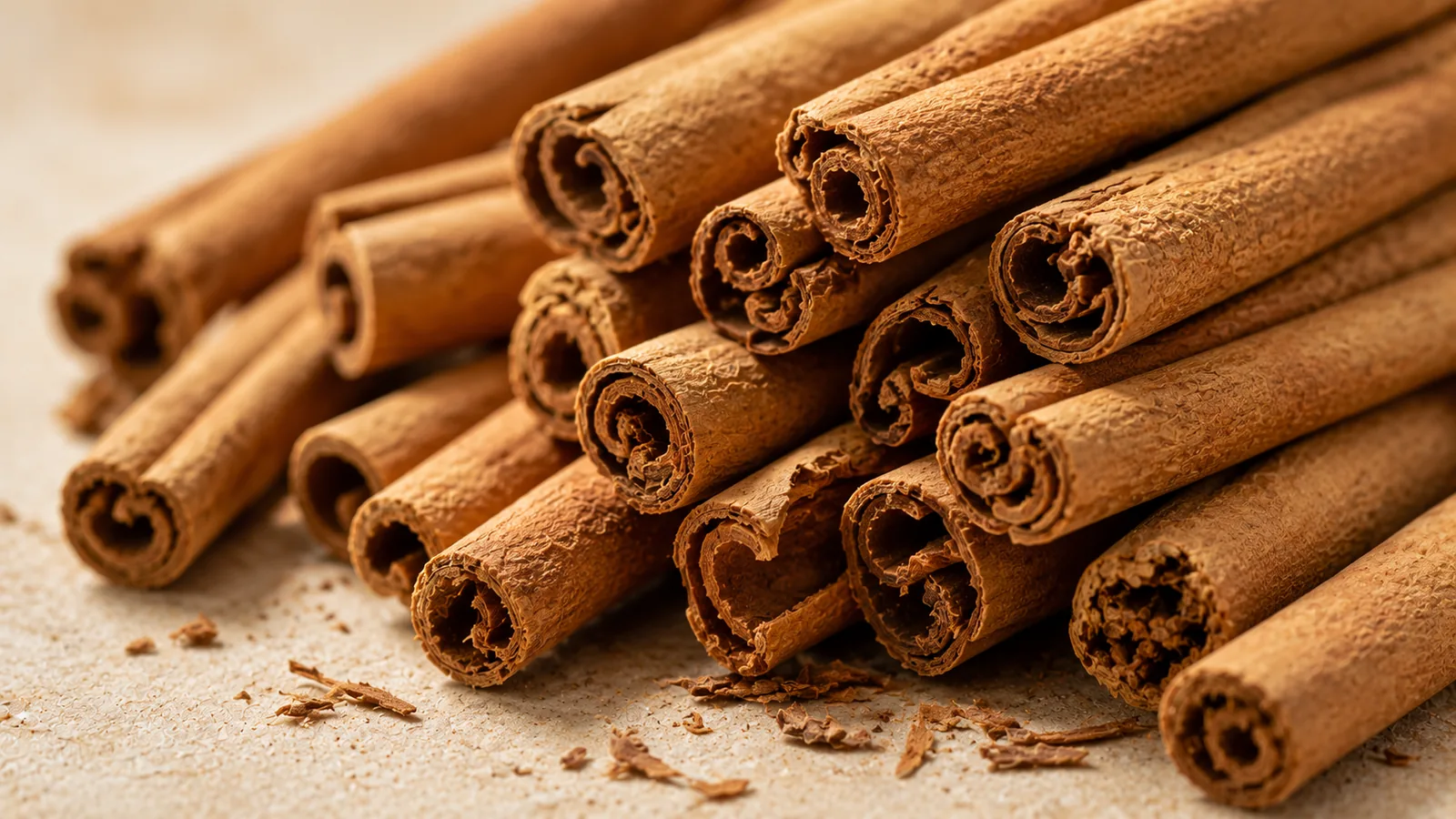
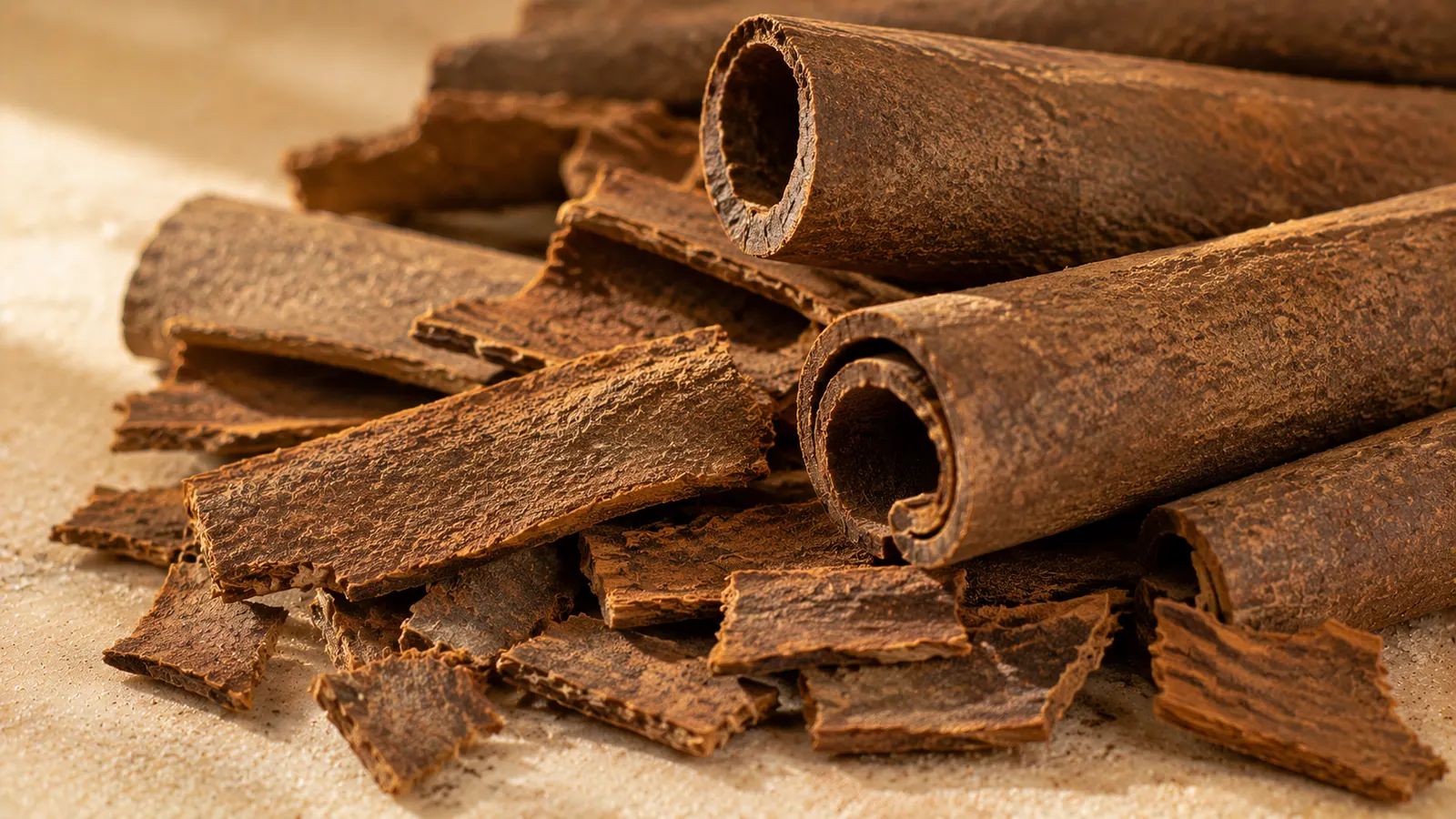
The workhorses are predictable and the reasons are pharmacological. Turmeric for curcuminoids, paired almost universally with black pepper for piperine as a bioavailability enhancer. Ginger for gingerols. Fenugreek for the saponin and fibre positions. Garcinia for hydroxycitric acid. Cinnamon for the glycaemic claims, and this is where the trade gets sharp: cassia is a high-coumarin species while true Ceylon cinnamon is very low, and India schedules them as separate spices. A daily-dose product built on cassia and labelled "cinnamon" is a coumarin exposure problem waiting to be found, and it is a labelling failure before it is a toxicology one.
The contaminant burden is heavier here than in food because the dose is chronic and concentrated. Heavy metals matter more than in a culinary matrix, which is exactly why lead chromate adulteration of turmeric is an existential issue for this sector rather than a colour complaint. Ethylene oxide is a hard stop: ETO has been a banned pesticide in the EU since 1991 with a 0.1 mg/kg default limit, and steam sterilisation with testing is the only clean answer. YouPals sources to your monograph, pre-screens at origin against your contaminant panel, and coordinates steam sterilisation and any milling with vetted third-party units. We own no processing line and hold no manufacturing certification. What we hold is the ability to reject a lot before it becomes your recall.
What this industry specifies
Put these on the contract and the lot is repeatable. Leave them off and you are buying on hope.
- Active-compound assay with the method, the reference standard and the acceptance window written in: total curcuminoids by HPLC against a named standard, not "curcumin content"
- Botanical identity confirmed to species, not to trade name, since Cinnamomum zeylanicum and Cinnamomum cassia are different purchases with different coumarin exposure
- Heavy-metal panel (lead, cadmium, mercury, arsenic) with per-element limits sized to your daily dose rather than copied from a food spec
- Microbial specification: total plate count, yeast and mould, Enterobacteriaceae, E. coli, and Salmonella absent in 25 g
- Ethylene oxide and 2-chloroethanol below the 0.1 mg/kg EU default, with steam sterilisation named as the permitted method and irradiation status declared
- Residual solvent limits by class wherever extracted or partially processed material is in scope, with the solvent inventory declared rather than summarised as "food grade solvents"
- Full pesticide residue panel against your destination limits, plus a declared non-GMO status
- Particle size and bulk density for capsule and tablet work, since fill weight and powder flow are decided by the physics, not by the assay
- Batch-level traceability to lot and origin, with retained samples and a CoA carrying method references and the testing unit's identity
Spices we ship this industry
Compliance that bites this industry
Frequently asked
Can you supply standardised extracts?
We supply raw material and coordinate extraction with vetted third-party units against your specification. YouPals owns no extraction capacity. Where you want a finished standardised extract we manage the sourcing and the QC gate, and the unit's certifications travel with the lot.
How do you handle sterilisation without ETO?
Steam sterilisation at vetted third-party units, then testing for ethylene oxide and 2-chloroethanol against the 0.1 mg/kg EU default. ETO has been a banned pesticide in the EU since 1991, so we treat it as a rejection criterion, not a negotiation.
Is cassia acceptable if we label it cinnamon?
Not into the EU. Cassia is high in coumarin, true Ceylon cinnamon is very low, and India schedules them as separate spices. For a daily-dose product the species must match the label and the coumarin exposure has to be assessed.
Buying for nutraceutical and supplement makers? Send us your spec sheet — or tell us the application and we will spec it with you, then quote it.
Request a quoteWhat this page does not tell you
- Daily-dose heavy-metal limits
- Supplement metal limits are set by product category, dose and jurisdiction, and there is no single verified number covering spice-derived ingredients. We source to the limit you specify rather than publishing one.
- Bioavailability and efficacy claims
- The piperine-curcumin pairing is standard industry practice. We hold no verified enhancement figures and will not supply claim substantiation; that dossier is yours to build.
- Numeric coumarin limits for supplement formats
- The cassia/Ceylon coumarin split is verified qualitatively. The applicable numeric limit depends on the product category you file under, so we do not publish one.
Sources
- Reg. (EU) 2023/915 — maximum levels for certain contaminants· Tier 1, retrieved 2026-07-16
- Spices Board Act, 1986 — Schedule of spices· Tier 1, retrieved 2026-07-16