Industry
Spices for ayurvedic & herbal
Ayurvedic buyers are the only ones whose bill of materials was written down centuries before the specification was, and who therefore need a lot that satisfies both a classical text and a modern contaminant panel.
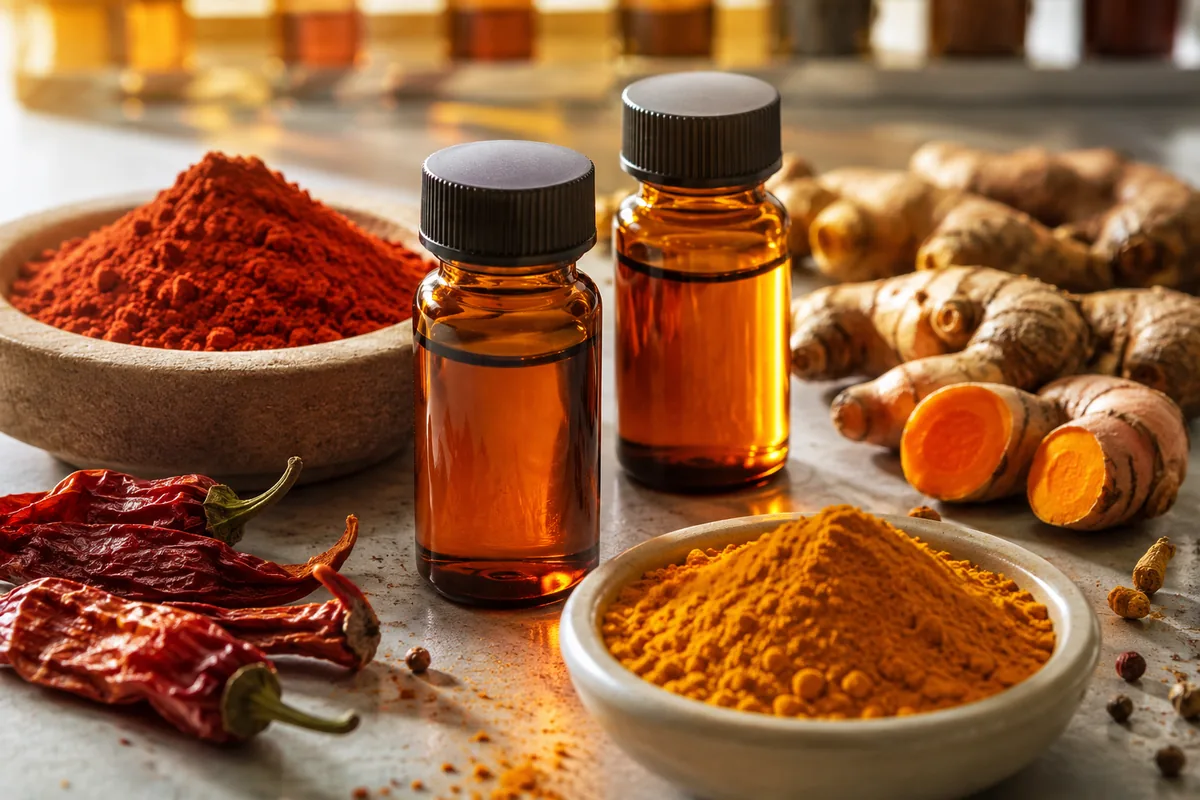
What spices does the Ayurvedic and herbal industry buy from India?
Ayurvedic buyers are the only ones whose bill of materials was written down centuries before the specification was, and who therefore need a lot that satisfies both a classical text and a modern contaminant panel.
What the Ayurvedic and herbal industry buys
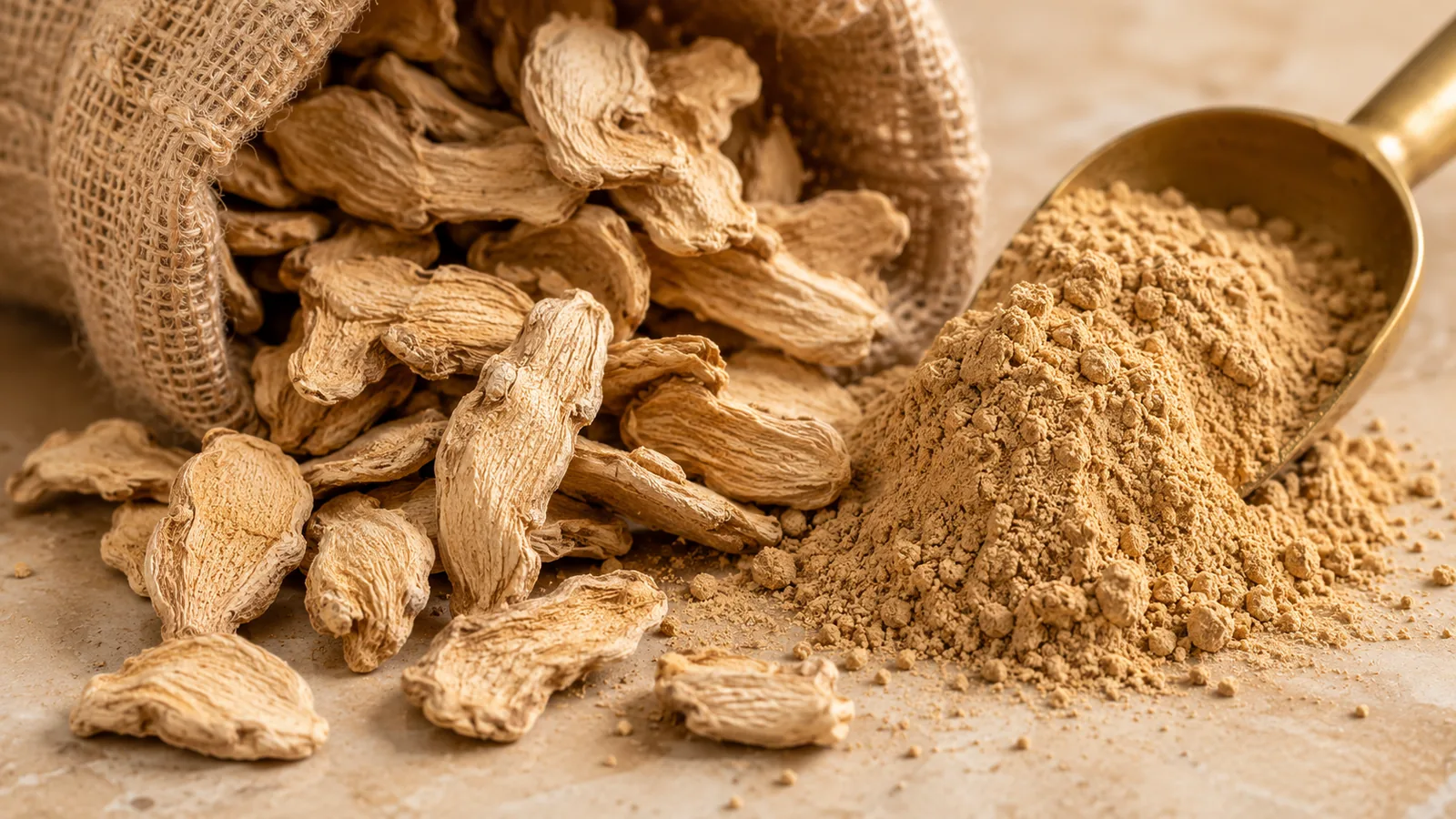
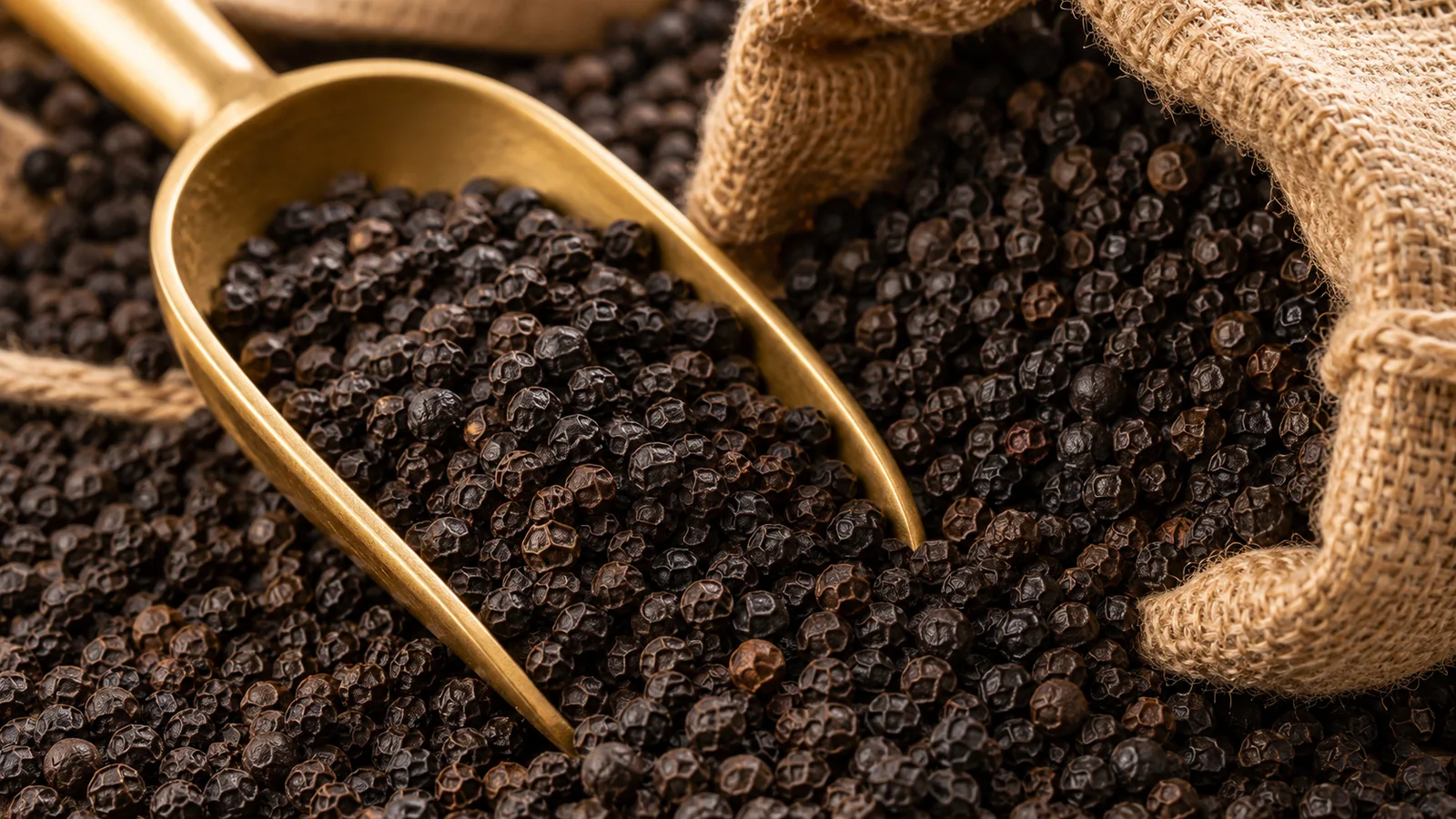
The Ayurvedic and herbal sector buys spices as dravyas, materials named and ratioed by a classical formulation, and then has to reconcile that inheritance with a pharmacopoeial monograph and an export contaminant limit. Trikatu is the clearest example in the trade: ginger, black pepper and long pepper in a fixed relationship. You cannot substitute long pepper with more black pepper because black pepper is cheaper on the day. The formulation names the botanical, and the botanical is the spec.
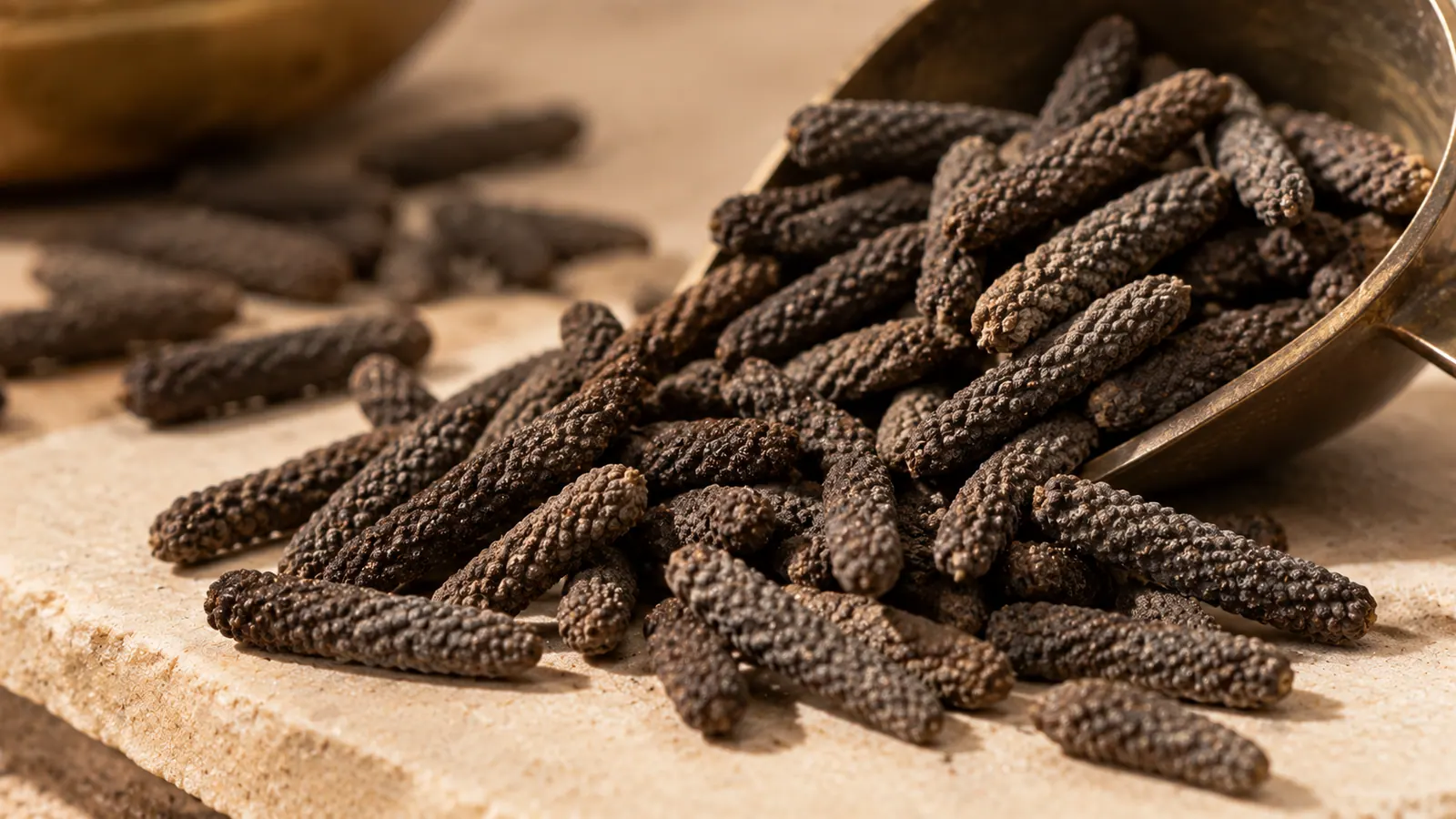
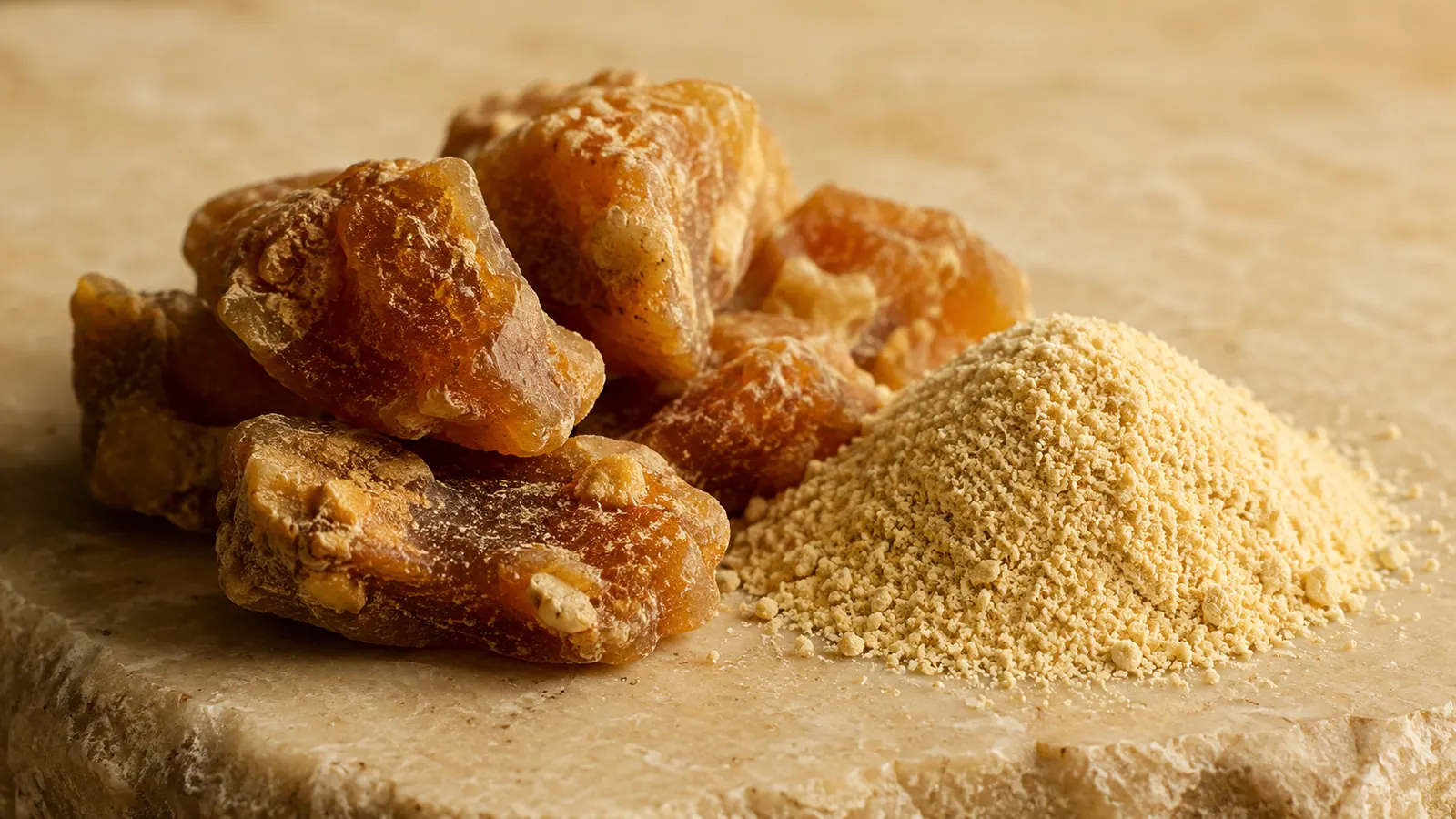
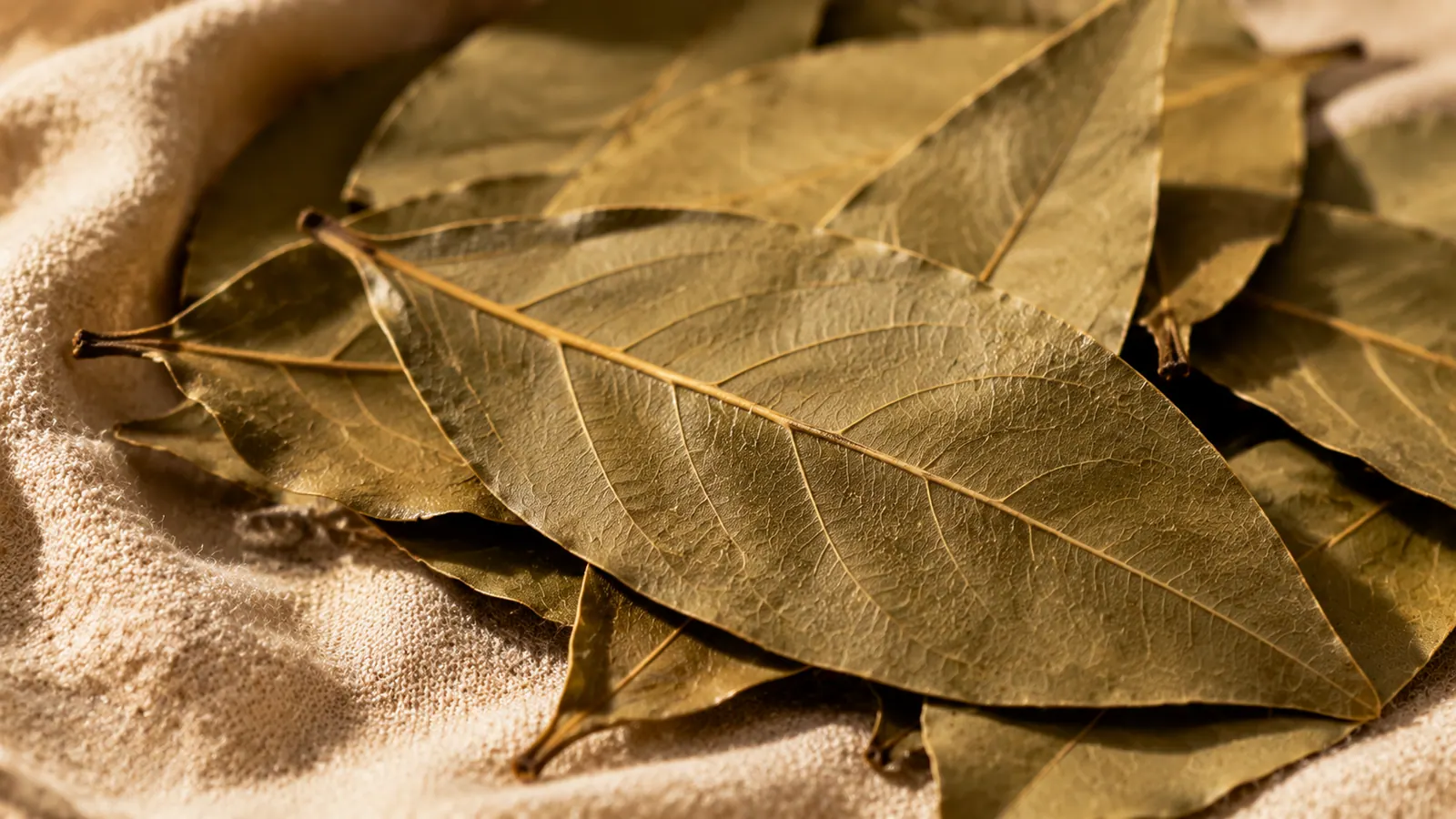
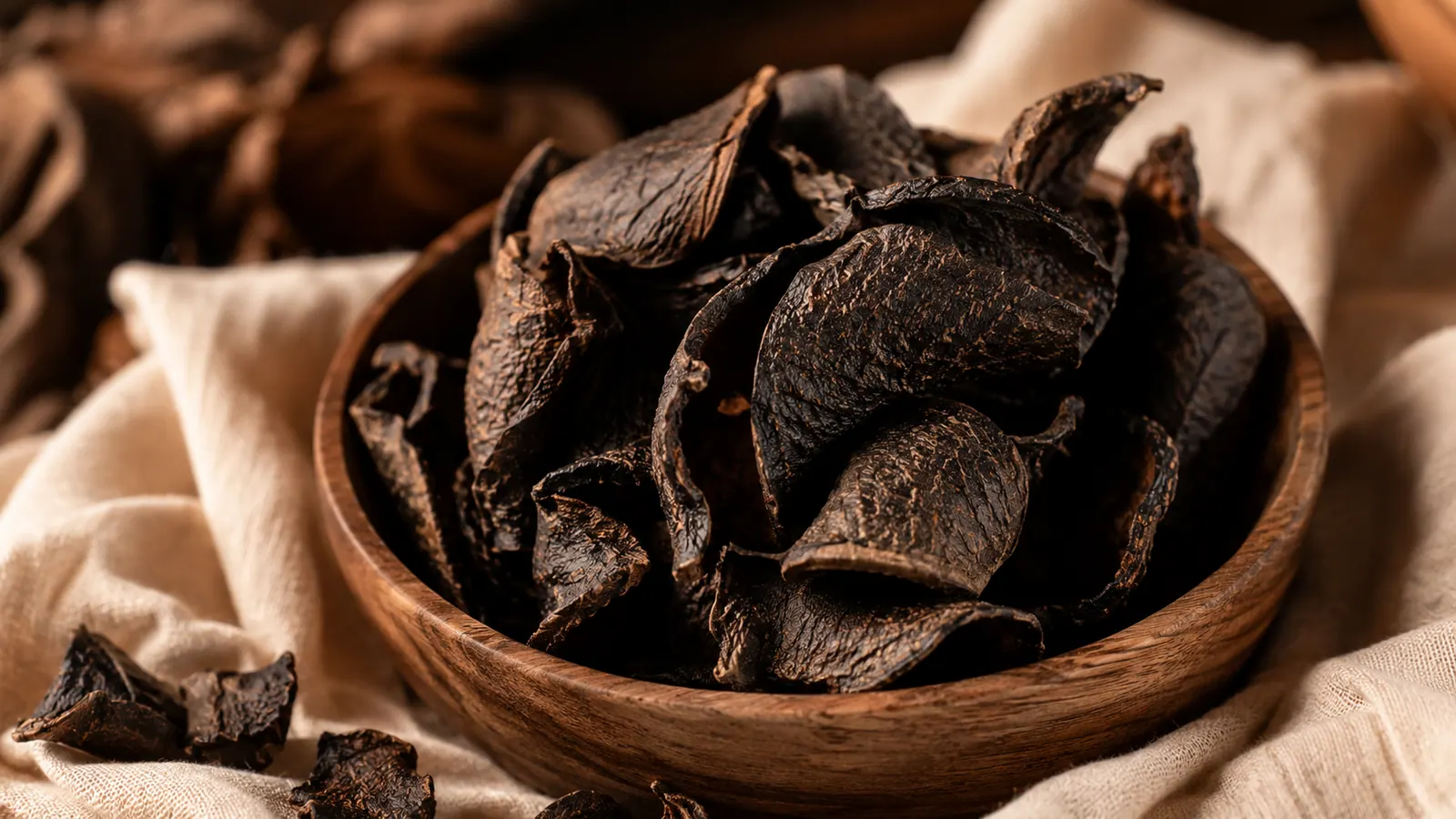
That produces buying patterns nobody else has. Long pepper, tejpat and asafoetida move in volumes that make no sense to a seasoning house and perfect sense to a formulator. Asafoetida in particular is a sourcing trap: it trades in compounded forms where the resin is carried on a starch or gum base, and the ratio is a commercial decision that is usually invisible on the packing list. If your monograph assumes a resin content, you have to specify it, because "asafoetida" on an invoice is a name, not a composition.
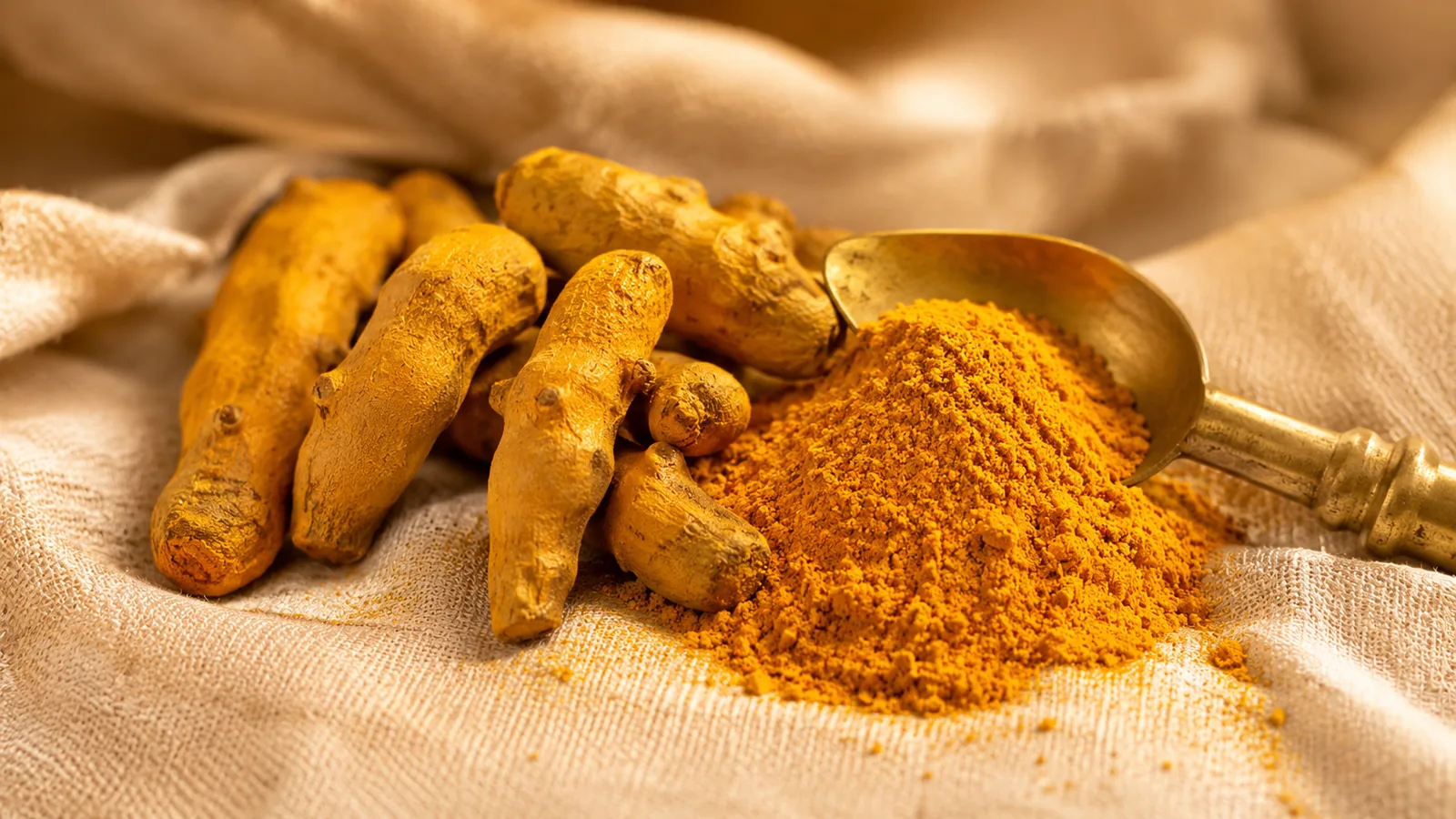
The pressure point is contamination rather than identity. Herbal and Ayurvedic products carry a standing reputational problem around heavy metals, which makes lead chromate adulteration of turmeric a direct hit on this sector, and the crop-linked hazards all land on formats this industry uses heavily: aflatoxin B1 at 5 µg/kg and total aflatoxins at 10 µg/kg on rhizome and pod material, pyrrolizidine alkaloids at 400 µg/kg on dried herbs, ethylene oxide at the 0.1 mg/kg default. YouPals sources to your monograph and your panel, screens lots at origin, and coordinates cleaning, garbling, steam sterilisation and milling with vetted third-party units. We do not process and we do not formulate. We make sure the dravya arriving is the one the text named and the one your QC will accept.
What this industry specifies
Put these on the contract and the lot is repeatable. Leave them off and you are buying on hope.
- Botanical identity to species with the plant part stated (rhizome, fruit, bark, seed, leaf), since classical names and trade names diverge and the part decides the profile
- Pharmacopoeial identity parameters where your monograph calls for them: total ash, acid-insoluble ash, water-soluble extractive, alcohol-soluble extractive, foreign organic matter
- Heavy-metal panel with per-element limits, non-negotiable for this sector given the standing scrutiny of herbal products
- Aflatoxin B1 at 5 µg/kg and total aflatoxins at 10 µg/kg on turmeric, ginger and pod material, with ochratoxin A at 15 µg/kg where the format warrants it
- Pyrrolizidine alkaloid limit of 400 µg/kg on dried herb and leaf material, which is a botany-of-the-field problem rather than a processing one
- Ethylene oxide below 0.1 mg/kg with steam sterilisation specified as the method and irradiation status declared
- Asafoetida composition declared: resin fraction, carrier base, and whether the lot is compounded, because the trade name conceals the ratio
- Microbial specification with Salmonella absent in 25 g, sized to a product that may be consumed without a further kill step
- Moisture cap and packaging specification, since under-dried rhizome in a sea container is how a clean lot becomes a mould lot
Spices we ship this industry
Compliance that bites this industry
Frequently asked
Can you source the three peppers for a Trikatu batch as one lot set?
Yes. Ginger, black pepper and long pepper sourced together, screened on one panel, with the lots tied so your batch record has a single origin story. Long pepper is the constraint: it trades thinner than the other two, so it drives lead time.
What do you need from us before quoting asafoetida?
The resin fraction and the acceptable carrier base. Asafoetida trades compounded, and the ratio is a commercial variable the invoice will not show. If your monograph assumes a resin content, that number belongs on the contract.
Do you hold an AYUSH or GMP certification?
No. YouPals is a sourcing desk and holds no manufacturing certification. We work with vetted third-party units that hold their own, and their certificates and audit status travel with the lot rather than being claimed as ours.
Buying for the Ayurvedic and herbal industry? Send us your spec sheet — or tell us the application and we will spec it with you, then quote it.
Request a quoteWhat this page does not tell you
- Classical formulation ratios
- We source to the bill of materials you specify. We hold no verified classical ratios and will not advise on formulation composition.
- AYUSH and API monograph parameters
- Ash values and extractive limits vary by monograph and edition. We test to the parameters you name; we publish no monograph set of our own.
- Asafoetida resin content by grade
- Trade grades are inconsistent between suppliers and we have no verified composition table. That is why we require the resin fraction on the contract instead of quoting a grade name.
Sources
- Reg. (EU) 2023/915 — maximum levels for certain contaminants· Tier 1, retrieved 2026-07-16
- Spices Board Act, 1986 — Schedule of spices· Tier 1, retrieved 2026-07-16