Industry
Spices for personal care & cosmetics
Cosmetics buyers have to declare a spice by its INCI name and its allergen constituents on the pack, which turns a fragrance decision into a labelling liability.
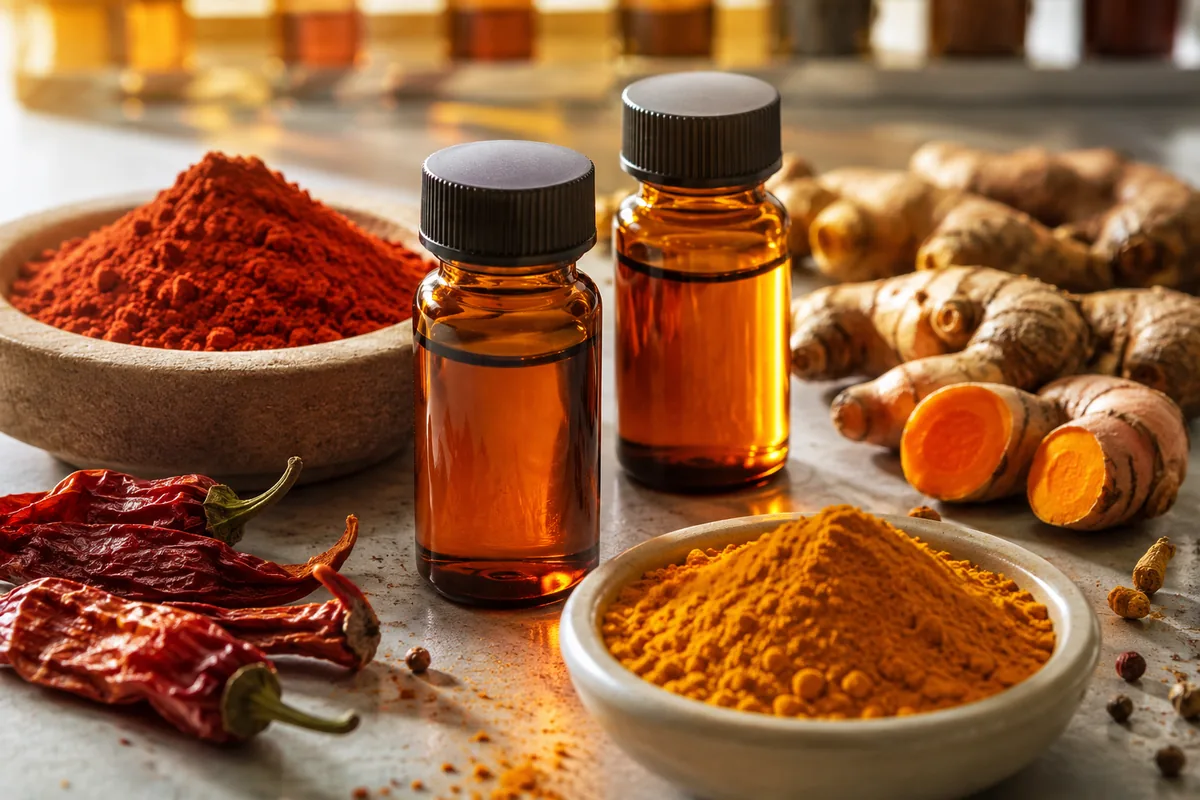
What spices does personal care and cosmetics makers buy from India?
Cosmetics buyers have to declare a spice by its INCI name and its allergen constituents on the pack, which turns a fragrance decision into a labelling liability.
What personal care and cosmetics makers buys
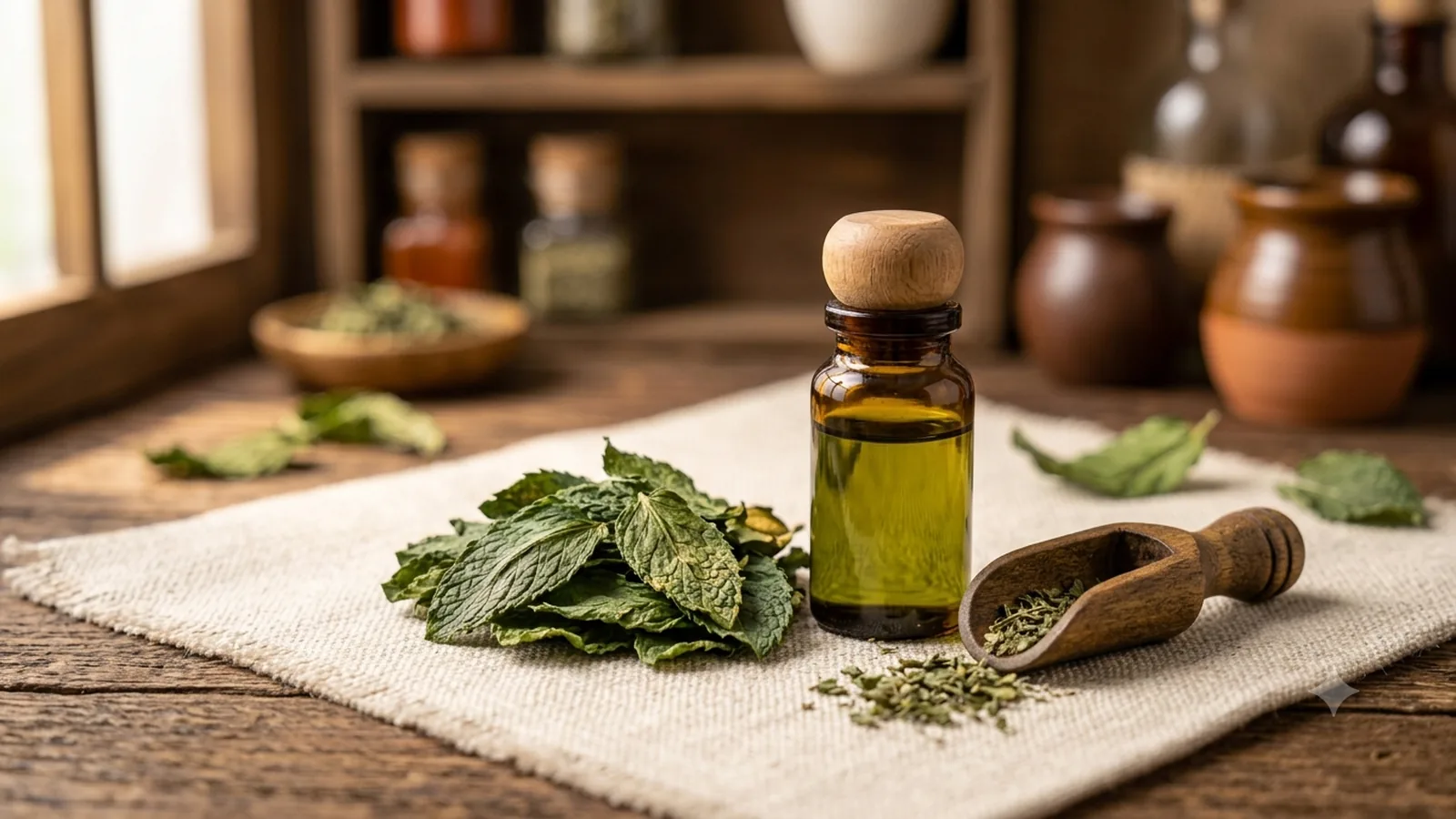
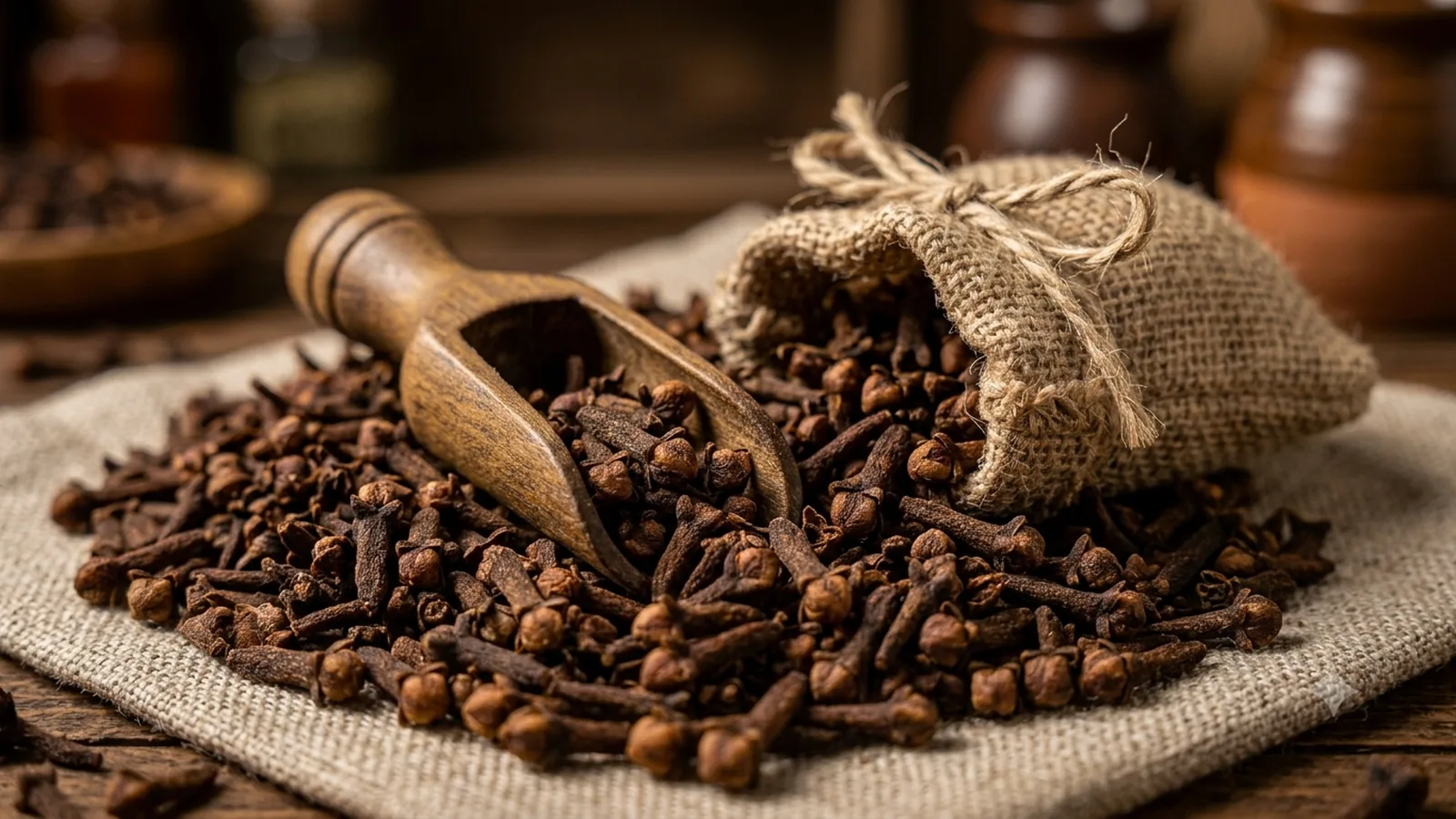
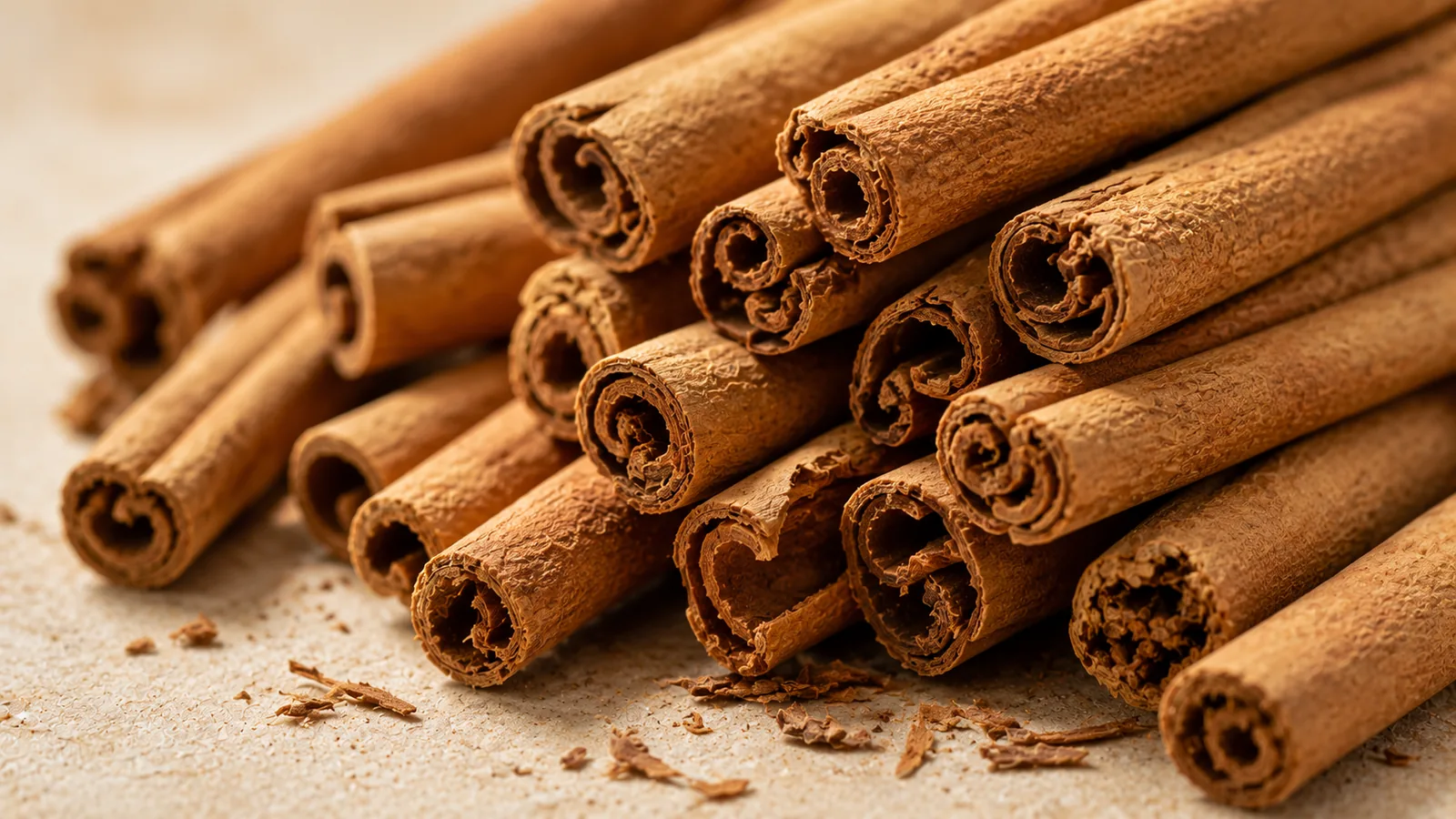
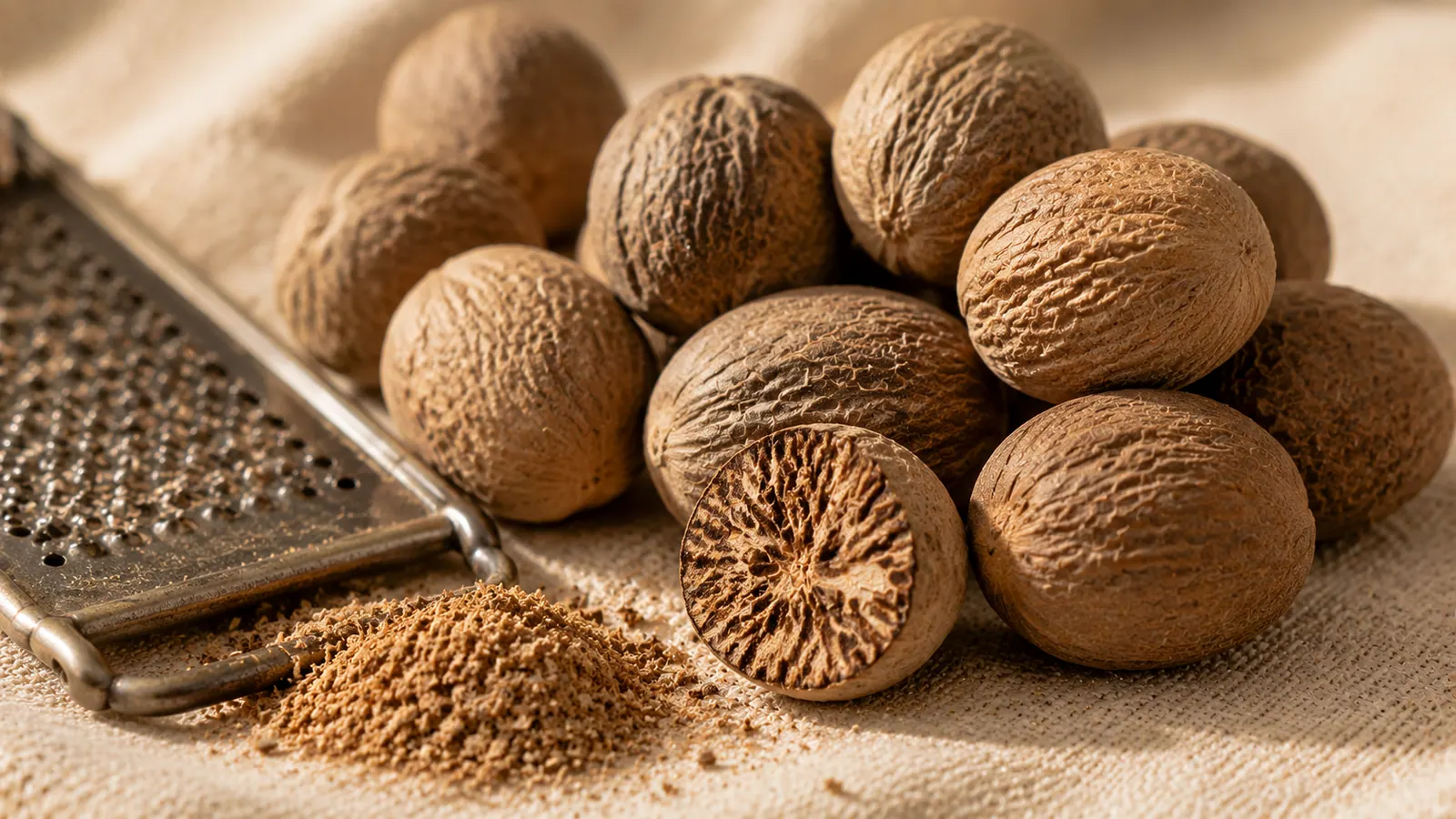
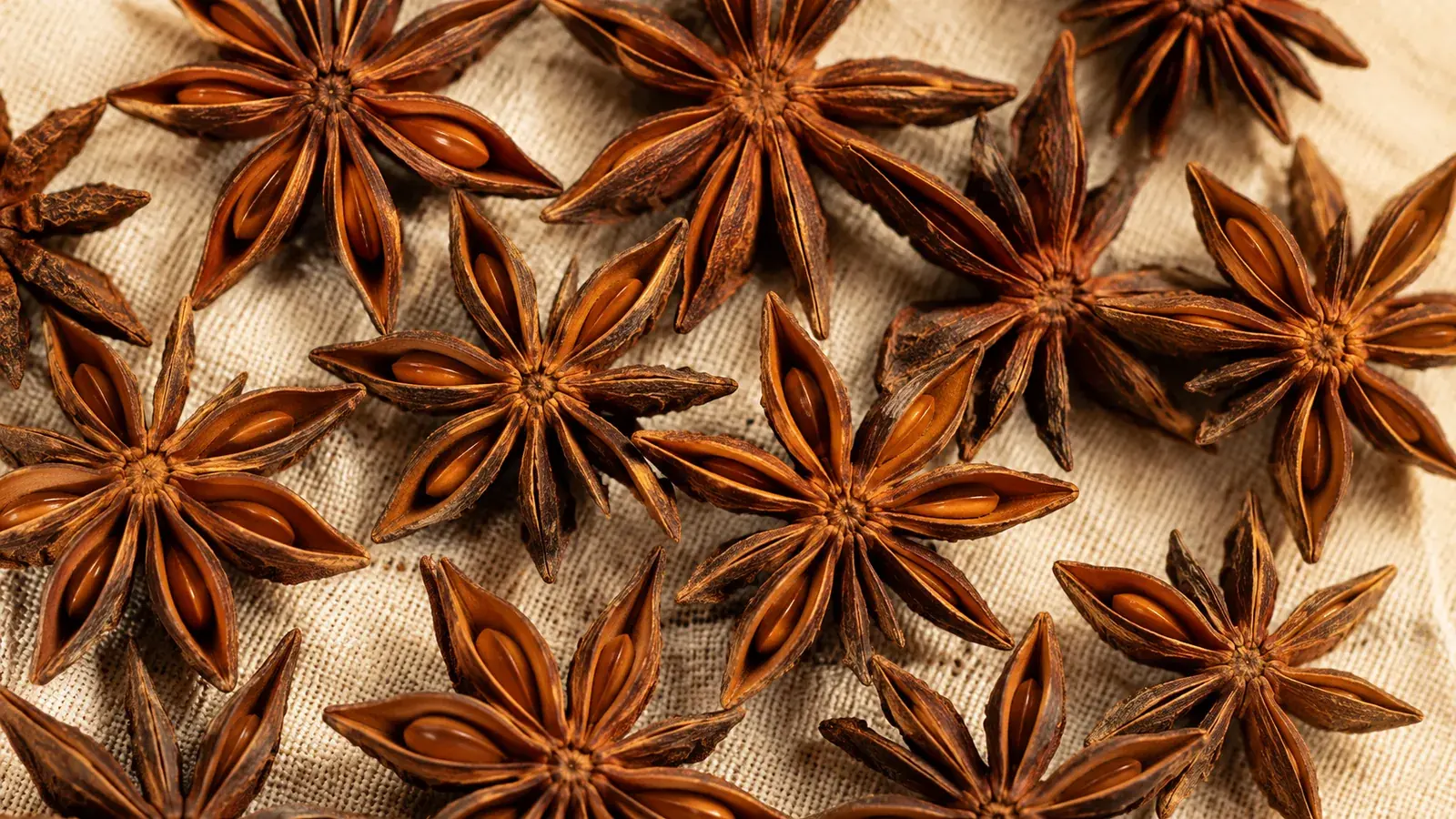
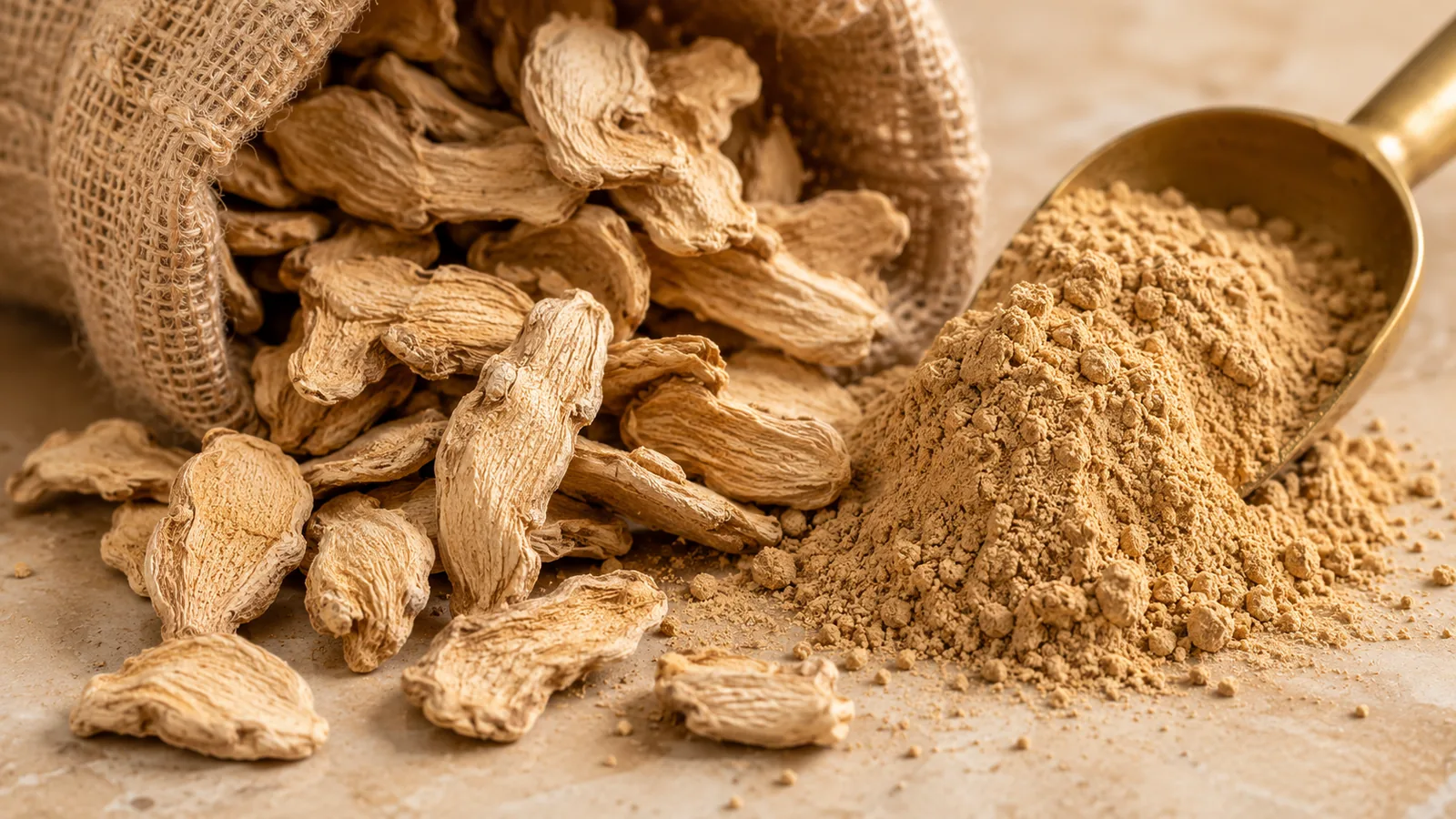
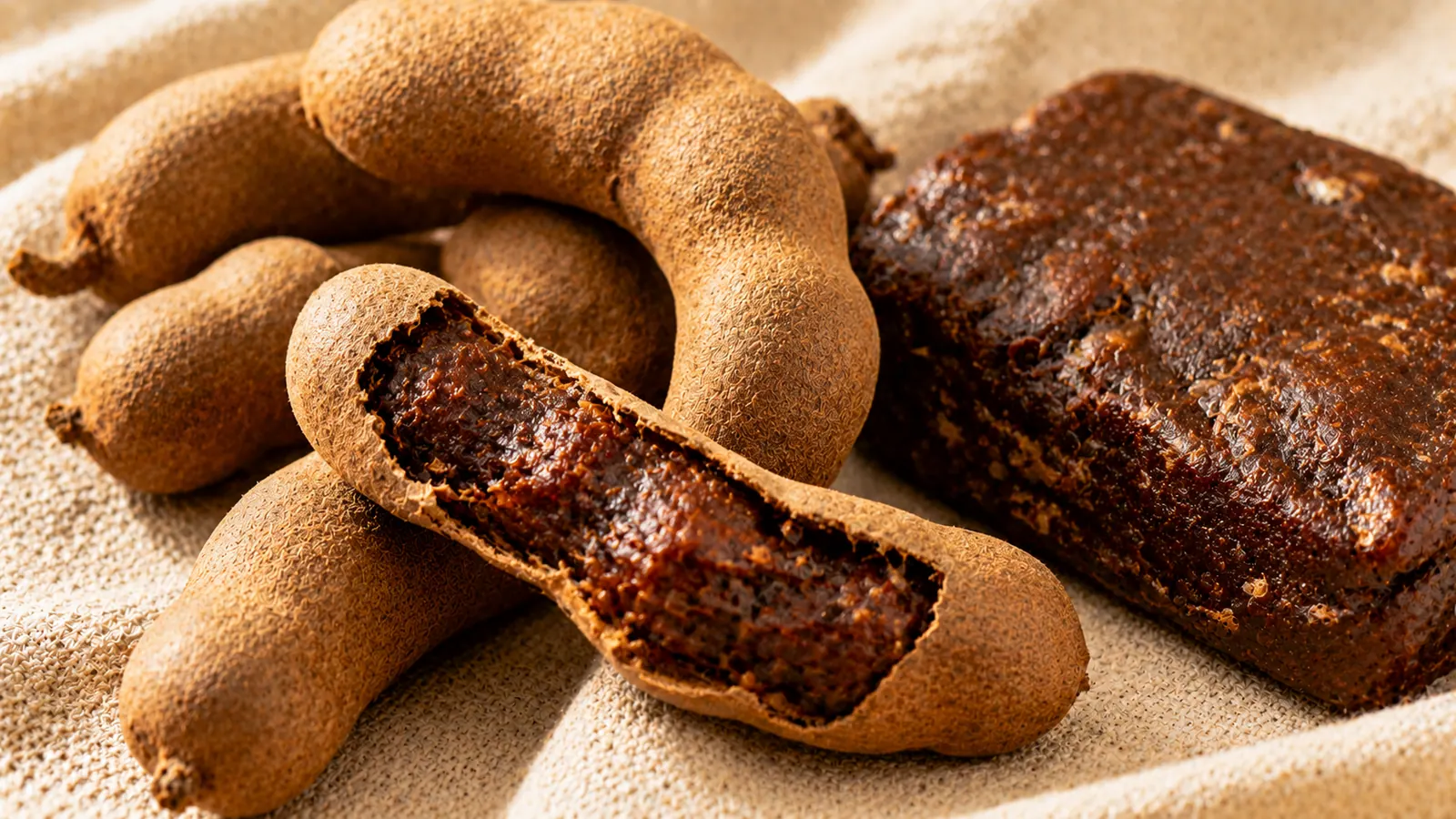
Personal care buys spices for three jobs: fragrance, colour and a claim. Turmeric and saffron carry brightening and heritage positioning, kokam supplies kokum butter as a solid emollient fat, mint delivers cooling, and clove, cinnamon, nutmeg and star anise sit in the warm-spice fragrance stack across everything from beard oil to candles. None of it is bought on flavour, and the buyer's vocabulary is INCI names, not culinary grades.
What makes the segment distinct is that the fragrance itself is a declarable substance. Eugenol from clove, cinnamal from cinnamon, limonene, linalool: the naturally occurring constituents of the very spices being bought sit on the EU allergen declaration list, so a formulator needs a constituent breakdown of every aromatic input rather than a pass/fail certificate. That is a supplier data problem before it is a formulation problem, and it is why cosmetics buyers ask questions about a spice lot that no food buyer ever asks.
Colour is the other trap. Turmeric is a beautiful natural yellow and a magnet for lead chromate adulteration, where an illegal pigment is added to brighten dull rhizome. That is serious in a food matrix and worse in a leave-on product applied to skin repeatedly, and the same logic applies to Sudan dyes in any red input. YouPals sources raw material and botanical inputs to your specification, screens at origin against the contaminant panel that matters for a topical product, and coordinates any drying, milling or extraction with vetted third-party units. We own no extraction or processing site, formulate nothing, and hold no cosmetic certification. We source the input and document what it is.
What this industry specifies
Put these on the contract and the lot is repeatable. Leave them off and you are buying on hope.
- INCI name and botanical species on the specification, since a cosmetic label is built from INCI and a culinary trade grade will not map onto it
- Fragrance-constituent breakdown for aromatic inputs (eugenol, cinnamal, limonene, linalool and the rest of the declarable set), because your pack has to declare them
- Heavy-metal panel with per-element caps sized for a leave-on topical product rather than borrowed from a food spec
- Colour value with the method stated where the spice is bought for colour, plus a stability statement across pH and light for the format you are making
- Adulterant screen with explicit zero tolerance on Sudan dyes and lead chromate, since a synthetic colourant in a skin product is a different order of problem from one in a curry
- Microbial specification appropriate to the format, because a botanical powder is a bioburden input into a preserved system
- Pesticide residues plus ethylene oxide status against the 0.1 mg/kg EU default, with steam sterilisation named where a kill step is needed
- Organic or COSMOS chain-of-custody documentation traced to certificate numbers where the claim appears on the pack, rather than asserted
- Batch traceability to lot and origin with retained samples, so a fragrance or colour drift traces back to a crop instead of becoming an argument
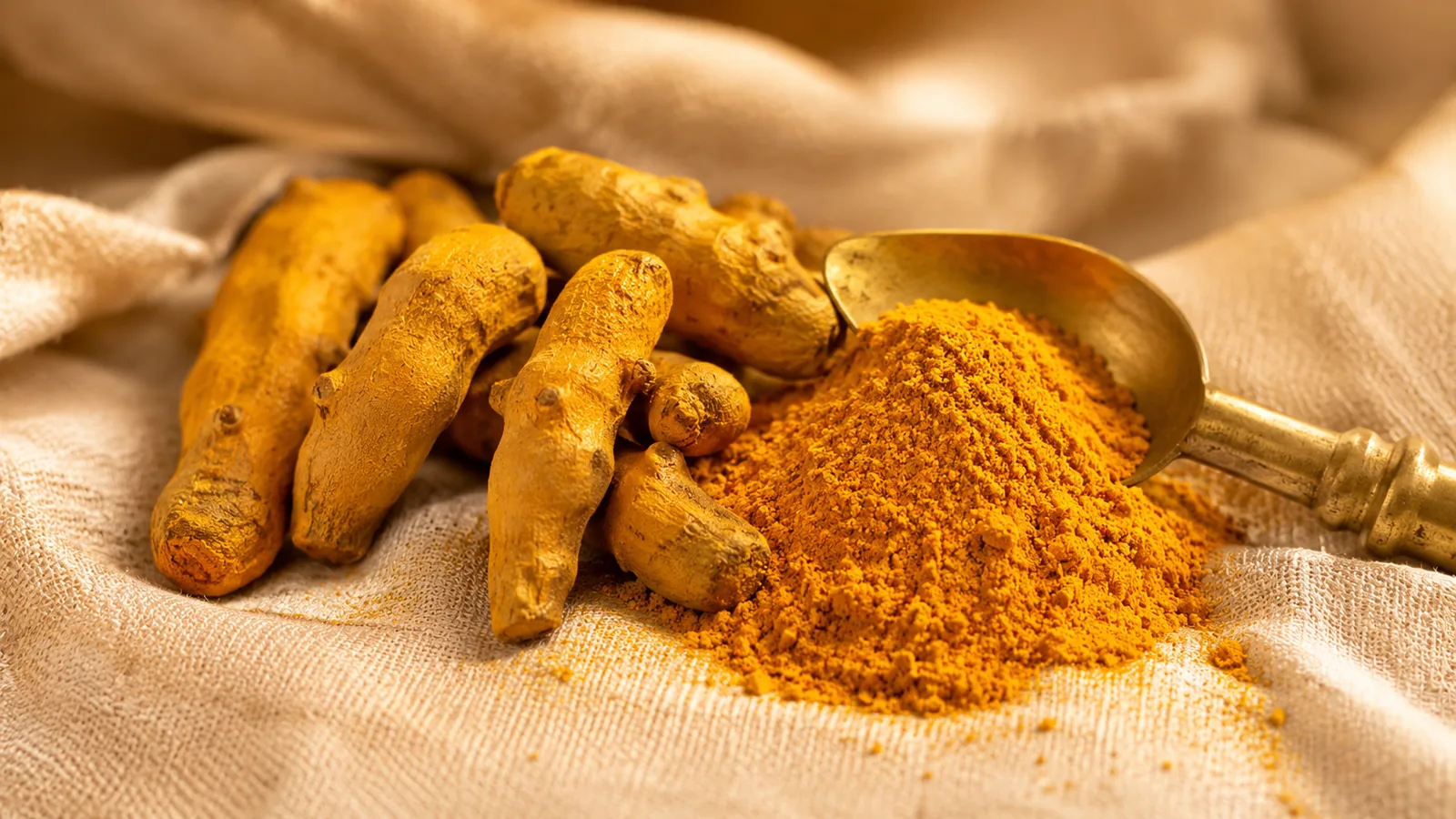
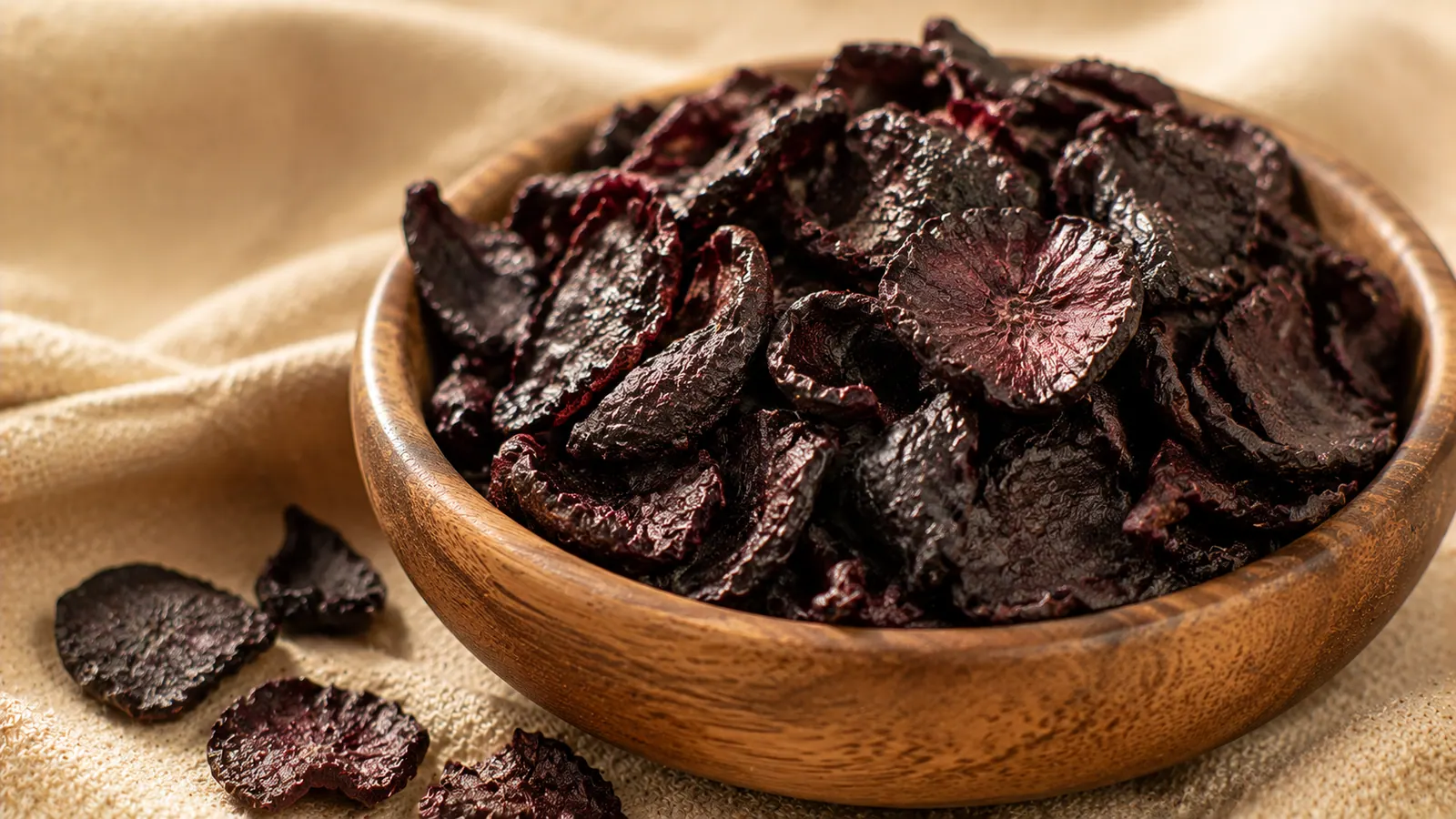
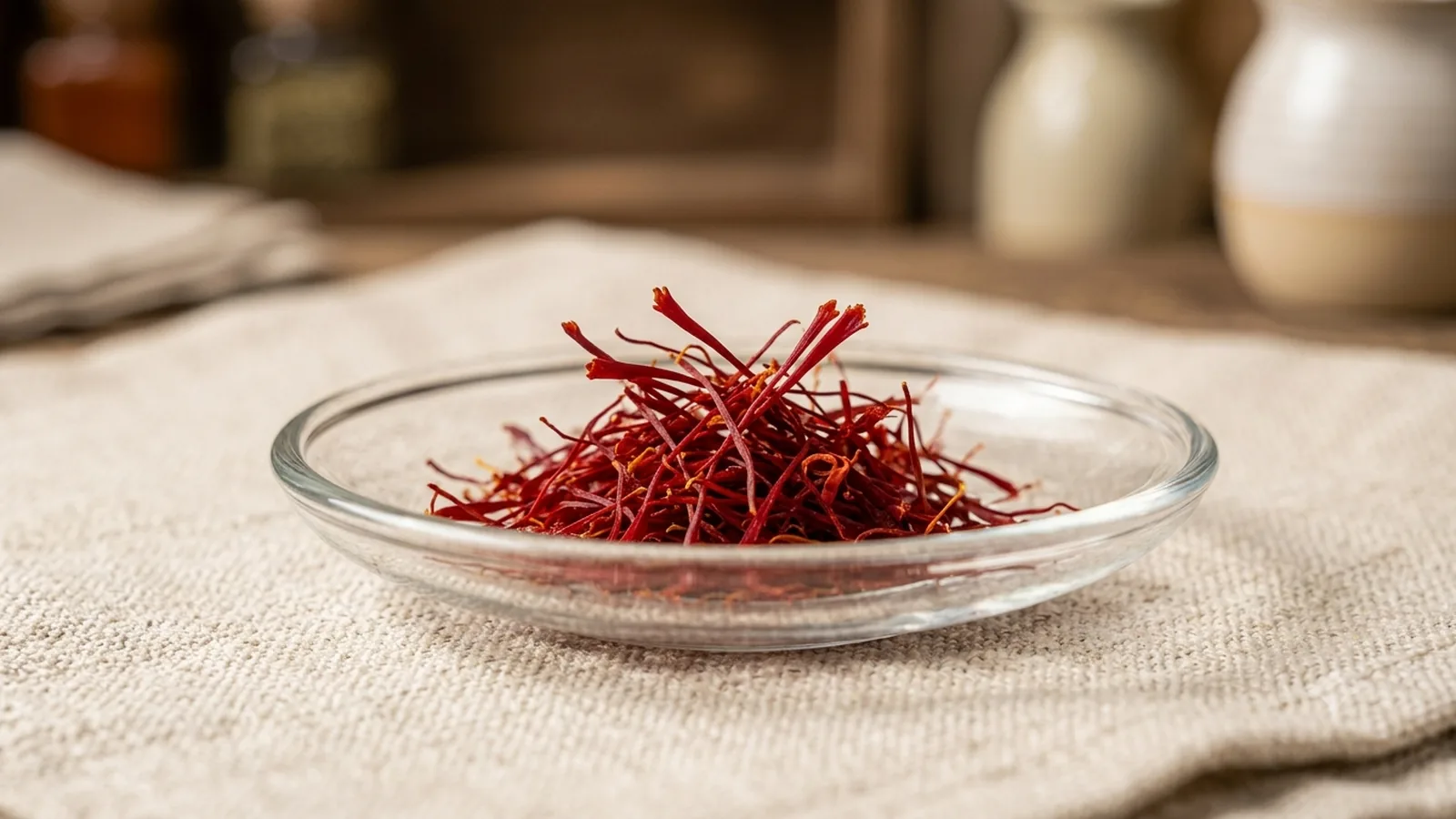
Spices we ship this industry
Compliance that bites this industry
Frequently asked
Can you supply essential oils and absolutes?
We source raw material and coordinate distillation and extraction with vetted third-party units against your spec. YouPals owns no distillation or extraction capacity. The unit's documentation and certifications travel with the lot; we do not present them as ours.
Why insist on a heavy-metal panel for turmeric in a skincare line?
Because turmeric is the most lead-chromate-adulterated spice in the trade, the pigment being added to brighten dull rhizome. In a leave-on product that is direct, repeated skin exposure to a chromate salt, so we screen at origin and treat it as a rejection criterion.
Do you provide the allergen constituent breakdown?
We pass through the analytical data the lot and the third-party unit generate against your specification. We do not author your allergen declaration or your safety assessment; those need your responsible person and your own toxicological review.
Buying for personal care and cosmetics makers? Send us your spec sheet — or tell us the application and we will spec it with you, then quote it.
Request a quoteWhat this page does not tell you
- EU Cosmetic Regulation compliance
- Cosmetic product compliance, safety assessment and the responsible-person obligation sit with the brand. We hold no verified data on cosmetic-specific limits and do not advise on them.
- Skin-efficacy and brightening claims
- Turmeric and saffron carry strong heritage positioning in this category. We hold no verified efficacy evidence and will not supply claim substantiation.
- Kokum butter specifications
- Kokam is a real and commercially significant input to this segment, but we have no verified fatty-acid profile or melt-point data to publish. We source to the spec you supply.
Sources
- Spices Board Act, 1986 — Schedule of spices· Tier 1, retrieved 2026-07-16
- Reg. (EU) 2023/915 — maximum levels for certain contaminants· Tier 1, retrieved 2026-07-16