Industry
Spices for pickles & preserves
Pickling is the one industry that buys spice whole and expects it to stay whole and identifiable in the jar for a year, so appearance after twelve months in brine is the specification.
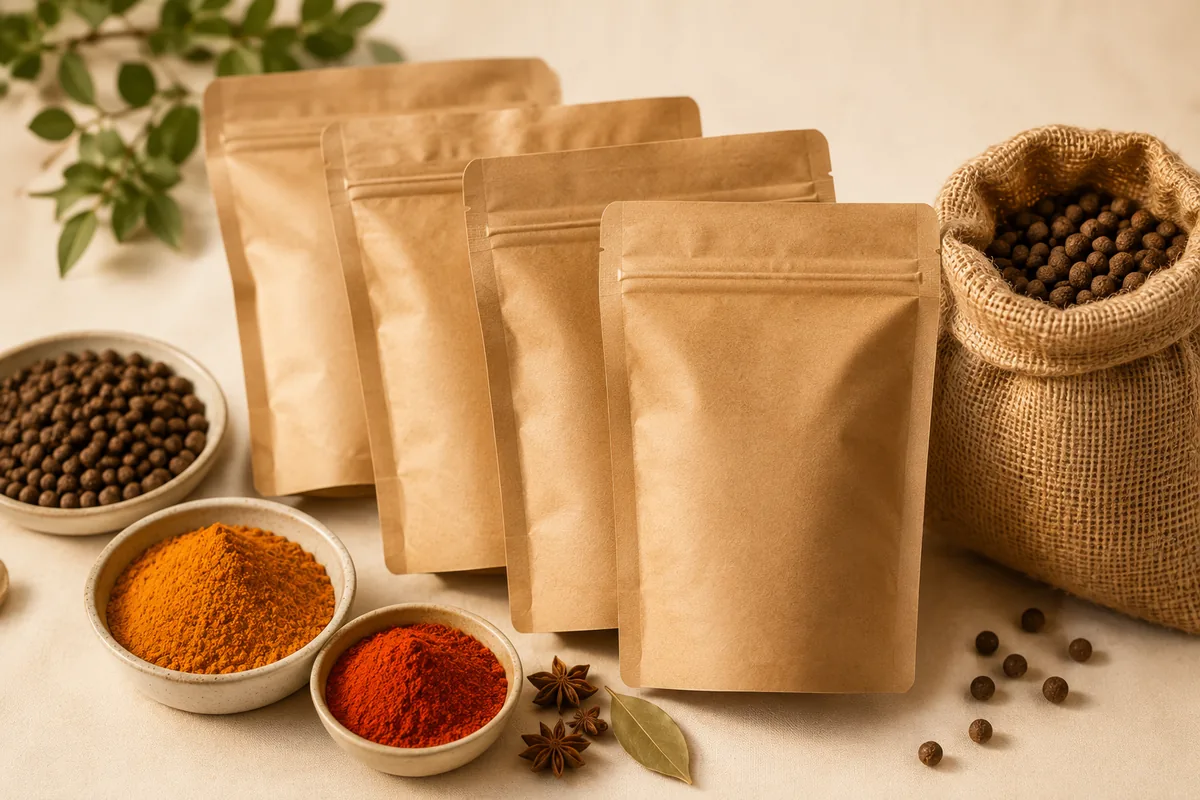
What spices does pickle and preserve makers buy from India?
Pickling is the one industry that buys spice whole and expects it to stay whole and identifiable in the jar for a year, so appearance after twelve months in brine is the specification.
What pickle and preserve makers buys
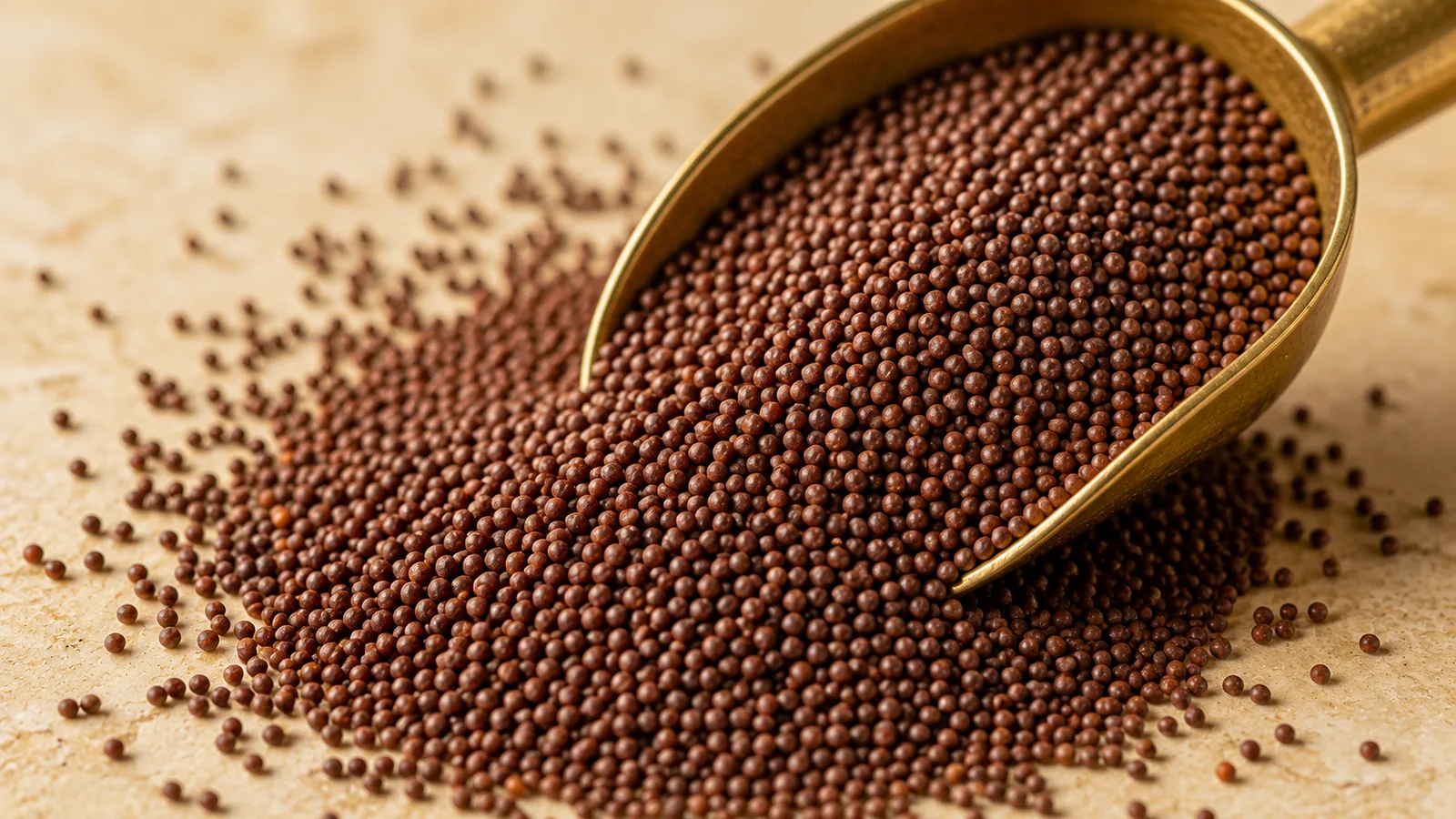
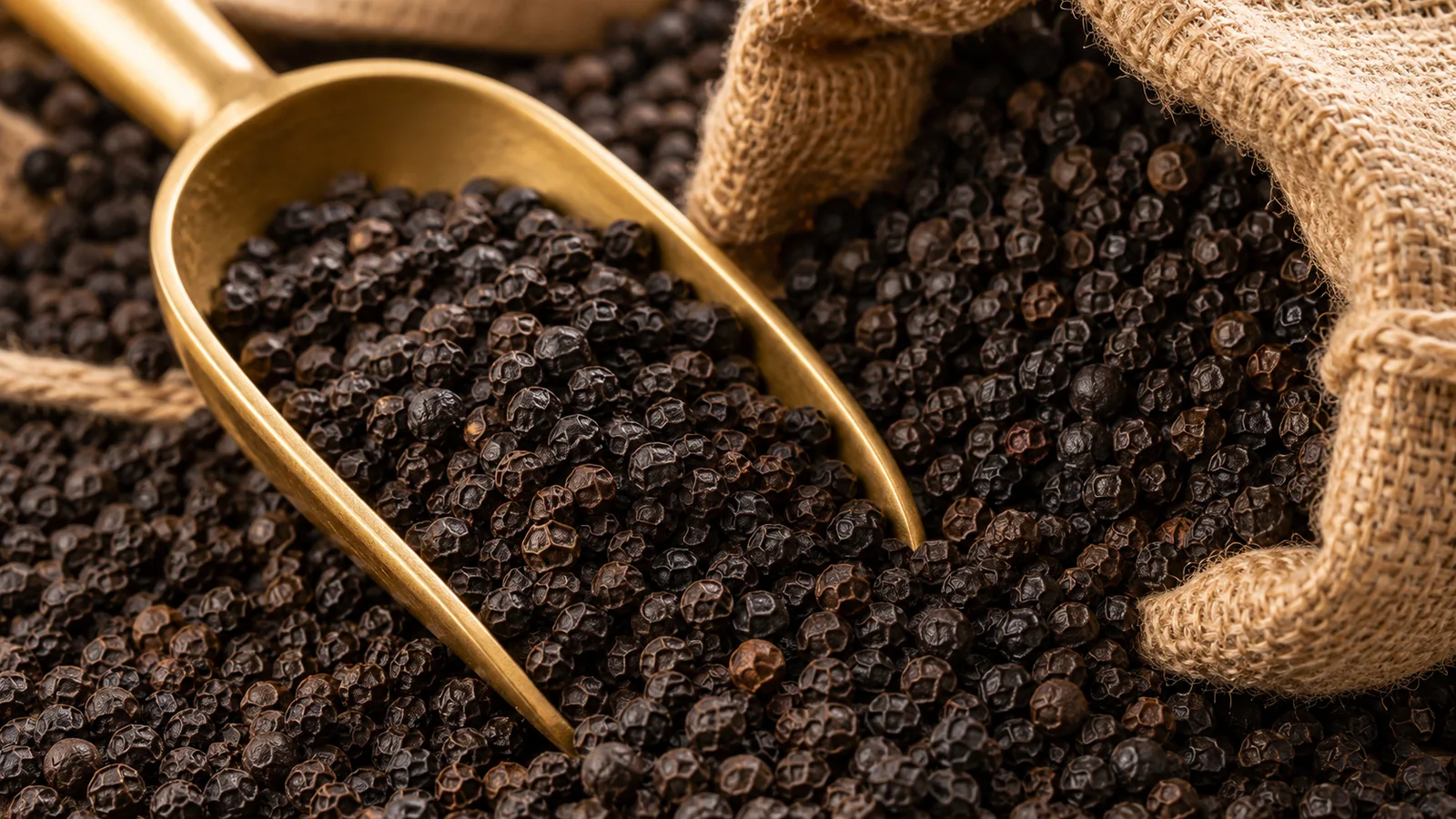
Pickle and preserve makers buy against a visual outcome that persists. The spice is usually whole or cracked, it is visible through glass, and it has to still look like a mustard seed or a cracked peppercorn after a year submerged in brine or oil at ambient. This is the opposite of every ground-spice segment: uniformity of the whole seed, freedom from broken and shrivelled material, and absence of extraneous matter are the spec, because every defect in the bag ends up floating at eye level in the customer's jar.
The process itself is protective, which changes the risk calculus. Low pH, high salt and oil coverage all suppress microbial growth, so pickle makers can carry a more relaxed microbial spec than a meat or noodle buyer and reasonably so. What the acid does not touch is mycotoxins and adulterants. Aflatoxin does not degrade in brine, and the EU limits of B1 at 5 µg/kg and total aflatoxins at 10 µg/kg apply to dried chillies, pepper, ginger and turmeric (eurlex915), all of which sit in a typical pickle spec. Nor does brine remove a Sudan dye from a bright red chilli.
Indian pickle makers and exporters also work with material that is bought at specific mandis with real seasonality. Guntur is Asia's largest chilli market and sets the world red-chilli price; Unjha is Asia's largest seed-spice market and handles roughly 70% of India's cumin, setting the global cumin price each morning. YouPals buys into those markets on your behalf as a sourcing desk. It owns no processing and coordinates any cleaning, grading or packing with vetted third parties.
What this industry specifies
Put these on the contract and the lot is repeatable. Leave them off and you are buying on hope.
- Whole-seed uniformity and a maximum percentage of broken, shrivelled or discoloured material, since defects are visible through glass for the life of the jar.
- Extraneous matter and foreign body limit, tighter than a ground-spice spec would need, because there is no grind to hide it.
- Appearance after immersion: agree a retained standard held in your own brine, not a dry sample in a bag.
- Aflatoxin panel. Acid does not degrade mycotoxins. EU limits are B1 at 5 µg/kg and total aflatoxins at 10 µg/kg for dried chillies, pepper, ginger and turmeric (eurlex915).
- Sudan dye screening at zero tolerance on red chilli, and a heavy-metal panel on turmeric for lead chromate.
- Moisture ceiling on the incoming whole spice, since a wet seed in oil is a rancidity and cloud problem.
- Ochratoxin A where relevant: the EU limit is 15 µg/kg, and 20 µg/kg for dried chillies (eurlex915).
- Origin and varietal named, since colour and seed size are varietal properties and your jar is judged on both.
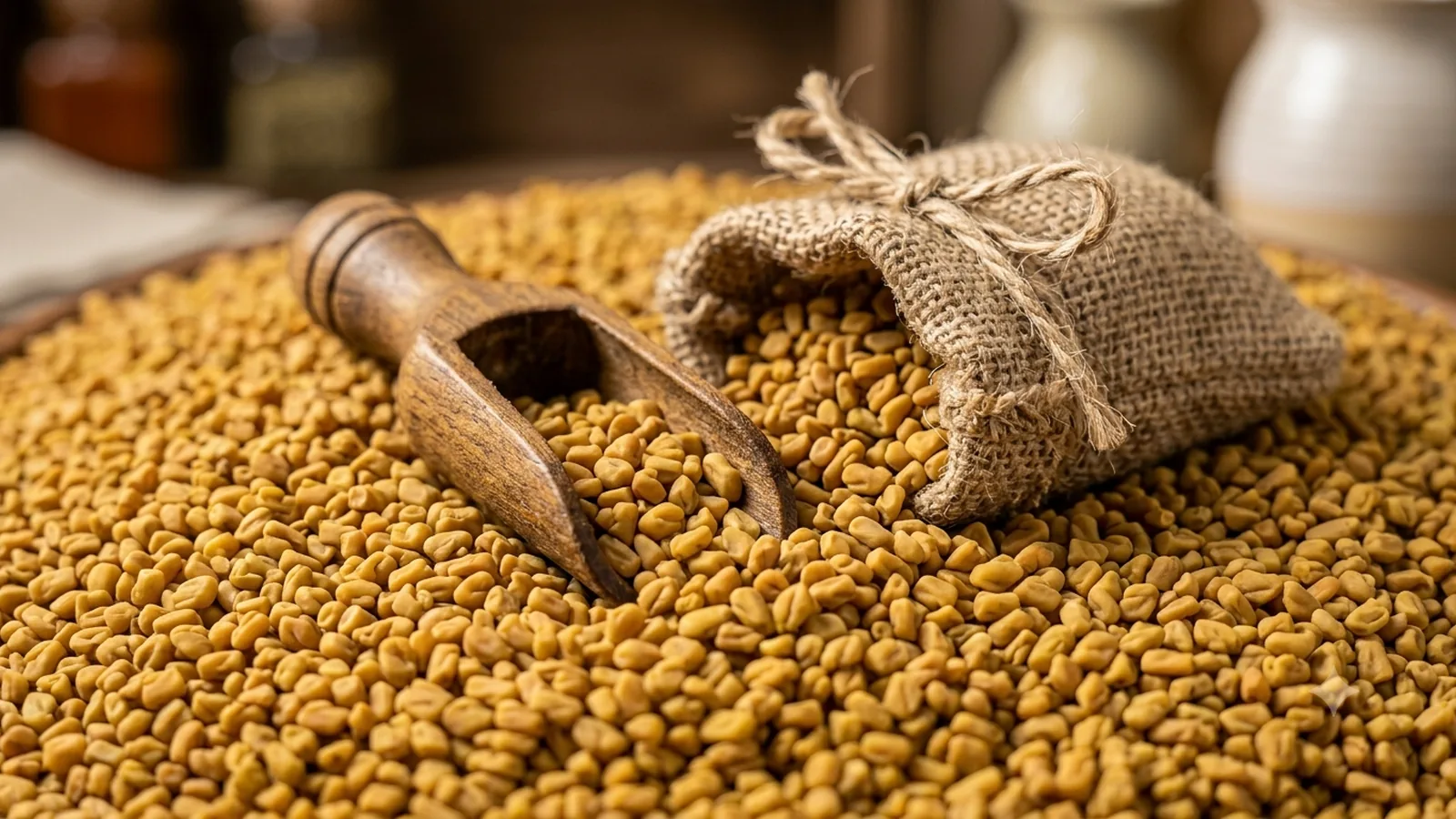
Spices we ship this industry
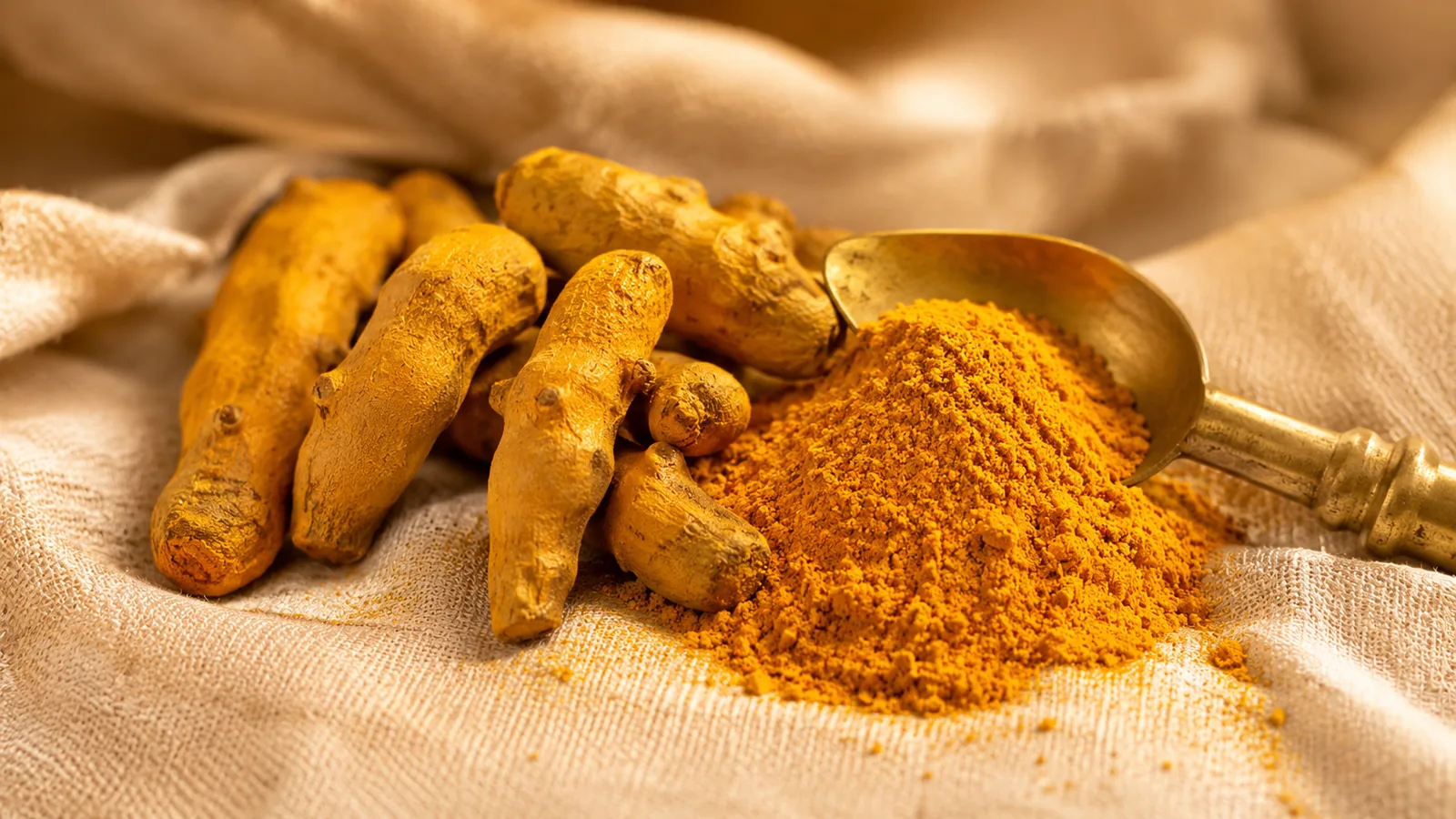
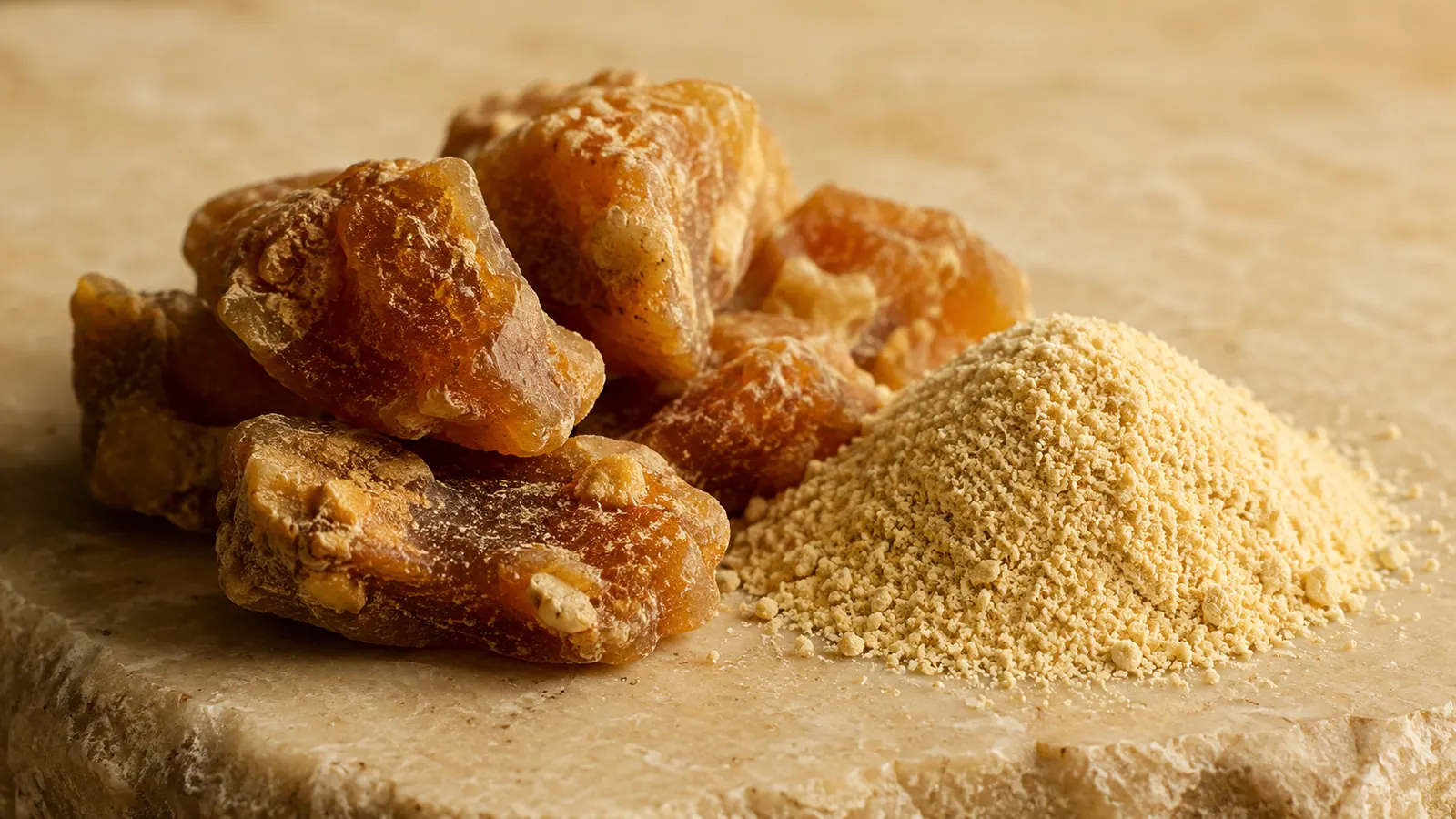
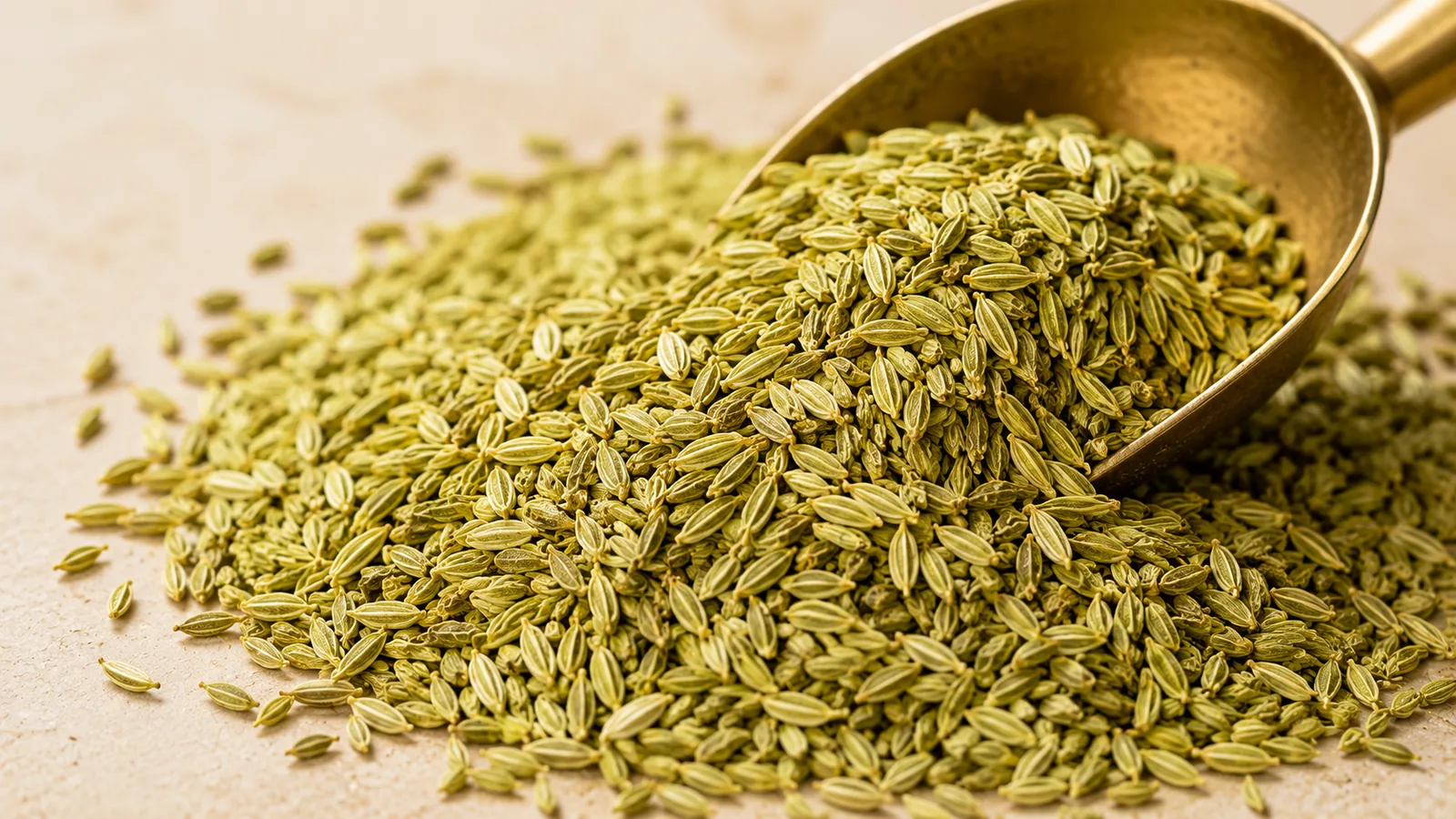
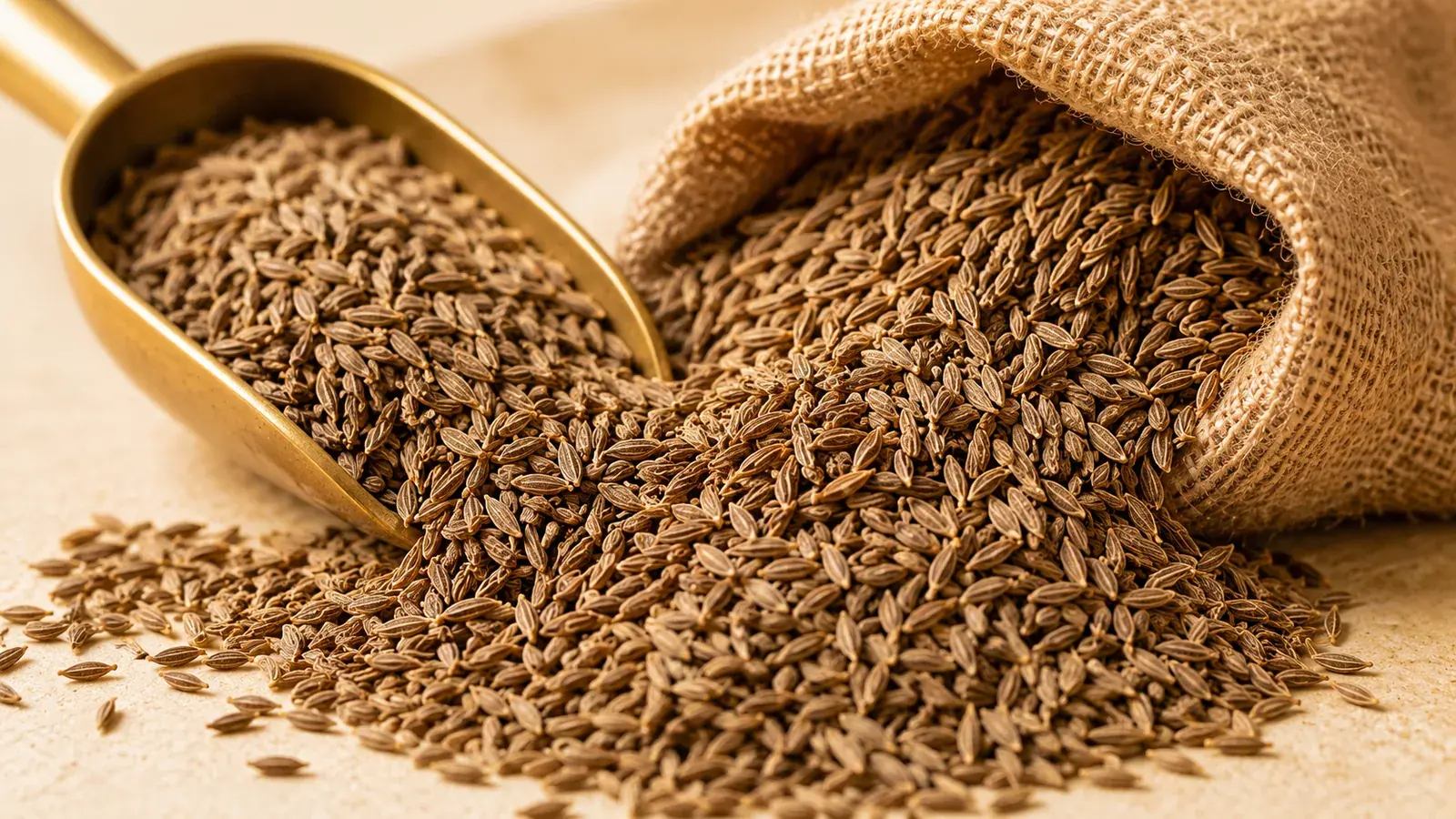
Compliance that bites this industry
Frequently asked
Does the brine handle our microbial risk?
Low pH and salt suppress growth, so the microbial spec can be more relaxed than a meat buyer's. But brine does nothing to aflatoxin or to an illegal dye. Keep the mycotoxin and adulterant panels tight regardless.
Which chilli for a pickle where colour matters?
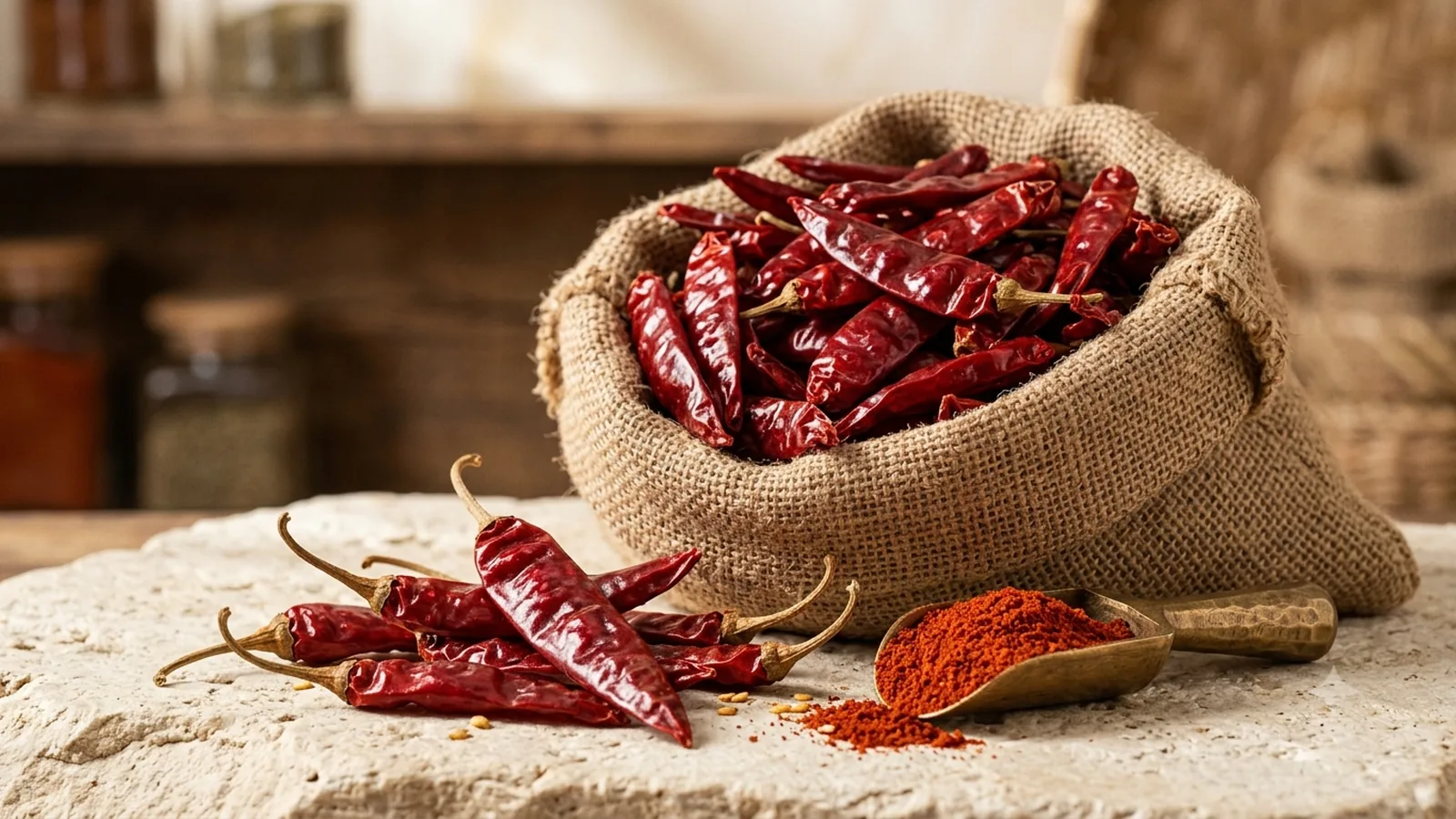
Byadgi is bought for colour rather than heat at 8,000–15,000 SHU and ASTA 130–150; Guntur Sannam S4 carries heat at 35,000–45,000 SHU and ASTA 100–120 (spicesBoard). Pick on which axis your jar is judged.
Why does whole chilli cost more to ship?
It cubes out, meaning it fills the container by volume before it reaches weight limit, so it ships light. A 20ft FCL takes roughly 18–22 MT of dense seed spice but far less whole chilli (cbi).
Buying for pickle and preserve makers? Send us your spec sheet — or tell us the application and we will spec it with you, then quote it.
Request a quoteWhat this page does not tell you
- Appearance and colour hold over jar shelf life
- How a whole spice looks at month twelve depends on your brine, oil, pH and light exposure. We hold no dated study and will not imply a shelf-appearance guarantee.
- Seasonal price movement at Guntur and Unjha
- Both markets set daily prices and we hold no sourced price series to publish. We quote against live offers rather than a benchmark we cannot cite.
Sources
- Spices Board of India — Export statistics· Tier 1, retrieved 2026-07-16
- Reg. (EU) 2023/915 — maximum levels for certain contaminants· Tier 1, retrieved 2026-07-16
- CBI — Entering the European market for spices and herbs· Tier 2, retrieved 2026-07-16