Industry
Spices for pet food
Pet food is the only category where the spice has to persuade a human at the shelf and stay safe for an animal that eats the same formula every day for a decade with no palate to warn it.
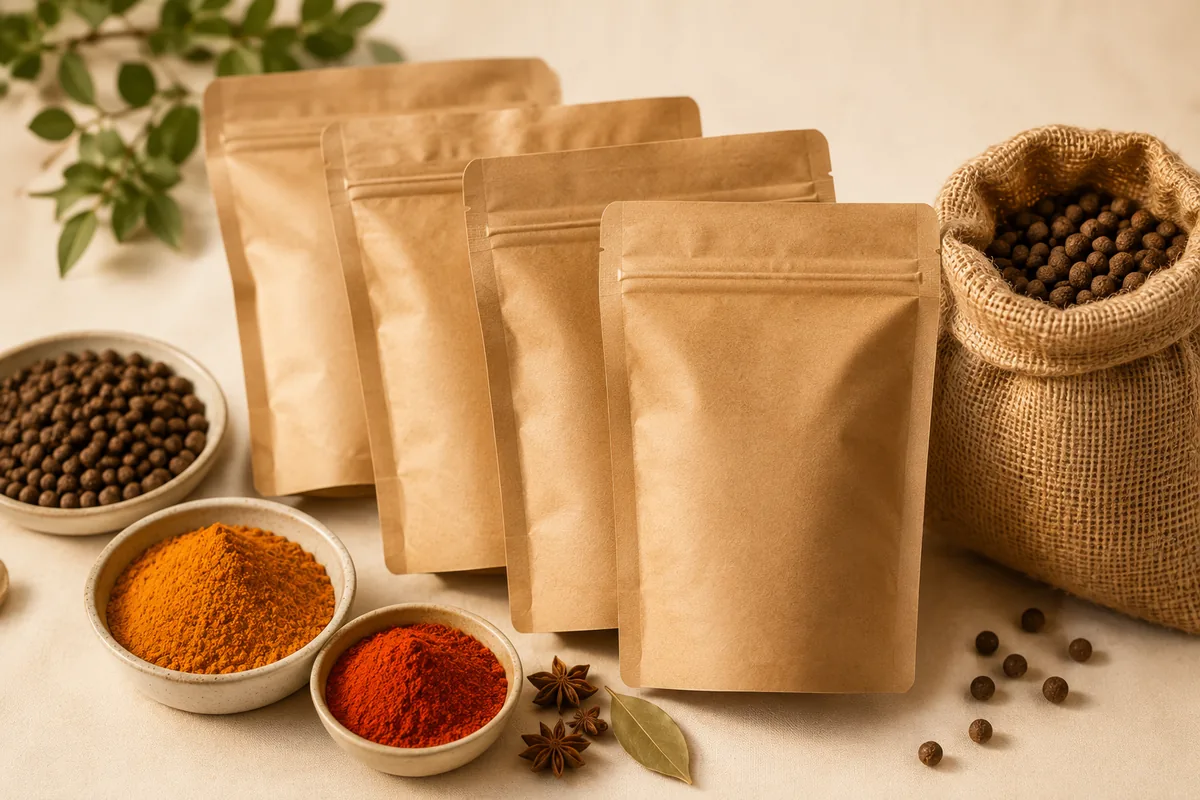
What spices does the pet-food industry buy from India?
Pet food is the only category where the spice has to persuade a human at the shelf and stay safe for an animal that eats the same formula every day for a decade with no palate to warn it.
What the pet-food industry buys
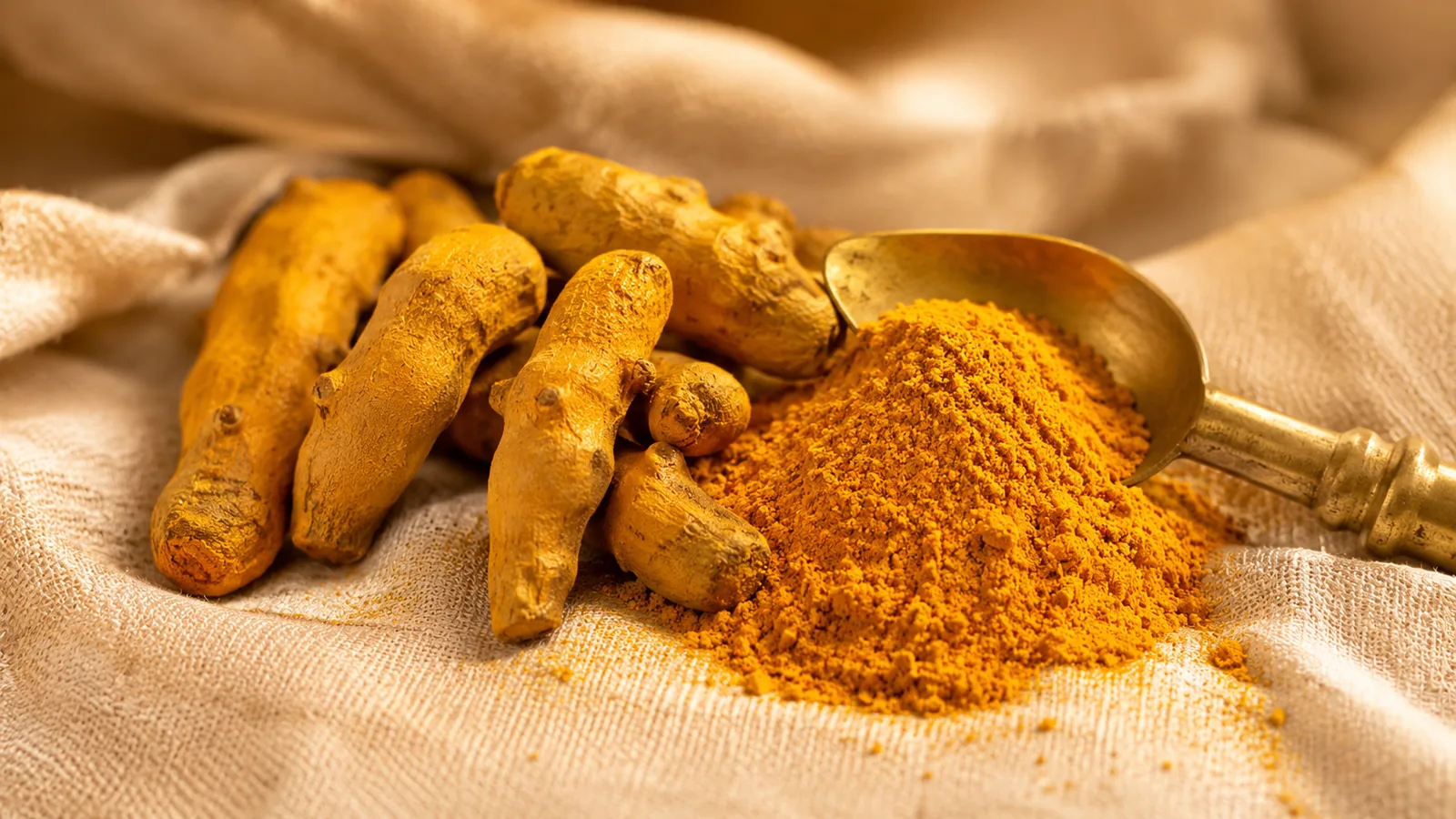
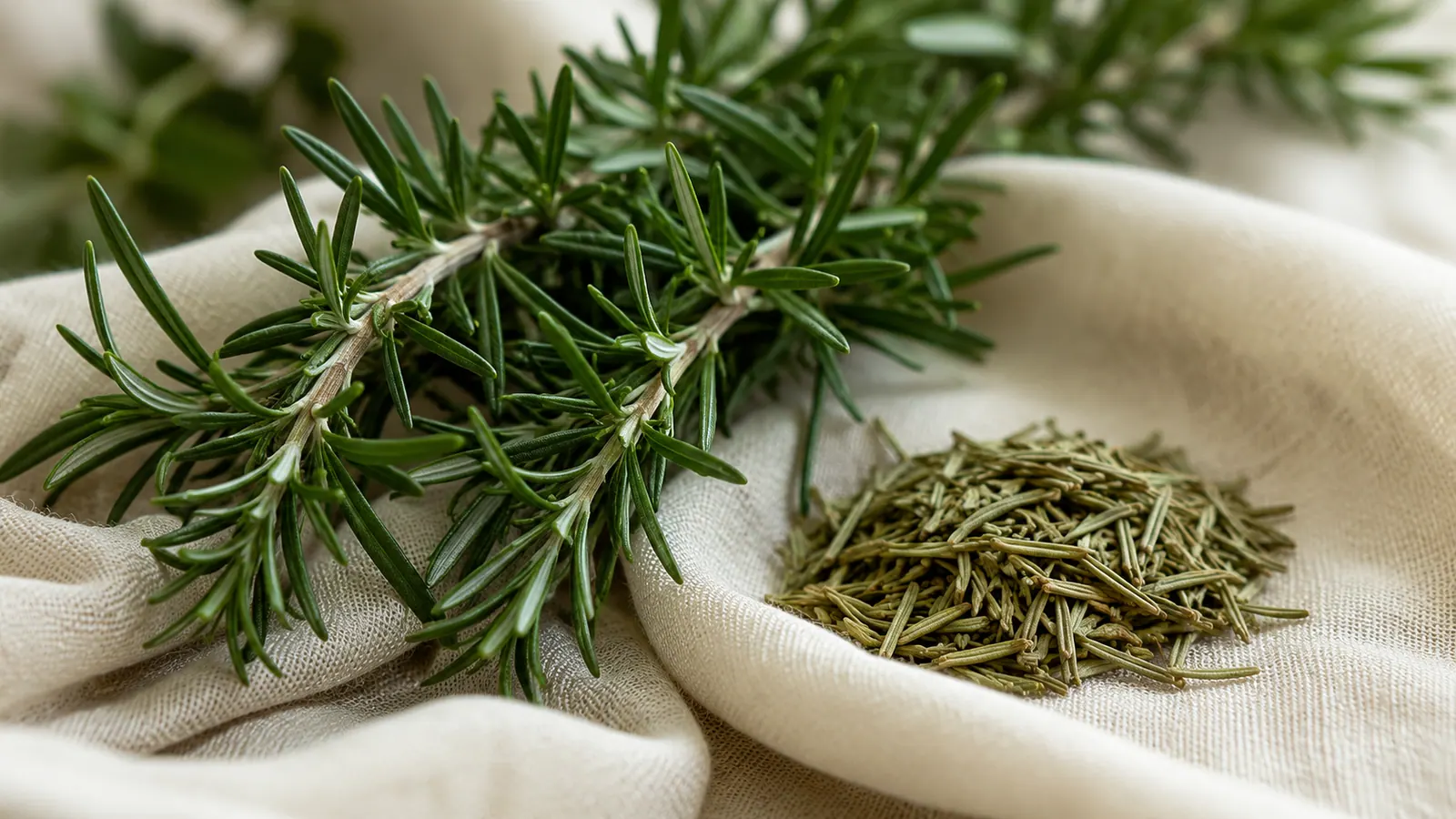
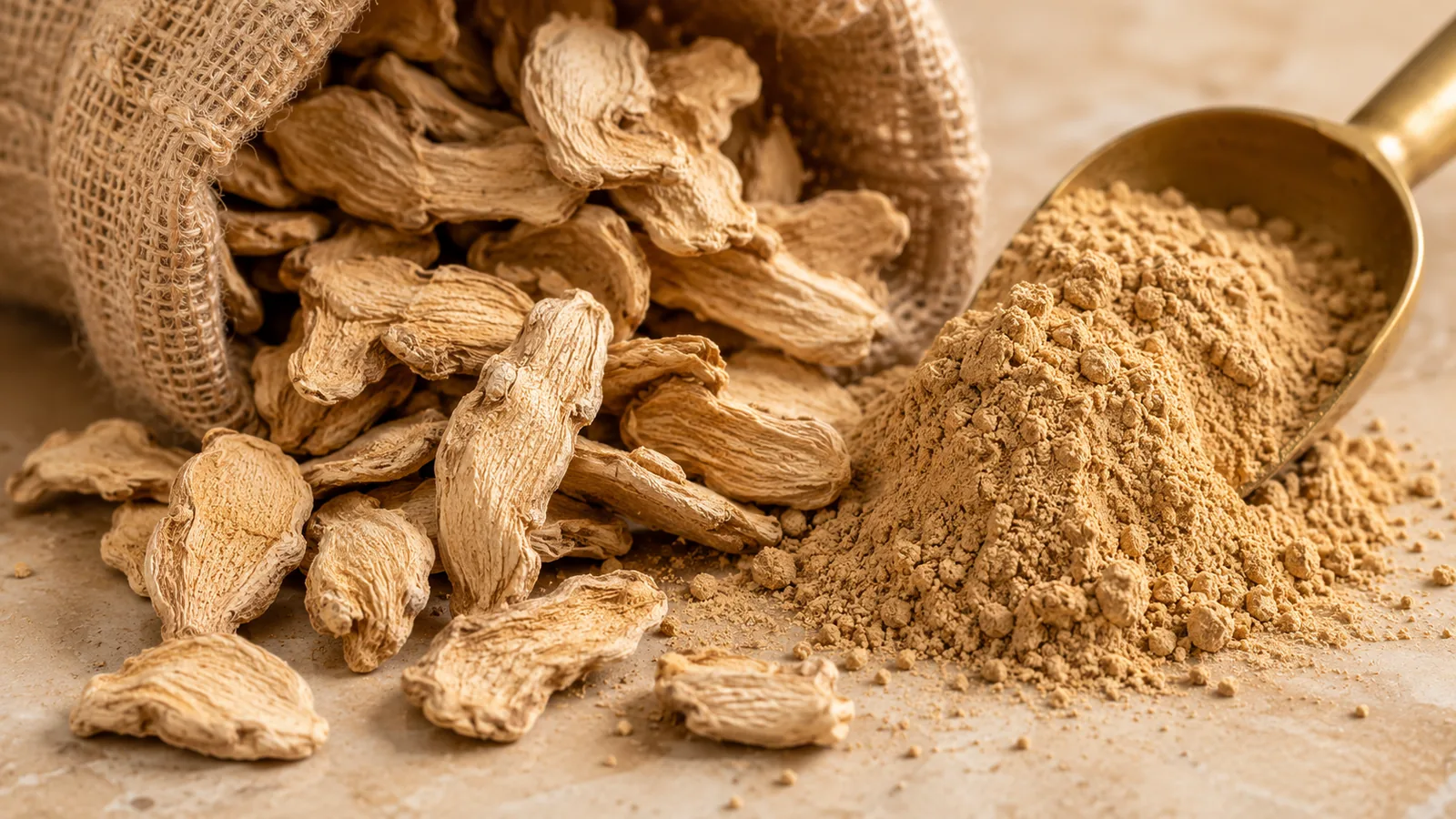
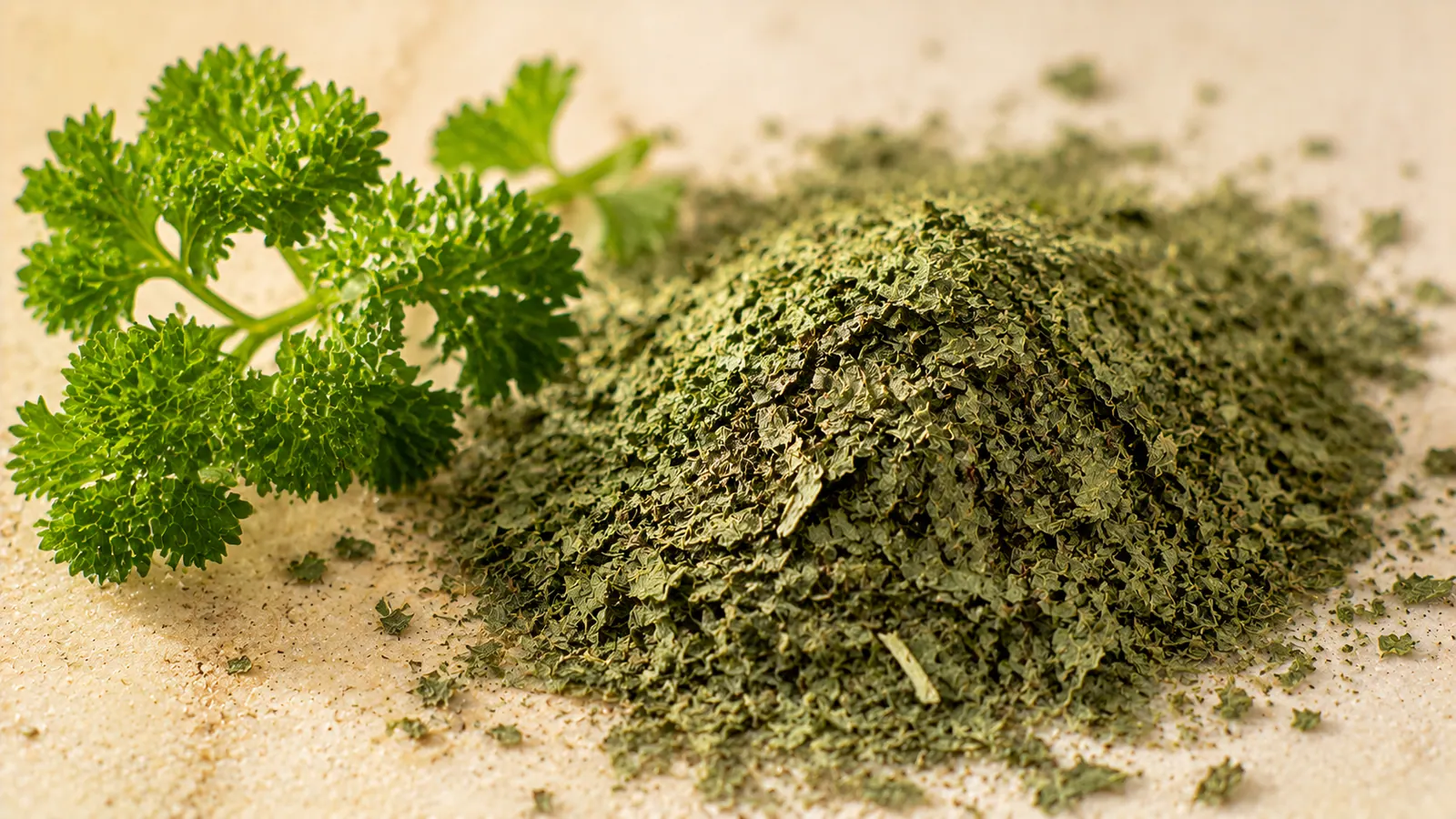
Pet food buys spices for two distinct and often conflicting jobs. The first is human-facing: turmeric, rosemary, ginger and parsley on an ingredient panel signal a premium, natural, functional product to the owner who is actually paying. The second is technical: rosemary is a genuine workhorse antioxidant in this category, used to hold fat oxidation in kibble and treats where a synthetic antioxidant would undercut the positioning the brand just paid for.
The safety maths differ from human food and are less forgiving. A dog eats one formula, at a known body-weight-scaled dose, every day, for years. There is no dietary variety to dilute a chronic contaminant and no consumer to notice an off note. Mycotoxins are the sector's standing nightmare, with aflatoxin recalls in pet food recurrent and severe, and Salmonella is the other, because pet food is a documented human exposure route through the household, which is why regulators treat a pet-food Salmonella event as a human public-health event.
The buying pattern is volume-led and cost-disciplined in a way supplement buying is not. Inclusion rates are low, the spice is a fraction of a percent of the formula, and yet the microbial and mycotoxin spec has to be as tight as a much higher-value application. That combination of commodity economics and pharmaceutical-grade paranoia is what makes the segment hard to serve casually. YouPals sources to the feed or food specification you define, screens lots for mycotoxin and microbial load at origin before they move, and coordinates any milling or steam sterilisation with vetted third-party units. We do not process, do not formulate, and do not advise on inclusion levels.
What this industry specifies
Put these on the contract and the lot is repeatable. Leave them off and you are buying on hope.
- Aflatoxin caps with the sampling plan written in, since mycotoxin distribution in a lot is heterogeneous and a single grab sample proves nothing
- Salmonella absent in 25 g with the sampling plan and unit count stated, because pet food is a documented household route to human infection
- Full microbial specification (total plate count, yeast and mould, Enterobacteriaceae, E. coli) with limits appropriate to a low-inclusion ingredient in a high-fat matrix
- Feed-grade versus food-grade status declared explicitly, since they are different regulatory regimes and buyers routinely conflate them
- Particle size and bulk density, which drive dosing accuracy and blend homogeneity at inclusion rates measured in tenths of a percent
- Moisture cap and water activity, which govern mould risk across a long kibble shelf life
- Heavy metals and pesticide residues sized to chronic daily exposure at animal body weight rather than to occasional human consumption
- Ethylene oxide status against the 0.1 mg/kg EU default and irradiation status declared, with steam sterilisation named where a kill step is required
- Lot traceability and retained samples, because a pet-food recall traces backwards fast and publicly
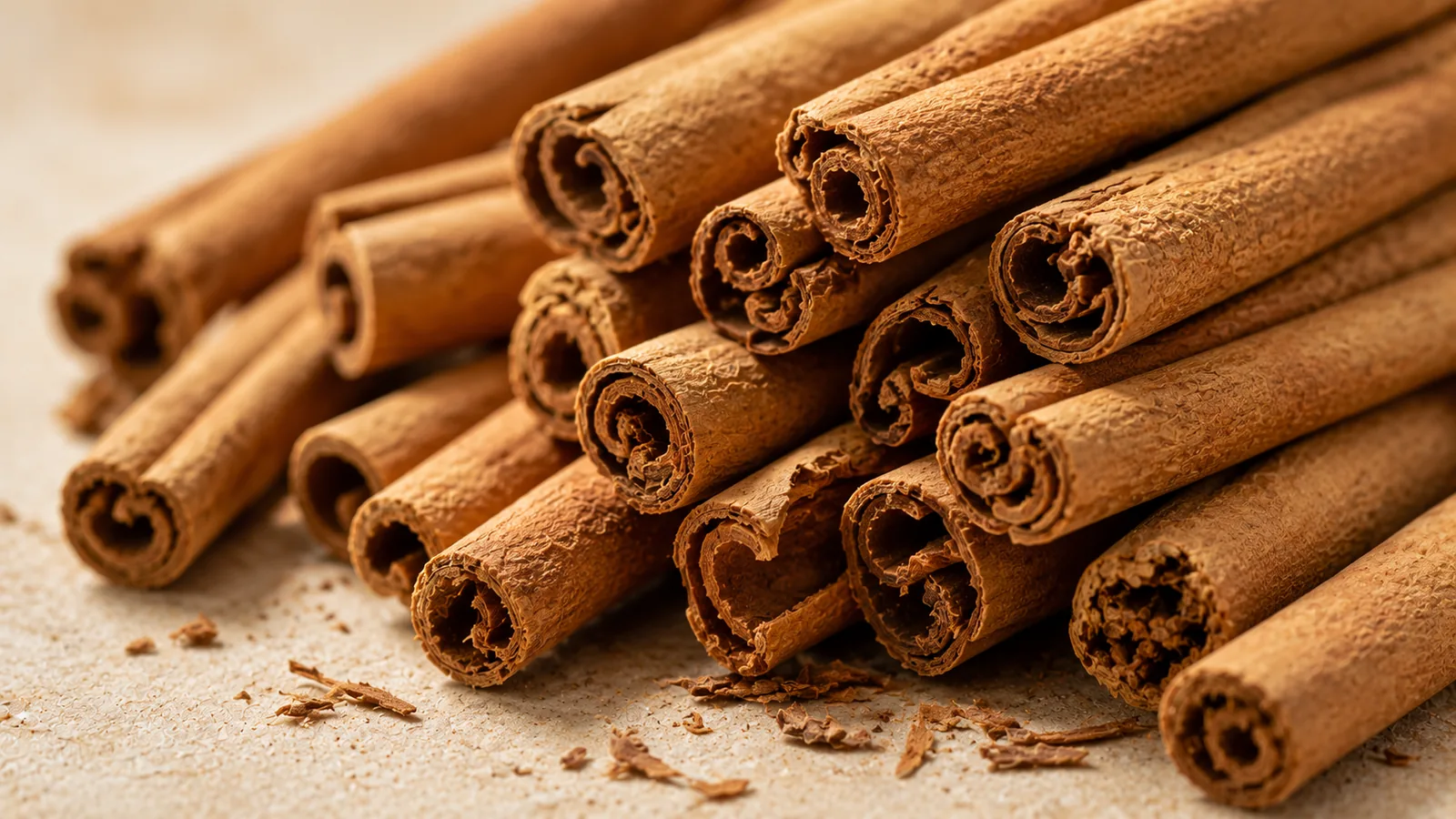
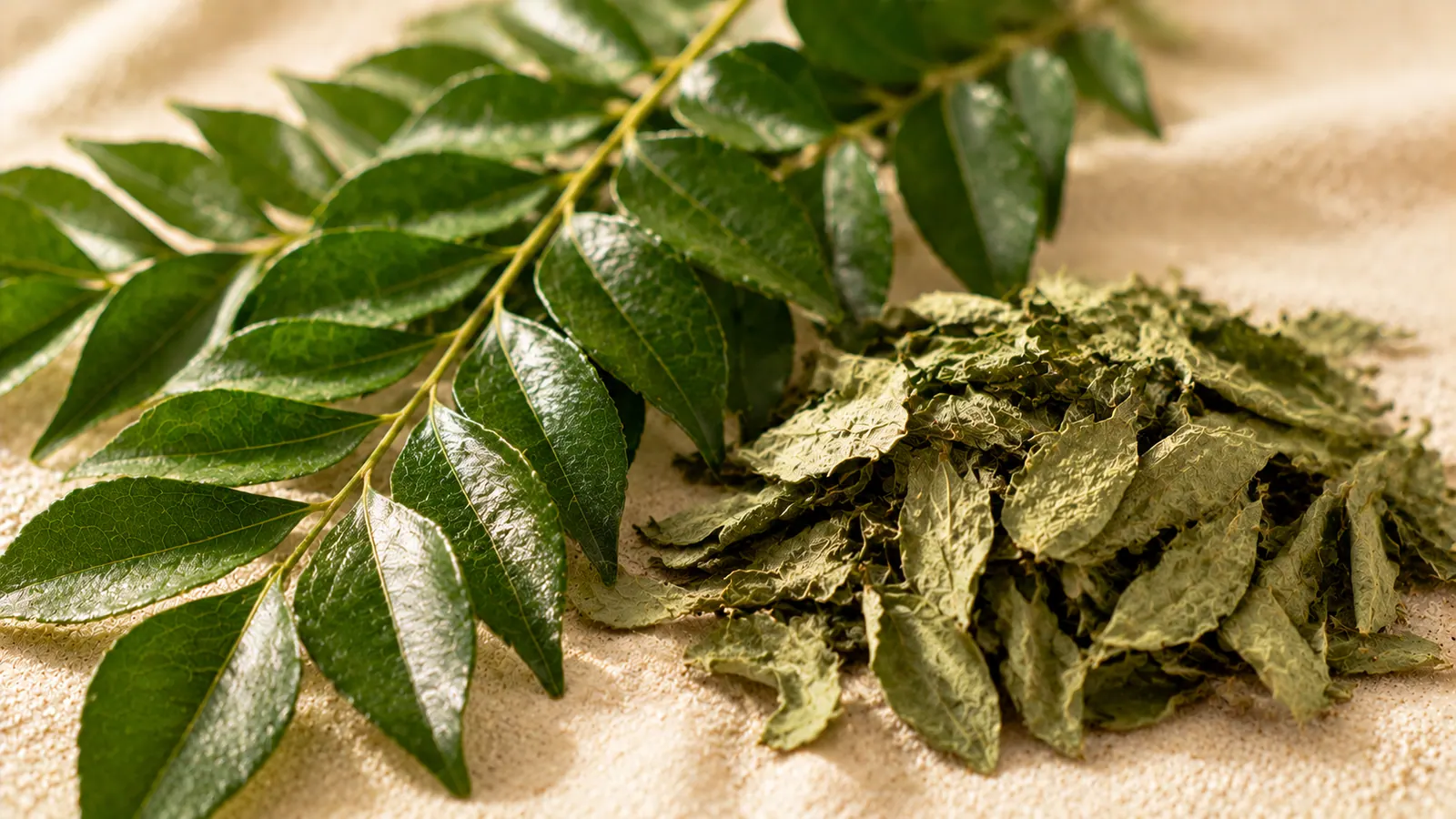
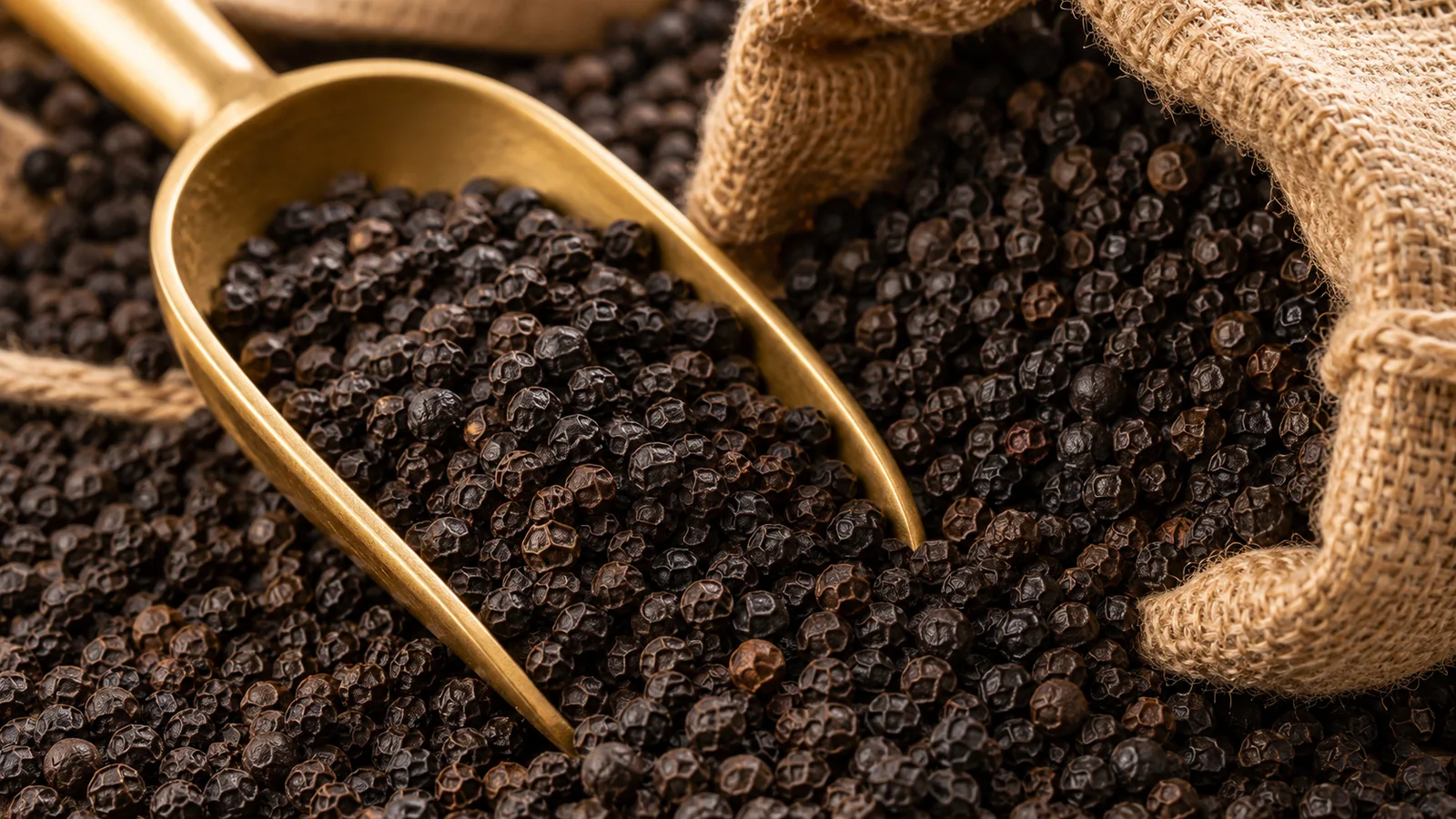
Spices we ship this industry
Compliance that bites this industry
Frequently asked
Do you supply feed-grade or food-grade material?
We source to whichever you specify, and we make you state it on the contract. They are different regulatory regimes with different documentation, and the commonest failure in this segment is a buyer assuming one while a supplier quotes the other.
Why is the mycotoxin sampling plan a contract item?
Because mycotoxin contamination is heterogeneous within a lot. A clean certificate from one grab sample is close to meaningless. The incremental sample count and compositing method decide whether the number means anything, so we put them in writing.
Can you advise on inclusion levels for garlic or other spices?
No. Species-specific toxicity and safe inclusion rates for companion animals are a formulation and veterinary question. We source what your formulation team specifies, and we do not substitute or suggest levels.
Buying for the pet-food industry? Send us your spec sheet — or tell us the application and we will spec it with you, then quote it.
Request a quoteWhat this page does not tell you
- Species-specific toxicity and safe inclusion rates
- Some alliums and other botanicals carry known toxicity concerns in companion animals. This is a veterinary and formulation matter with no verified figures we can responsibly publish. We source to your spec and do not advise.
- Feed-material contaminant limits
- Feed limits differ from food limits and by jurisdiction. Our verified limit set is the EU food regime. Where you need feed limits, they must come from your regulatory team onto the contract.
- Rosemary antioxidant performance
- Rosemary is standard practice as a natural antioxidant in this category, but we hold no verified data on oxidative stability performance and make no shelf-life claim.
Sources
- Reg. (EU) 2023/915 — maximum levels for certain contaminants· Tier 1, retrieved 2026-07-16
- Spices Board — Certificate of Registration as Exporter of Spices (CRES)· Tier 1, retrieved 2026-07-16