Industry
Spices for dairy
Dairy pasteurises everything it makes and then adds a raw agricultural powder to it afterwards, which is why the spice is the highest-risk ingredient in the plant.
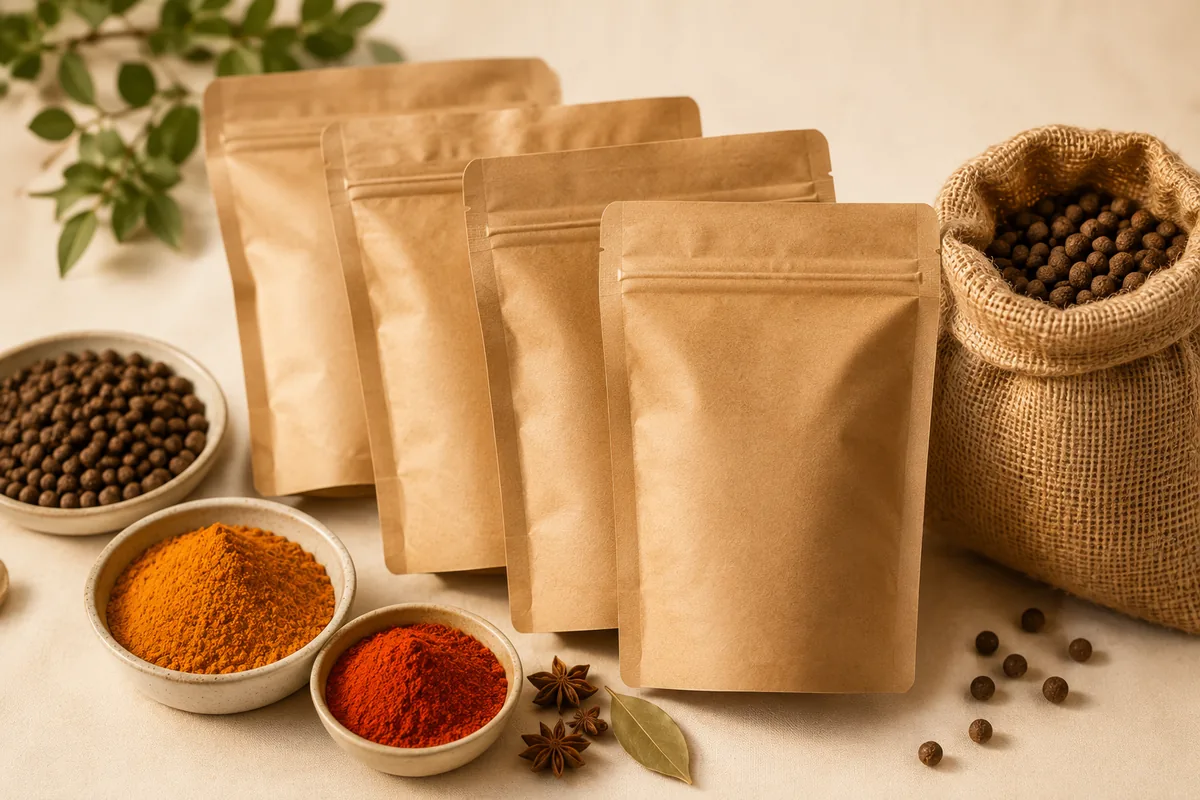
What spices does the dairy industry buy from India?
Dairy pasteurises everything it makes and then adds a raw agricultural powder to it afterwards, which is why the spice is the highest-risk ingredient in the plant.
What the dairy industry buys
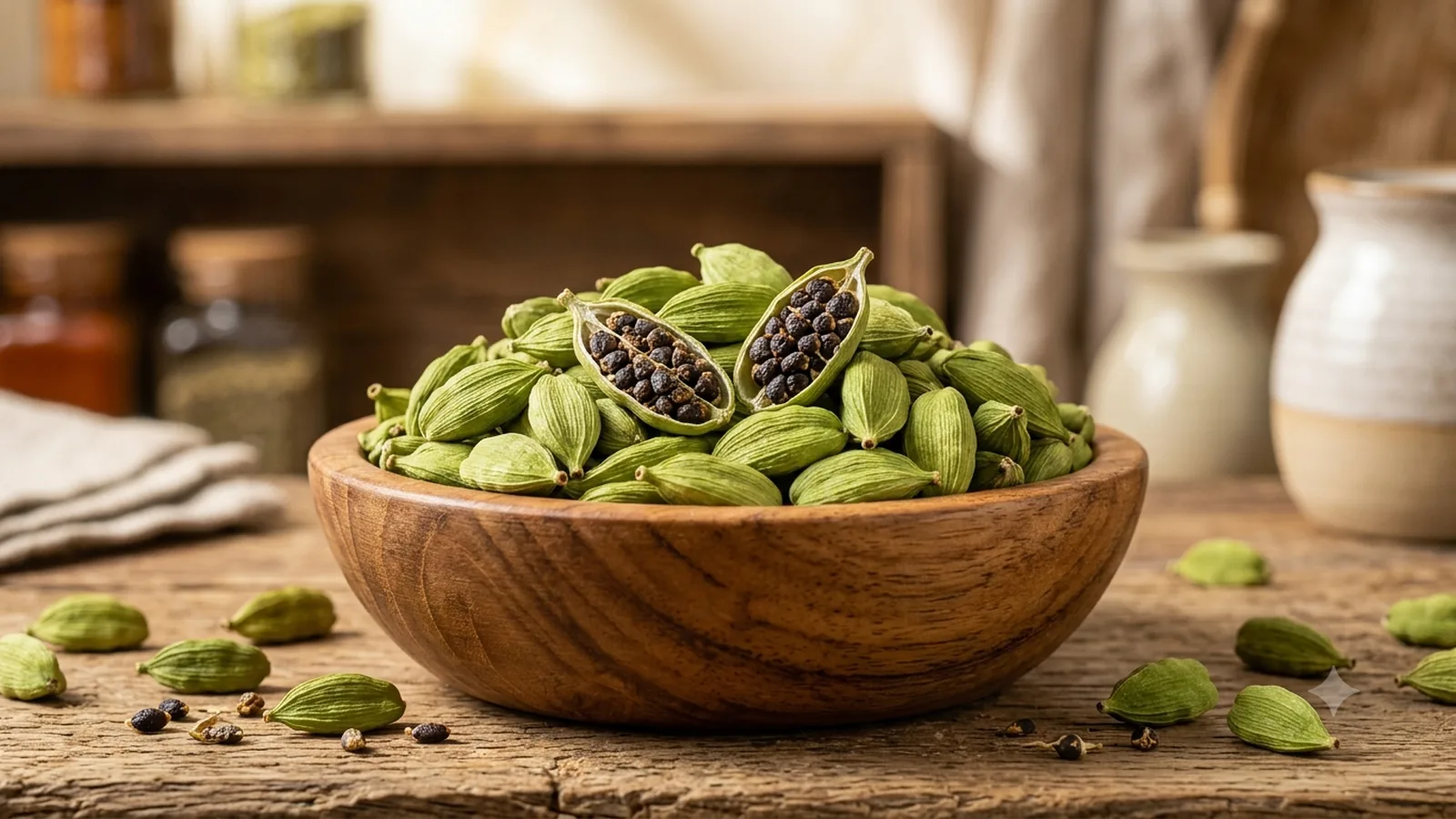
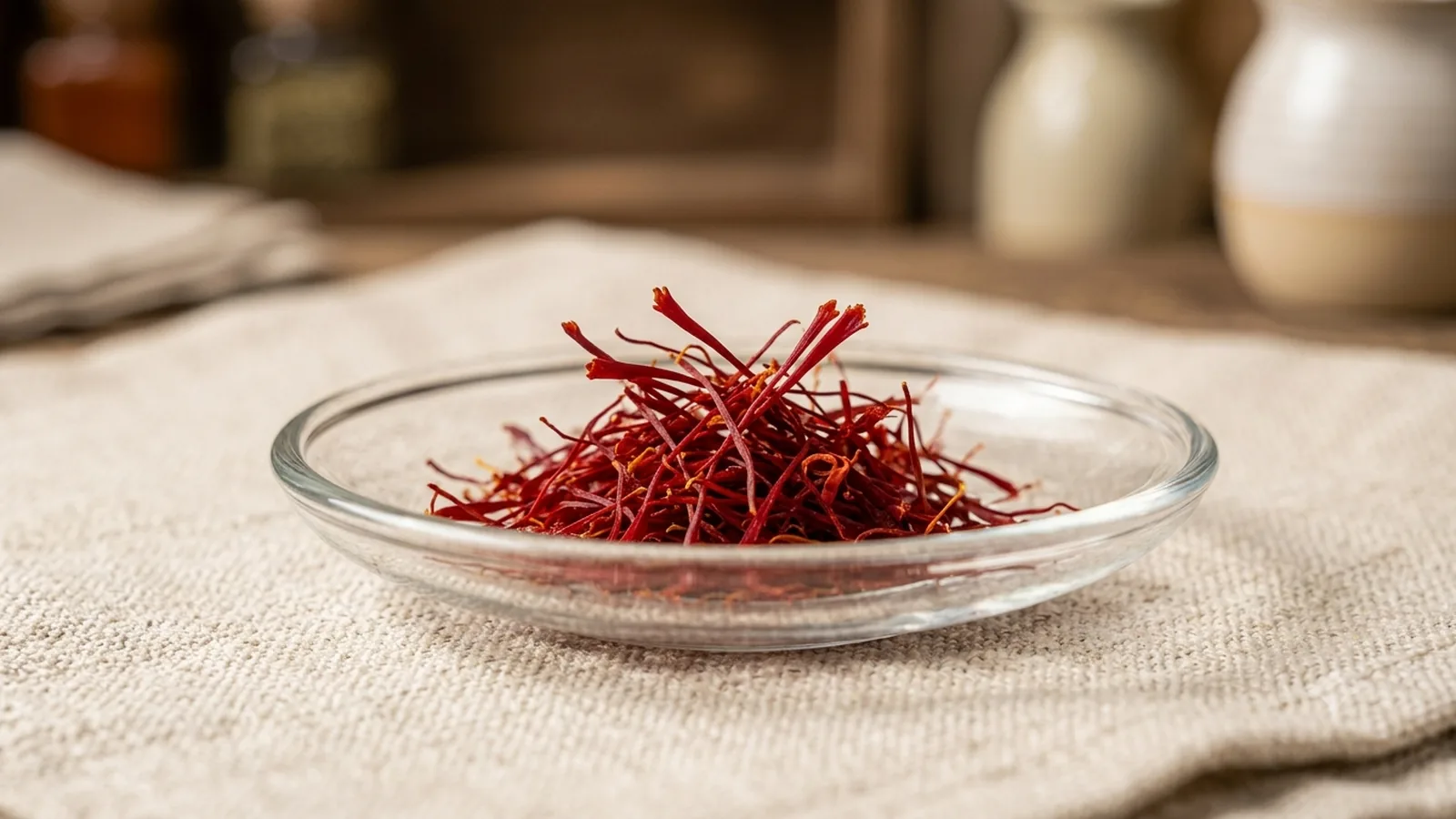
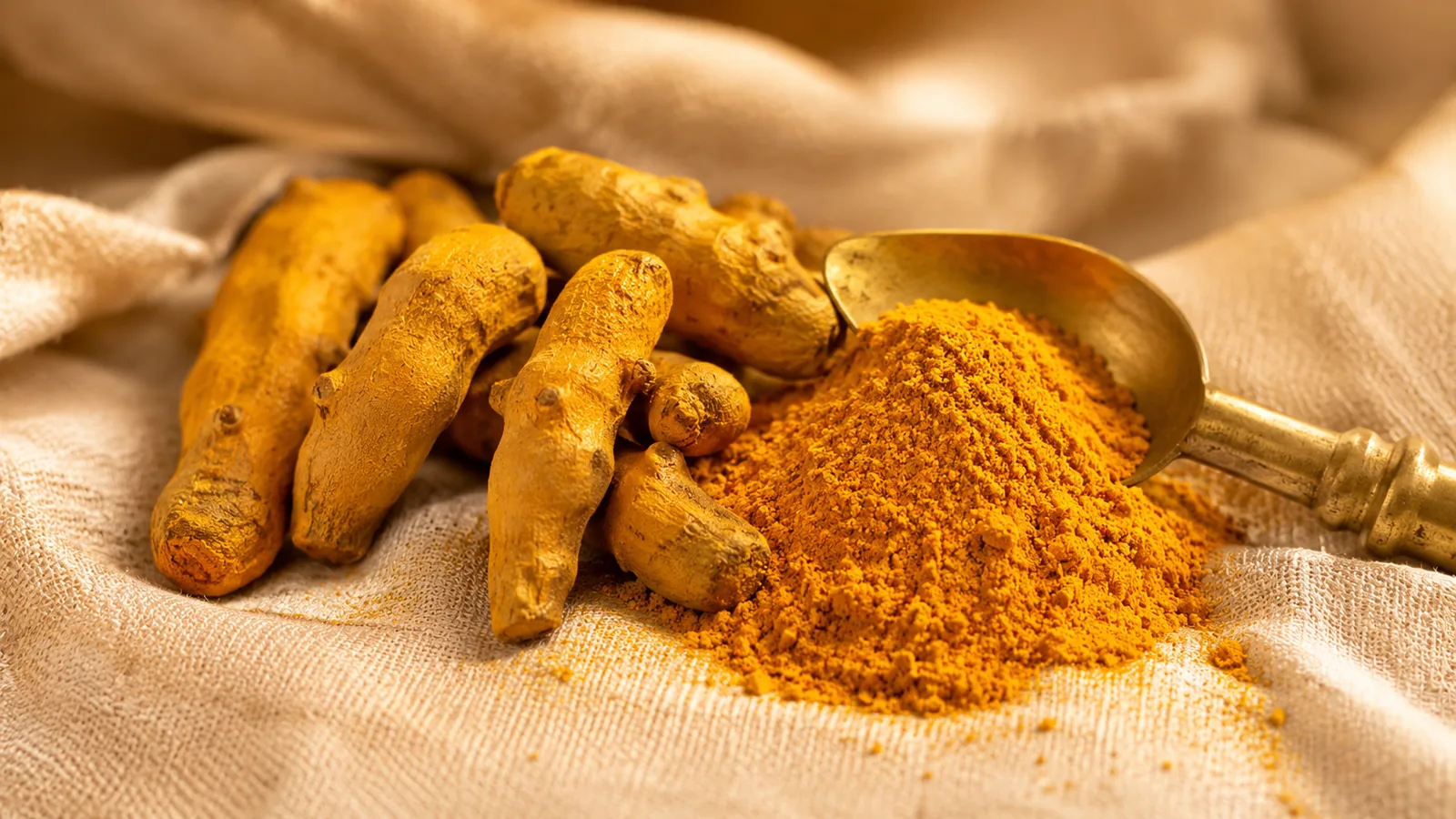
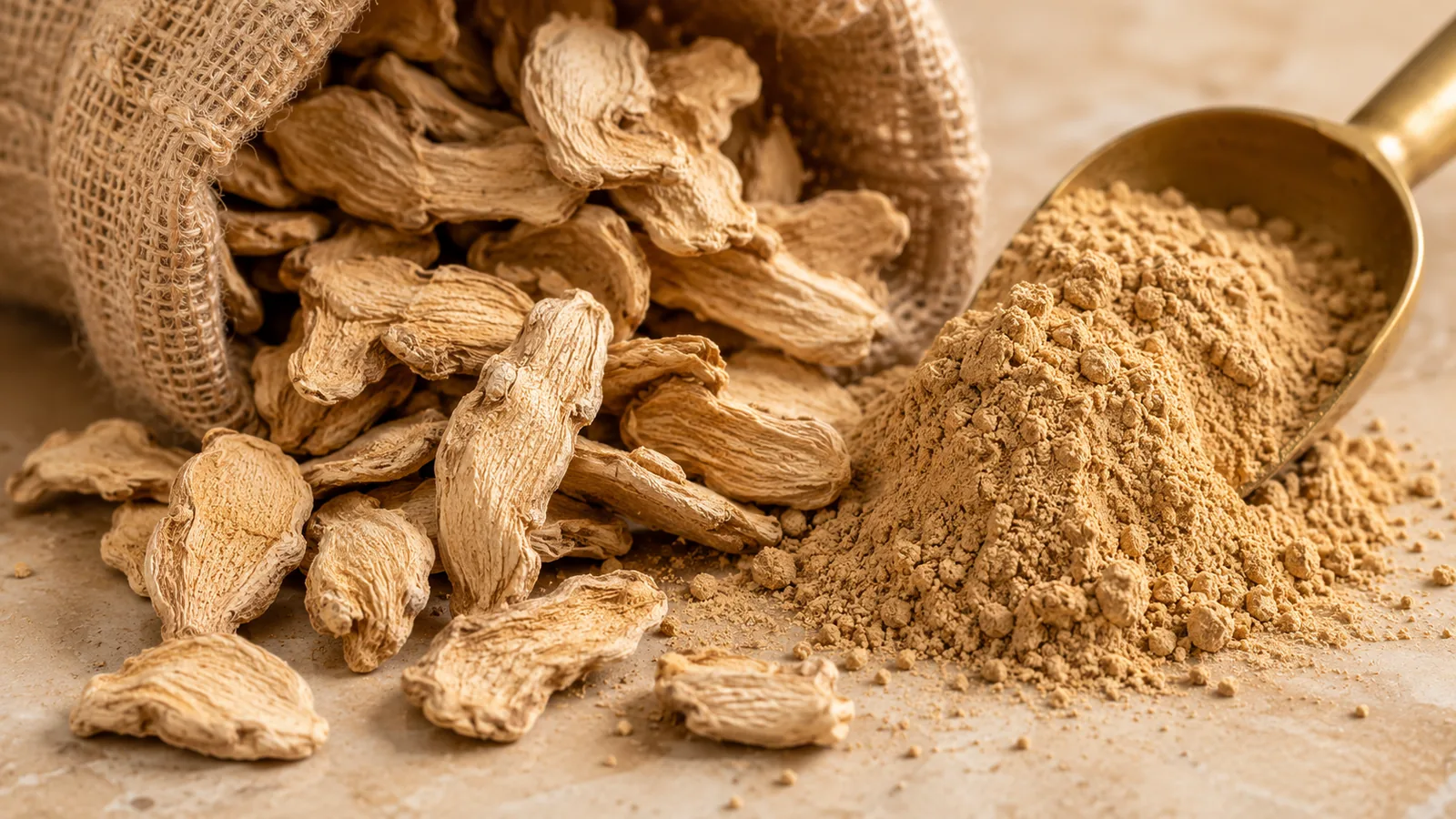
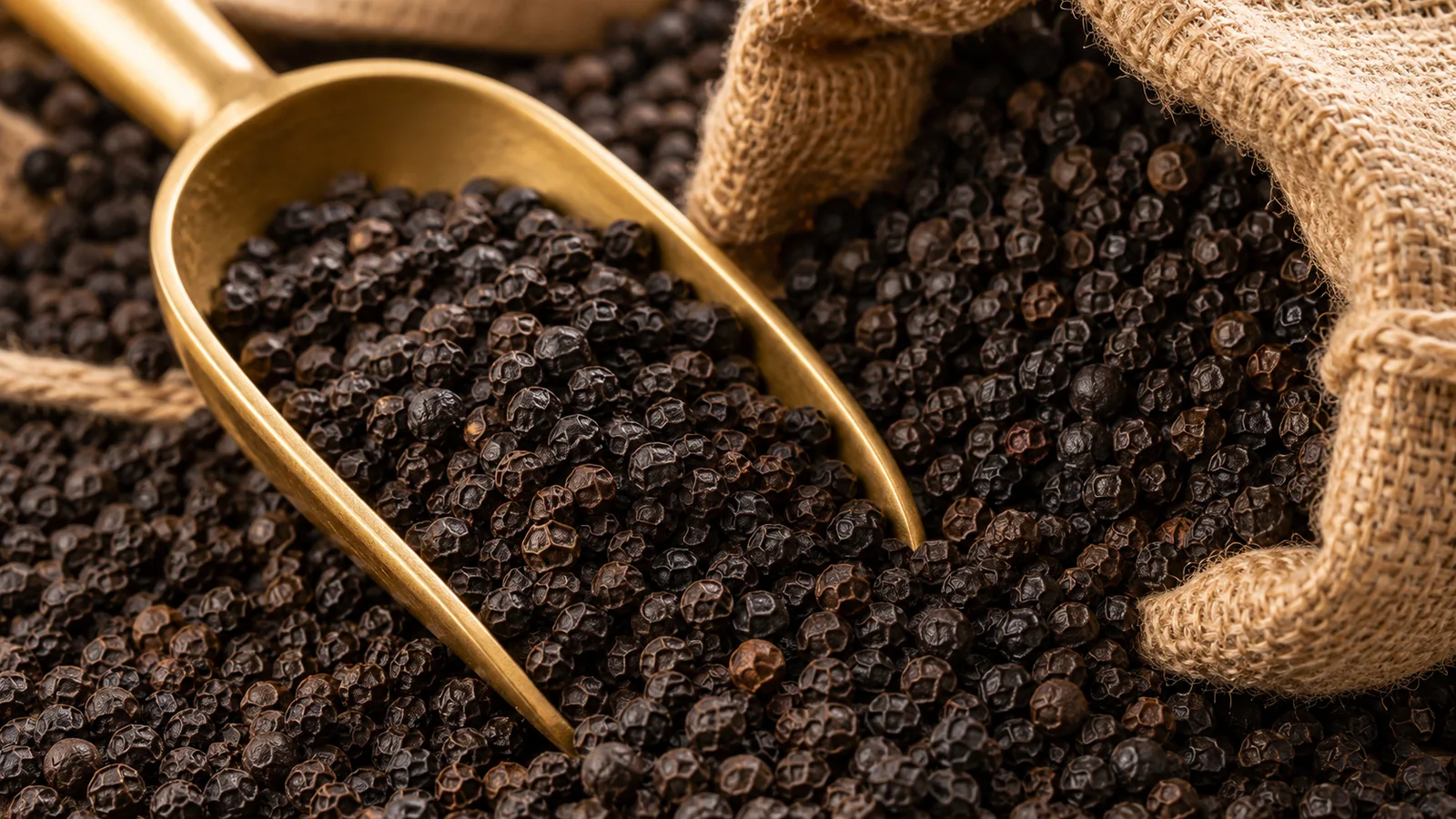
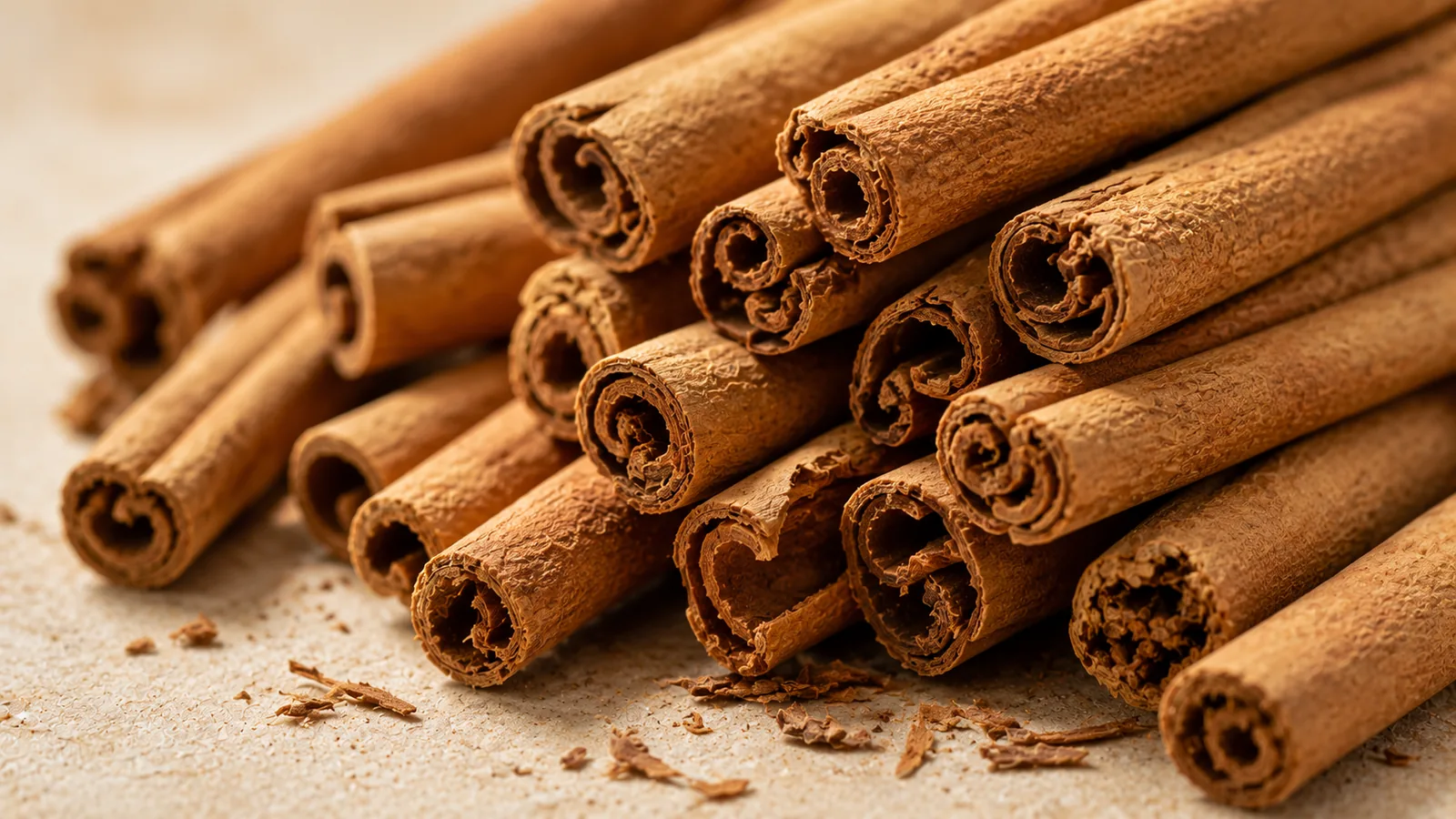
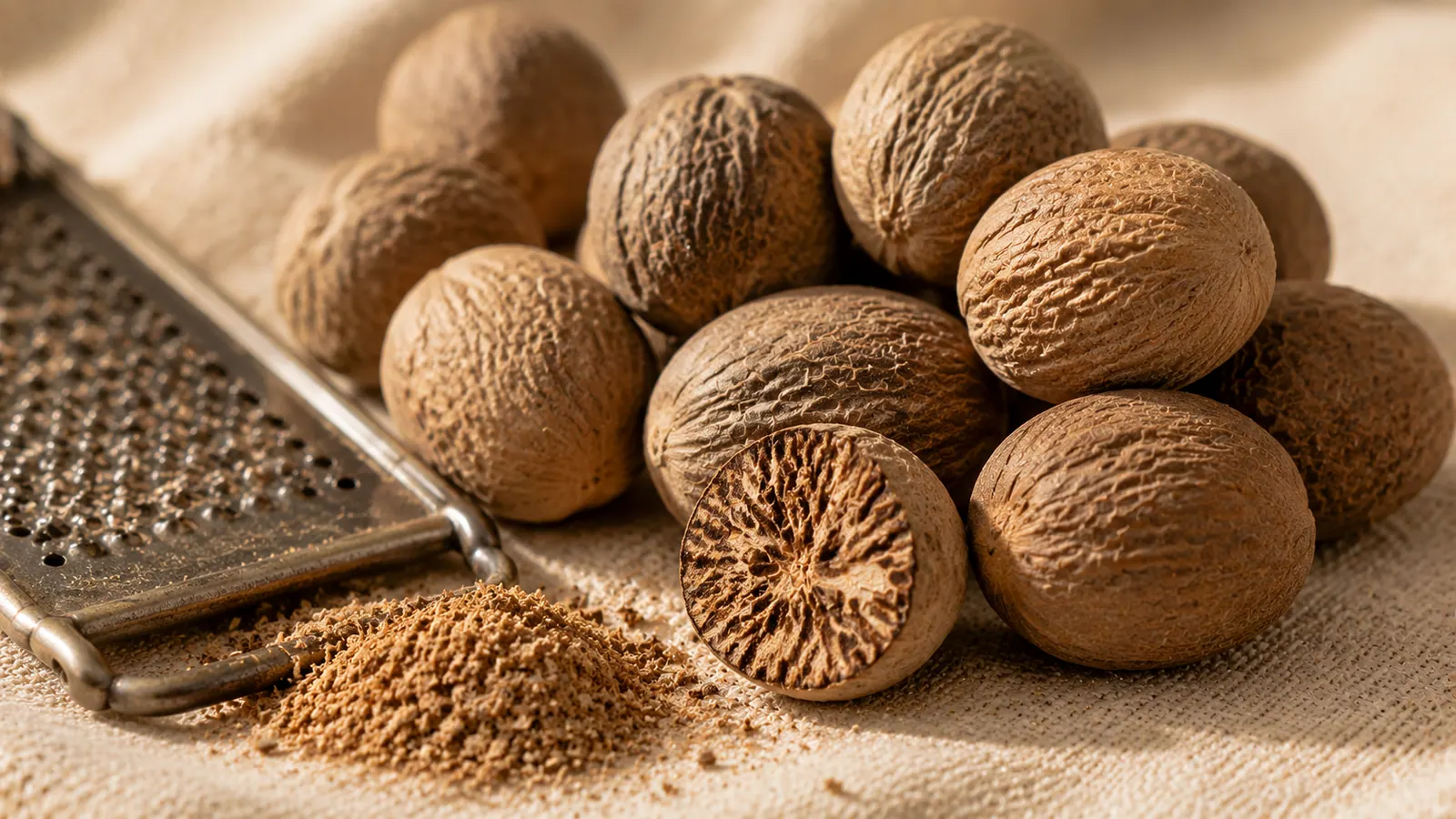
Dairy buys a short, precise list of spices and buys them harder than almost anyone. Green cardamom is the category's defining flavour across kheer, lassi, shrikhand, flavoured milk, kulfi and cardamom ice cream, with saffron as the premium partner in kesar milk and kesar pista formats. Turmeric rides the golden-milk wave, ginger and black pepper appear in functional dairy, and nutmeg, cinnamon and clove work the spiced and seasonal end. It is a narrow basket where each item does heavy lifting.
The technical problem is specific to the category and consistently underestimated. A dairy plant's whole safety architecture is a validated thermal kill step, and then the flavour system goes in after it. That makes the spice a direct inoculation route into a sterile, nutrient-dense, near-neutral matrix that is held cold and consumed without further cooking. Salmonella absent in 25 g is not a box on a spec sheet here, it is the load-bearing control, and it has to be delivered by steam sterilisation with testing, because ethylene oxide is a banned pesticide in the EU with a 0.1 mg/kg default limit and has no place in a dairy supply chain.
Then there is dispersion. Dairy systems are cold, wet, viscous and often acidified, and a spice powder has to hydrate and release flavour in that environment without settling to the bottom of a bottle or gritting on the tongue. Particle size is a sensory specification here, not a handling one. Turmeric adds a colour-stability question on top, since the pigment behaves differently across pH and light exposure through a clear bottle over a printed shelf life. YouPals sources cardamom to grade (6mm, 7mm, 8mm or AGEB, priced at auction with no fixed price to hold), screens for microbial and contaminant load at origin, and coordinates steam sterilisation and milling with vetted third-party units. We own no line, sterilise nothing ourselves, and do not develop your flavour system.
What this industry specifies
Put these on the contract and the lot is repeatable. Leave them off and you are buying on hope.
- Salmonella absent in 25 g with the sampling plan and unit count stated, because the spice enters after the thermal kill step and is the plant's open door
- Full microbial specification (total plate count, yeast and mould, Enterobacteriaceae, E. coli and spore formers), which matter in a pasteurised low-acid matrix in a way they do not in a cooked dish
- Steam sterilisation named as the required kill step, with ethylene oxide below the 0.1 mg/kg EU default and irradiation status declared
- Particle size distribution treated as a sensory spec, since grit is detectable in a smooth cold matrix at a fineness no dry application would care about
- Dispersibility and settling behaviour in your actual system (cold, viscous, often acidified), which is where a powder qualified in a dry blend fails
- Cardamom grade pinned to size (6mm, 7mm, 8mm, AGEB) with volatile oil as the aroma proxy, and acceptance that auction pricing means no fixed price
- Colour stability across pH, light and the full shelf life for turmeric and saffron, tested in the pack you actually sell rather than in a beaker
- Aflatoxin B1 at 5 µg/kg and total aflatoxins at 10 µg/kg for turmeric and ginger, with heavy metals and a lead chromate screen on turmeric
- Flavour standardisation lot to lot against a retained reference, because a consumer who buys the same bottle weekly notices a shift a QC panel would pass
Spices we ship this industry
Compliance that bites this industry
Frequently asked
Why is the microbial spec tighter than for a cooked application?
Because your kill step happens before the spice goes in. Pasteurised dairy is nutrient-dense, near-neutral and eaten without cooking, so the spice is a direct inoculation route. Salmonella absent in 25 g and steam sterilisation are the controls, not ethylene oxide, which the EU bans.
Can you quote a firm cardamom price for a year of flavoured milk?
No. Green cardamom is auction-priced at origin, so nobody can honestly hold a price for a year. We can lock the grade (6mm, 7mm, 8mm or AGEB), commit to supply, and be open about where the auction is sitting.
Do you sterilise the powder for us?
No. YouPals owns no sterilisation or milling capacity. We coordinate steam sterilisation and milling with vetted third-party units against your spec, test the output, and pass their validation and documentation through to you unedited.
Buying for the dairy industry? Send us your spec sheet — or tell us the application and we will spec it with you, then quote it.
Request a quoteWhat this page does not tell you
- Dosage and flavour system development
- Cardamom and saffron dosage into a dairy matrix is your product development work. We supply to grade and spec and do not formulate.
- Turmeric colour stability in dairy
- Pigment behaviour across pH, light and shelf life is real and format-specific. We hold no verified stability data and will not make a shelf-life colour claim; it has to be validated in your pack.
- Saffron crocin by grade
- Kashmir saffron is among the world's highest in crocin, but we have no verified crocin figures by grade and will not put a colouring strength number on a dairy contract.
Sources
- Spices Board of India — Export statistics· Tier 1, retrieved 2026-07-16
- Reg. (EU) 2023/915 — maximum levels for certain contaminants· Tier 1, retrieved 2026-07-16