Industry
Spices for retail & private label
Private label is the only spice buyer whose supplier failure appears under their own brand name on a recall notice, with no manufacturer to point at.
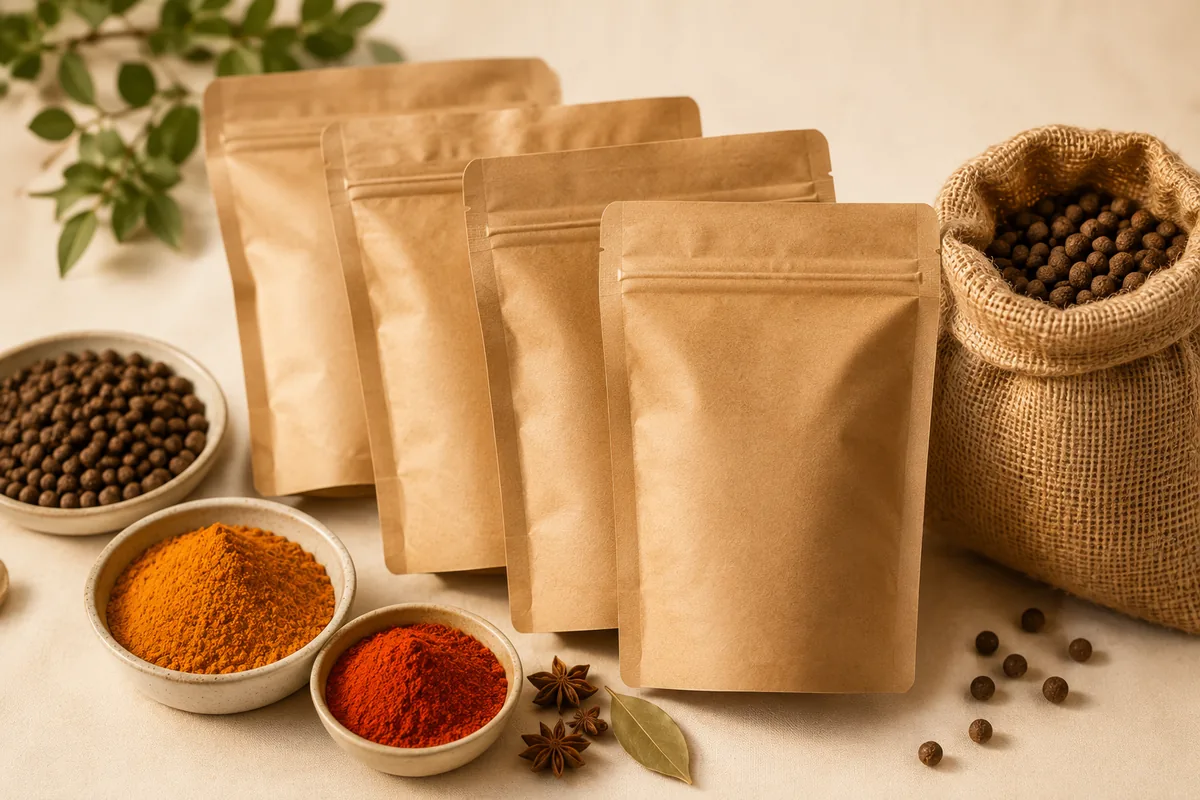
What spices does retail and private-label brands buy from India?
Private label is the only spice buyer whose supplier failure appears under their own brand name on a recall notice, with no manufacturer to point at.
What retail and private-label brands buys
A private-label buyer is buying a finished consumer unit with their logo on it, and that single fact drives everything. They carry the label liability, the retailer audit, the customer complaint and the recall cost, but they do not own the line that made the product. So they buy documentation and control as hard as they buy spice, and a supplier who is casual about artwork approval or net-weight control is a supplier who will eventually cost them a listing.
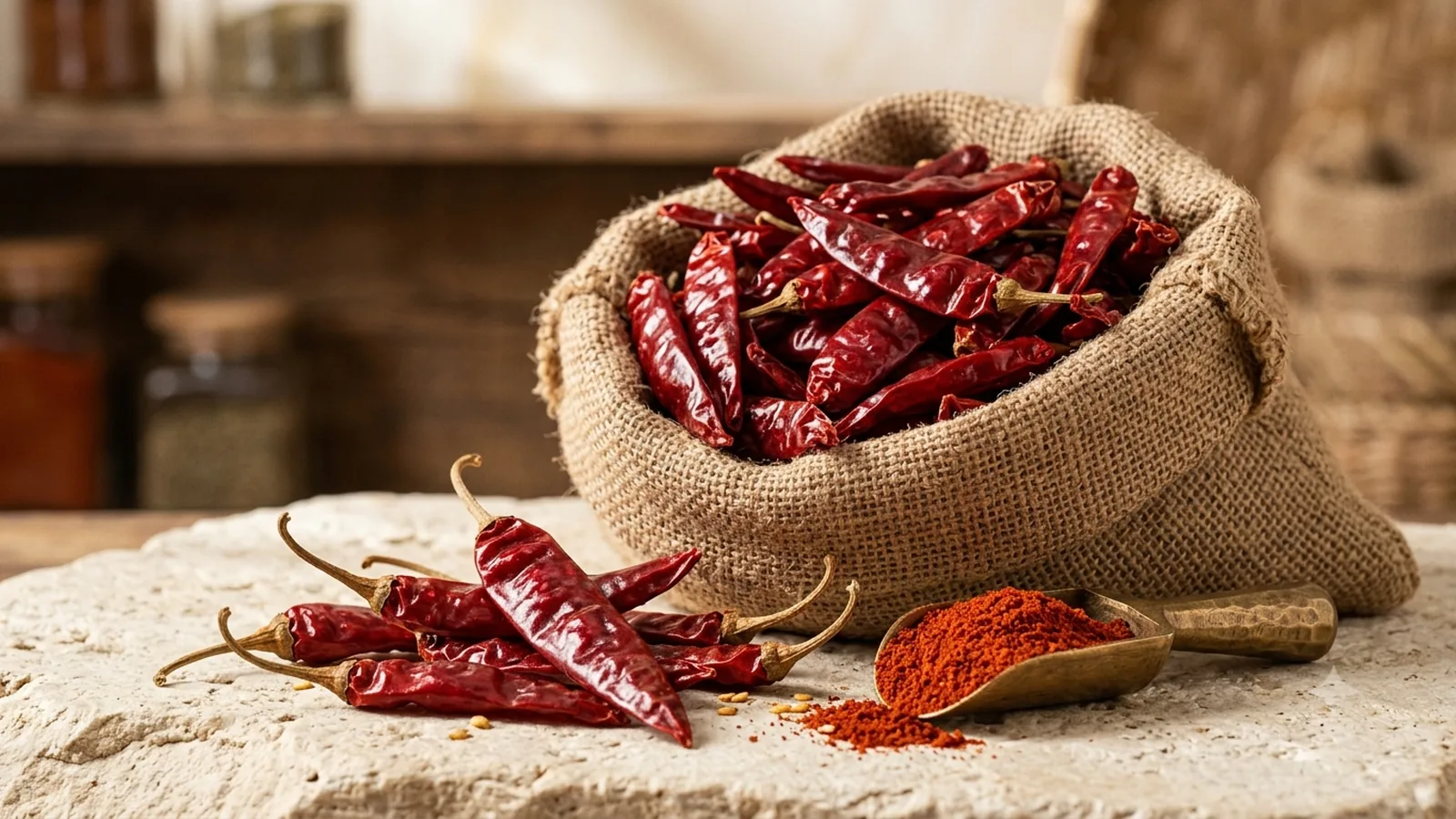
The commercial shape is distinctive too. Retail runs many SKUs at modest volume each (a turmeric, a cumin, a chilli, a garam masala, in two or three pack sizes) rather than one large single-line contract. That makes MOQ the first real conversation. As trade practice, private-label work typically starts around 100 kg per variant, blends from about 300 kg and custom blends from about 500 kg, with samples at 50-100 kg; sea LCL covers 1-5 MT and a 20ft FCL takes roughly 18-22 MT of dense seed spice. Whole dried chilli is the exception every retail buyer learns the hard way: it cubes out, filling the container by volume long before the weight limit, so a chilli-heavy plan built on tonnage will not load.
Consumer-facing quality is where retail diverges from every industrial buyer. Colour is judged through a window in a supermarket aisle, not by an ASTA number, and a lot that drifts a shade between deliveries generates complaints even when it is perfectly within spec. The adulteration hazards are brand-lethal here in a way they are not elsewhere: Sudan dye in chilli and lead chromate in turmeric are the two findings that put a private-label brand in a newspaper. YouPals sources, vets and coordinates packing with third-party units. We own no packing line and hold no retail scheme certification. What we bring is origin control, a pre-shipment screen and lot-to-lot colour discipline across repeat orders.
What this industry specifies
Put these on the contract and the lot is repeatable. Leave them off and you are buying on hope.
- Colour specified as a range with a rejection floor and a retained reference standard, since shoppers judge shade at the shelf and in-spec drift between deliveries still generates complaints
- Adulterant screen with zero tolerance on Sudan dyes in chilli and lead chromate in turmeric, tested per lot rather than per supplier relationship
- Aflatoxin B1 at 5 µg/kg and total aflatoxins at 10 µg/kg, with ochratoxin A at 15 µg/kg (20 for dried chillies) where the format warrants
- Microbial specification with Salmonella absent in 25 g, and the kill step named as steam rather than ethylene oxide, which the EU bans and caps at 0.1 mg/kg
- Net weight control and fill tolerance plus a moisture cap, since a hygroscopic ground spice can drift out of declared weight in transit
- Particle size and bulk density locked per SKU, because they set fill volume and a pack that looks under-filled reads as short weight to a shopper
- Shelf life with the stability basis stated, packaging specification, barcode, and an artwork approval process with a signed proof before print
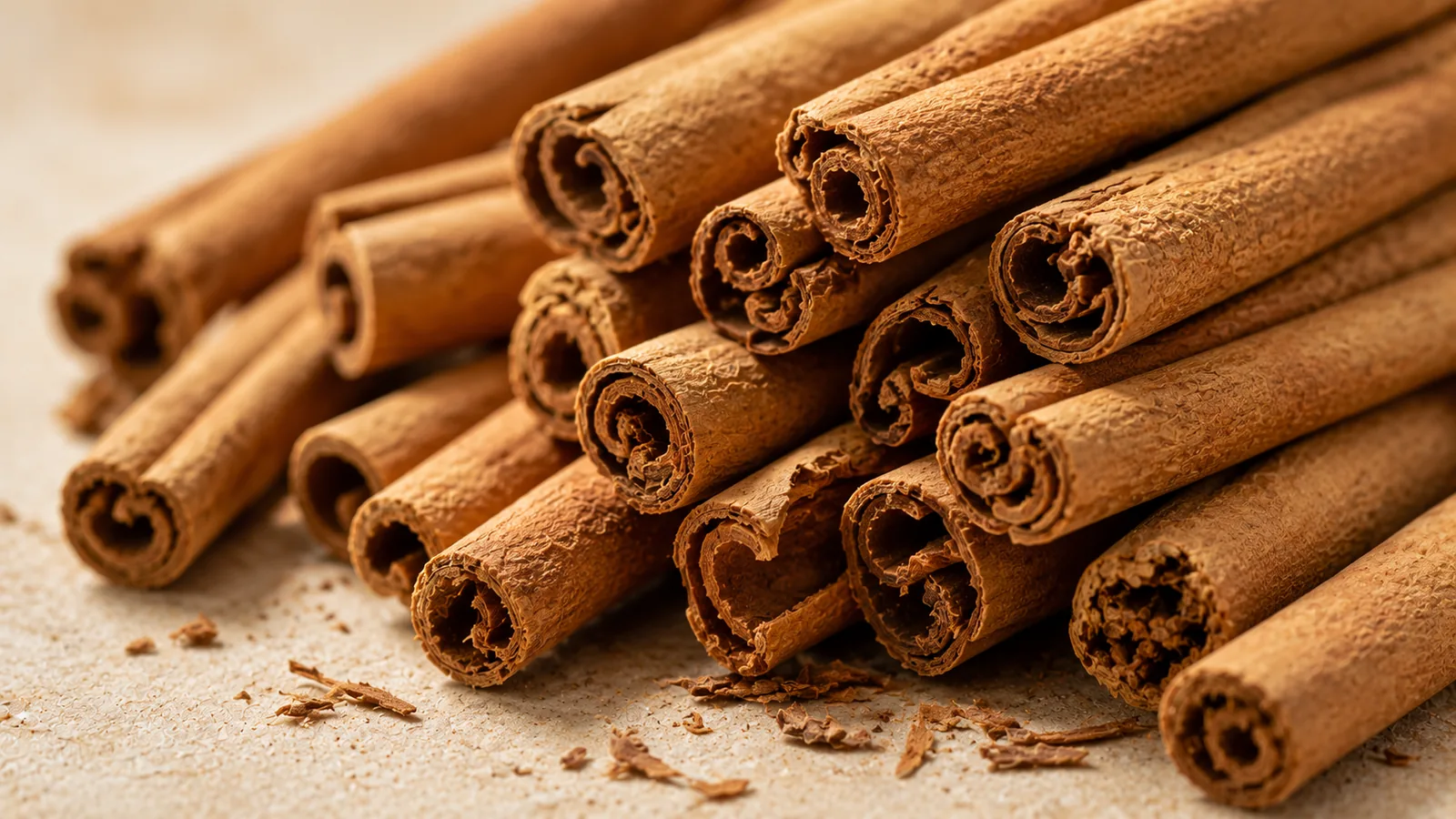
- Full label declaration verified against destination rules: ingredient naming, allergen statement, and species accuracy, since cassia is not cinnamon into the EU
- Lot coding and traceability that survives a recall drill, with retained samples per production run
Spices we ship this industry
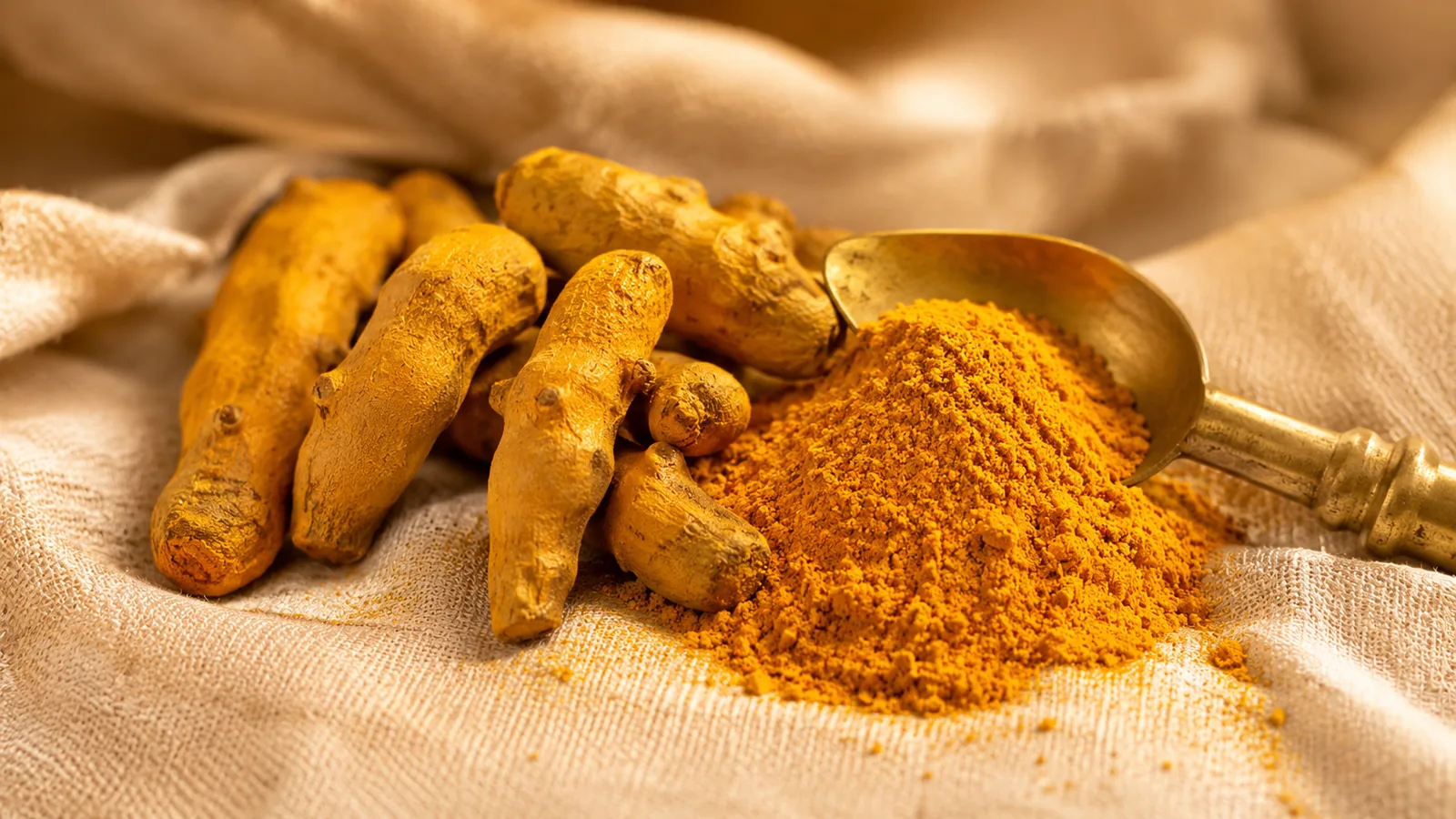
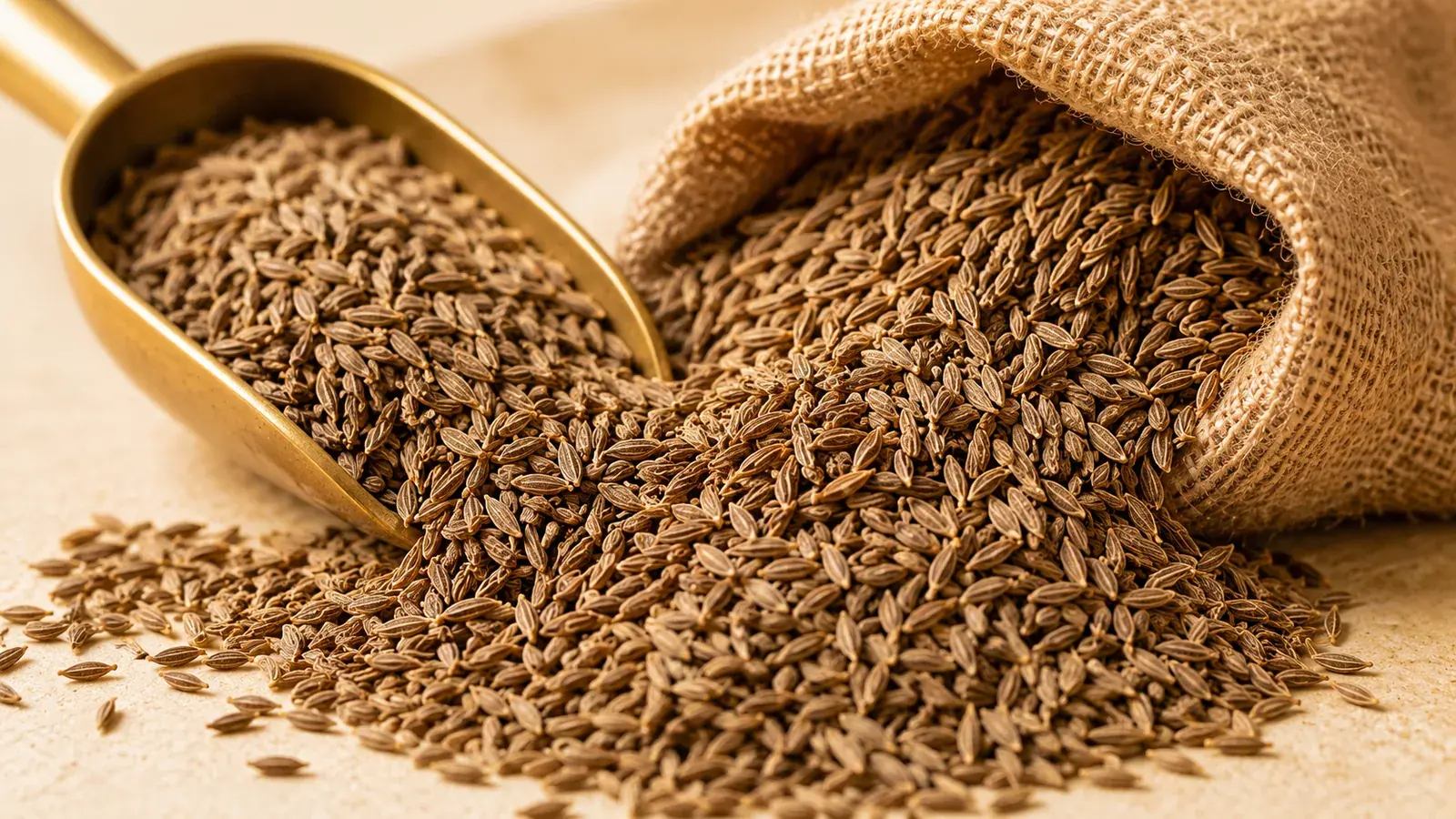
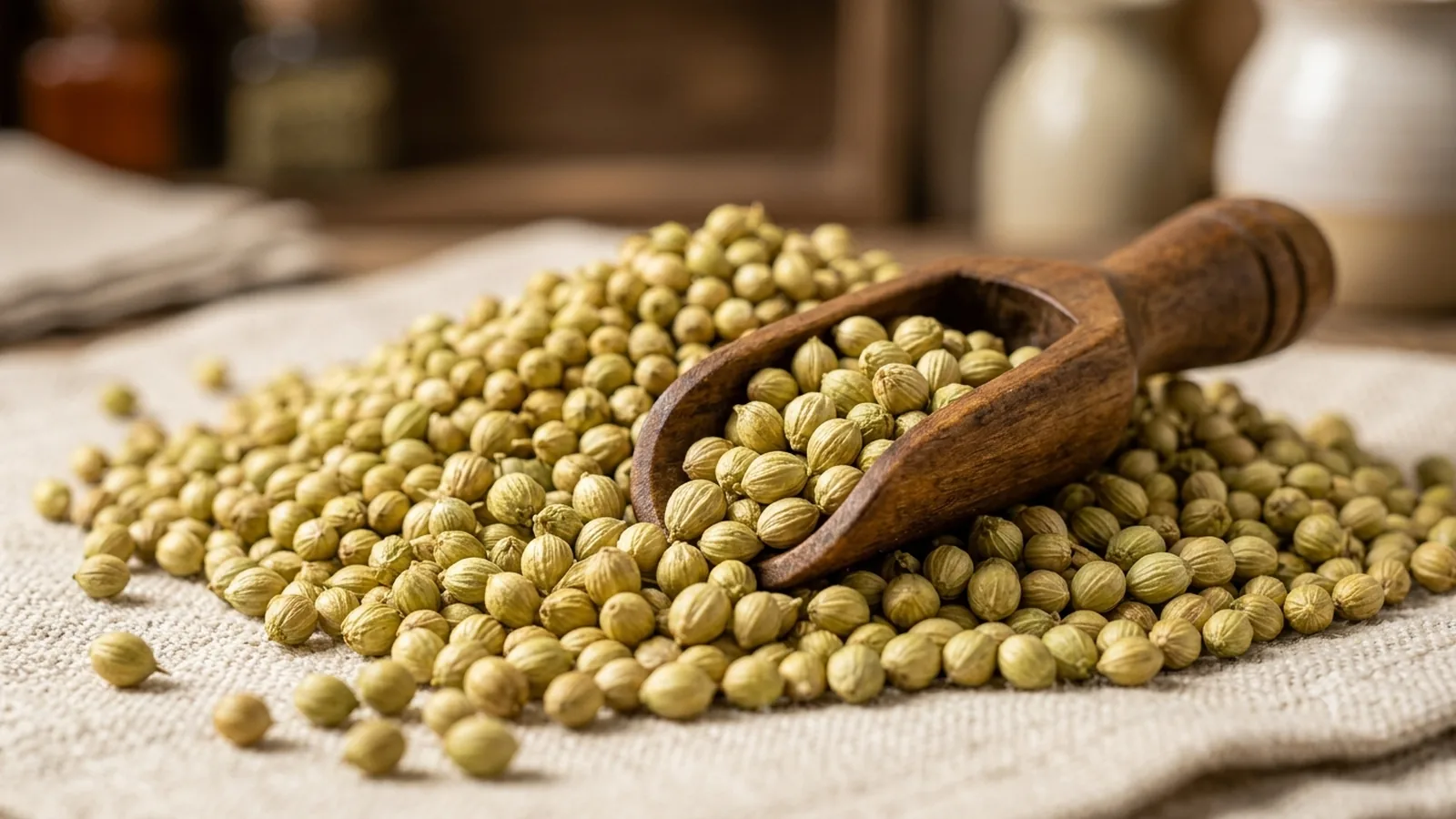
Compliance that bites this industry
Frequently asked
What is the minimum order for a private-label SKU?
Trade practice starts around 100 kg per variant, blends from about 300 kg and custom blends from about 500 kg, with samples at 50-100 kg. These are commercial norms, not statute, and the real driver is usually your artwork and packaging run length.
Why does my chilli container weigh less than my cumin container?
Whole dried chilli cubes out: it fills the container by volume before reaching the weight limit. A 20ft FCL takes roughly 18-22 MT of dense seed spice but far less chilli. Plan chilli freight on volume, not on tonnage.
Who carries it if a lot fails a retailer audit?
Your brand is on the pack, so commercially it lands on you. That is exactly why we screen at origin before shipment rather than after. YouPals owns no packing line; we coordinate vetted third-party units and their audit status travels with the lot.
Buying for retail and private-label brands? Send us your spec sheet — or tell us the application and we will spec it with you, then quote it.
Request a quoteWhat this page does not tell you
- Retailer scheme audits (BRCGS, IFS)
- Retailer scheme certification belongs to the packing unit, not to YouPals. We hold no such certification and will not present a third-party unit's certificate as ours.
- Shelf life
- Shelf life depends on your packaging, barrier properties and storage conditions. We have no verified stability data and will not supply a best-before basis you have not validated.
- Landed cost and duty
- Duty and landed cost depend on your destination, HS classification and Incoterm. We quote FOB, CFR or CIF as agreed and do not model your retail margin.
Sources
- CBI — Entering the European market for spices and herbs· Tier 2, retrieved 2026-07-16
- Reg. (EU) 2023/915 — maximum levels for certain contaminants· Tier 1, retrieved 2026-07-16
- Spices Board Act, 1986 — Schedule of spices· Tier 1, retrieved 2026-07-16