Industry
Spices for oleoresin & extraction
Extractors are the one buyer who does not want the spice — they want the yield curve behind it, and will reject a beautiful lot that assays low while paying up for an ugly one that assays high.
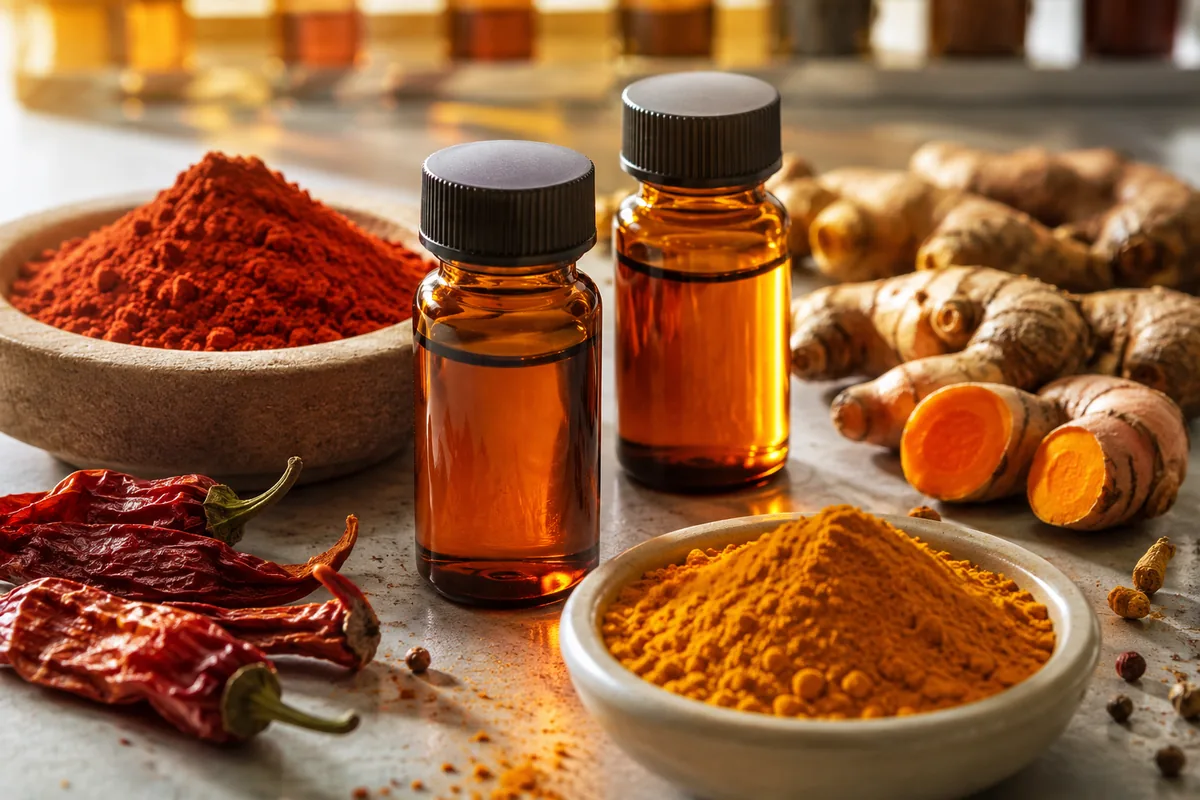
What spices does the extraction industry buy from India?
Extractors are the one buyer who does not want the spice — they want the yield curve behind it, and will reject a beautiful lot that assays low while paying up for an ugly one that assays high.
What the extraction industry buys
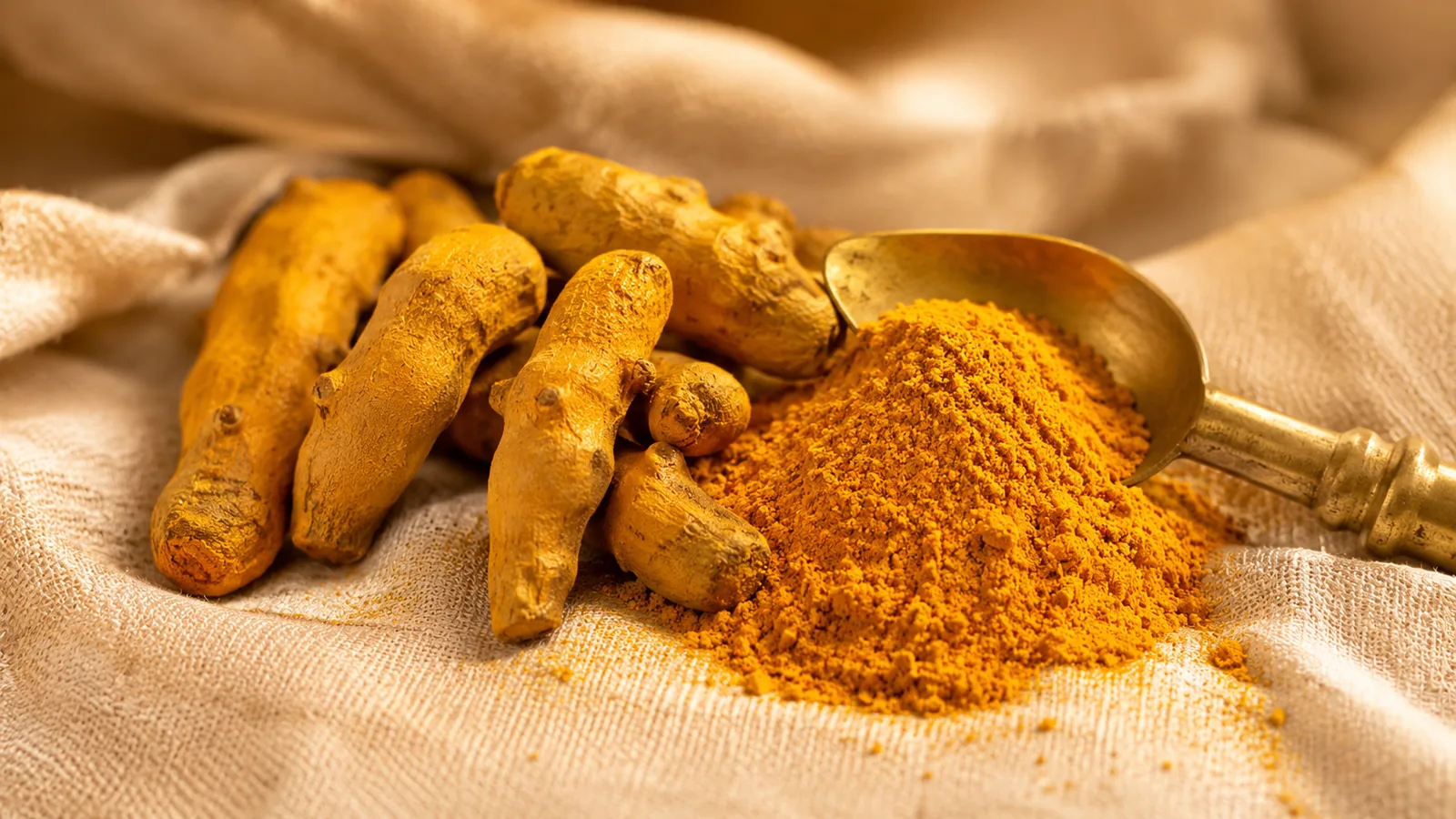
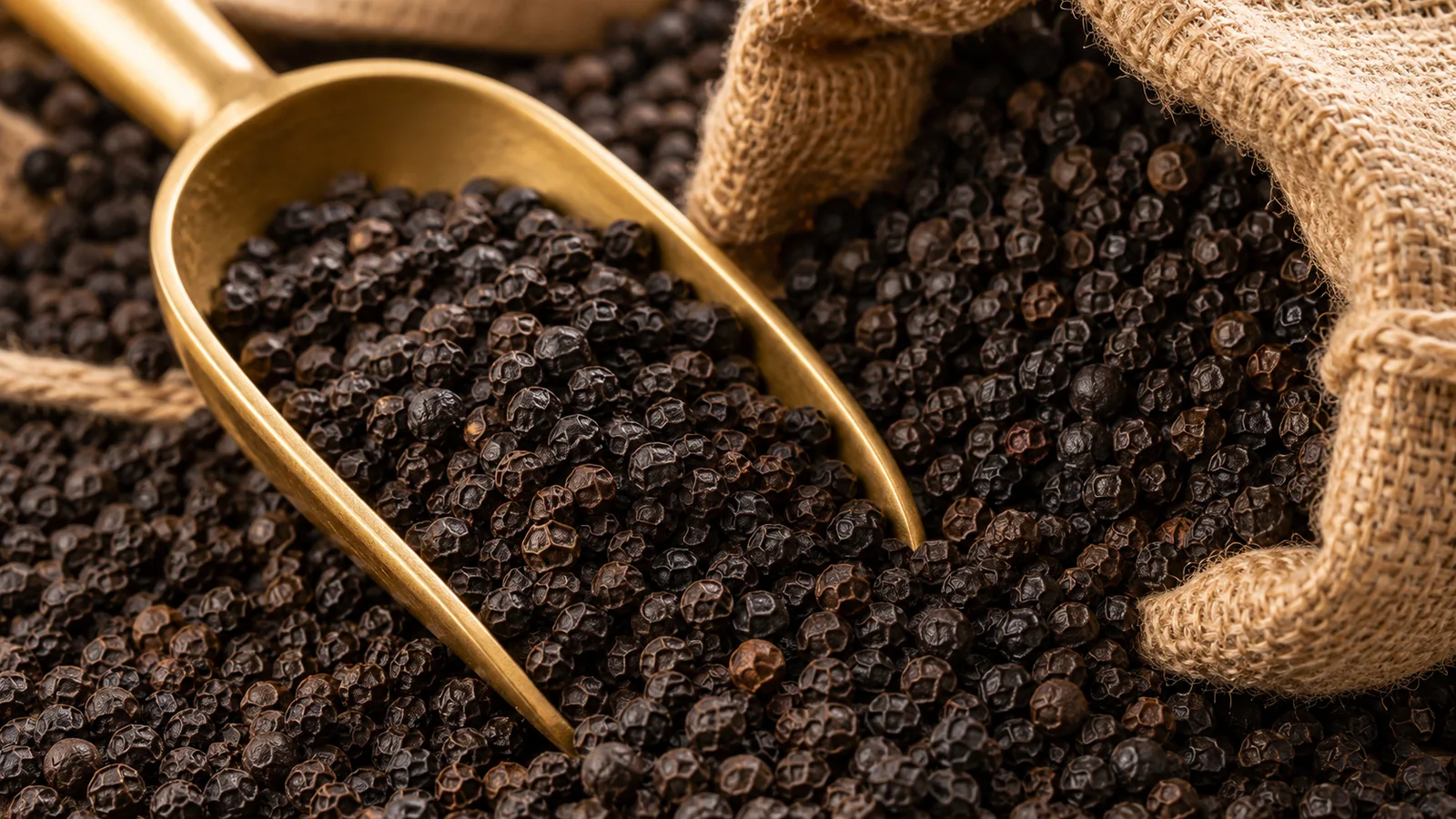
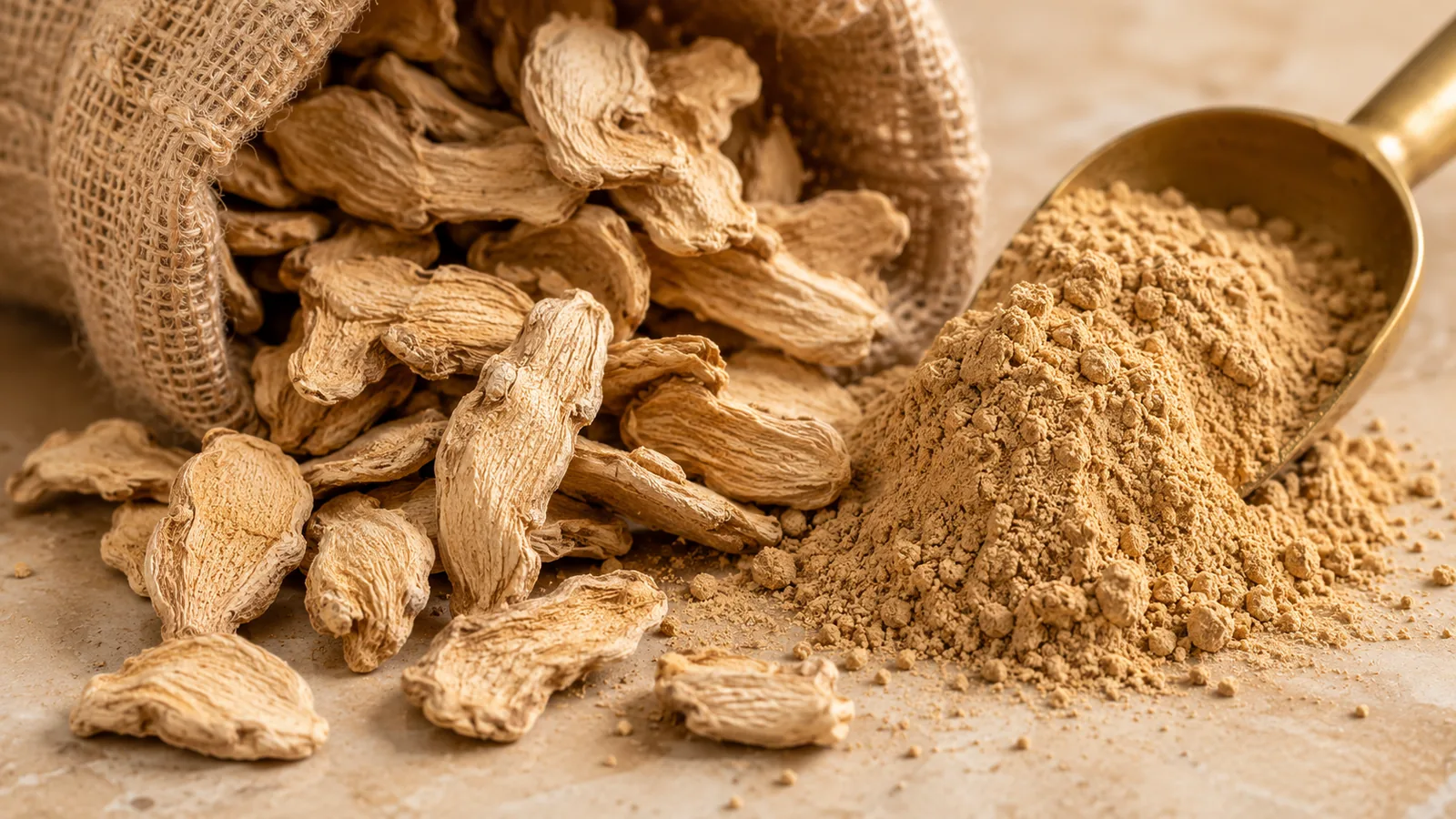
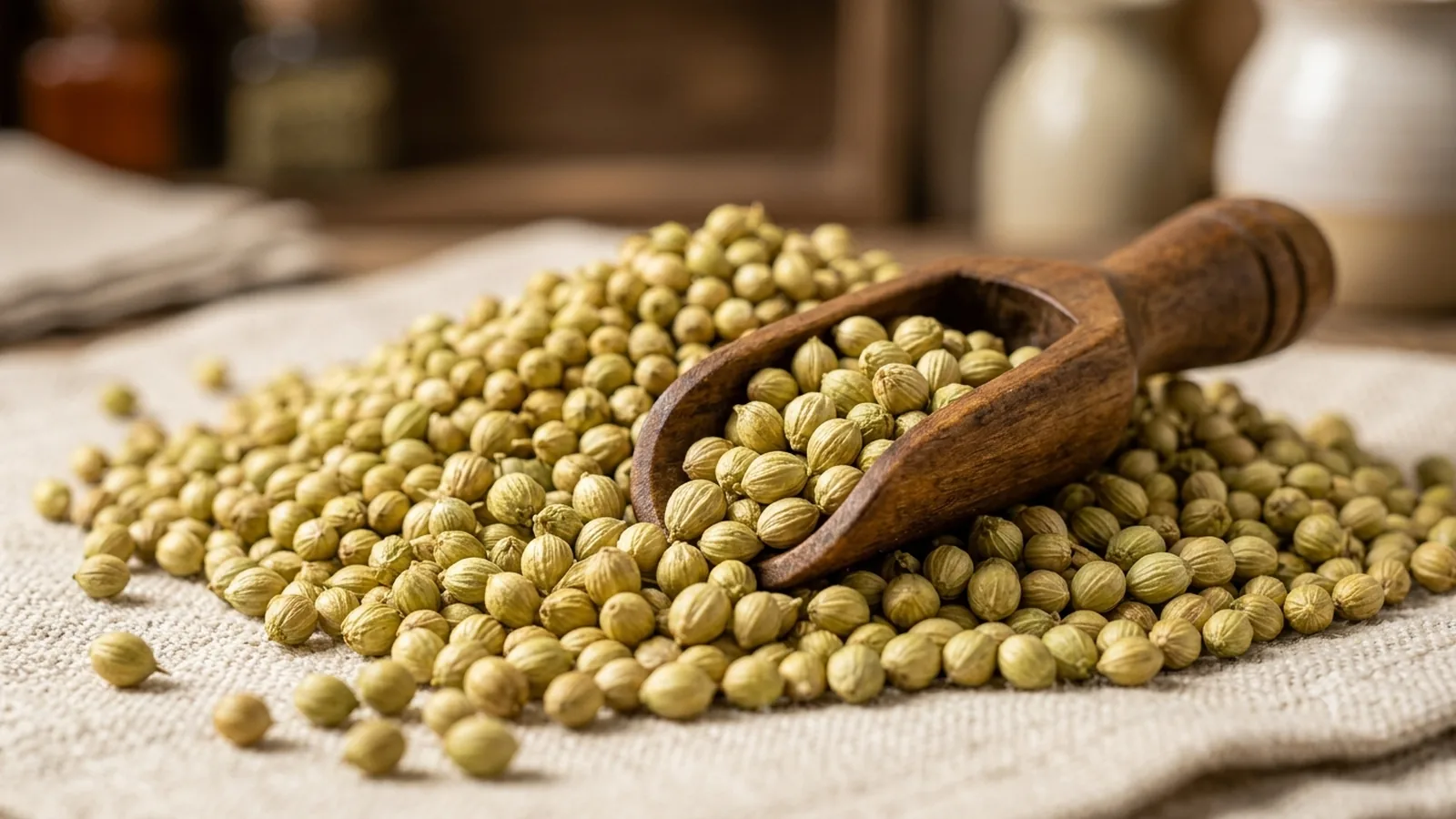
Spice oils and oleoresins account for 12% of India's spice export basket by value in FY2025-26, which makes extraction one of the largest single value pools in the trade and the reason India buys raw material differently from anyone else. An extraction unit is not buying a spice, it is buying a marker compound and the solvent economics of getting it out. Curcuminoids from turmeric, piperine from pepper, capsaicin and colour from chilli, gingerols from ginger, volatile oil from seed spice: the contract is written around the assay, and the physical spice is just the carrier.
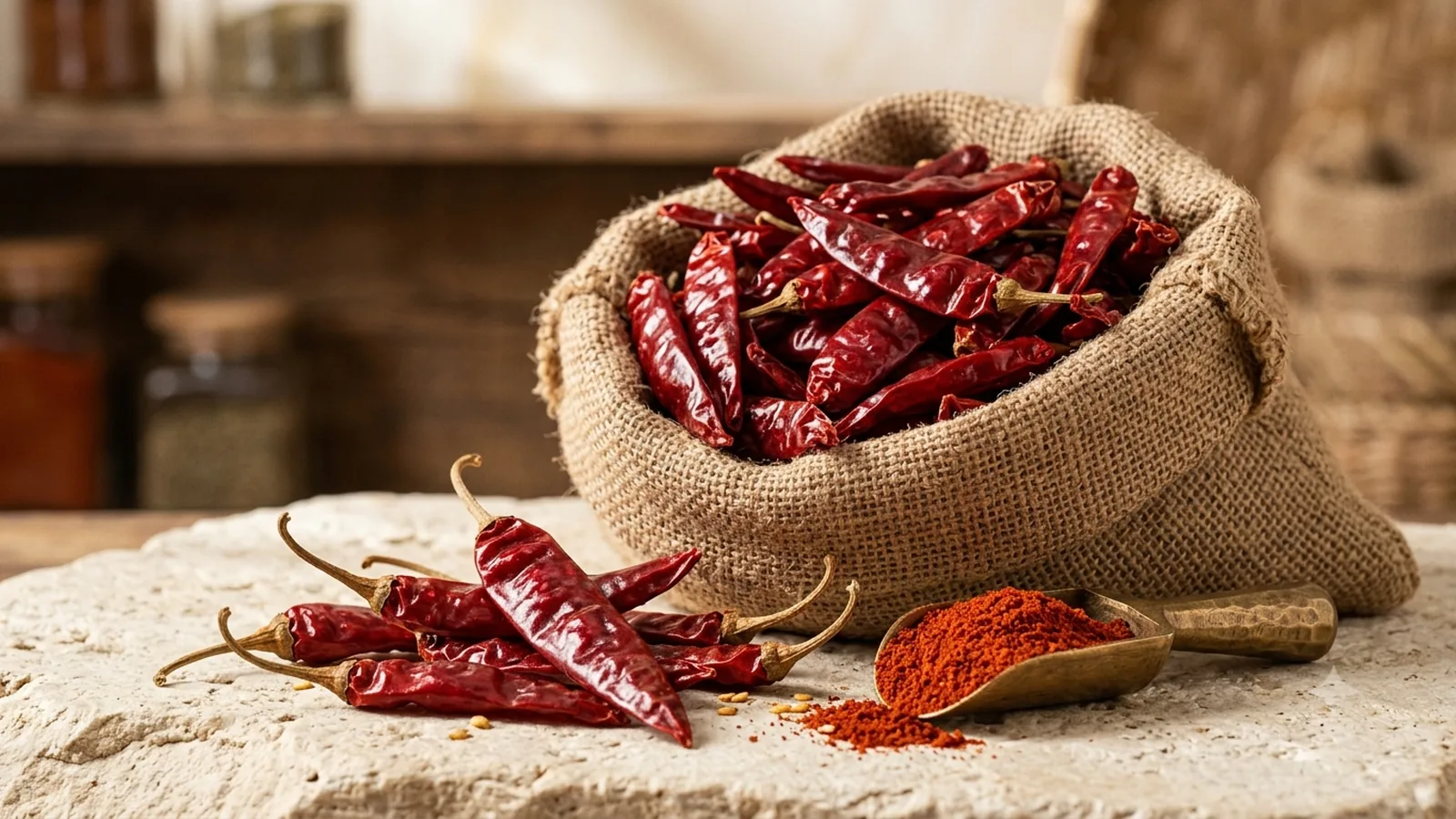
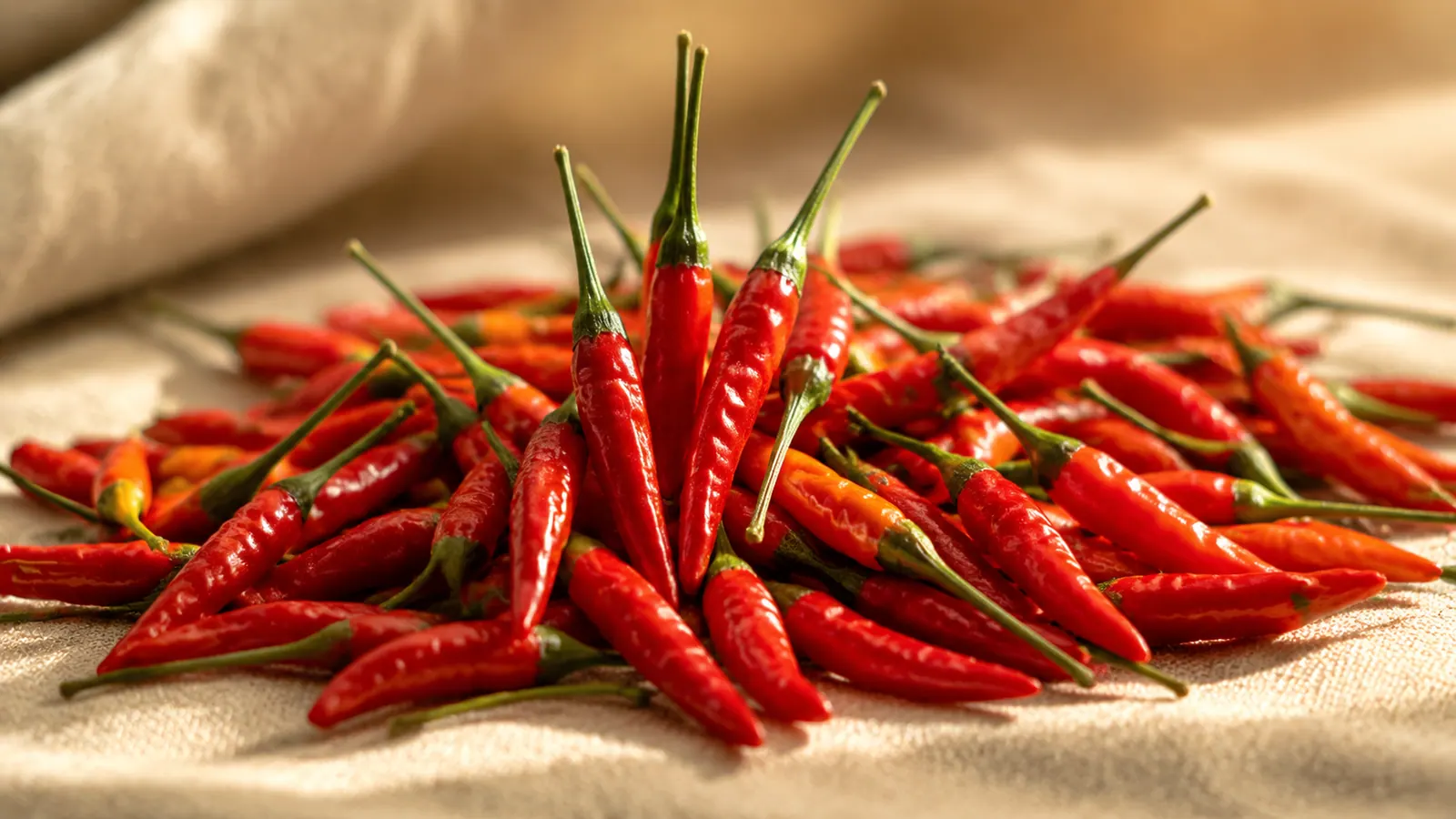
That inverts most of the usual quality logic. Cosmetic defects that would kill a retail lot are often irrelevant here, while an assay shortfall of half a percentage point rewrites the batch cost. Origin selection does the heavy lifting: turmeric curcumin runs 4-6% on Alleppey-type finger, 2.5-3% on Erode, and 1.5-2.25% on Nizamabad bulb, so a curcumin extractor and a retail turmeric packer are effectively shopping in different markets under the same commodity name. The same split shows up in chilli, where Byadgi carries ASTA colour 130-150 at only 8,000-15,000 SHU and is bought for colour value, while Guntur Sannam S4 at 35,000-45,000 SHU and ASTA 100-120 feeds the heat-and-pungency stream.
The risk that dominates extraction procurement is concentration. Extraction concentrates the lipophilic fraction of whatever was on the raw material, so a pesticide load that would clear on whole spice can surface in the oleoresin, and a downstream customer testing the extract is effectively auditing your farm-gate. YouPals runs this as a sourcing desk: we buy to your assay window at origin, pre-screen lots against the marker and the residue profile before they move, and coordinate cleaning, garbling and any crushing with vetted third-party units. We own no extraction plant and do not extract. The extraction is yours or your contract unit's; our job is making sure the feedstock arriving at it is the one your yield model assumed.
What this industry specifies
Put these on the contract and the lot is repeatable. Leave them off and you are buying on hope.
- Marker assay with the method named, not just a number: curcuminoids by HPLC and by spectrophotometry read differently, and "curcumin 3%" means nothing without the method and without stating whether it is total curcuminoids or curcumin I alone
- Volatile oil content by Clevenger distillation (ml/100g) with a floor, plus a moisture cap, since low-oil high-moisture lots wreck both yield and solvent recovery
- ASTA extractable colour for chilli and paprika feedstock, written as a range with a rejection floor rather than a target
- Full pesticide residue panel on the RAW material, with the concentration factor acknowledged in the contract, because residues follow the marker into the extract
- Aflatoxin B1 at 5 µg/kg and total aflatoxins at 10 µg/kg, plus ochratoxin A at 15 µg/kg (20 for dried chillies) on chilli and pepper feedstock
- Particle size or crush specification where the unit needs a defined bed: fines blind the bed, oversize leaves marker locked in the matrix
- Extraneous matter, stalk and seed fraction limits, since seed content in chilli shifts both the oil profile and the colour assay
- Lot homogeneity and retained samples per lot, so an assay dispute is arbitrable against a sealed reference rather than against memory
Spices we ship this industry
Compliance that bites this industry
Frequently asked
Can you commit to a curcumin percentage on turmeric feedstock?
We commit to an origin and an assay window, tested lot by lot before shipment. Alleppey-type finger runs 4-6% curcumin, Erode 2.5-3%, Nizamabad bulb 1.5-2.25%. We will not promise a number the crop year cannot deliver.
Do you extract, or only supply raw material?
We supply raw material. YouPals owns no extraction plant. Where you need crushing, cleaning or sterilisation before extraction, we coordinate it with vetted third-party units and pass their documentation through unedited.
Why push Byadgi for colour work and Guntur for heat?
Byadgi carries ASTA colour 130-150 at 8,000-15,000 SHU. Guntur Sannam S4 runs 35,000-45,000 SHU at ASTA 100-120. Buying Guntur for a colour oleoresin means paying for heat you then have to strip out.
Buying for the extraction industry? Send us your spec sheet — or tell us the application and we will spec it with you, then quote it.
Request a quoteWhat this page does not tell you
- Oleoresin yield per tonne of feedstock
- Yield is a function of your solvent, temperature, bed geometry and cycle time, not of the raw material alone. We hold no verified yield tables and will not model your plant economics.
- Concentration factor for pesticide residues into oleoresin
- The factor is real and directionally large but varies by compound polarity and process. We have no verified multiplier to publish, so we specify residues on the raw material and leave the factor to your validation.
- Teja S17 heat
- Teja S17 ASTA colour 110-130 is verified. The SHU figures widely quoted in trade circulars are not, so we state no Teja SHU number.
Sources
- Spices Board of India — Export statistics· Tier 1, retrieved 2026-07-16
- Reg. (EU) 2023/915 — maximum levels for certain contaminants· Tier 1, retrieved 2026-07-16