Industry
Spices for horeca & food service
A kitchen is the only spice buyer that cannot reformulate around a bad delivery: the dish is on the menu tonight at the printed price, and the chef has to hit it with whatever arrived.
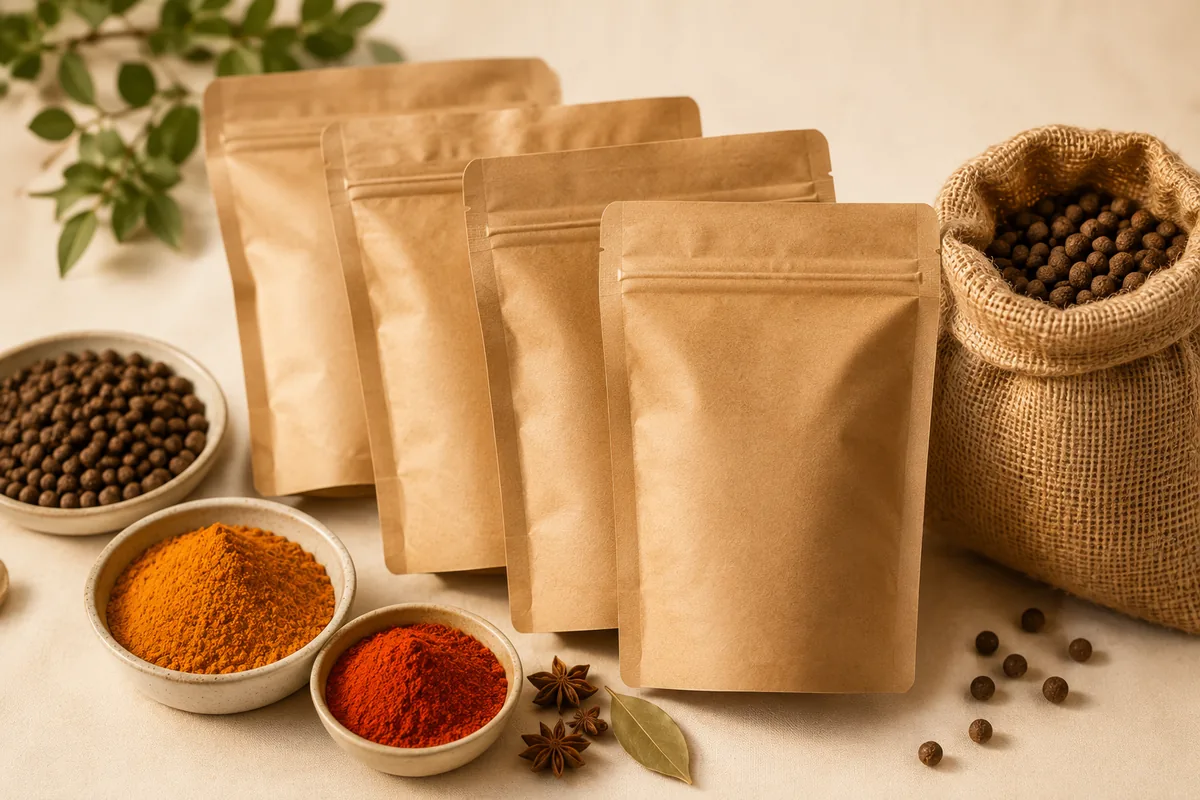
What spices does hotels, restaurants and caterers buy from India?
A kitchen is the only spice buyer that cannot reformulate around a bad delivery: the dish is on the menu tonight at the printed price, and the chef has to hit it with whatever arrived.
What hotels, restaurants and caterers buys
Food service buys for repeatability under production conditions no factory would accept. The recipe is a scoop and a chef's memory, not a weighed formulation, so the compensating control has to sit in the raw material. If the chilli lot arrives hotter than the last one, the dish changes, the regulars notice, and nobody in the kitchen has time to titrate. Heat and colour consistency delivery to delivery is not a nice-to-have here. It is the product.
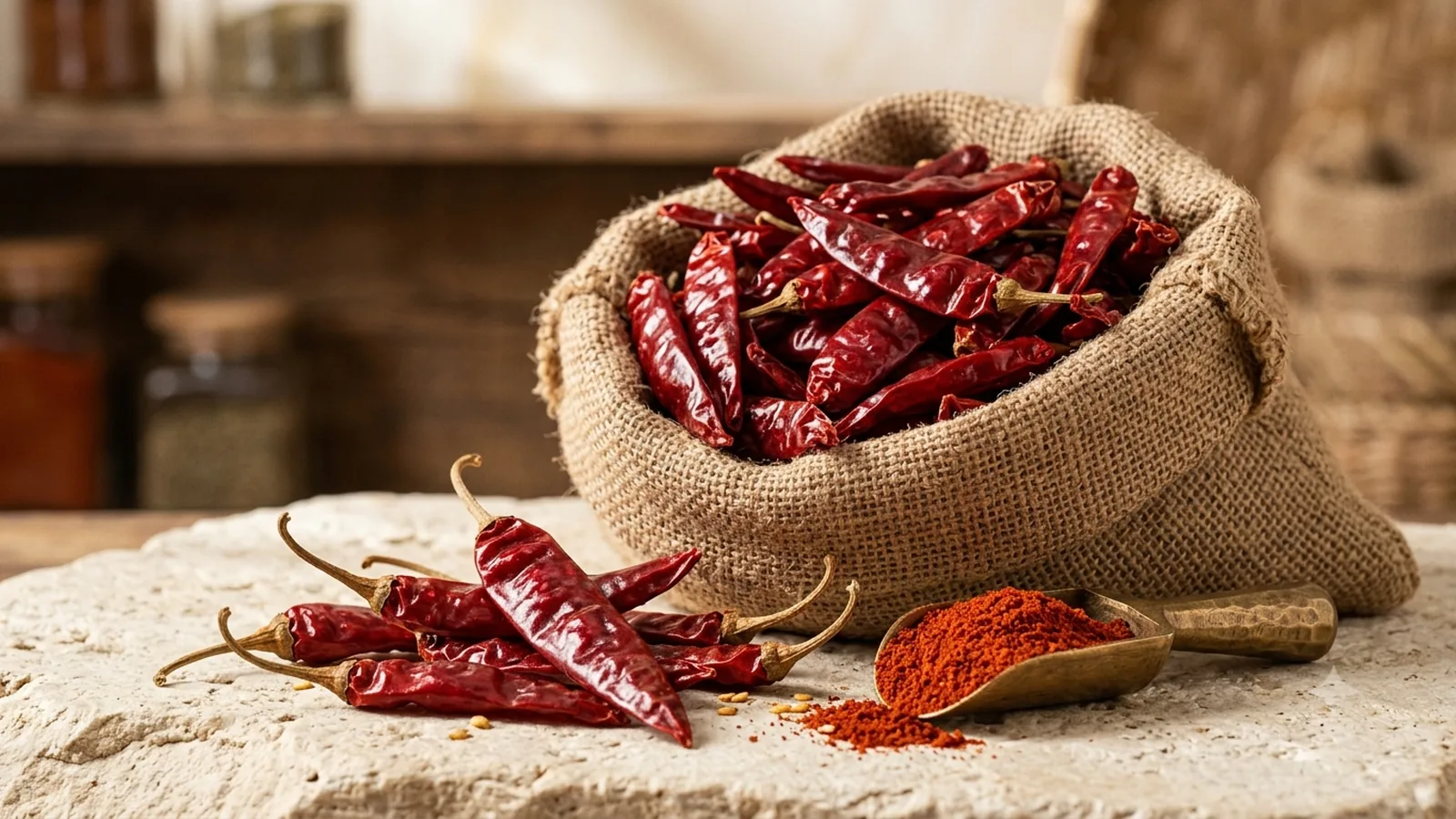
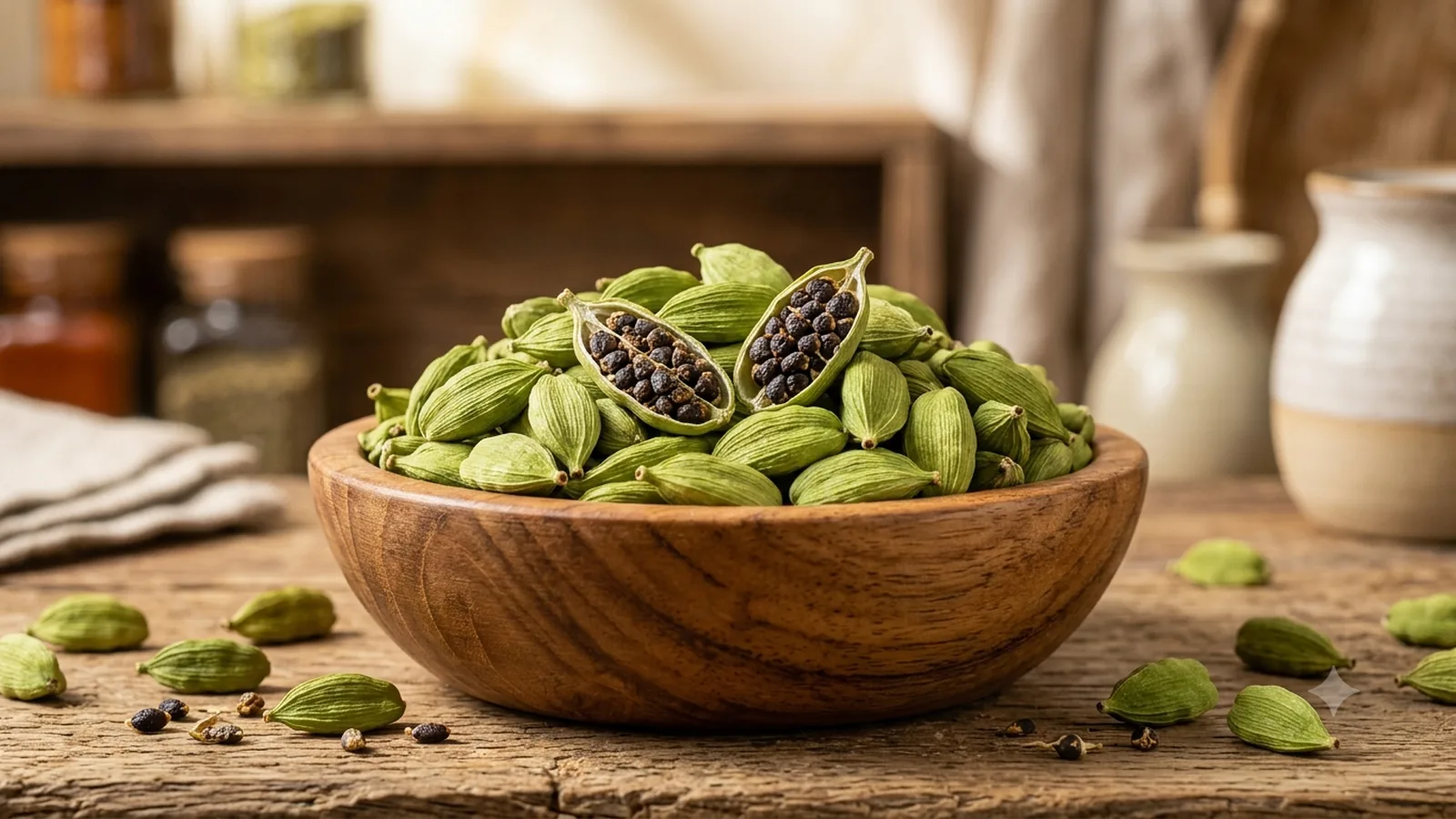
This is the industry where the Guntur-versus-Byadgi split earns its keep in plain language. Guntur Sannam S4 runs 35,000-45,000 SHU at ASTA colour 100-120 and delivers the heat a North Indian menu is built on. Byadgi sits at 8,000-15,000 SHU with ASTA 130-150 and gives the deep red of a Mangalorean or Udupi gravy without the burn. Most kitchens running both effects are blending the two, and a supplier who ships "red chilli powder" without pinning the varietal has handed the chef a lottery ticket. The same discipline applies to cardamom, where grade drives aroma and the 6mm, 7mm, 8mm and AGEB bold sizes are genuinely different products at genuinely different prices. Cardamom is auction-priced, so there is no fixed price to hold, and a chef planning a menu costing needs to know that up front.
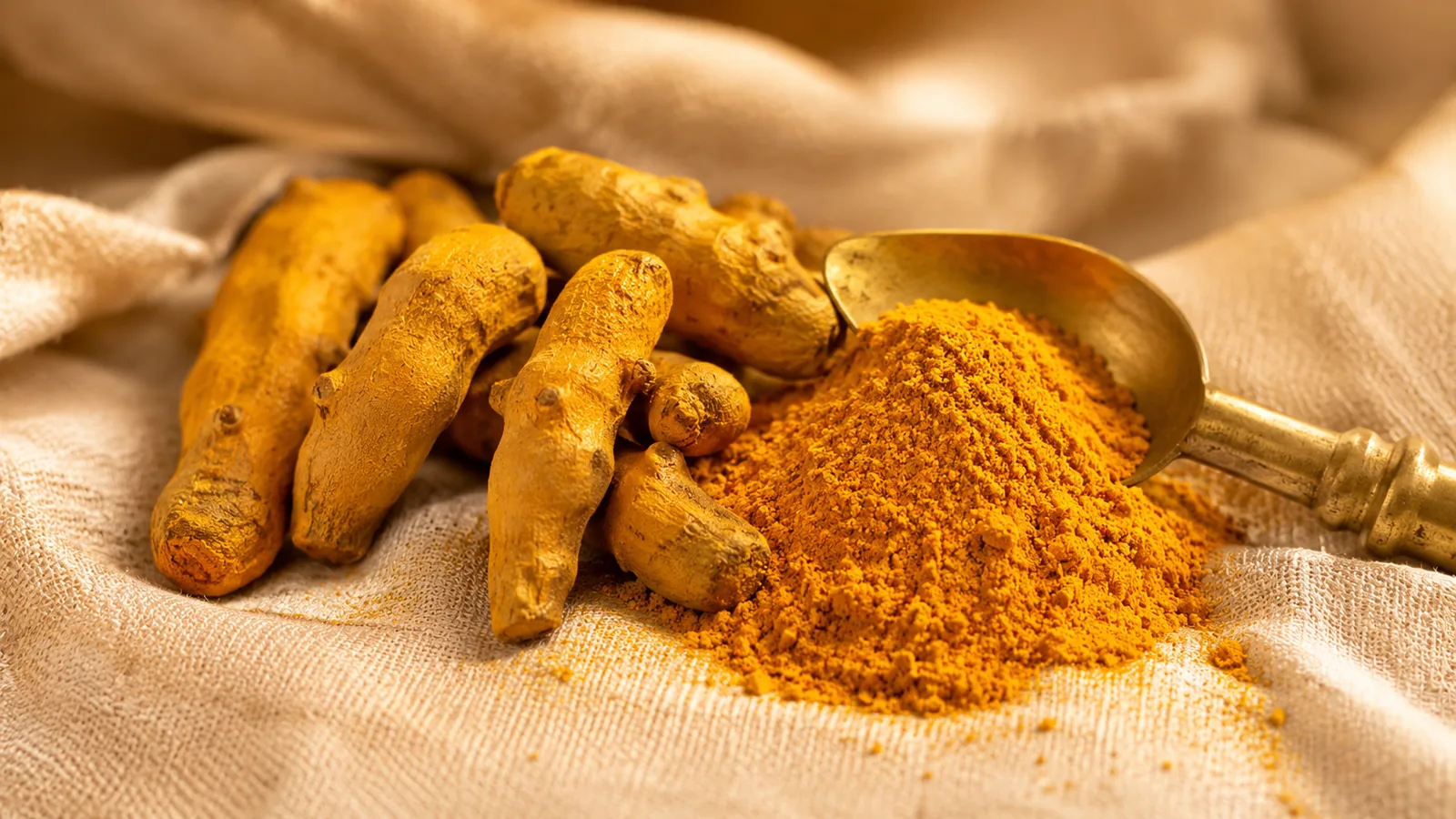
The other constraint is cost-in-use rather than headline price. A cheaper turmeric with weaker colour means more grams per pan, so it is not cheaper. A saffron with poor colouring strength gets over-dosed into oblivion by a cook chasing the visual. YouPals sources to a fixed varietal and grade specification, holds a retained reference so repeat deliveries can be checked against the lot the chef signed off, and coordinates packing formats with vetted third-party units. We run no kitchen, own no processing line, and do not develop your menu.
What this industry specifies
Put these on the contract and the lot is repeatable. Leave them off and you are buying on hope.
- Varietal named on the contract, not just "red chilli", since Guntur Sannam S4 and Byadgi are different dishes and a substitution is a menu change nobody approved
- Heat (SHU) and ASTA colour specified as ranges with a retained reference sample, so delivery three is checked against delivery one rather than against memory
- Cardamom grade pinned by size (6mm, 7mm, 8mm or AGEB bold), with the understanding that cardamom is auction-priced and the price moves
- Colouring strength for saffron and turmeric, because cost-in-use is decided by grams per pan and not by the price per kilo on the invoice
- Particle size and mesh locked per line, since grind fineness changes how fast flavour releases into a gravy and how a masala behaves in a tempering
- Microbial specification with Salmonella absent in 25 g, especially for anything dusted onto a finished dish after the cook step
- Aflatoxin and pesticide compliance to your jurisdiction, which caterers under contract to schools, hospitals and airlines are audited on directly
- Pack format sized to the kitchen: an opened 25 kg sack in a humid kitchen is a caking and cross-contamination problem, not a saving
- Lot-to-lot consistency written as an obligation with a rejection right, since consistency is the actual thing being purchased
Spices we ship this industry
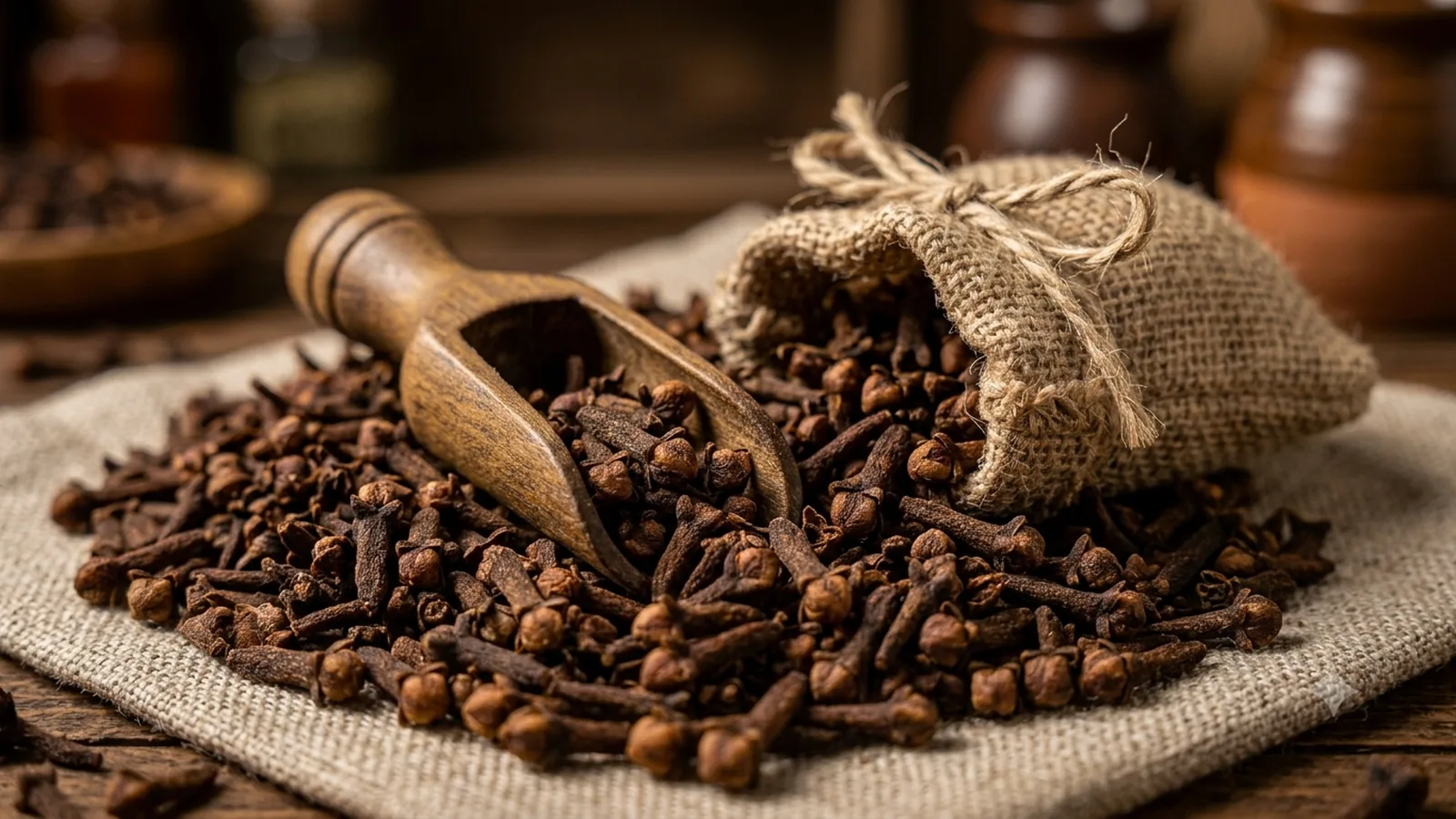
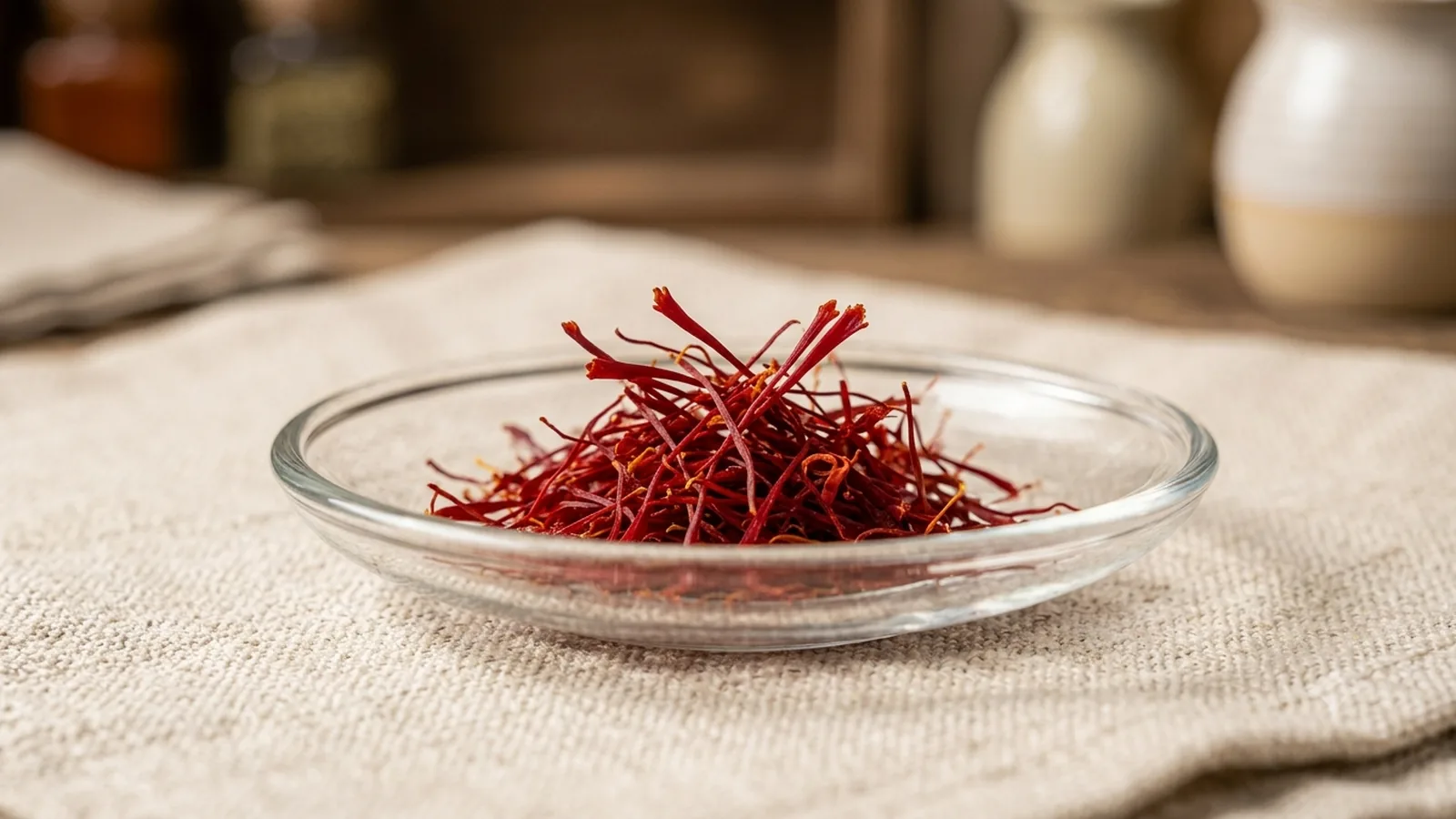
Compliance that bites this industry
Frequently asked
Which chilli gives colour without heat?
Byadgi. It runs 8,000-15,000 SHU with ASTA colour 130-150, so you get the deep red of a coastal Karnataka gravy without the burn. Guntur Sannam S4, at 35,000-45,000 SHU and ASTA 100-120, is the heat chilli.
Can you hold a fixed cardamom price for a season?
No, and treat anyone who says yes with suspicion. Green cardamom is auction-priced at origin, so the price moves. We can hold a grade (6mm, 7mm, 8mm or AGEB) and be transparent about where the auction sits.
How do we stop the heat drifting between deliveries?
Pin the varietal on the contract, set an SHU and ASTA range rather than a target, and keep a retained reference sample from the lot your chef approved. Every delivery is then checked against a physical standard instead of a recollection.
Buying for hotels, restaurants and caterers? Send us your spec sheet — or tell us the application and we will spec it with you, then quote it.
Request a quoteWhat this page does not tell you
- Menu costing and yield per dish
- Grams per portion and yield are your kitchen's numbers, driven by your recipes and your cooks. We supply to a spec and do not model your food cost.
- Teja S17 heat
- Teja S17 ASTA colour 110-130 is verified. The high SHU figures quoted in trade circulars are not, so we will not put a Teja SHU number on a kitchen contract.
- Saffron colouring strength grades
- Kashmir saffron is among the world's highest in crocin, but we hold no verified crocin figures by grade and will not quote a colouring strength number.
Sources
- Spices Board of India — Export statistics· Tier 1, retrieved 2026-07-16
- Reg. (EU) 2023/915 — maximum levels for certain contaminants· Tier 1, retrieved 2026-07-16