Industry
Spices for distributors & repackers
A distributor is the only buyer who takes title to a container before knowing who will eat it, which makes lot homogeneity and clean paperwork worth more than a keen price.
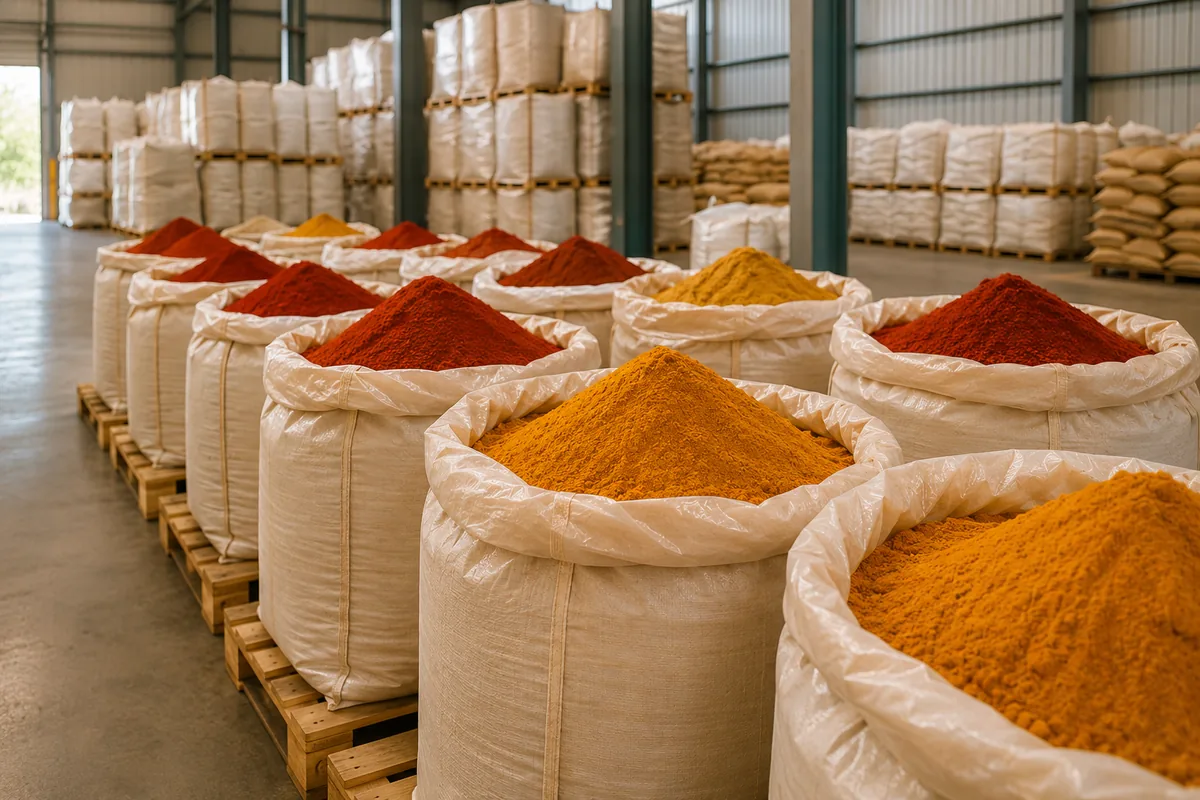
What spices does distributors and repackers buy from India?
A distributor is the only buyer who takes title to a container before knowing who will eat it, which makes lot homogeneity and clean paperwork worth more than a keen price.
What distributors and repackers buys
Distributors and repackers buy inventory, not ingredients. They take a container, break it into customer lots, and sell it onward over weeks or months to buyers with different specifications. The enemy is not a bad lot so much as an inconsistent one: a container that assays differently from top to bottom is unsellable as a single grade, and a repacker who has already quoted three customers off one certificate has nowhere to put the variance.
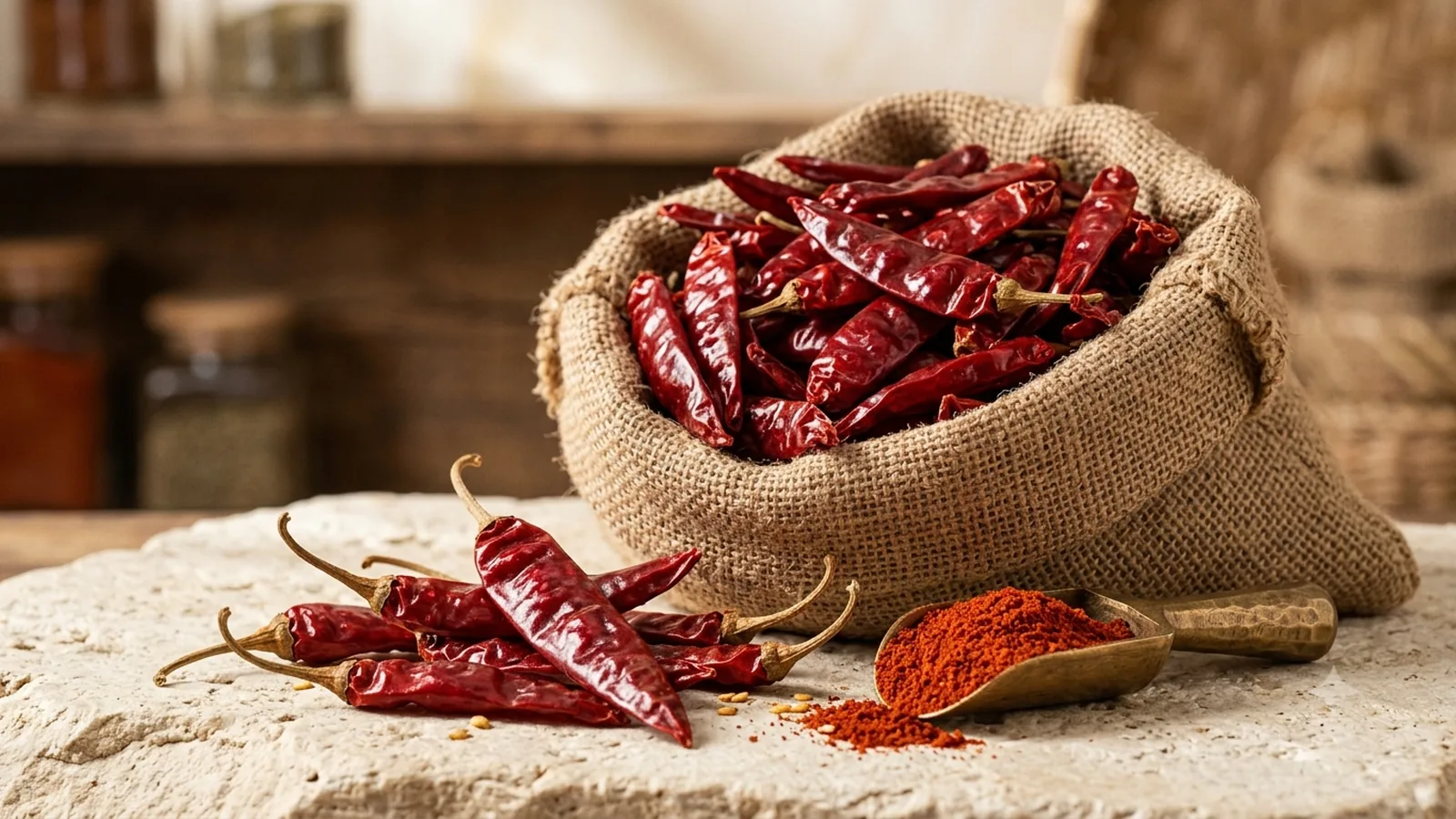
The economics are freight-led. A 20ft FCL takes roughly 18-22 MT of dense seed spice, sea LCL covers 1-5 MT for smaller positions, and air freight starts from around 100 kg for cardamom and saffron where value density justifies it. Whole dried chilli cubes out, filling the container by volume before it reaches the weight limit, which is why chilli ships light and why anyone modelling chilli freight on tonnage gets the landed cost wrong. Incoterm choice is a real risk decision, not a formality: FOB puts freight and risk on you once the goods are on board, CFR puts freight on the seller, CIF adds insurance.
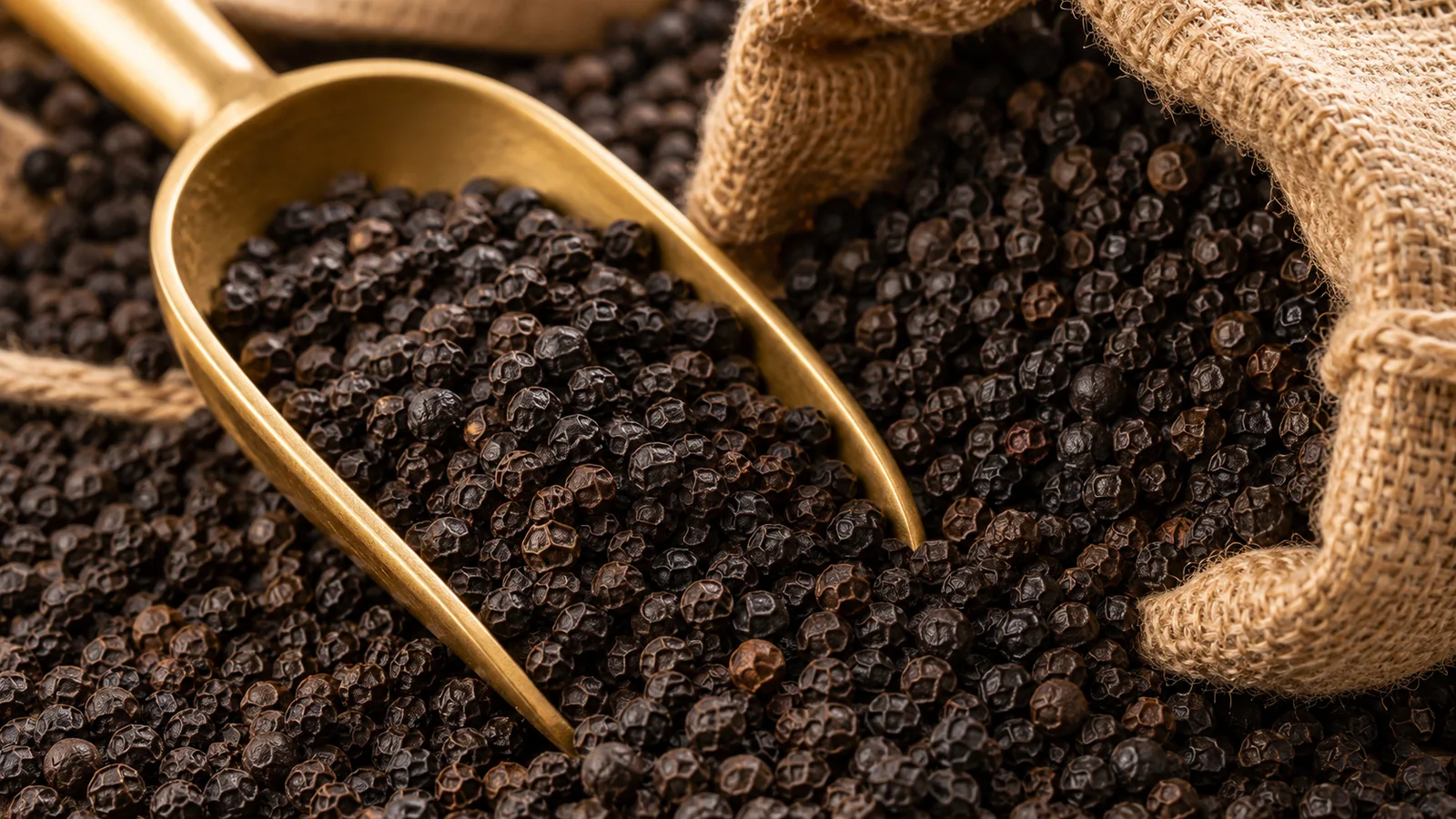
For re-export desks the documentation is the asset. The India-UAE CEPA has been in force since 1 May 2022 and gives 0% duty with a DGFT Preferential Certificate of Origin against 5% without one, with 5% VAT applying regardless, so a single missing certificate is a five-point margin event on a Dubai re-export position. India-side, exporting any of the 52 scheduled spices requires CRES registration: ₹5,000, valid three years, contingent on IEC, PAN, GST, an FSSAI licence and a bank certificate. Border-control status drives your inventory risk too, since under Reg. (EU) 2019/1793 Indian cumin sits at a 30% pesticide check rate, raised in January 2025, and Indian black pepper at 50% for Salmonella. YouPals is the desk on the India side of that: origin, contracting, pre-shipment screening and document assembly, coordinated with vetted third-party units. We own no warehouse abroad and no processing line.
What this industry specifies
Put these on the contract and the lot is repeatable. Leave them off and you are buying on hope.
- Lot homogeneity across the container with sampling at multiple points, since you will sell one lot to several buyers against one certificate
- Moisture cap with a transit margin, because a lot at the ceiling on loading day arrives caked and a repacker discovers it at the point of sale
- Bulk density and particle size held tight, since your fill weights and pack presentation are set by density, not by the grade name
- A test dossier written to the strictest destination in your customer book rather than the average, because you cannot re-test your way out of a lot mid-inventory
- Aflatoxin, pesticide residue and Salmonella results tied to the physical lot with retained samples, so a downstream buyer's dispute is arbitrable
- Incoterm stated explicitly (FOB, CFR or CIF) with the transfer point and insurance obligation named rather than assumed
- Certificate of origin type specified: DGFT preferential for CEPA, non-preferential otherwise, since the wrong one is a duty event and not a paperwork event
- Packaging and liner specification matched to the transit route and the storage life you are underwriting, plus stackability for your warehouse
- Full document set contracted: CRES and IEC, invoice, packing list, phytosanitary certificate, certificate of origin and the destination test dossier
Spices we ship this industry
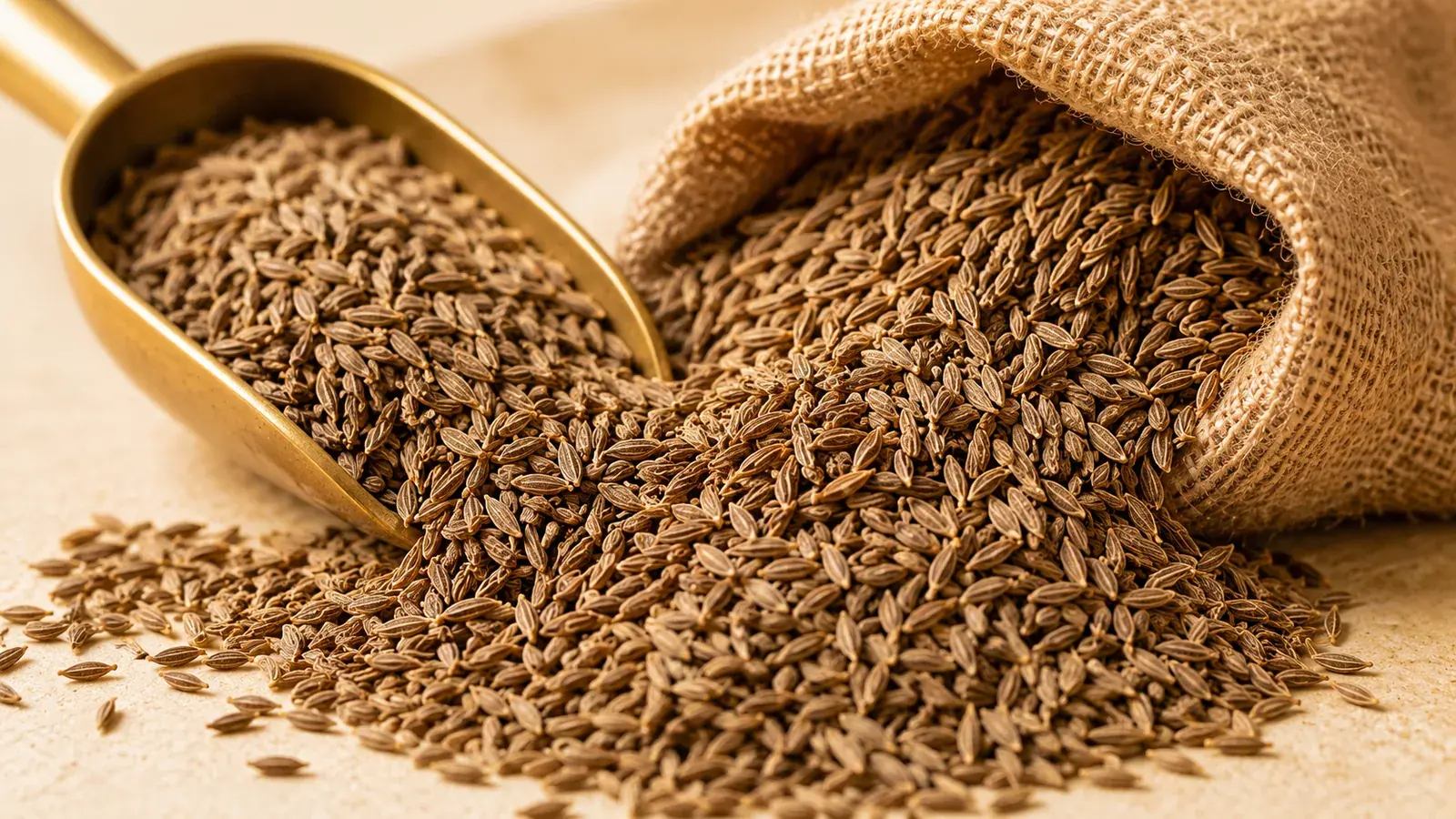
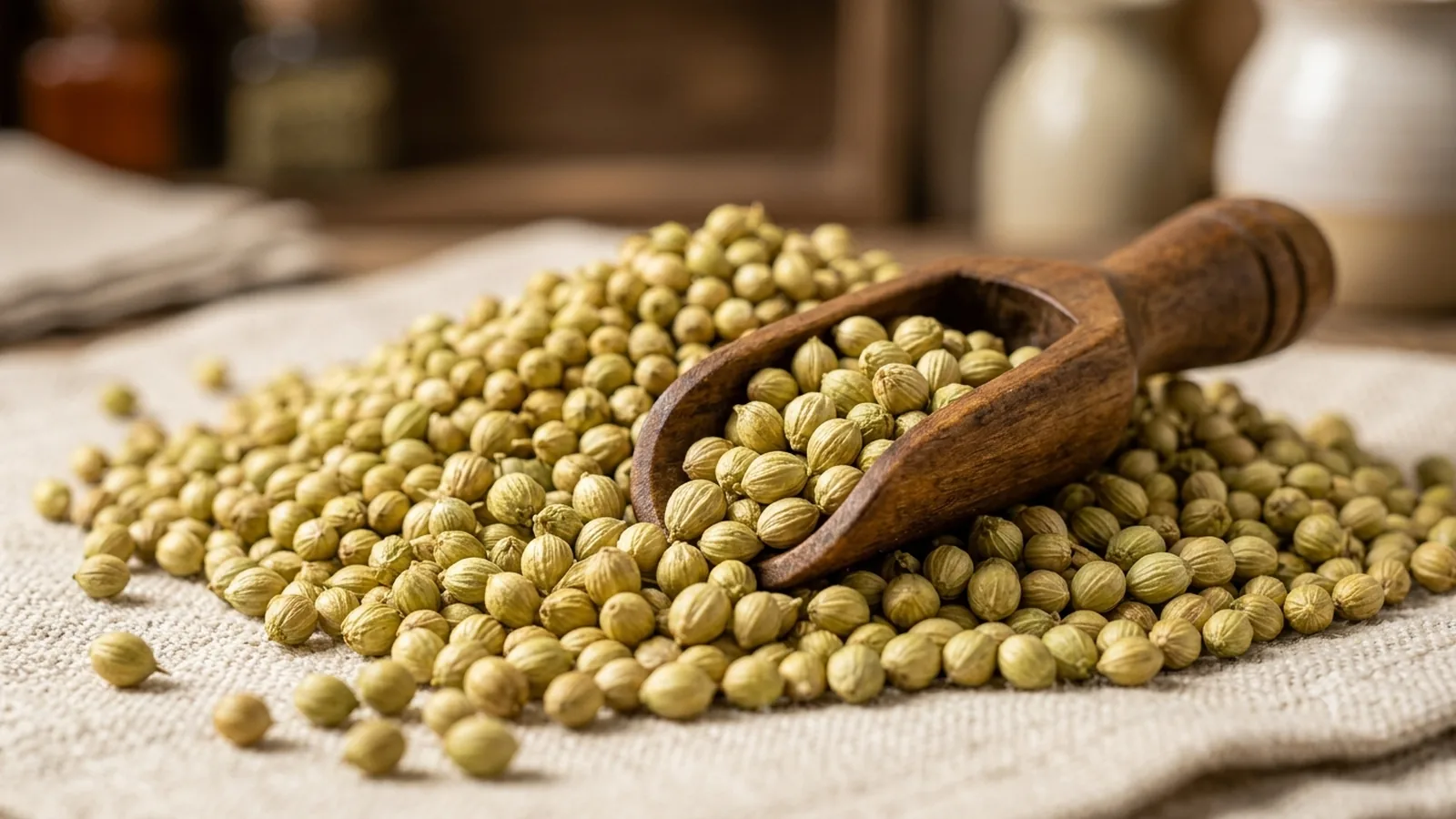
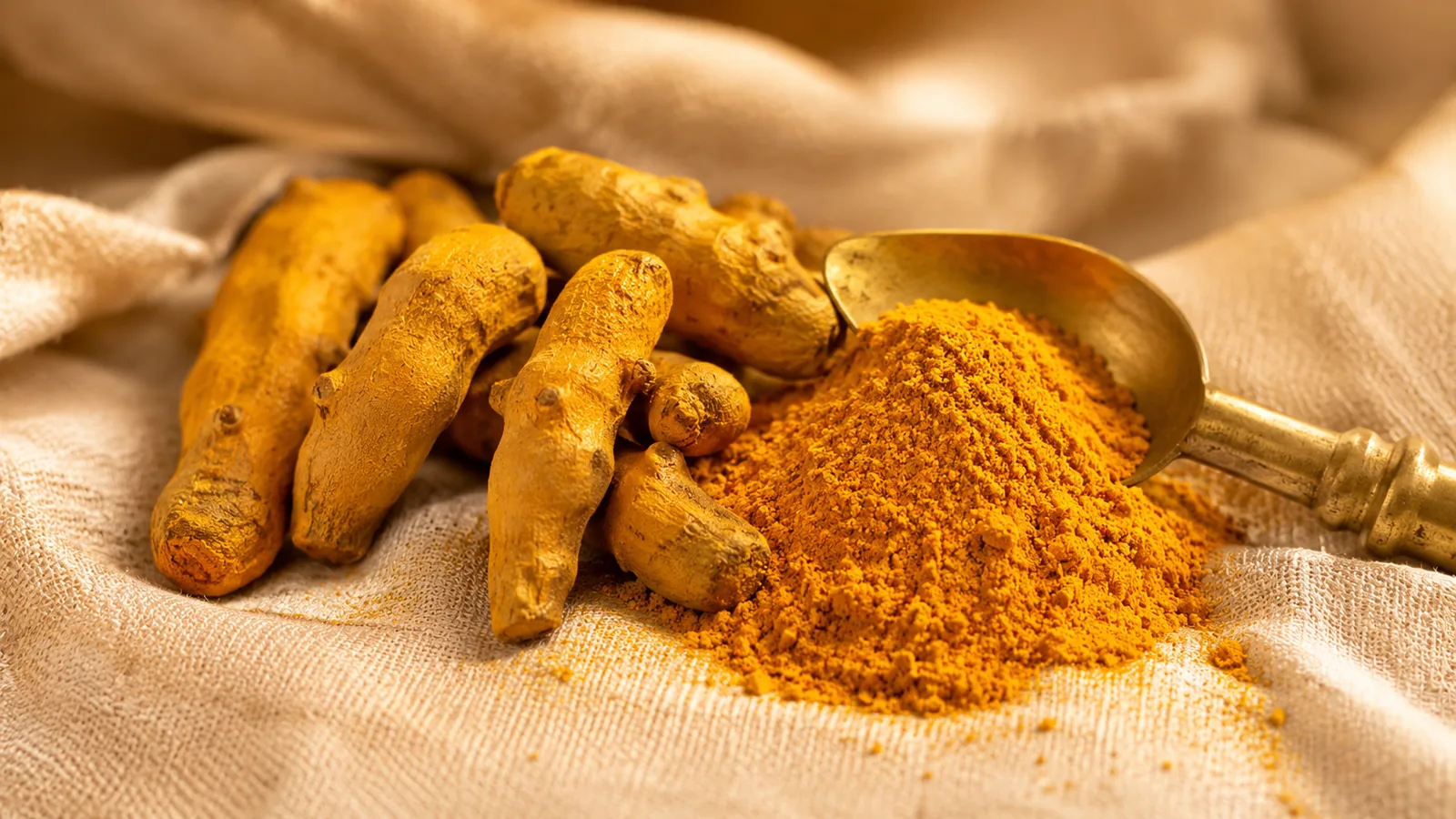
Compliance that bites this industry
Frequently asked
How much fits in a 20ft container?
Roughly 18-22 MT of dense seed spice as trade practice. Whole dried chilli cubes out, filling the volume before the weight limit, so a chilli container carries far less tonnage. Model chilli freight on volume, never on weight.
What does the CEPA certificate save on a Dubai position?
India-UAE CEPA has been in force since 1 May 2022: 0% duty with a DGFT Preferential Certificate of Origin, 5% without it, and 5% VAT either way. On a re-export book that is five points of margin riding on one document.
Which spices carry the highest EU border-hold risk?
Under Reg. (EU) 2019/1793, Indian cumin sits at a 30% pesticide check rate, raised in January 2025, and Indian black pepper at 50% for Salmonella. Both mean physical checks and detention time you have to finance.
Buying for distributors and repackers? Send us your spec sheet — or tell us the application and we will spec it with you, then quote it.
Request a quoteWhat this page does not tell you
- Landed cost and freight rates
- Freight, insurance and duty move constantly and depend on your route, Incoterm and HS classification. We quote FOB, CFR or CIF against a live booking and publish no rate table.
- Warehousing and onward distribution
- YouPals is an India-side sourcing desk. We hold no overseas warehouse, no bonded storage and no distribution capability, and we do not take title in your market.
- Shelf life in your storage conditions
- Storage life depends on your warehouse humidity, temperature and packaging. We specify moisture and packaging at origin; the inventory risk after landing is yours.
Sources
- CBI — Entering the European market for spices and herbs· Tier 2, retrieved 2026-07-16
- India–UAE CEPA — text and tariff schedules· Tier 1, retrieved 2026-07-16
- Spices Board — Certificate of Registration as Exporter of Spices (CRES)· Tier 1, retrieved 2026-07-16
- Reg. (EU) 2019/1793 — temporary increase of official controls· Tier 1, retrieved 2026-07-16
- DGFT — Notifications· Tier 1, retrieved 2026-07-16