Tamarind supplier in China
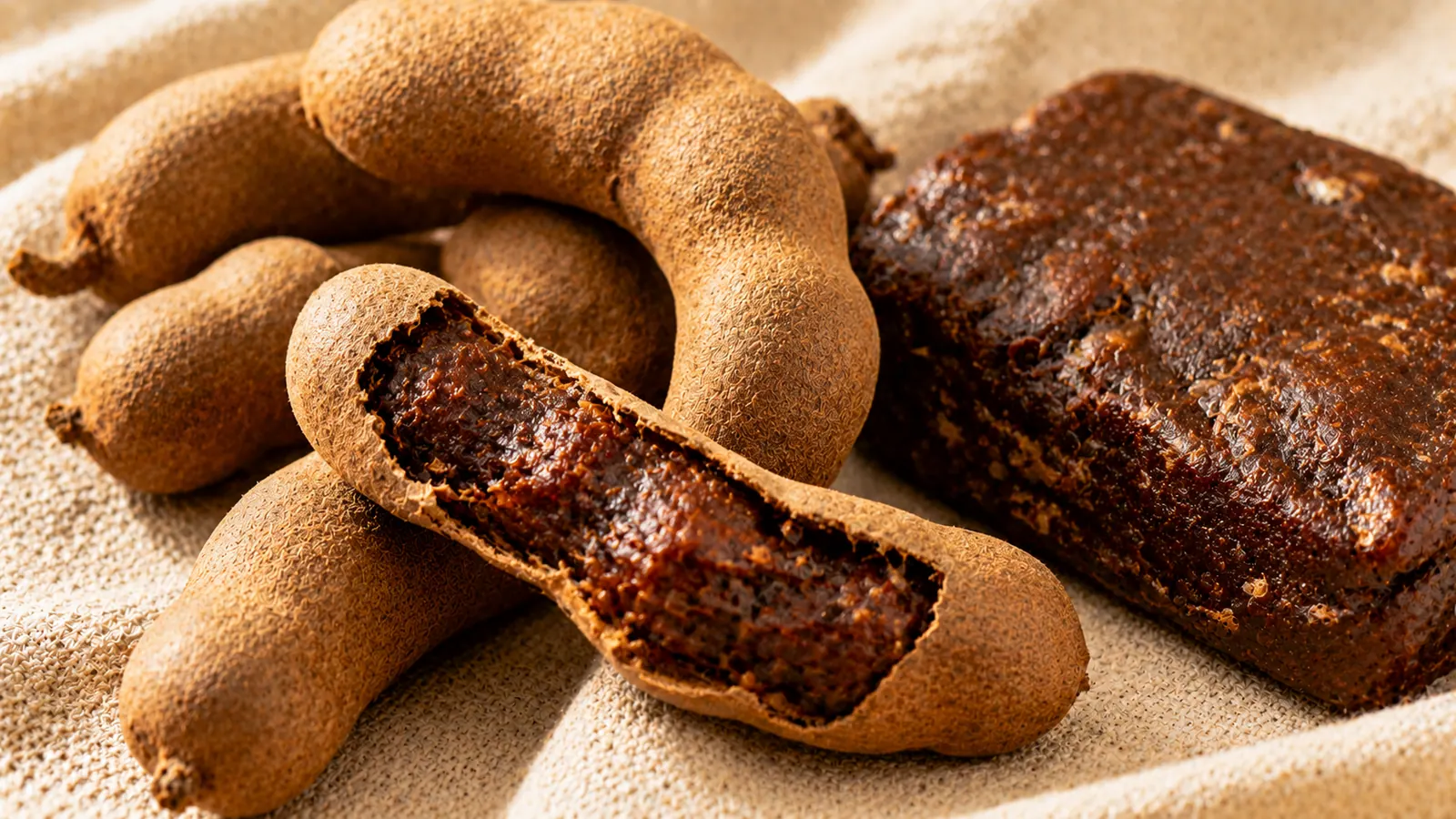
We export Tamarind from India to China in bulk — a high-volume souring fruit — exported as pods, deseeded pulp, paste and concentrate to the food-manufacturing trade.
Who supplies Tamarind to China?
YouPals exports Tamarind from India to China in bulk — in the grade and packing you specify, steam-treated and lab-tested to China requirements, from sample quantities up to full container loads.
Shipping Tamarind to China
China is a East Asia market that took 12% of India’s spice export value in FY2025-26. We ship from the Indian gateway ports — Mundra and Nhava Sheva on the west coast, Cochin and Tuticorin in the south — on the sailing that fits your schedule.
On entry to China, Tamarind classifies under ITC-HS 0810 90 00. Ask us to confirm China’s current duty on that line before you commit — we would rather verify it than quote a rate that turns out wrong.
On China specifically
No dedicated ITC-HS line — Tamarind is not separable in any trade dataset, so no China-specific figure can exist.
That does not change what we ship you — it only means we will not print a China duty figure we have not verified. Ask us and we will confirm the current rate for your HS line before you commit.
Order terms
- Samples from 50–100 kg
- LCL from 1 MT, or a full 20ft container
- Sea freight FCL and LCL to China
- Cleaned and graded to your specification
- Steam-treated (ETO-free) on request
- Accredited pre-shipment testing to Chinese and your buyer’s requirements
- Jute or food-grade PP, liners, or your packing spec
- FOB, CFR or CIF — your choice of Incoterm
What to specify on a tamarind contract
- Available as whole pods, deseeded slab/block pulp, ready-to-use paste and standardised concentrate; each form suits a different buyer, so specify the form up front.
- Deseeded pulp is graded on freedom from seed, shell and fibre, on colour (reddish-brown vs darker) and on moisture; concentrate is graded on standardised acidity and solids.
- Cleaning and deseeding to a specified seed/fibre tolerance is the core processing step and can be coordinated with vetted third parties; sortex/sieving removes grit and shell.
- High moisture and natural sugars make pulp prone to fermentation and mould if under-dried or poorly stored, so moisture control and cool storage set shelf life; new-crop pulp holds the best colour.
Frequently asked
Can I import Tamarind from India into China?
Yes. We export Tamarind from India to China. We publish Tamarind's verified specification here; we do not publish a China-specific duty figure we have not confirmed.
What this page does not tell you
- Chapter classification
- Tamarind reports under fruit lines (HS 0810/0813), not Chapter 9; not comparable to seed-spice figures.
Sources
- Spices Board of India — Export statistics· Tier 1, retrieved 2026-07-16
- Spices Board Act, 1986 — Schedule of spices· Tier 1, retrieved 2026-07-16
- IBEF — Indian Spices Industry· Tier 2